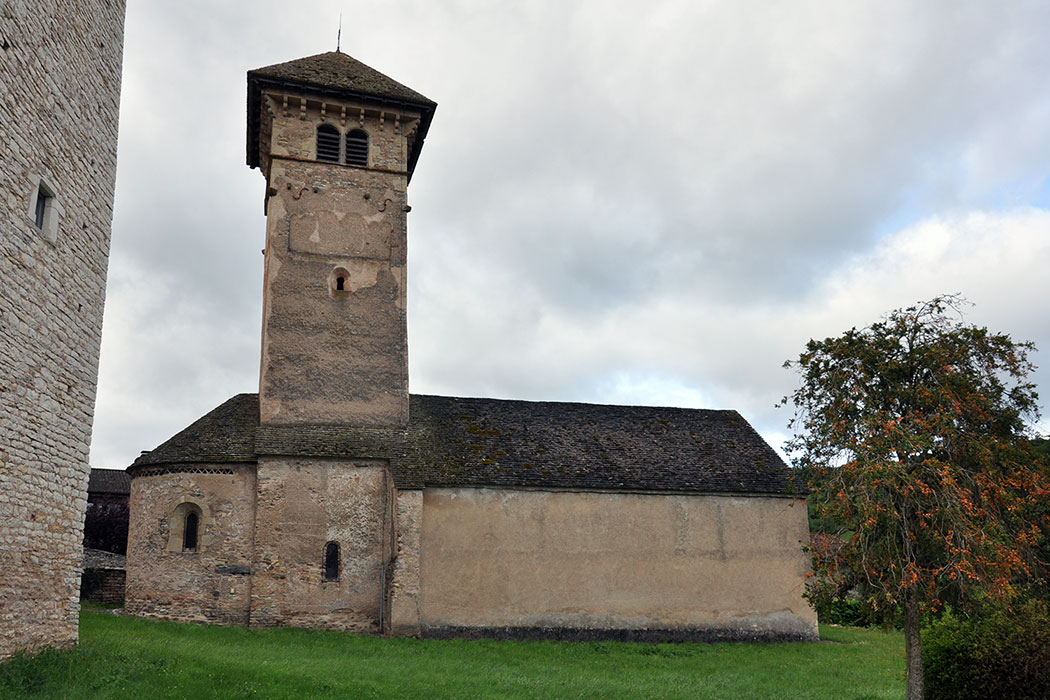

In 927, Leotbald of Brancion and his wife Doda donated the village of Blanot, with the church of Saint-Martin, to Cluny Abbey (Saône-et-Loire), represented by its abbot, Odo (926–942). The donation, which also included other churches and properties, was confirmed in 930 by Raoul I, King of the Franks. The site subsequently appears in a confirmation of Cluny’s possessions dating from 994.
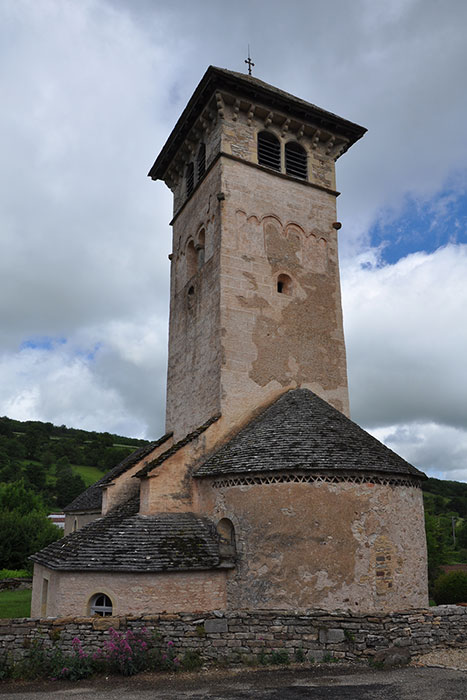
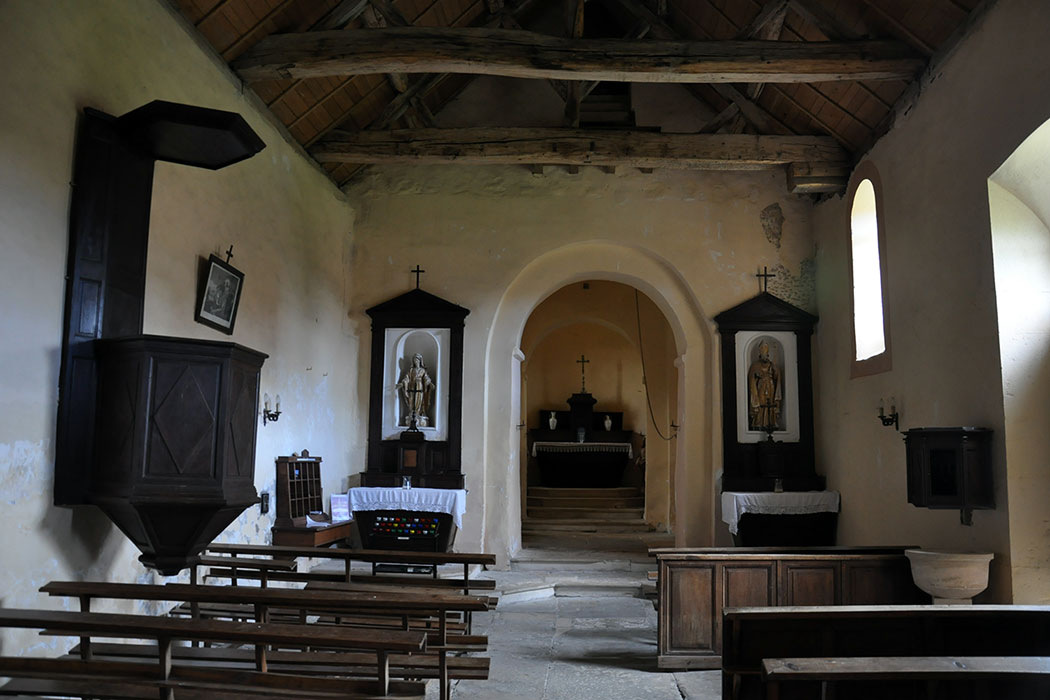
There is no explicit evidence that Blanot was actually a priory, although a document of 1229 suggests this, and it has traditionally been known by this name. In reality, the site functioned as a Cluniac provostry, intended to administer the abbey’s rural estates and headed by a lay provost. The present church, built between the eleventh and twelfth centuries, replaced an earlier structure. Beside it stands a large building traditionally known as “the priory”, which was the provost’s residence and was built in the twelfth century.
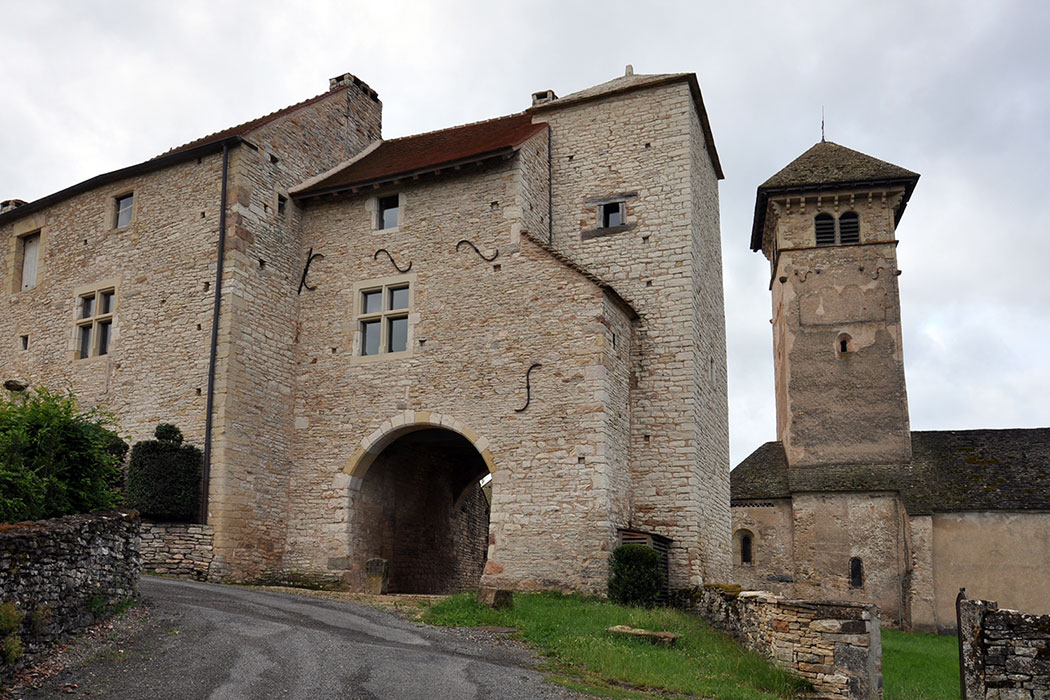
The Priory
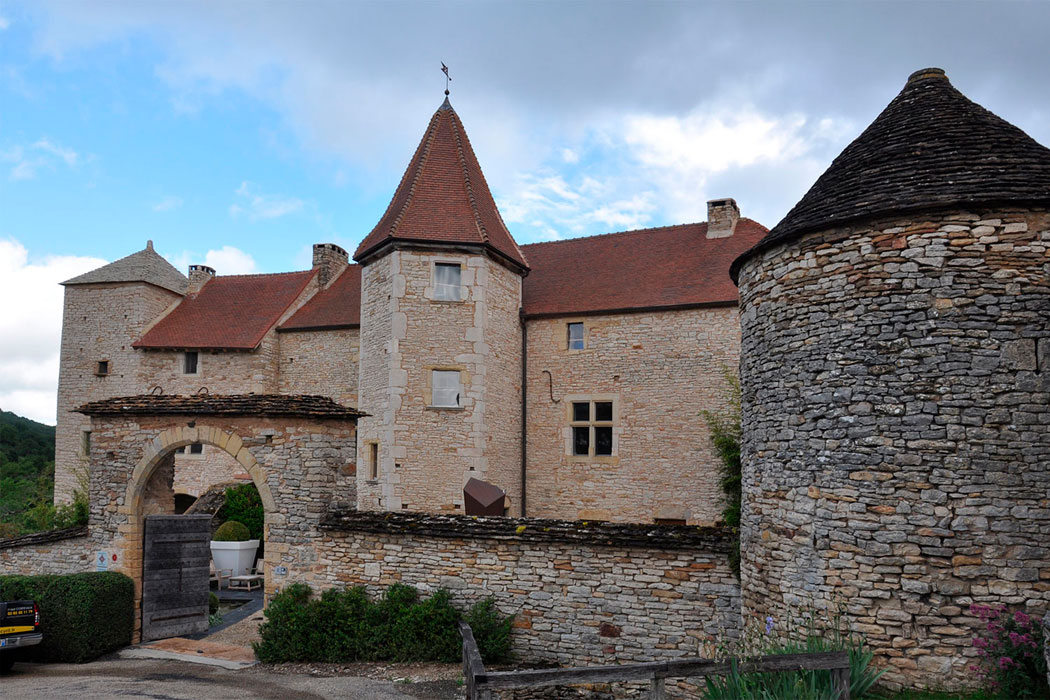
The Priory
- BRUEL, Alexandre. (1876). Recueil des chartes de l'abbaye de Cluny. Tome 1. París: Imprimerie nationale
- DEFONTAINE, Patrick (2013). Recherches sur les prieurés réguliers, monastiques et canoniaux des anciens diocèses de Chalon et Mâcon (Xe - XIVe siècles). Université de Bourgogne
- RIGAULT, Jean (2008). Dictionnaire topographique du département de Saône-et-Loire, comprenant les noms de lieux anciens et modernes. París: CTHS
- VIREY, Jean (1892). L'architecture romane dans l'ancien diocèse de Mâcon. París: Picard
The church of Blanot priory is northeast of Cluny.