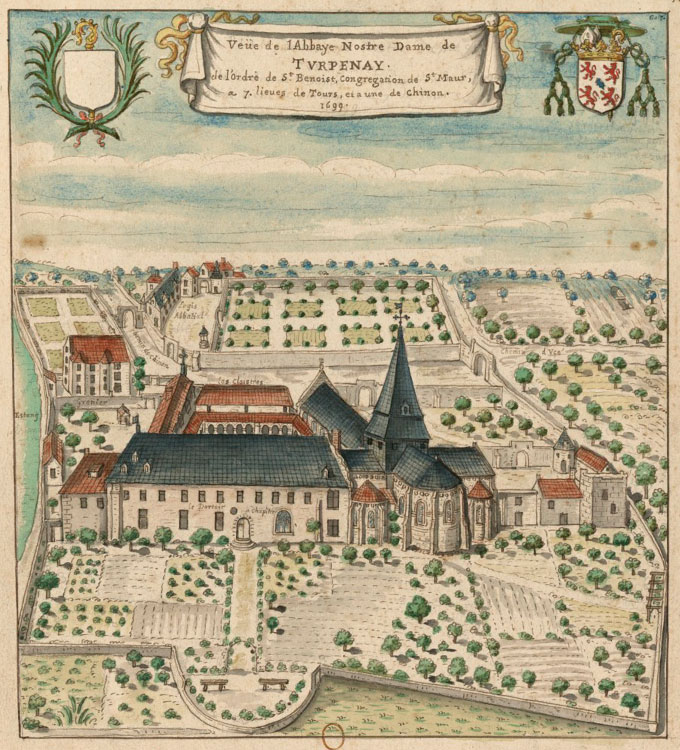
Detail of Veüe de l'abbaye Nostre-Dame de Turpenay
Louis Boudan (1699)
Bibliothèque nationale de France


The Benedictine Abbey of Notre-Dame de Turpenay originated from a group of monks who had settled around 1120 at Turpin, where they led a life close to eremitism. This community, headed by the master Étienne, maintained contacts with the Abbey of Notre-Dame de L’Absie (Deux-Sèvres), which played a role in its transformation into a regular cenobitic community. This change was formalised in 1127.
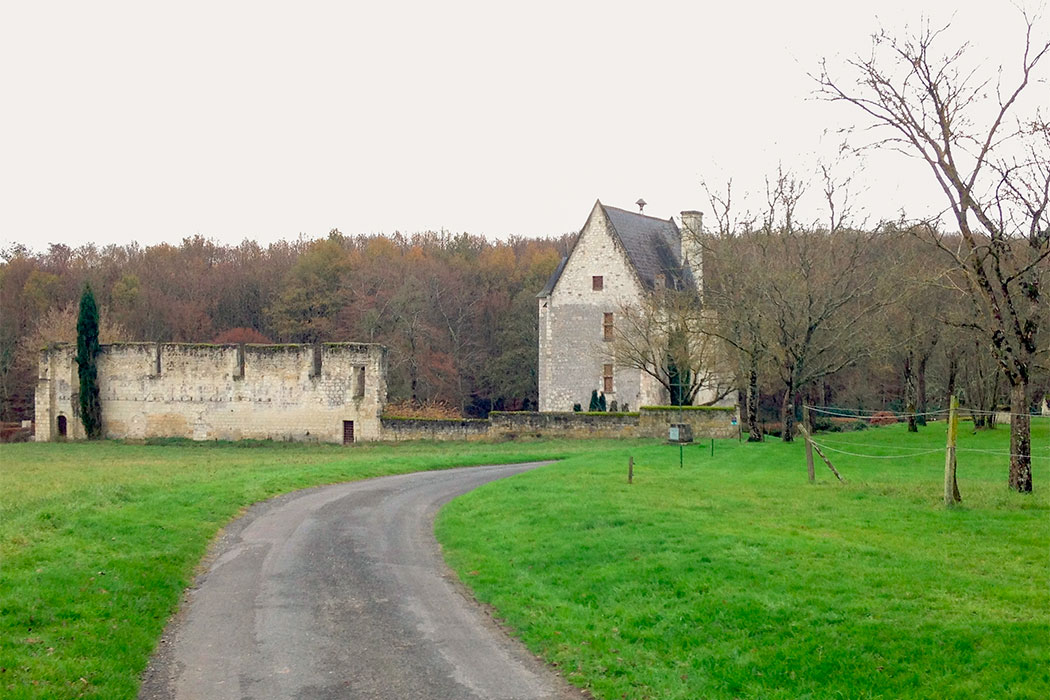
Photo by Jpda, on Wikimedia
Following the establishment of the new monastery, Étienne moved into the background, and the community came under the leadership of Abbot Robert, who had probably arrived from L’Absie together with several monks. Thanks to the support of the monarchy and of local lords and nobles, particularly Count Fulk V of Anjou (1092–1143), the abbey experienced significant growth during its early years. In 1189, Richard the Lionheart (1157–1199) confirmed the donations granted at the time of its foundation. The church was consecrated in 1134 by the Archbishop of Tours, Hugues d'Étampes (1134–1146).
Like many other monastic houses, Turpenay suffered from the effects of the Hundred Years' War, the commendatory system imposed on monasteries, and the Wars of Religion. In this context, it was plundered by the Huguenots in 1562. In the seventeenth century, it joined the Congregation of Saint-Maur, which revitalised the abbey and enabled it to survive until the Revolution, albeit in a state of decline. In 1791, at the time of its suppression, the community consisted of only two monks. The property was sold, and much of its fabric was used as a quarry for building materials. Today, the principal surviving element is the abbatial residence, built in the fifteenth century, while only very fragmentary remains of the former monastic complex have survived.
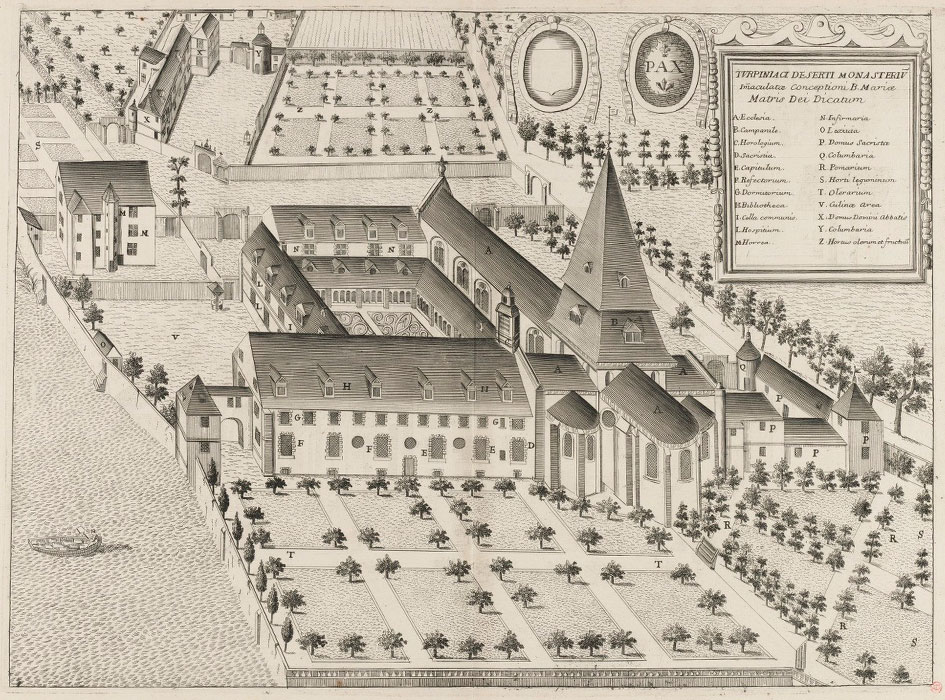
Monasticon Gallicanum
Bibliothèque nationale de France

According to Armorial général de France (18th century)
Bibliothèque nationale de France
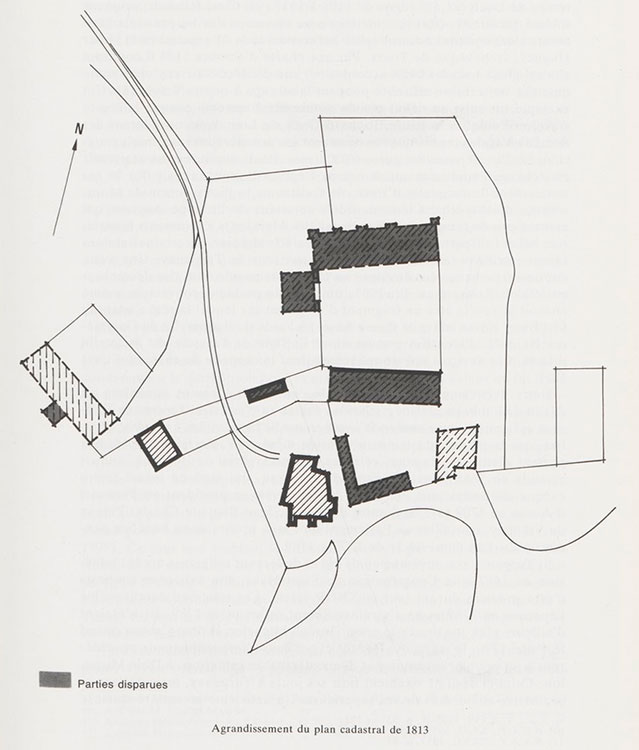
Plan of Turpenay, in 1813
In black, the now lost constructions
Published in Sauvetage des vestiges de Turpenay (1987)
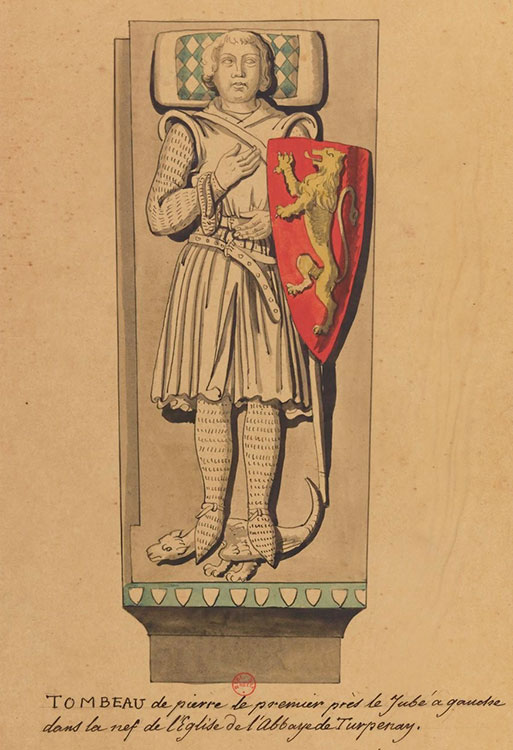
Tomb of a knight, in the church
Bibliothèque nationale de France
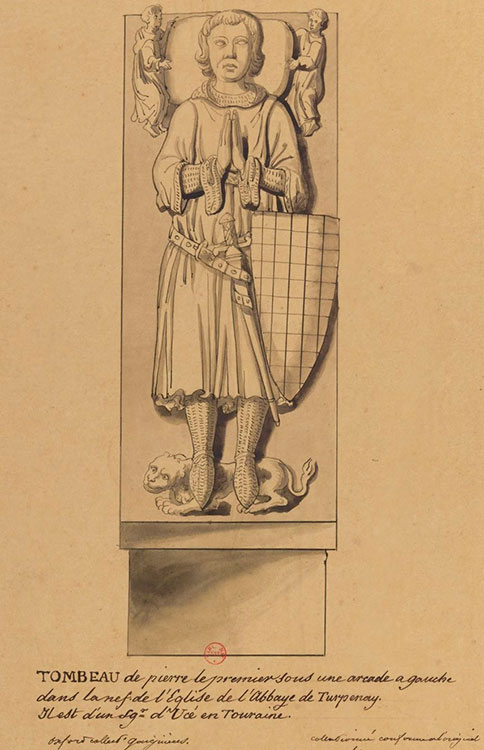
Tomb of a knight, in the church
Bibliothèque nationale de France
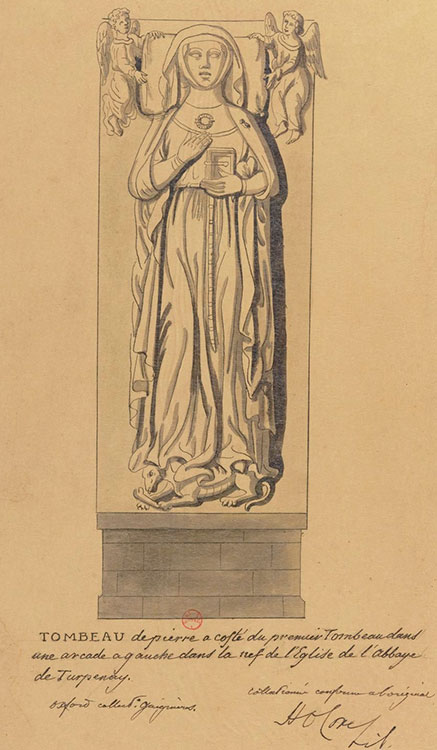
Tomb of a lady, in the church
Bibliothèque nationale de France
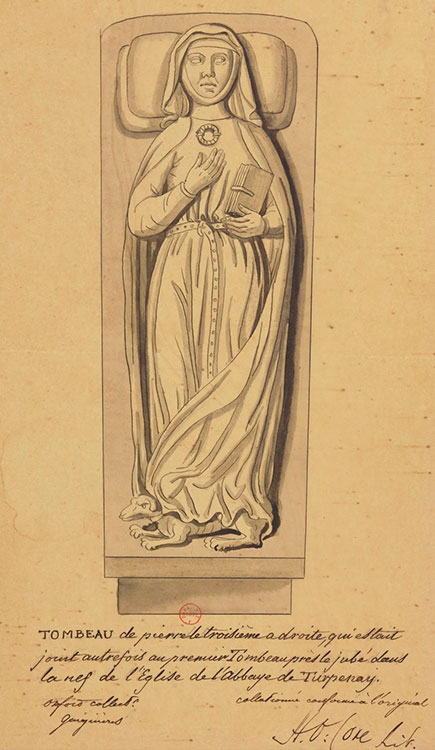
Tomb of a lady, in the church
Bibliothèque nationale de France
- BESSE, Jean-Martial (1920). Abbayes et prieurés de l'ancienne France, vol. 8, Tours. París : Picard
- CARRÉ DE BUSSEROLLE, Jacques-Xavier (1884). Dictionnaire géographique, historique et biographique d'Indre-et-Loire et de l'ancienne province de Touraine. Vol. VI. Tours: Rouillé-Ladevèze
- MONTOUX, André (1987). Sauvetage des vestiges de Turpenay à Saint-Benoît-la-Forêt. Bulletin de la Société Archéologique de Touraine, vol. 41
- MOUSSÉ, Henri (1915). Notre-Dame de Turpenay. Le culte de Notre-Dame en Touraine. Tours: A. Mame
- OURY, Dom G. (1971). L'érémitisme dans l'ancien diocèse de Tours au XIIe siècle. Revue Mabillon. Vol. 58. Ligugé
- PEIGNÉ-DELACOURT, Achille (1877). Monasticon Gallicanum. Paris: G. Chamerot
- SAINT-MAUR, Congregació de (1856). Gallia Christiana in provincias ecclesiasticas distributa. Vol. 14. París: Typographia Regia
- SEMUR, François-Christian (2011). Abbayes de Touraine. La Crèche: Geste Ed.
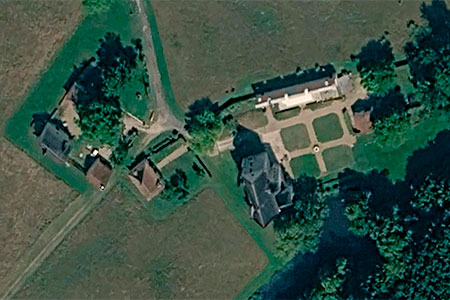
The remains of Turpenay Abbey are located in an isolated setting within the commune of Saint-Benoît-la-Forêt, southwest of Tours, on the road to Chinon