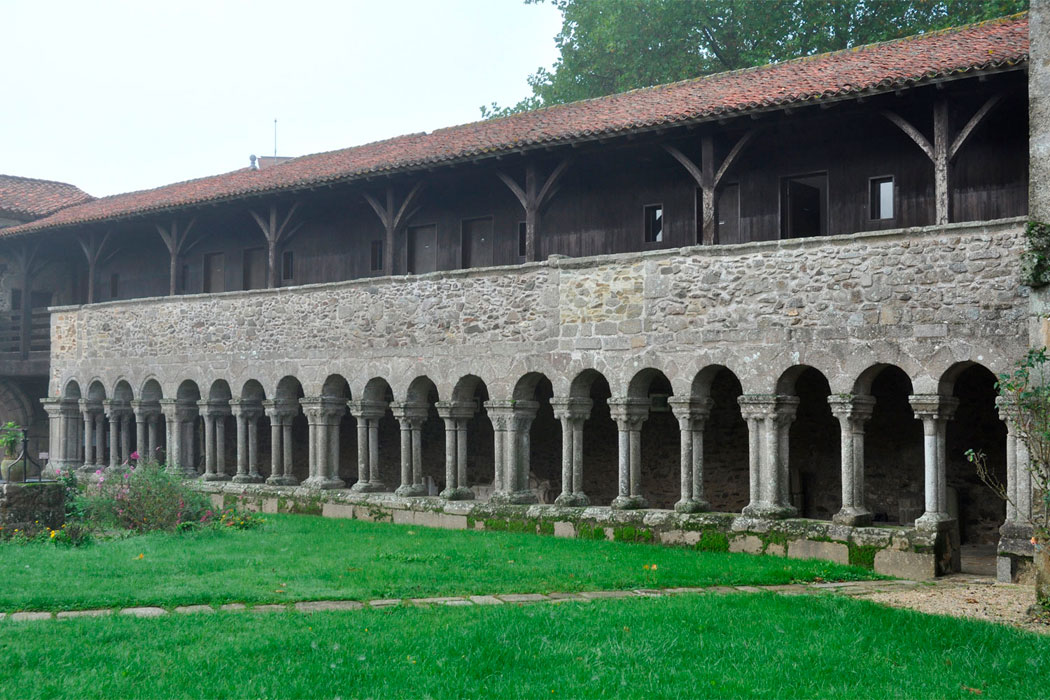

Notre-Dame de La Grainetière is a Benedictine abbey founded in the 12th century. After a period of decline, the site was sold following the Revolution, but monastic life was restored there in the second half of the 20th century. Next to the ruins of the church stands the present monastery, which partially preserves the medieval cloister and chapter house.
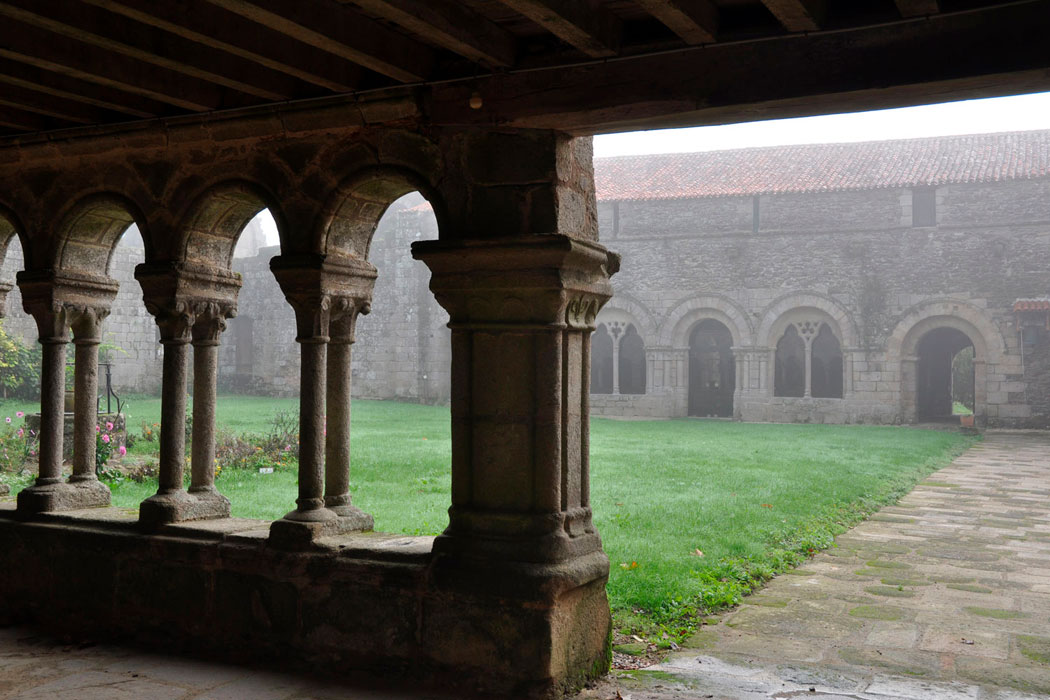
Around the year 1130, the lands on which the monastery of La Grainetière was established were granted by Gilbert de La Chaize, lord of the place, to Guillaume, abbot of Notre-Dame de Fontdouce (Charente-Maritime). A document from Pope Lucius II, dated 1145 and confirming the possessions of Fontdouce, granted La Grainetière the status of an abbey and mentioned its connection with the Cistercian Order. It has also been regarded as one of the foundations inspired by Gerald of Salles (c. 1050-1120), although he had already died by then. In the following decades, the construction of the monastic complex developed thanks to donations from the local nobility.
The chapter house was remodelled in the Gothic period. In the 14th century, the complex was fortified, which prevented its occupation in 1372 during the Hundred Years’ War. At the end of the 15th century, the abbey came under the control of commendatory abbots. In the second half of the 16th century, it suffered directly from the Wars of Religion, being plundered and burned, at which time a large part of its archive was lost. It was restored in the following century, with several modifications to its spaces. In the second half of the 17th century, it was in decline and, in 1760, with only one monk remaining, its possessions were transferred to the seminary of Luçon. It is recorded that the church was still standing in 1779.
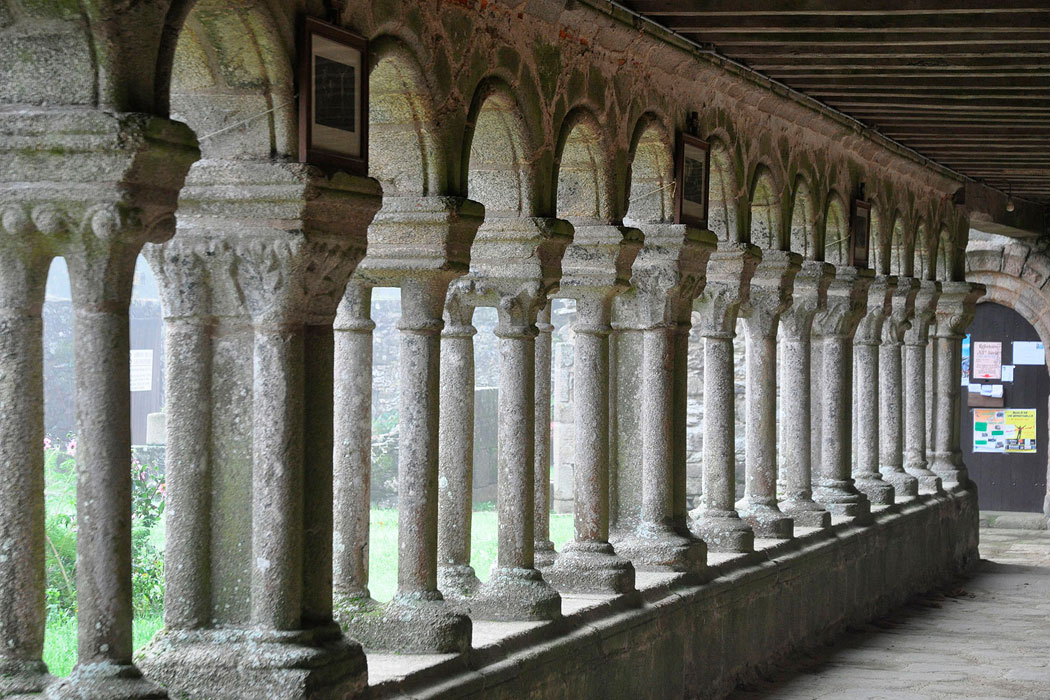
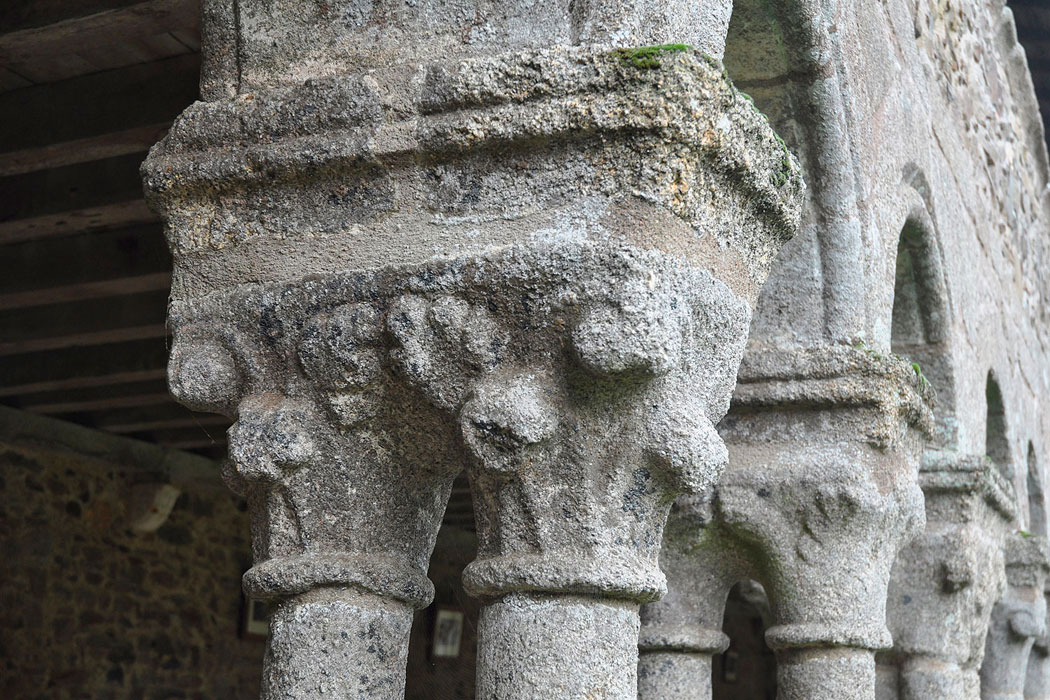
Following the Revolution, in 1791 the site was sold and became the centre of an agricultural estate. During the 19th century, much of what remained of the church disappeared. In the mid-20th century, the site began to be protected; in 1963 it passed into public ownership and, in 1978, it was occupied by a Benedictine community of the Congregation of Notre-Dame d’Espérance. Of the church, only part of the chancel survives, together with the wall that separated it from the cloister. Of the latter, the western gallery remains, as well as the Gothic chapter house, now converted into a chapel. There are also remains of other buildings and of the fortifications, now occupied by the community.
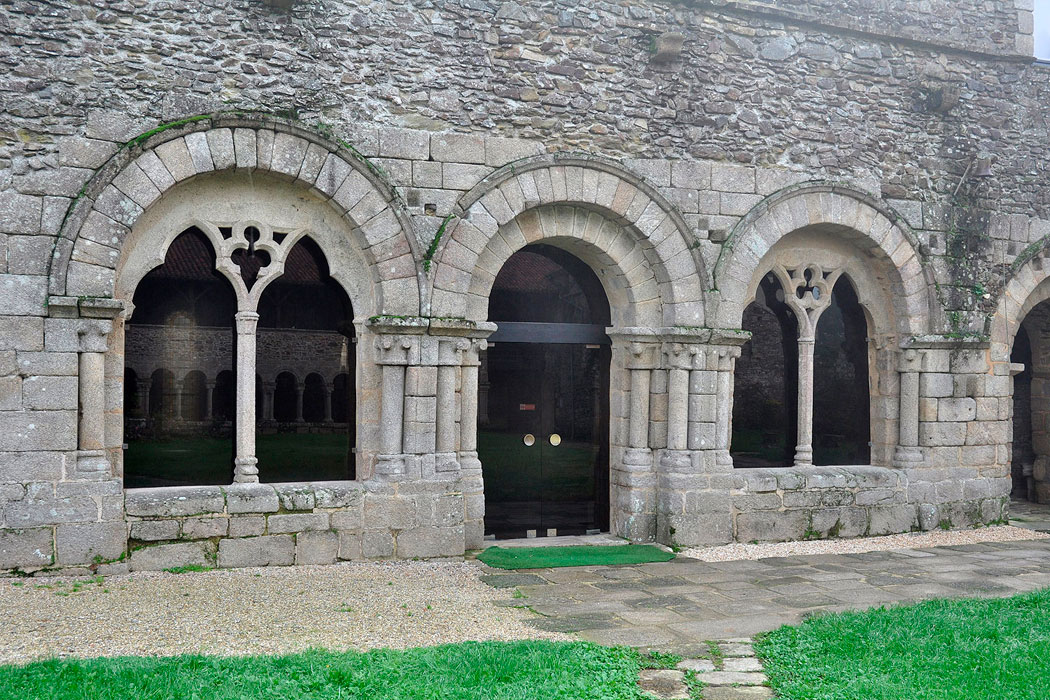
Chapter house
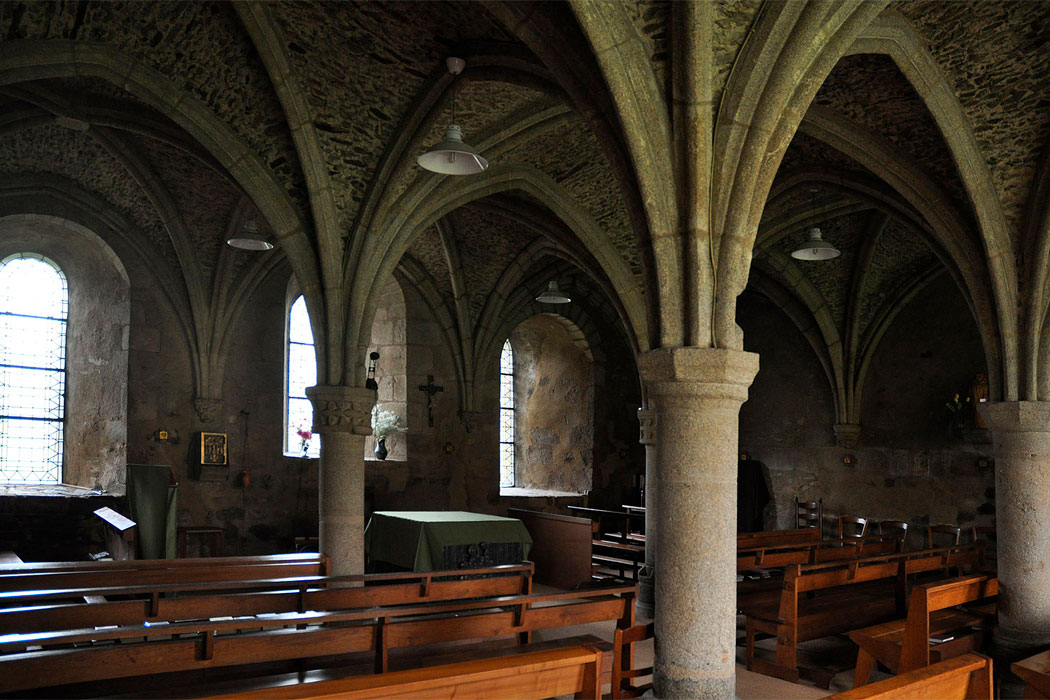
Chapter House. Now the monastery chapel.
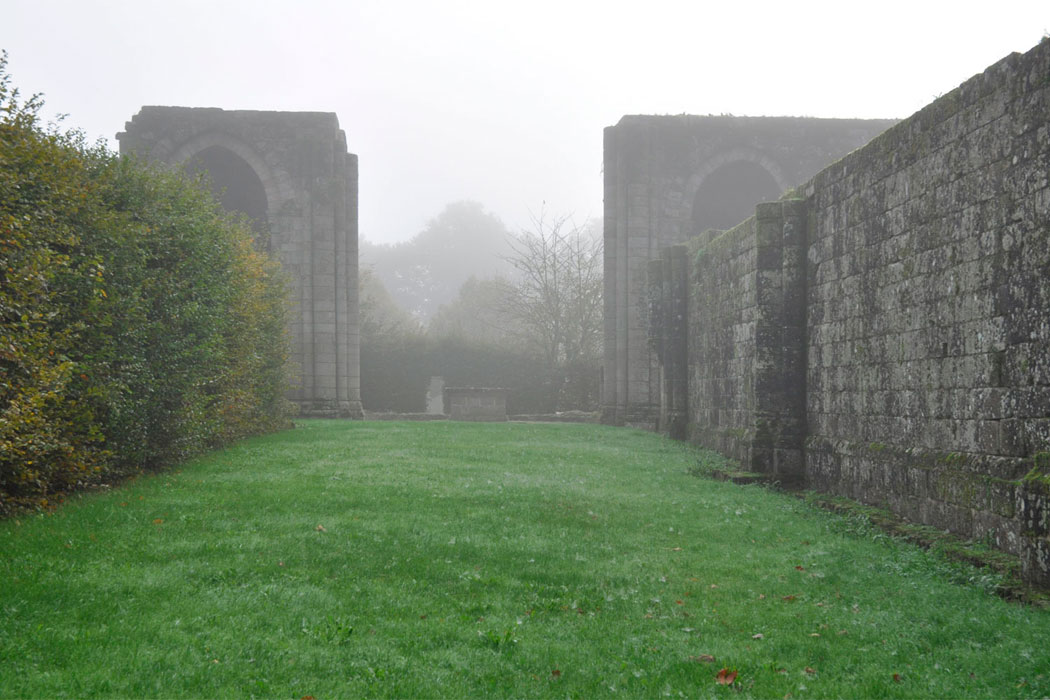
Space occupied by the church nave
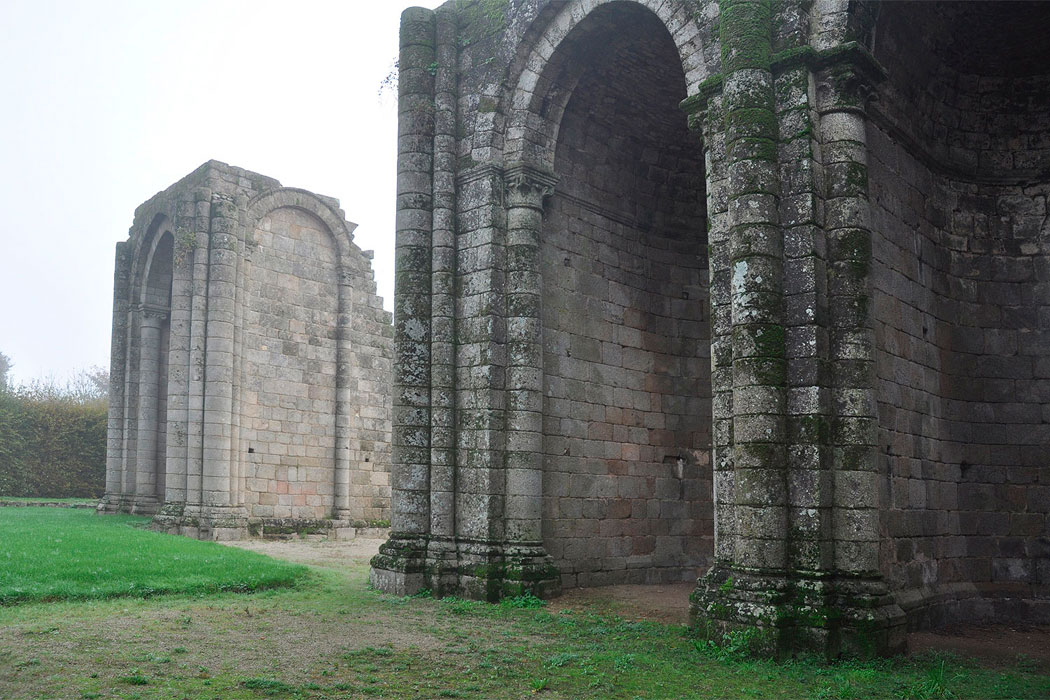
Church apse
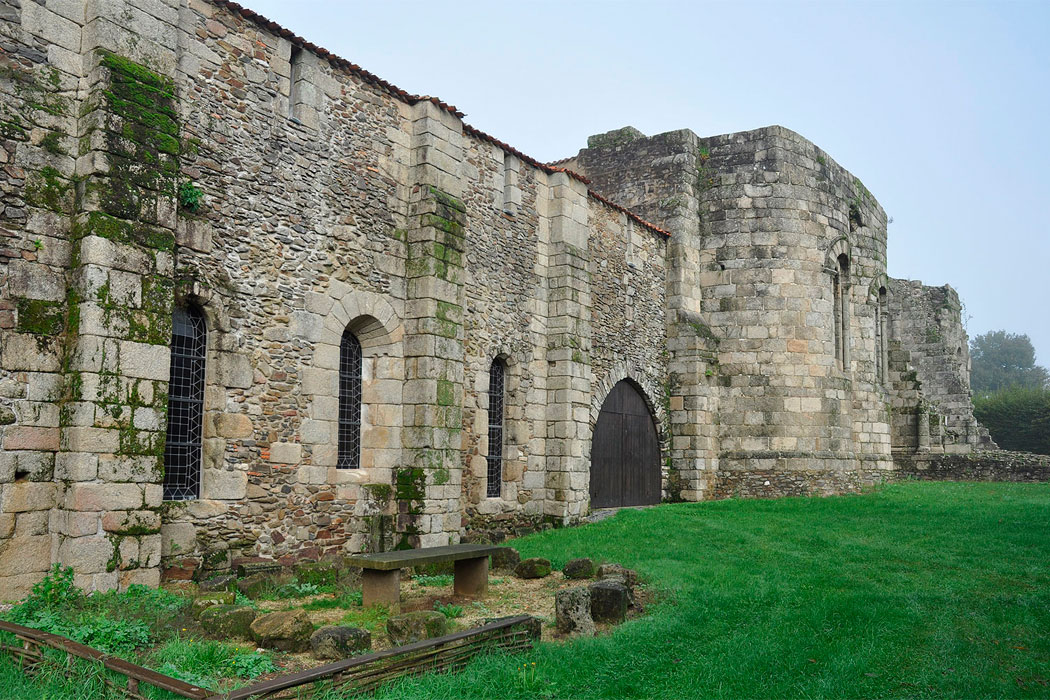
East facade
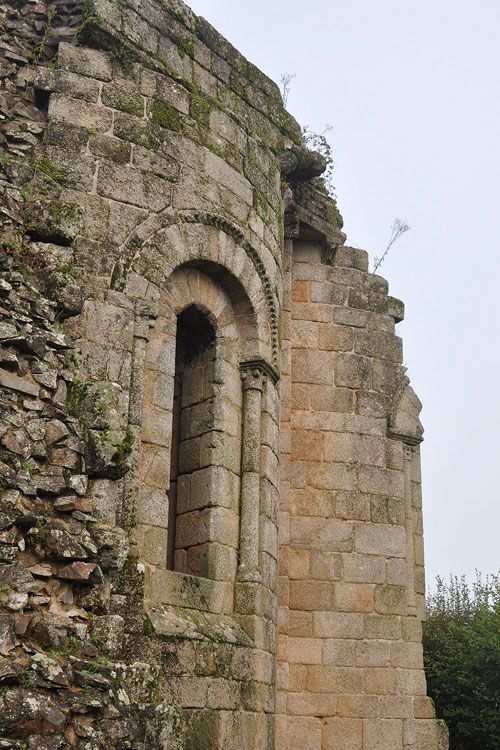
Church apse
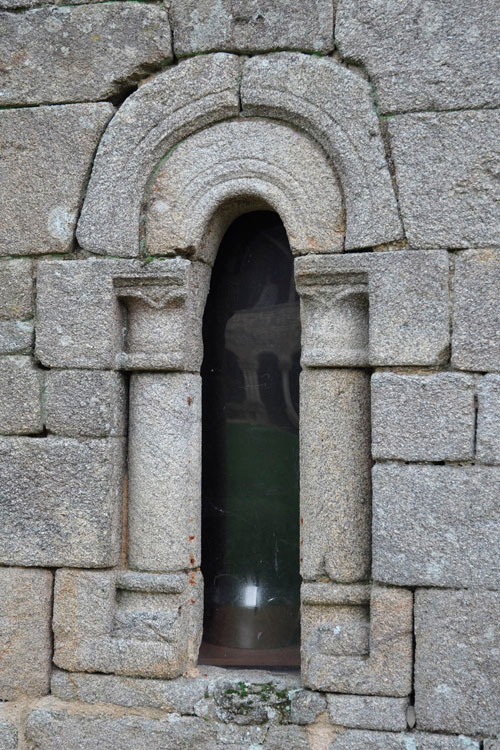
Window
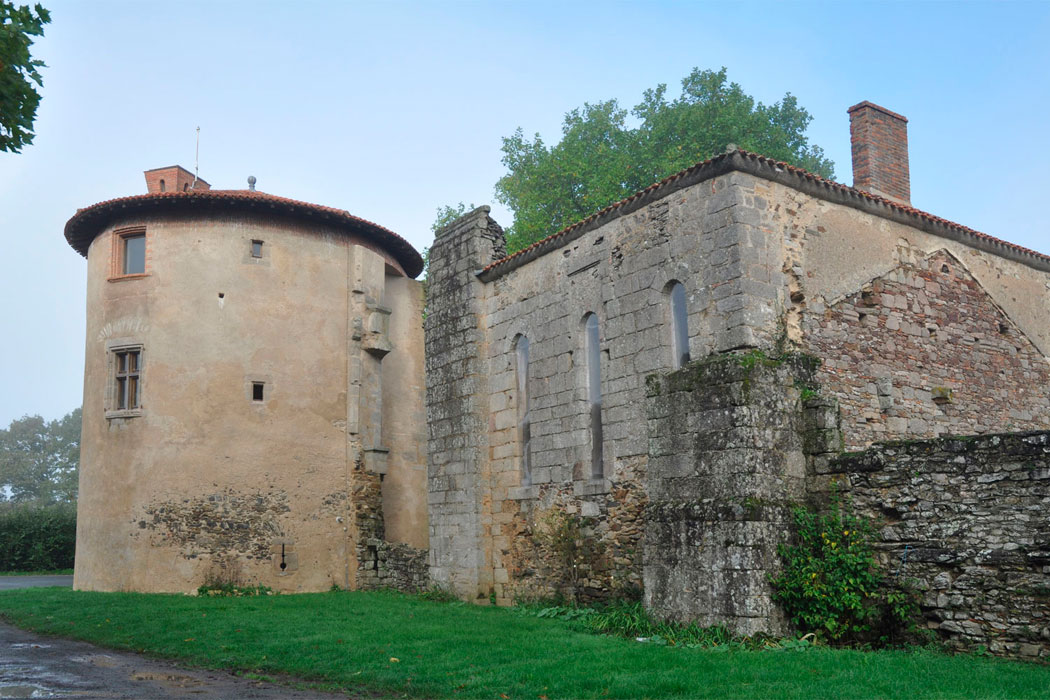
Tower and remains of the old refectory
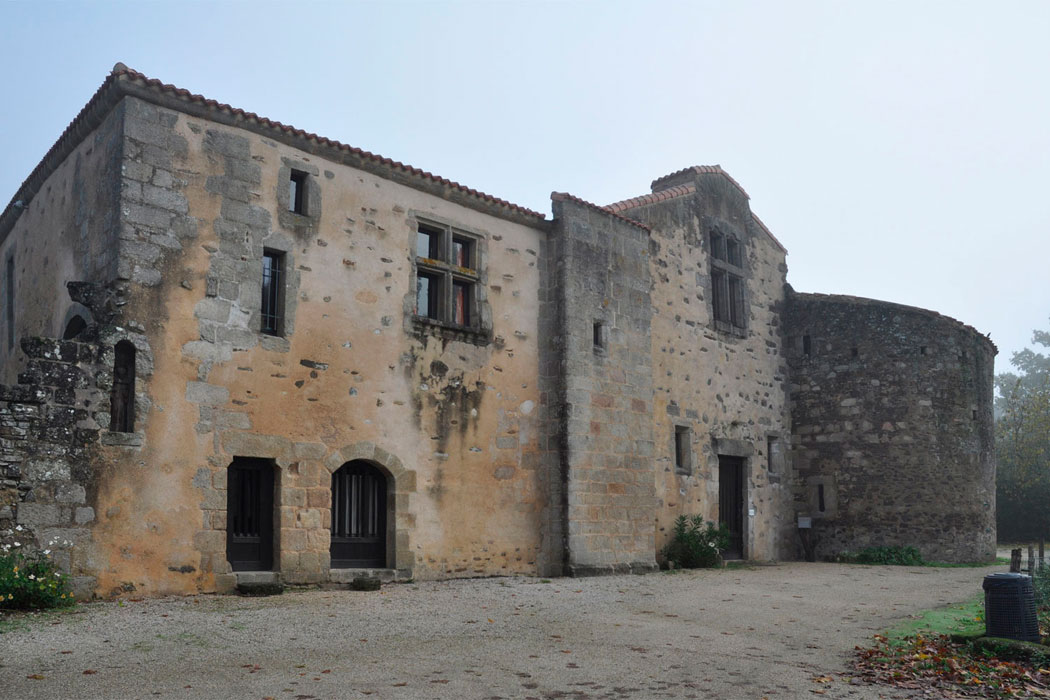
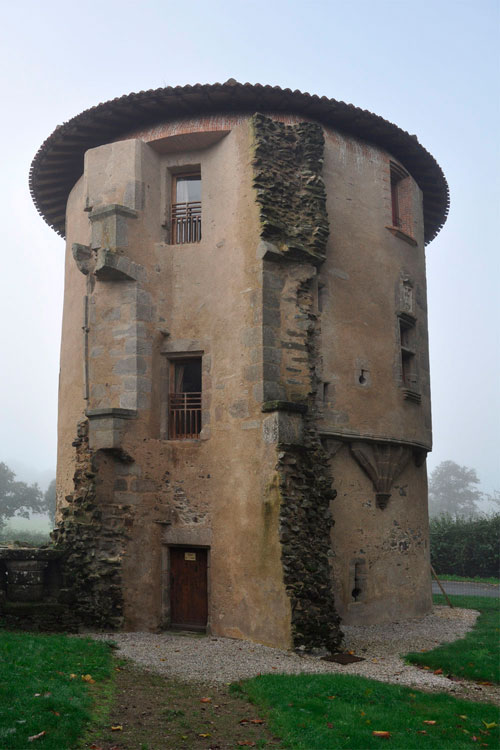
Torre de defensa
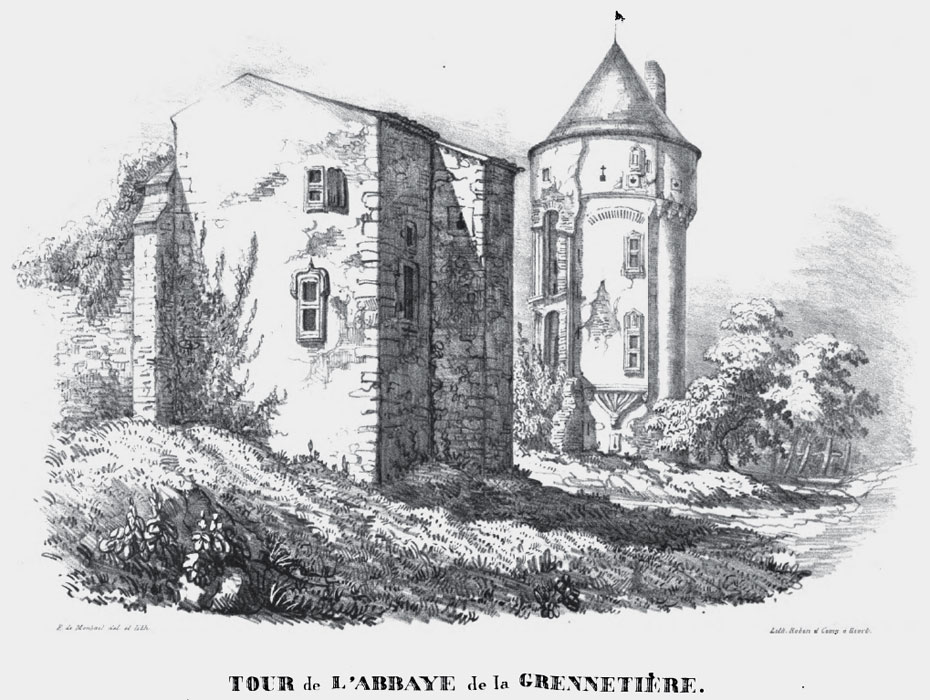
Illustration from Notes et croquis sur la Vendée (1843)
Bibliothèque nationale de France

Illustration from Notes et croquis sur la Vendée (1843)
Bibliothèque nationale de France
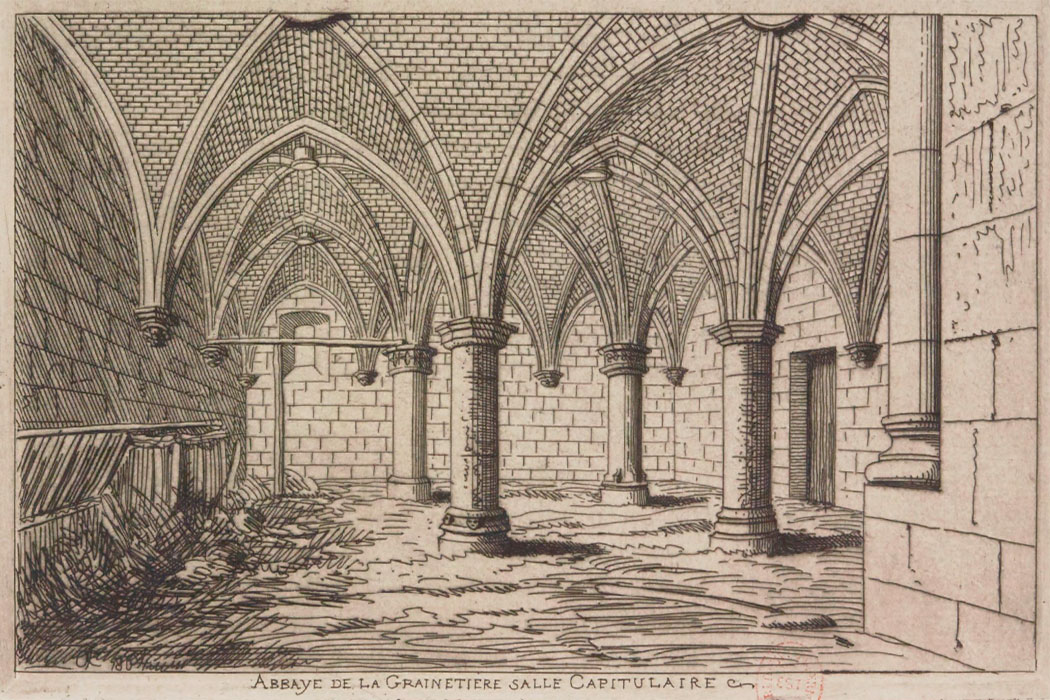
Octave de Rochebrune (1864)
Bibliothèque nationale de France
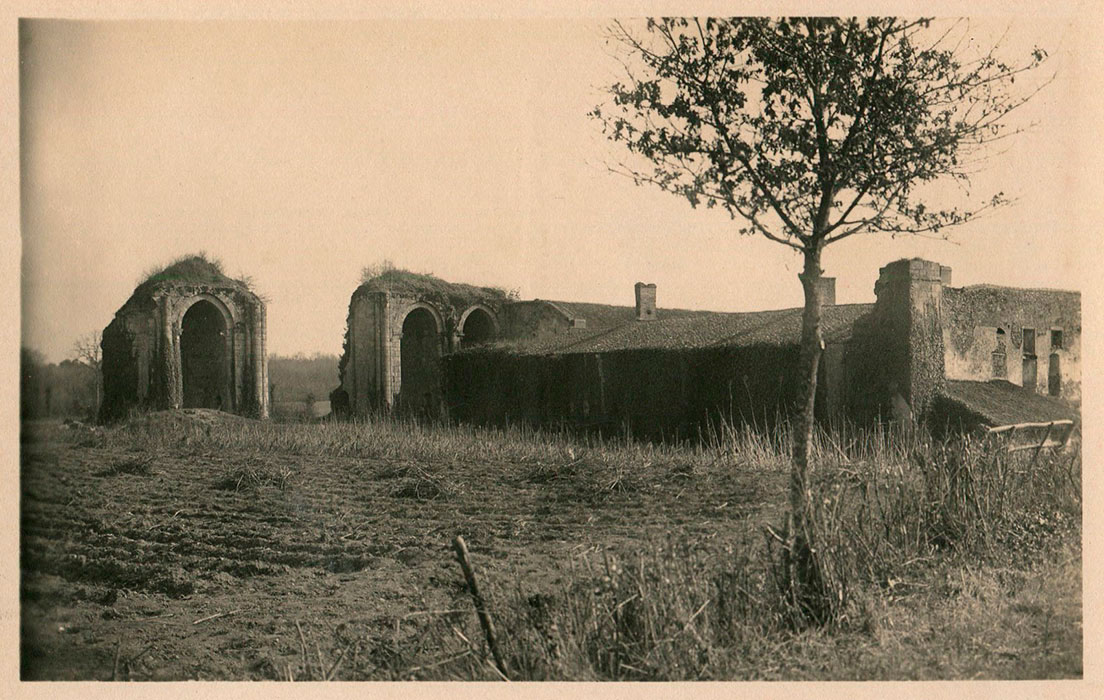
Old postcard, private collection
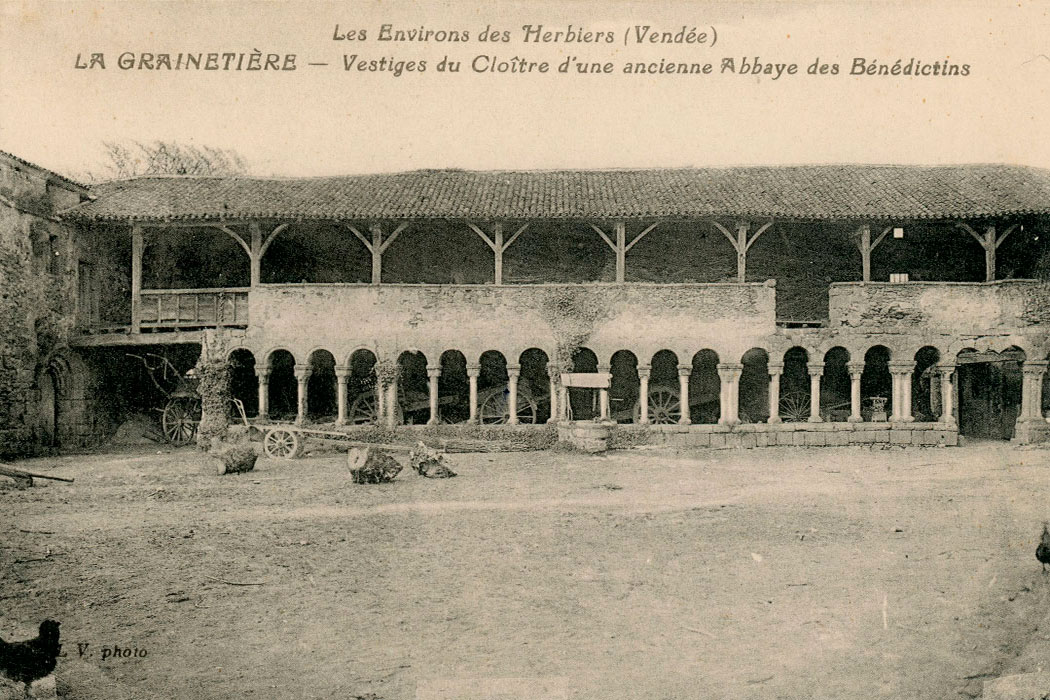
Old postcard, private collection
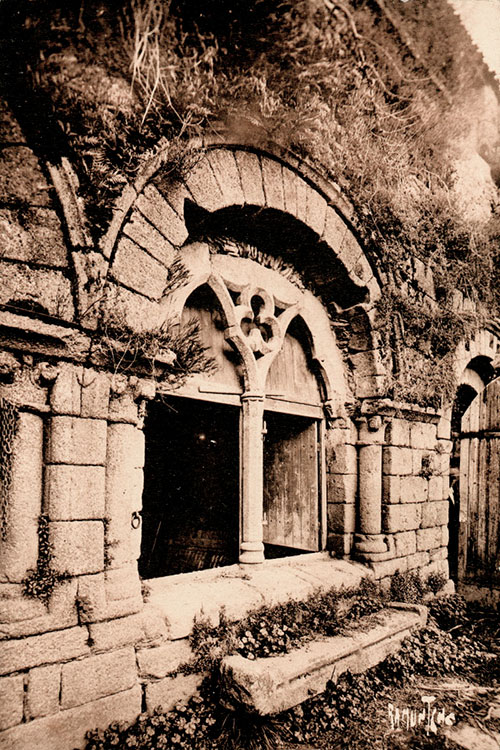
Old postcard, private collection
- ANDRAULT-SCHMITT, Claude (1996). L’abbaye de la Grainetière. Congrès Archéologique de France. Vendée. París: Société Française d’Archéologie
- AUBERT, R. (1986). Dictionnaire d'histoire et de géographie ecclésiastiques. Vol. 21. París: Letouzey et Ané
- BEAUNIER, Dom (1910). Abbayes et prieurés de l'ancienne France. Vol. 3: Auch, Bordeaux. Abbaye de Ligugé
- CHAPPOT DE LA CHANONIE, L. (1890). Une poignée de documents sur l’abbaye de la Grainetière. Revue du Bas-Poitou. Fontenay-le-Compte / París / Niort
- DU TEMS, Hugues (1774). Le clergé de France, vol. II. París: Delalain
- GAUDUCHEAU, C. (1979). “La Grainetière” retrouve la vie monastique. Société d’Etudes Folkloriques du Centre-Ouest. Tom. XIII/3
- MONBAIL, Émilien de (1843). Notes et croquis sur la Vendée. Niort: Robin
- SAINT-MAUR, Congregació de (1720). Gallia Christiana in provincias ecclesiasticas distributa. Vol. 2. París: Typographia Regia
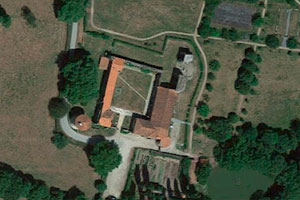
The monastery of La Grainetière is located on the outskirts of the commune of Les Herbiers, to the northeast of the prefecture of La Roche-sur-Yon