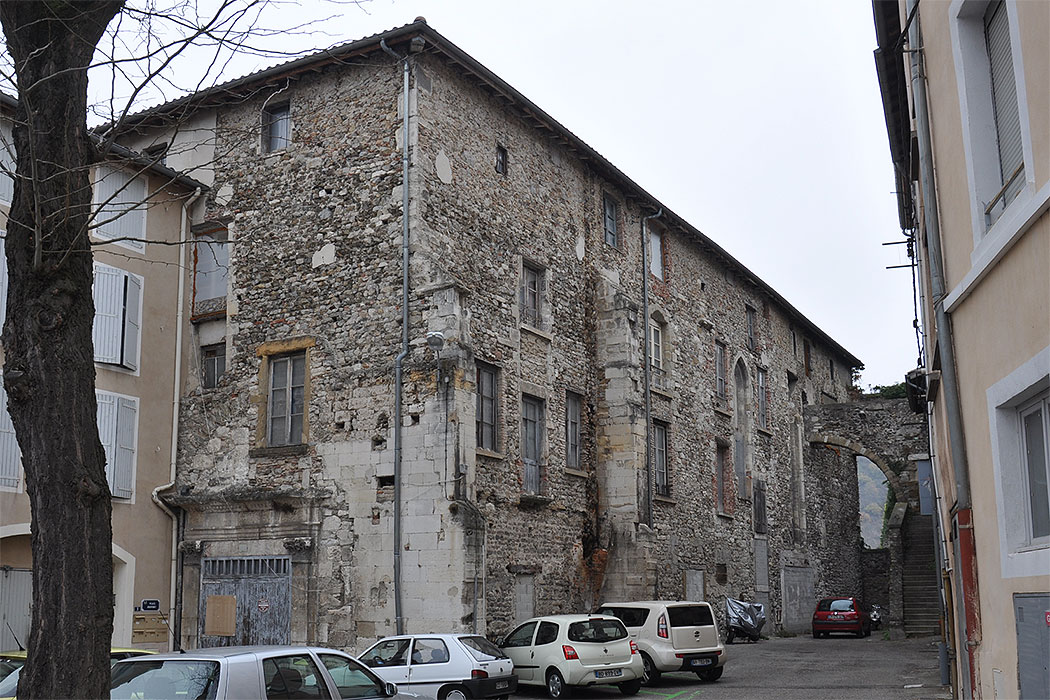
The church modified by its transformation into housing


The Abbey of Saint-André-le-Haut was an ancient and notable female monastery whose origins date back to the sixth century. It remained active until the suppression of the religious houses, after which its structures underwent numerous alterations and losses. In recent years, significant research and restoration work has been carried out on the site.
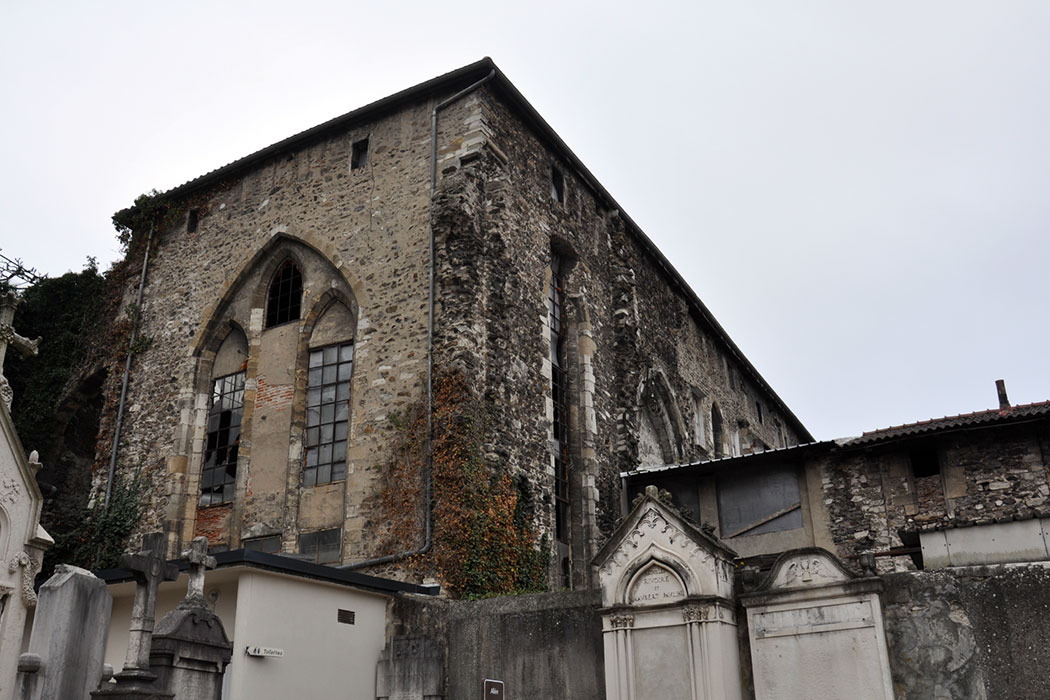
The foundation of this house has been attributed to Saint Léonien († c. 518), a figure associated with Saint Eugendus and the so-called Fathers of the Jura, who is said to have moved to Vienne in search of a place of retreat. He would have founded the monasteries of Saint-Pierre, for men, and this one of Saint-André-le-Haut, for women, which was already functioning at the beginning of the sixth century. The history of the house is marked by many uncertainties due to the loss of its archives. No documentary evidence survives before 815, when it passed into the hands of the archbishop. It appears that the monastery did not directly suffer from the Saracen attack on the city, although it experienced its consequences.
In 875 the monastery was placed under the control of Boso (c. 844–887), brother-in-law of Charles the Bald and count of Vienne. It remained under royal authority until 1031, when Rudolph III (c. 970–1032) introduced a community of nuns from the Abbey of Saint-Césaire d’Arles (Bouches-du-Rhône) and placed it under episcopal authority. It is unknown which rule the community had followed previously, but from that point onward it adopted the Rule of Saint Benedict. At that time a new church was built, important remains of which have been uncovered in recent excavations. This building had as its predecessor a much smaller earlier structure (sixth–seventh centuries), considered a possible mausoleum.
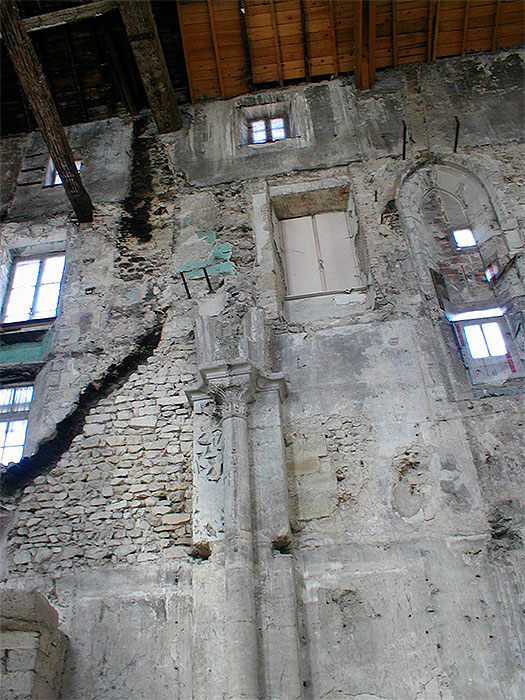
Interior
Photo by Yannig38, on Wikimedia
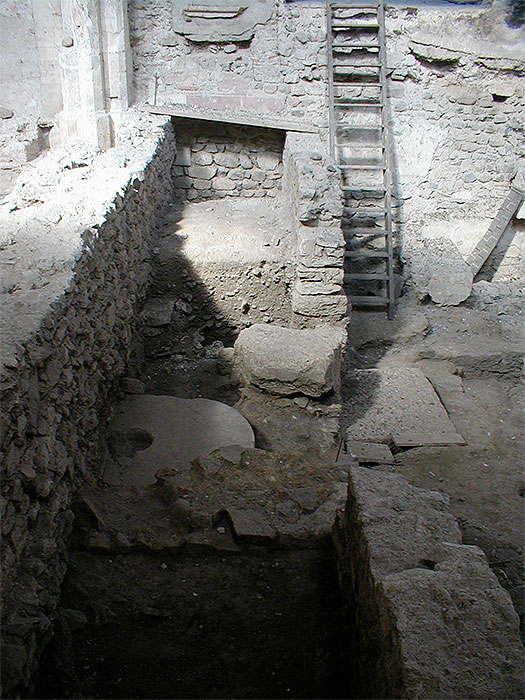
Remains of the building from the 6th-7th centuries
Photo by Yannig38, on Wikimedia
During the thirteenth and fourteenth centuries, major rebuilding works were undertaken on the monastic buildings. In 1474 a bull of Pope Sixtus IV placed the monastery under the immediate jurisdiction of the Holy See, a privilege revoked in 1595 by Pope Clement VIII. In 1546 the first abbess was appointed by royal nomination, without intervention of the community. Between 1562 and 1567, during the Wars of Religion, the house was attacked and suffered serious damage, while the community was forced to flee.
In 1597, with the arrival of the new abbess, Clémence de Villars († 1611), the situation was restored, both in internal organization and in the rebuilding of the complex. Strict enclosure was established and, at the same time, it became a monastery sought after by daughters of the nobility. The French Revolution brought monastic life at the site to an end. The buildings were divided into lots and sold, leading to changes of use and architectural losses, although the overall structure of the complex was preserved. The church was closed and ceased to provide the parochial services it had previously fulfilled. In 1998 the site became public property and, in recent years, important archaeological excavations and research have been carried out there.
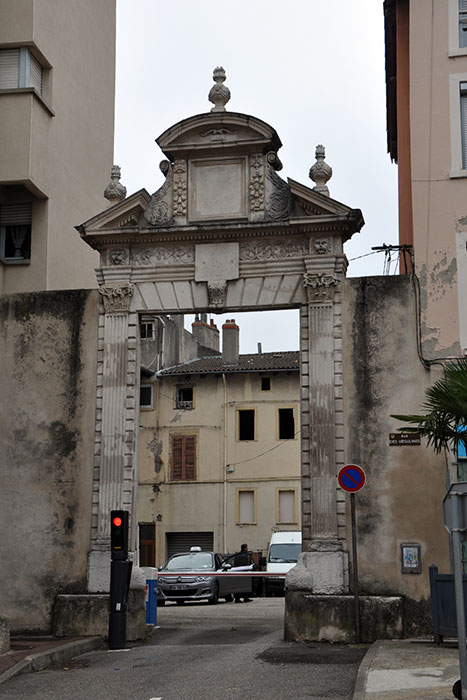
Portal

Seal of Abbess Julienne of Savoy (12th century)
Illustration from Mémoires pour servir a l'histoire de l'abbaye...
- BAUD, Anne (2023). L’abbaye des moniales bénédictines de Saint-André-le-Haut... Espaces monastiques au féminin. Marion Charlet
- BAUD, Anne i altres (2016). L’abbaye de Saint-André-le-Haut à Vienne. Origine et développement d’un monastère de moniales. Bulletin du centre d’études médiévales d’Auxerre. Hors-série n° 10
- BESSE, J.-M.; i altres (1939). Abbayes et prieurés de l'ancienne France. Vol. 9: Province ecclésiastique de Vienne. Abbaye de Ligugé
- CHARVET, Claude (1868). Mémoires pour servir a l'histoire de l'abbaye royale de St. Andre le Haut de Vienne. Lió: Scheuring
- SAINT-MAUR, Congregació de (1865). Gallia Christiana in provincias ecclesiasticas distributa. Vol. 16. París: Firmin Didot
- ZANNETTACCI, Monique (2017). Archéologie d'une abbaye de femmes: moniales à Saint-André-le-Haut du Ve au XVIIIe siècle. Vienne
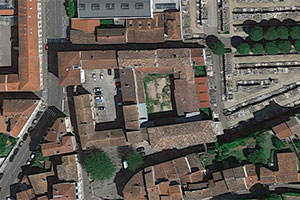
The Abbey of Saint-André-le-Haut (Vienne, Isère) stands in the upper part of the historic centre of the city, beside the cemetery