Abbey of Saint-Rambert in Bugey
S Domitiani / S Ragniberti / S Ranebertus / Saint-Rambert-de-Joux
(Saint-Rambert-en-Bugey, Ain)
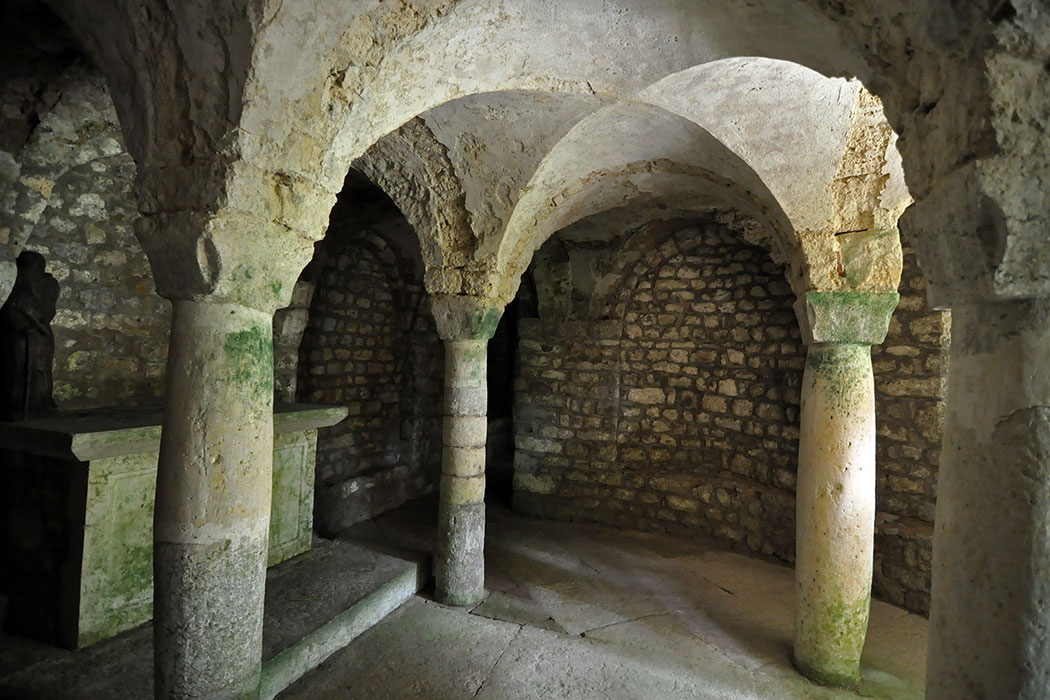
Crypt

The Abbey of Saint-Rambert in Bugey is located near the Albarine River, close to the remains of the castle of Cornillon. It is a monastery of ancient foundation and some renown; however, today only the crypt of the original abbey church survives, probably dating from the eleventh century.
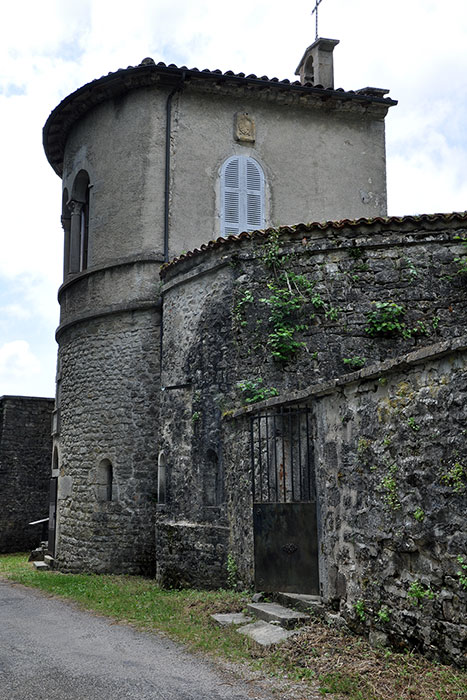
Crypt
The origins of the monastery of Saint-Rambert are uncertain. According to one tradition, it was founded in the fifth century by Saint Domitian, a figure of Roman origin who is believed to have been born around 347. He later travelled to Gaul, where he stayed at the monastery of Lérins (Alpes-Maritimes) and is said to have met Saint Honoratus (c. 370–430). He eventually settled at this site in the Bugey region, where he founded an oratory and the monastery, of which he is regarded as the first abbot, and where he died in 440.
Another tradition places the events in the seventh century. According to this account, Ragnebert (or Rambert, † 680), fleeing the persecution of Ebroin, Mayor of the Palace of Neustria, was murdered by hired killers near the monastery and buried there. Because of the miracles attributed to his tomb, he came to be venerated as a saint, and the monastery was placed under his dedication. Nevertheless, the first documented reference to this site does not appear until around the year 805, in a letter from Bishop Leidrade of Lyon († 821), which records that the abbey had been restored. Around 1080, part of the relics of Saint Rambert were transferred to Occiacum (Saint-Rambert in Forez, Loire).
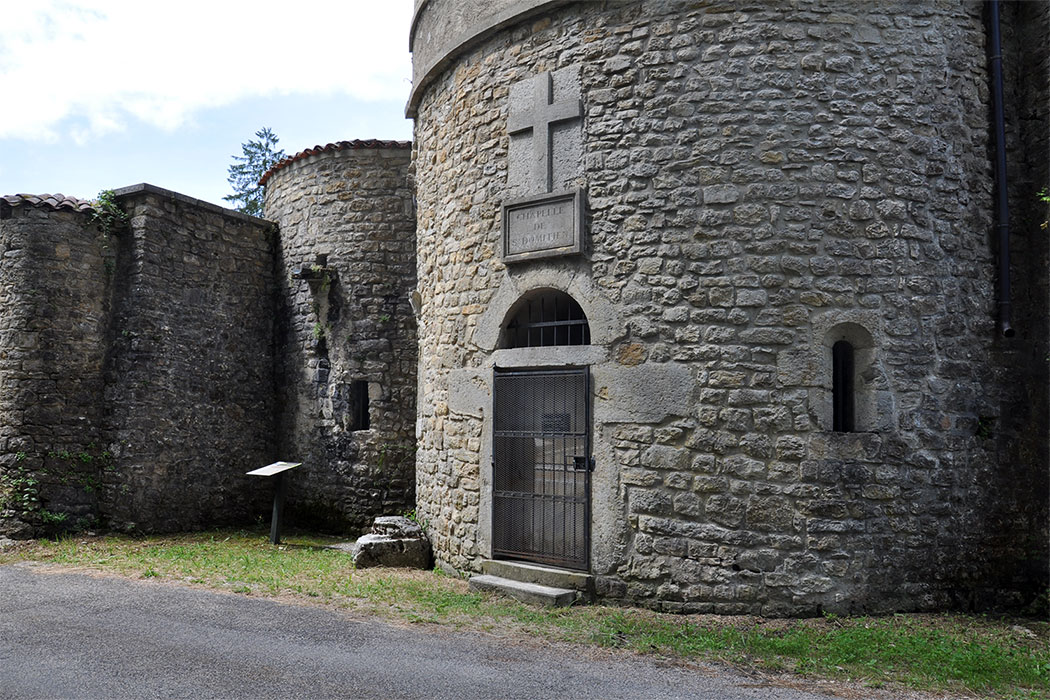
Crypt
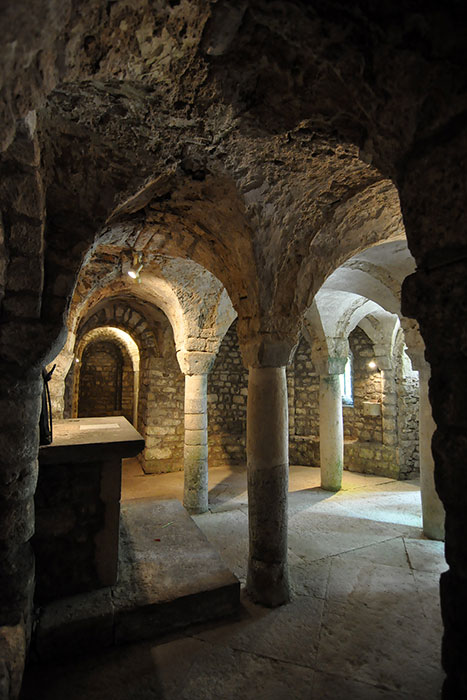
Crypt
It is also known that around 1138 the abbey came under the influence of Cluny, although this situation was short-lived, as it later regained its independence. Other scattered documents are known, including a confirmation of possessions issued by Pope Celestine III in 1191. In 1196, the abbot of Saint-Rambert placed the monastery under the protection of Count Thomas I of Savoy, in exchange for the cession of the castle of Cornillon. In the fifteenth century, during the abbacy of Louis Mareschal, major reconstruction works were undertaken. In the sixteenth century, the monastery passed to the commendatory regime. Saint-Rambert then entered a long period of decline until it was secularized in 1788; the following year, the relics of Saint Rambert were transferred to the parish church.
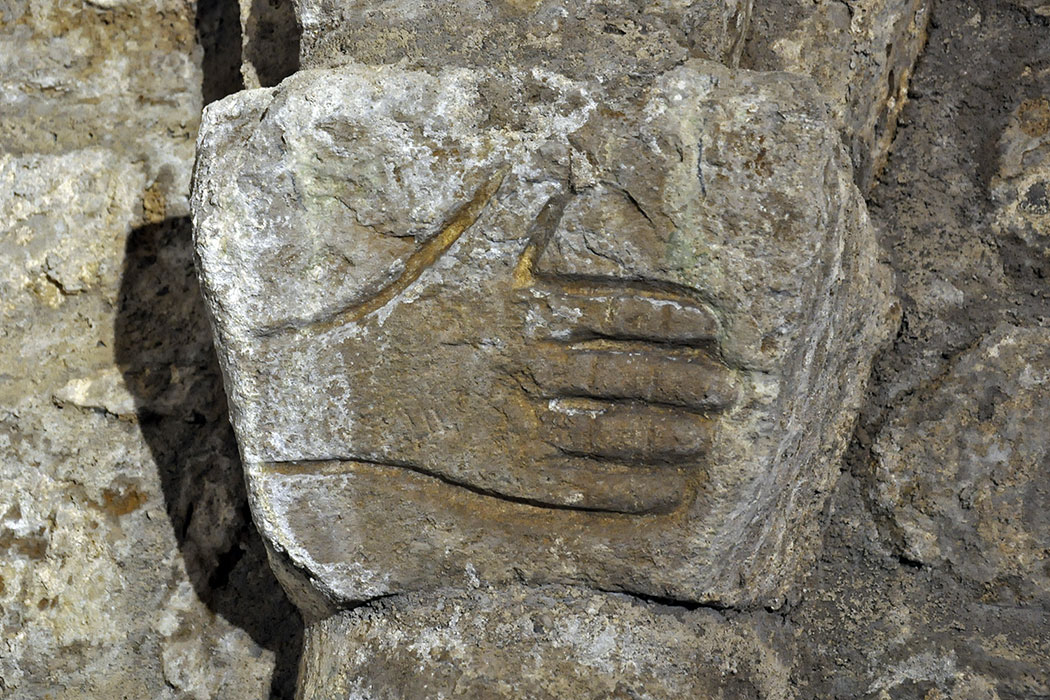
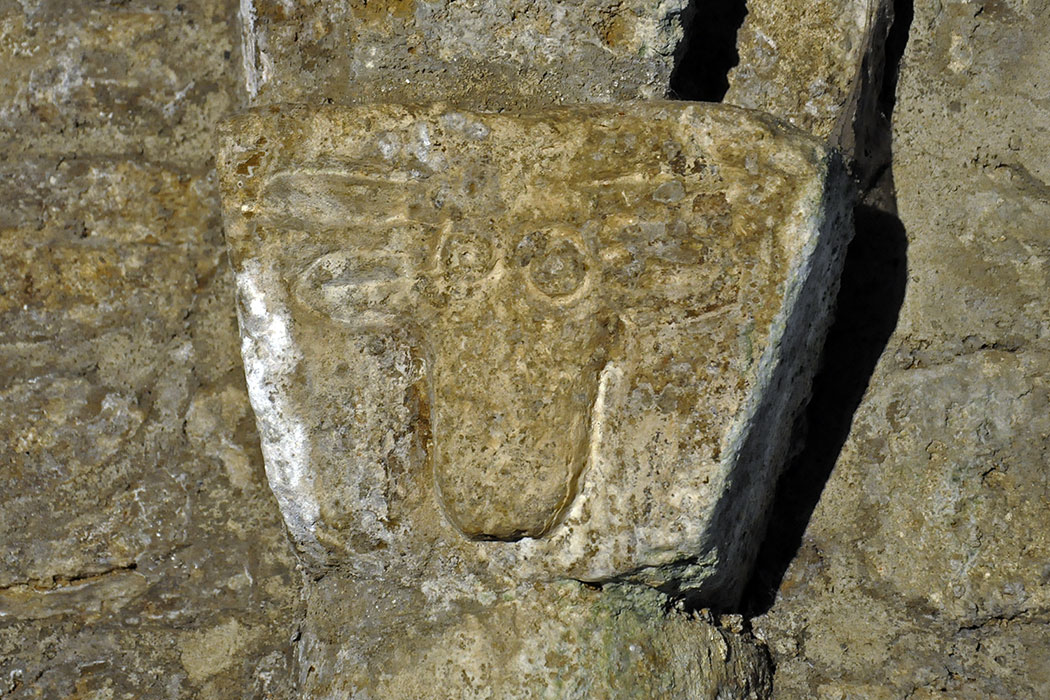
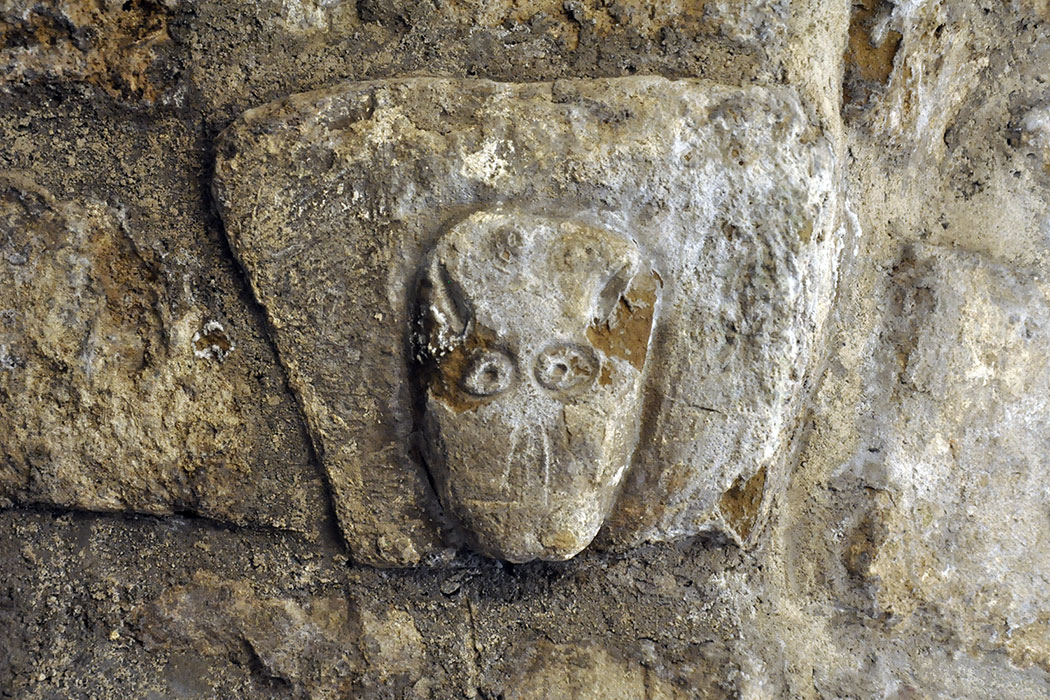
In 1793, the monastery was demolished and almost completely disappeared. All that remains is the crypt of the abbey church, dating from the eleventh century, discovered in 1838 and now known as the Chapel of Saint Domitian, along with a few scattered sculptural elements. The crypt consists of three semicircular apses, the central one larger than the lateral ones; this central apse is covered with vaults supported by four columns. On the site of the former monastery stands a later building which, since 1949, has housed a community of the Sisters of Notre-Dame-des-Missions.

Crypt

Crypt

Armorial général de France (18th century)
Bibliothèque nationale de France
Crypt
Crypt
Crypt
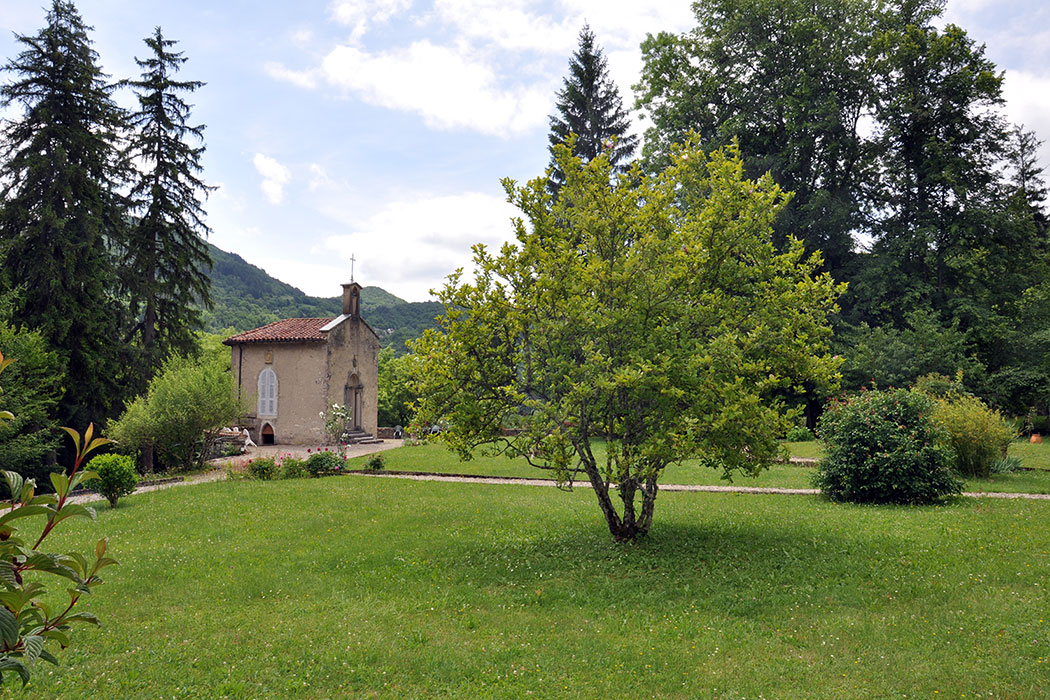
Modern chapel above the crypt
- BROSSARD, J. (1895). Saint-Rambert-en-Bugey. Annales de la Société d'émulation de l'Ain. Vol. XXVIII. Bourg
- COTTINEAU, Laurent-Henri (1939). Répertoire topo-bibliographique des abbayes et prieurés. Vol. 2. Mâcon: Protat
- DEPÉRY, Jean I. (1834). Histoire hagiologique de Belley. Vol. 1. Bourg: Bottier
- FISQUET, Honoré (1867). La France pontificale (Gallia christiana). Vol. 8. Lyon. París: E. Repos
- GUÉRIN, Paul (1888). Les Petits Bollandistes. Vies des saints. Vol. 6-7. París: Bloud et Barral
- GUIGUE, Marie-Claude (1873). Topographie historique du département de l'Ain. Bourg-en-Bresse: Gromier Ainé
- LEYMARIE, Hippolyte (1853). Notice historique et descriptive de la ville et l'abbaye se St Rambert-de-Joux. Lió: A. Vingtrinier
- LORANS, Elisabeth (1997). Saint-Rambert : un culte régional depuis l'époque mérovingienne. Revue archéologique du Centre de la France, vol. 36
- SAINT-MAUR, Congregació de (1725). Gallia Christiana in provincias ecclesiasticas distributa. Vol. 4. París: Typographia Regia
- SIGNERIN, Charles (1900). Histoire religieuse et civile de Saint-Rambert en Forez. Saint-Étienne: Theèolier
- TREFFORT, Cécile (1995). Le berceau d'un culte : Saint-Rambert-en-Bugey. Saint Rambert. Un culte régional depuis l'époque mérovingiennе. Monographie du CRA, 14. CNRS
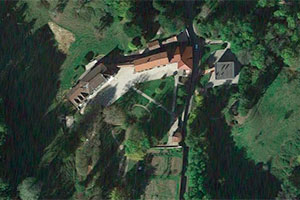
The abbey is located next to the town of Saint-Rambert-en-Bugey, to the north-east of Lyon