Priory of Saint-Rambert in Forez
Occiacum / S Ragneberti / S Ragnebertus in Foresio
(Saint-Just-Saint-Rambert, Loire)
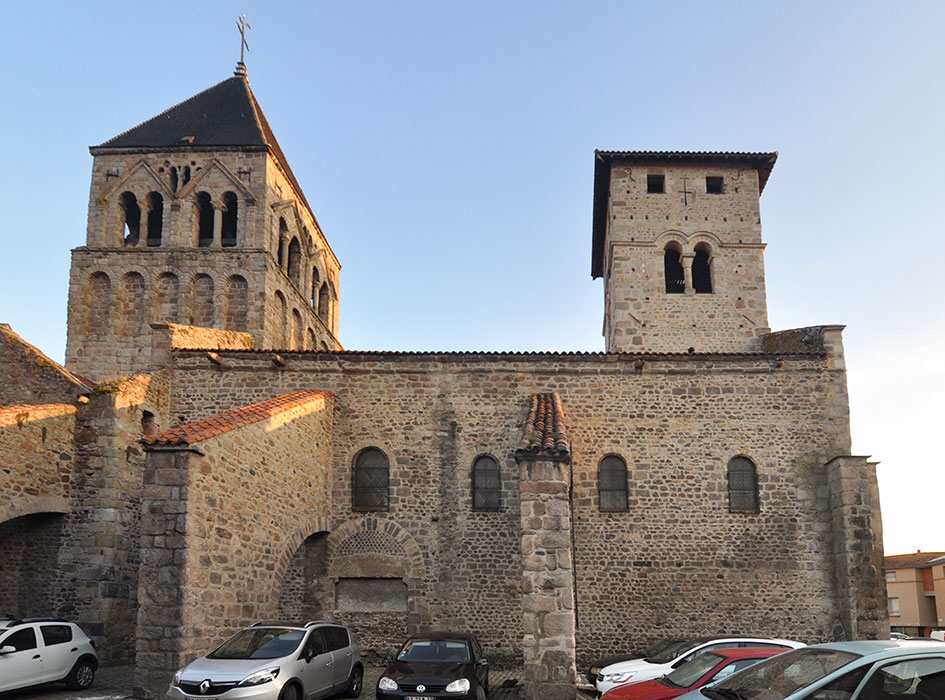

The Priory of Saint-Rambert was established on a site already occupied in Antiquity, from which various material elements were reused in the construction of the church. The first document that mentions it is the donation —or confirmation— of this place to the Abbey of l’Île-Barbe (Lyon), granted in 971 by Conrad the Peaceful († 993), where the cell of Saint-André and the chapel of Saint-Côme are listed.
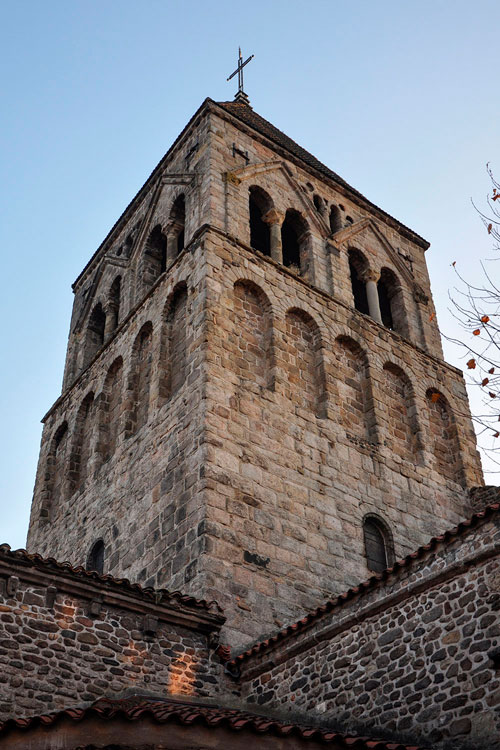
Bell tower over the transept
Signerin also states that the church of Saint-André may have been founded during the episcopate of Bishop Aregius of Lyon (603–614). In any case, the oldest part of the church —the western atrium and tower— dates from the 11th century. It is thought that around 1078, in the time of Count Guillaume de Forez († 1097), the relics of Saint Rambert († 680) were transferred here from the Abbey of Saint-Rambert de Bugey (Ain). The arrival of these relics stimulated the development of the priory, and the change of dedication from Saint-André to Saint-Rambert would have taken place at that time.
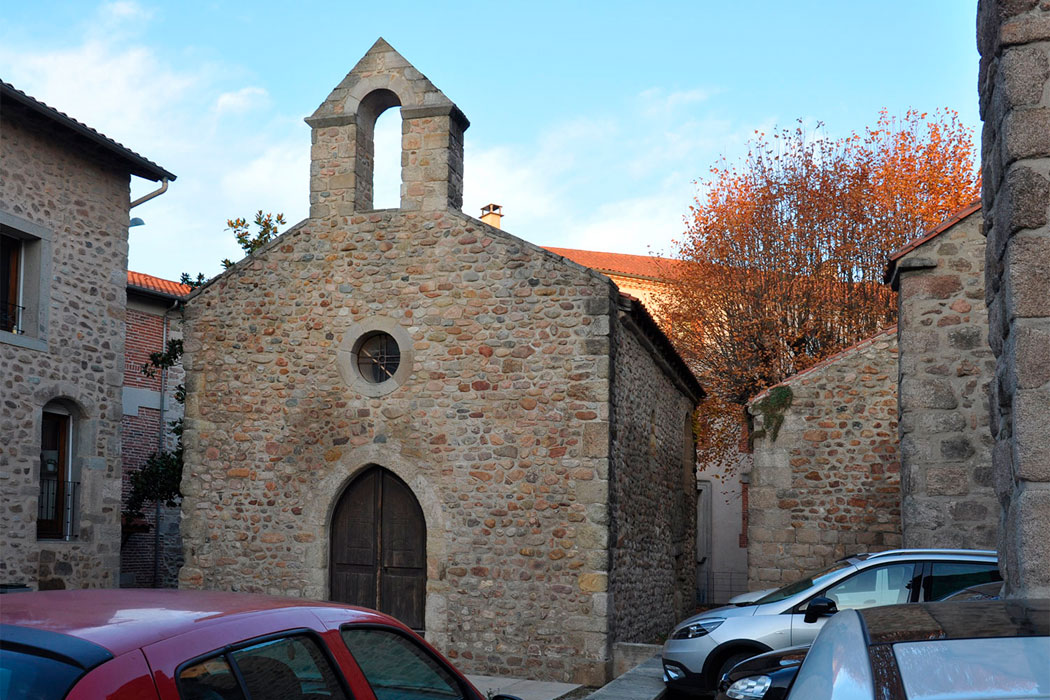
The site enjoyed a privileged location on the route linking Montbrison with the Rhône (Vienne in the Dauphiné and Lyon), which also favoured its prosperity. In the 12th century a chapel dedicated to Saint-Jean was built, probably the reconstruction of an earlier building, perhaps the church founded in the early 7th century and later converted into the parish church.
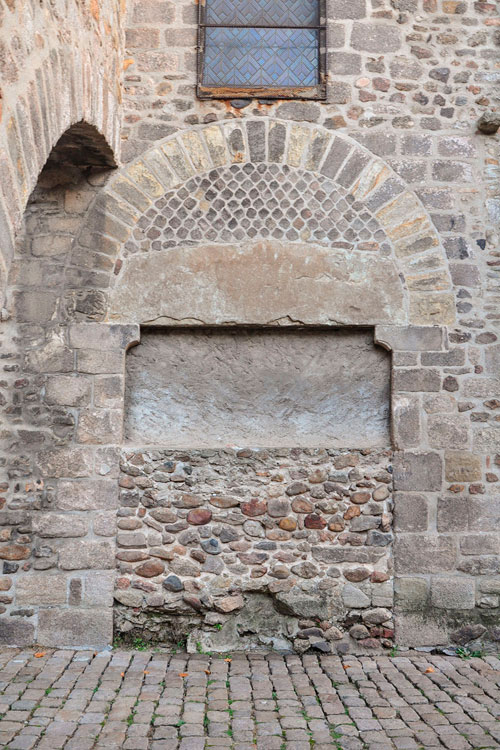
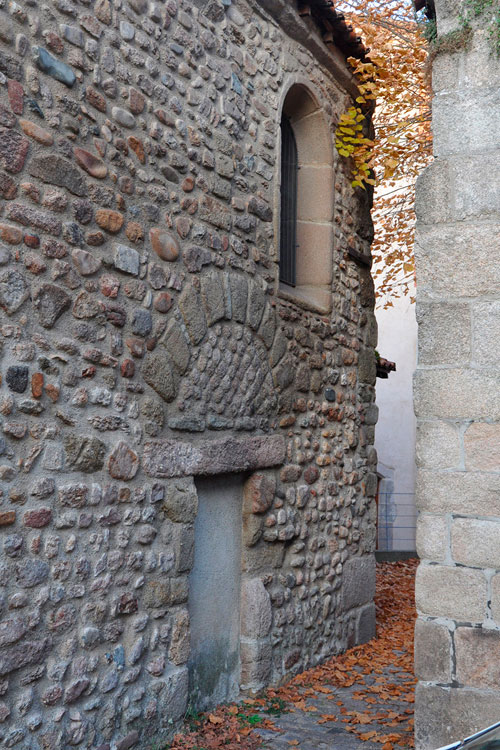
North portal
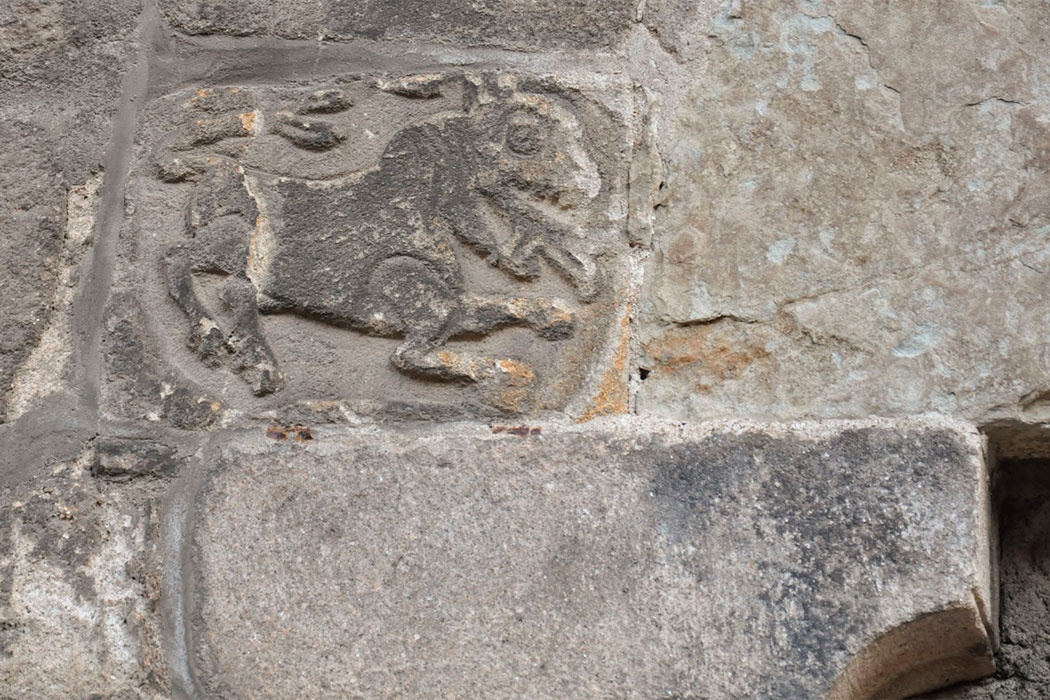
North portal
During the 13th century and the early 14th, the place was fortified with a wall that enclosed the two churches, the priory buildings, and other houses forming a small settlement. In 1388 the settlement and the priory suffered an attack, although the consequences do not appear to have been severe. In the second half of the 14th century a second, much larger wall was built. Saint-Rambert was not affected by the Wars of Religion.
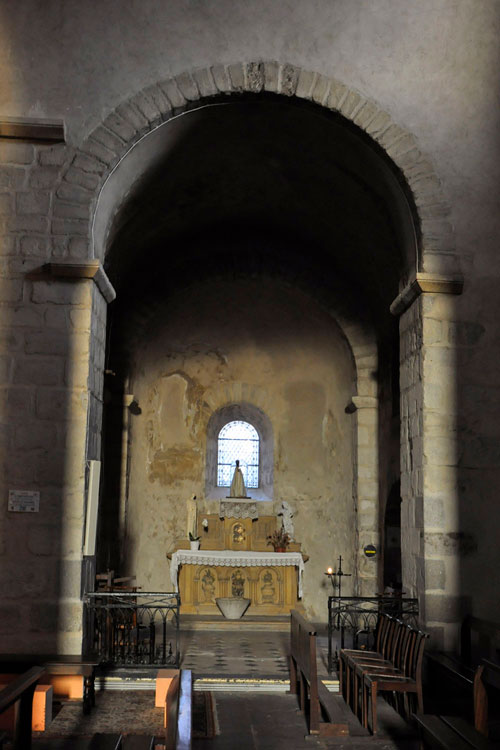
The church of Saint-André, formerly used for the priory’s own functions, is still standing. It is a three-aisled building with five bays; the first, to the west, contains a structure with a porch or entrance atrium with a bell tower. This element incorporates various ancient architectural materials reused from other buildings, along with rustic medieval capitals and decoration. The church also has a transept with three semicircular apses. It is worth noting that this transept supports a second, large bell tower. The whole retains its Romanesque character despite the alterations made over time.
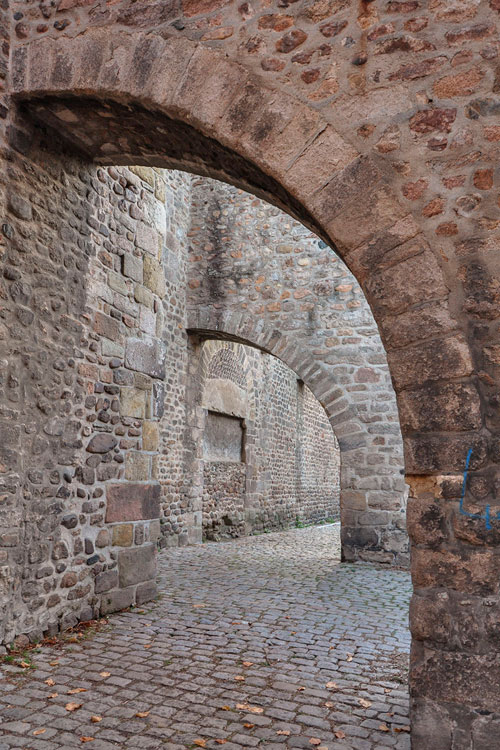
Buttresses of the north facade
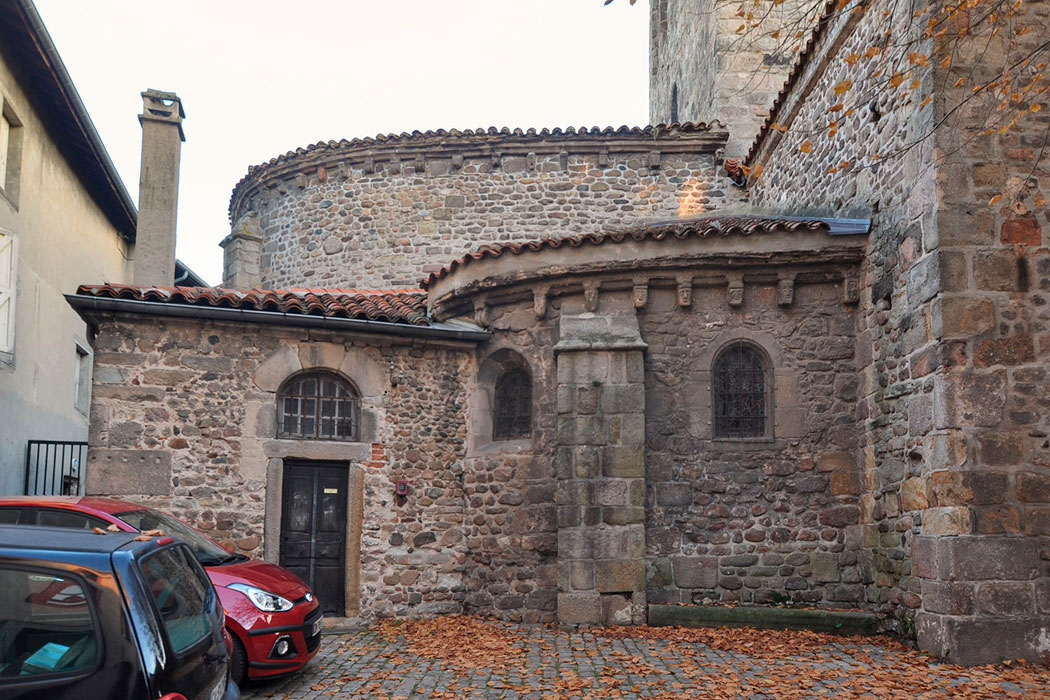
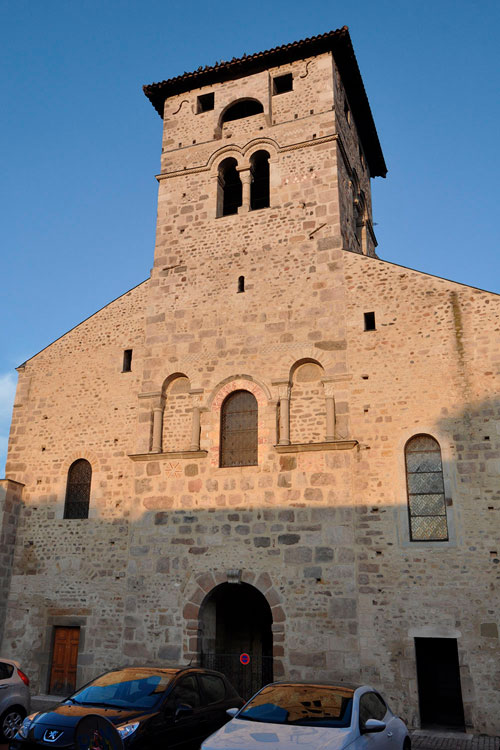
Atrium and bell tower of the west facade
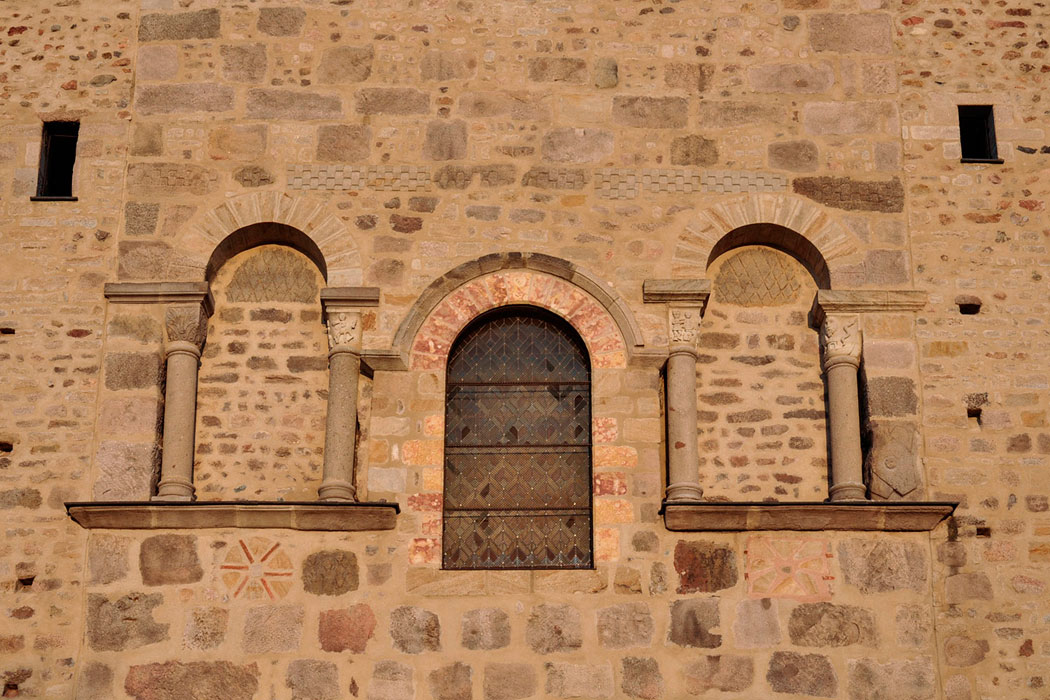
West facade
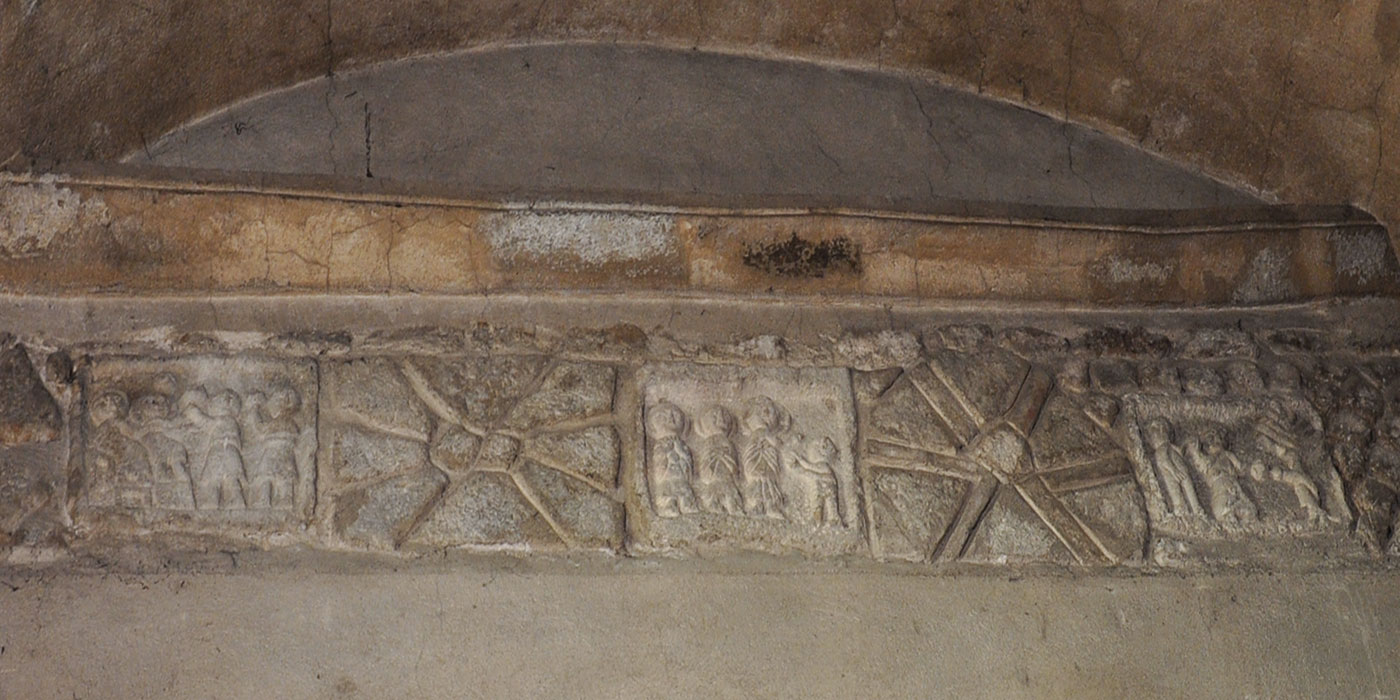
Frieze with biblical scenes, in the atrium
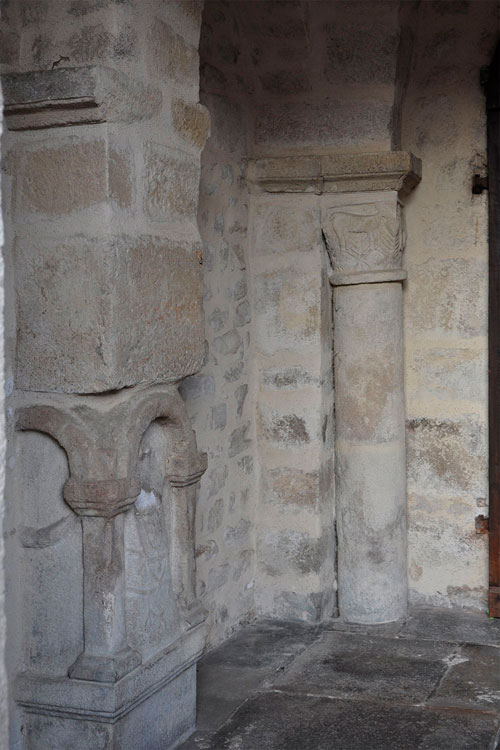
Gallo-Roman element and portal column
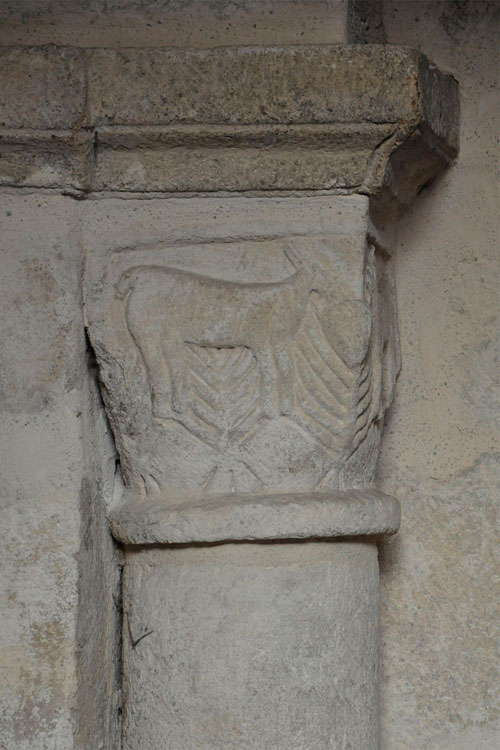
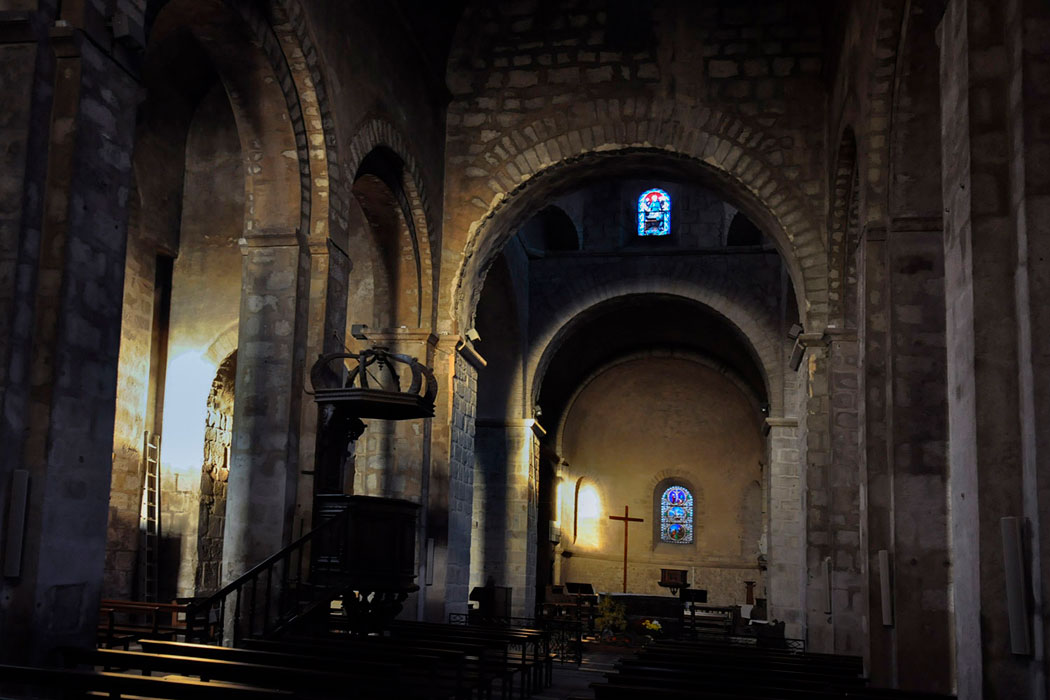
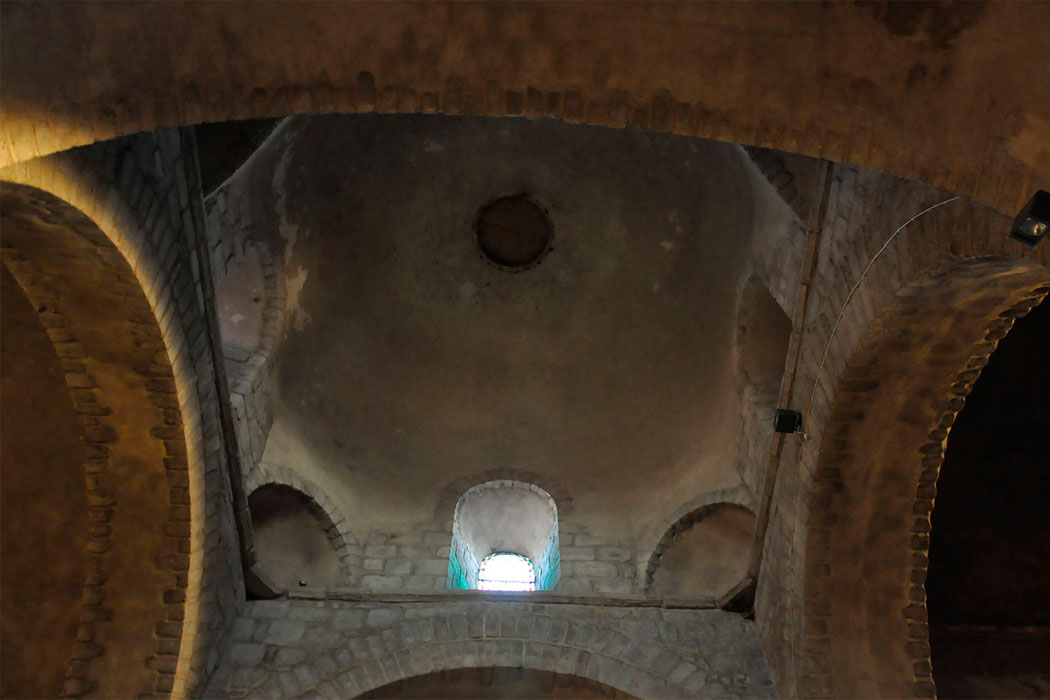
Dome of the transept bell tower
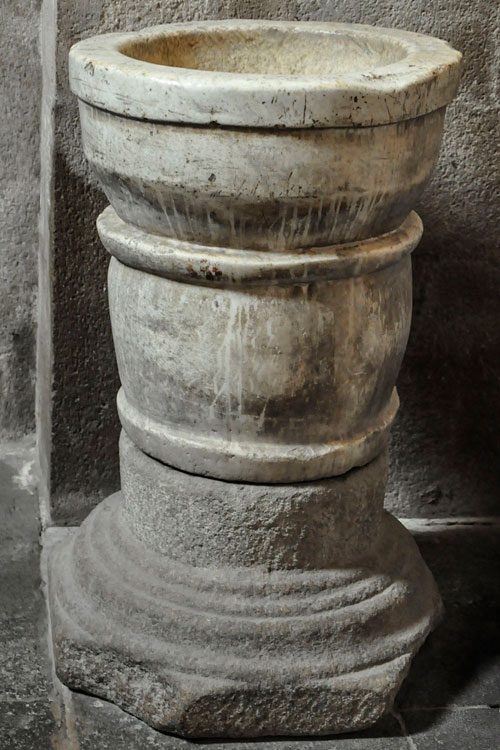
Holy water font with Roman elements
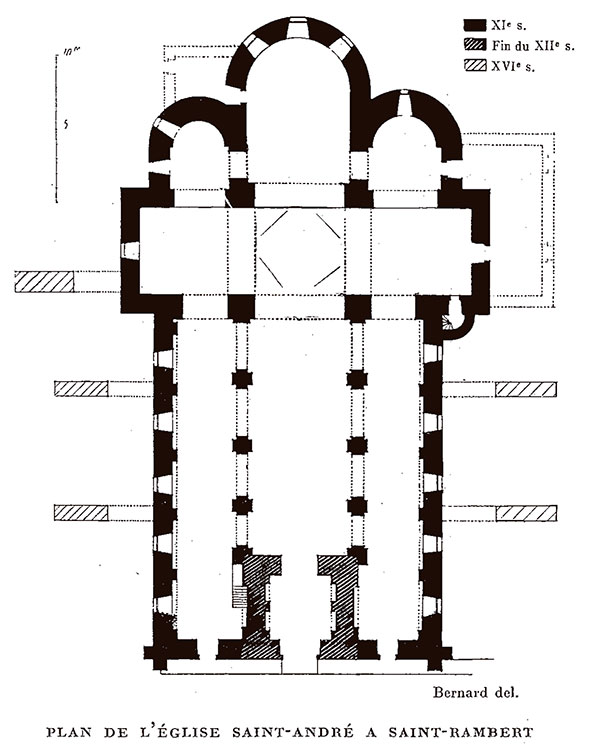
Church floor plan
Published in Saint-Rambert
(Congrès archéologique de France, 1936)
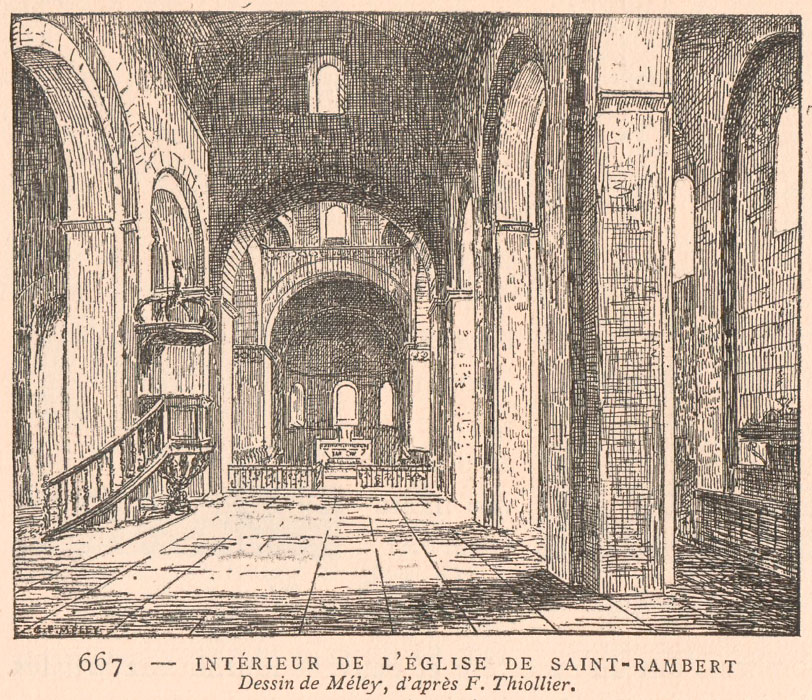
Illustration published in Le Forez pittoresque et monumental (1889)
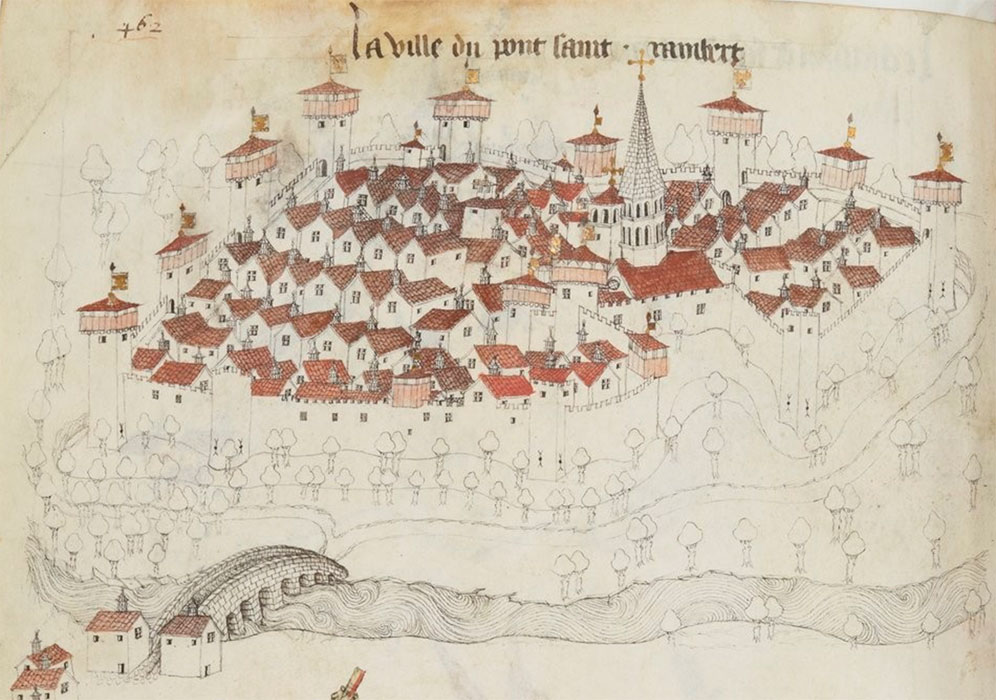
Armorial Revel (1450-1460)
Bibliothèque nationale de France
- BÉAL, Jean-Claude (2022). Les blocs antiques en réemploi dans l’église Saint-André de Saint-Just-Saint-Rambert (Loire). Revue archéologique du Centre de la France, vol. 61
- BEIGBEDER, Olivier (1962). Forez-Velay roman. La nuit des temps, 15. Zodiaque
- BEYSSAC, J. (1927). Les prieurs de Saint-Rambert-en-Forez. Bulletin de la Diana, vol. 22. Montbrison
- BRECHON, Franck; i altres (2011). Saint-Rambert-en-Forez. L’Armorial de Guillaume Revel. Alpara
- COTTINEAU, Laurent-Henri (1939). Répertoire topo-bibliographique des abbayes et prieurés. Vol. 2. Mâcon: Protat
- GUÉRIN, Paul (1888). Les Petits Bollandistes. Vies des saints. Vol. 6. París: Bloud et Barral
- MONNOYEUR-ROUSSEL, Véronique (2005). Saint-Just-Saint-Rambert (Loire). Église de Saint-Rambert. Archéologie médiévale, 35
- RANDON, Cécile (2012). Saint-Just-Saint-Rambert (Loire), rempart du prieuré. Archeodunum
- SIGNERIN, Charles (1900). Histoire religieuse et civile de Saint-Rambert en Forez. Saint-Étienne: Theèolier
- SOCIÉTÉ FRANÇAISE D'ARCHÉOLOGIE (1886). Saint-Romain-le-Puy, Sury-le-Comtal et Saint-Rambert-sur-Loire. Congrès archéologique de France, 52 ss.
- THIOLLIER, Félix (1889). Le Forez pittoresque et monumental. Lió: Waltener
- THIOLLIER, Noël; i altres (1936). Saint-Rambert. Congrès archéologique de France, 98 ss. Société française d'archéologie. París
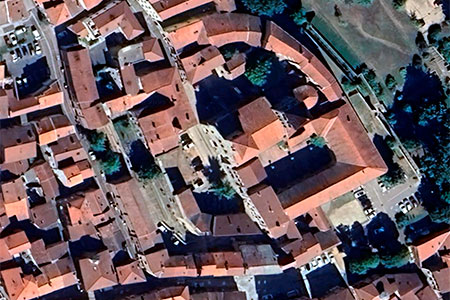
The priory now belongs to the commune of Saint-Just-Saint-Rambert, located north-west of Saint-Étienne