Cordeliers’ Convent of Charlieu
S Francisci Cariloci / Franciscans of Charlieu
(Saint-Nizier-sous-Charlieu, Loire)
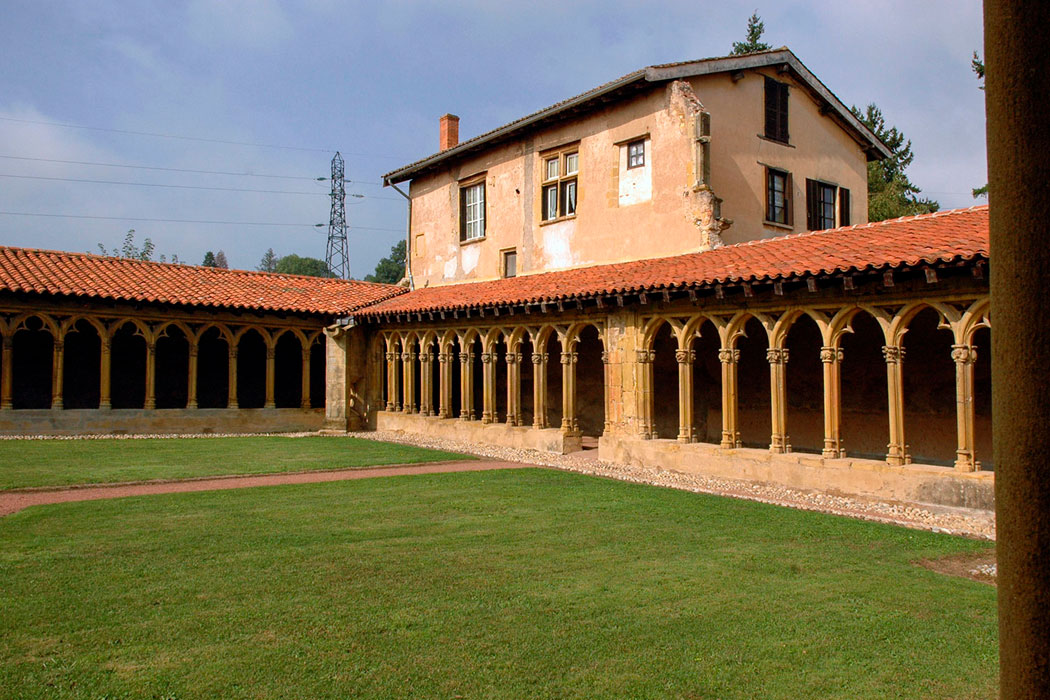

At an uncertain date, Pope Alexander IV (1254–1261) authorised the Franciscans to found a convent in Charlieu, where the Cluniac monks of the Priory of Saint-Fortunat already maintained a significant presence and influence. The Benedictines opposed the arrival of the Franciscans and led an active resistance. The conflict between the two communities resulted in the excommunication of the Benedictine representatives, as well as successive rulings both in favour of and against the new establishment.
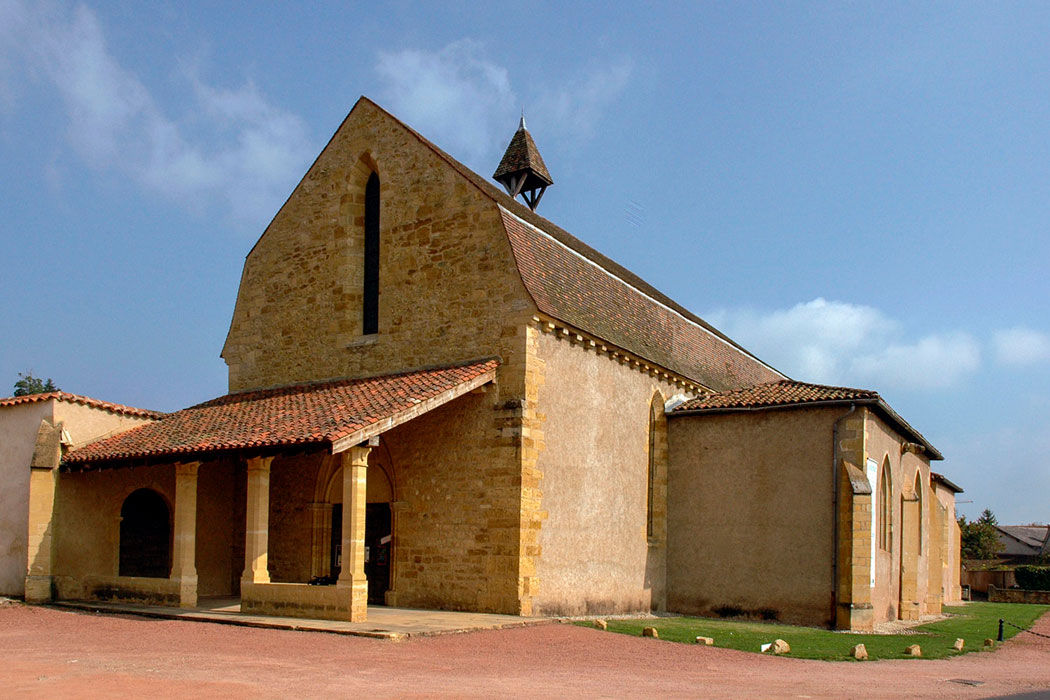
In the meantime, the Franciscans settled temporarily at Avaize, a remote site east of Charlieu, which hindered their pastoral activity, as it required proximity to the population. It was not until 1280 that an agreement was reached between the two institutions, allowing the Franciscans to establish themselves definitively in the neighbouring parish of Saint-Nizier-sous-Charlieu. It has been suggested that the material promoter of the project was Jean Mareschal, which would explain why, by the end of the century, the new convent was already completed. Few records survive concerning this house; it is believed that in 1362 it was almost entirely destroyed during the Hundred Years’ War, as it could not be defended due to its location, far from the town’s fortifications.
Reconstruction began shortly afterwards. Although precise data are lacking, the convent had already been rebuilt by the late fourteenth century thanks to financial support provided, among others, by Hugues de Châtelus —lord of Châteaumorand (†1409)—, whose contribution was decisive for the structures that still survive. In 1562 the convent suffered once again during the Wars of Religion: the archives, already damaged in 1362, burned a second time. Furthermore, this house avoided the Observant reform and remained Conventual until the Revolution (1792), when it was in a state of marked decline and on the verge of disappearing.
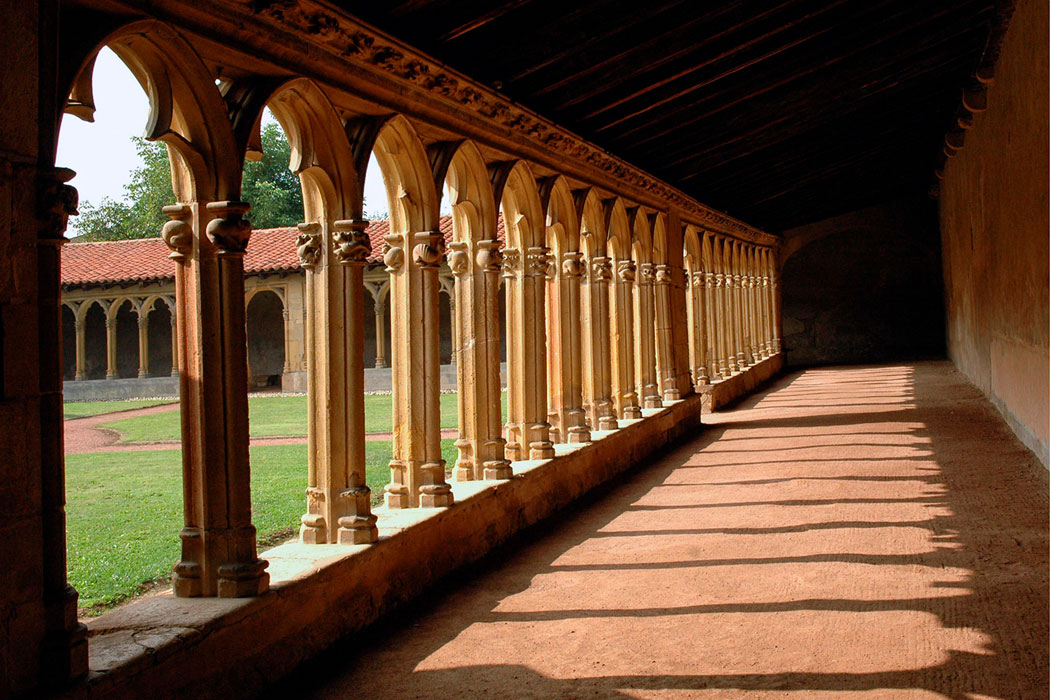
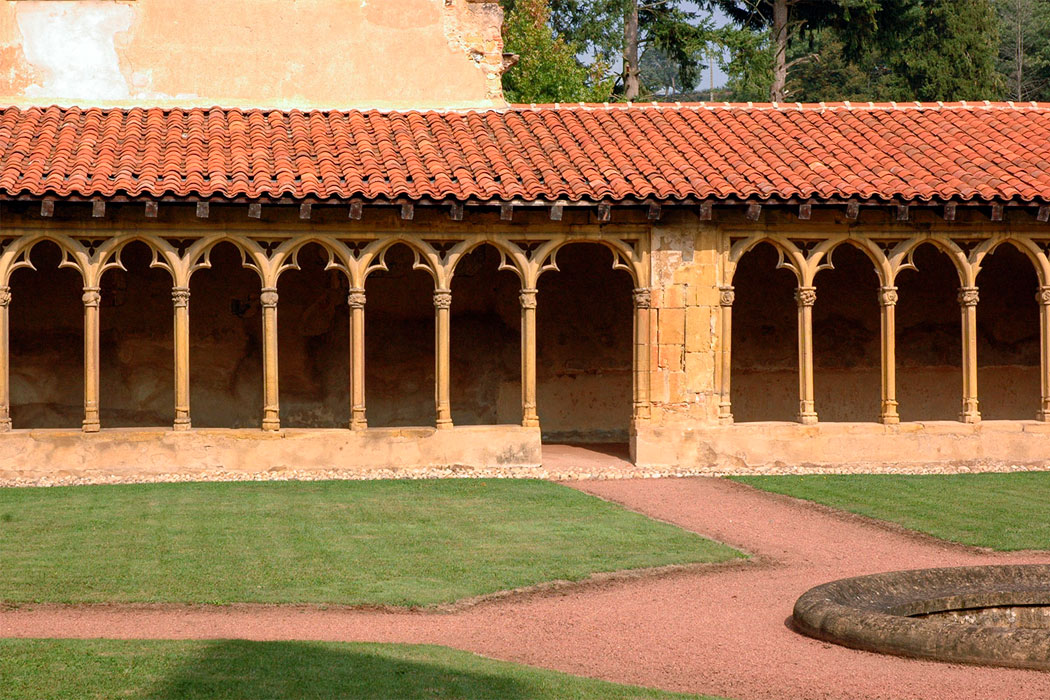
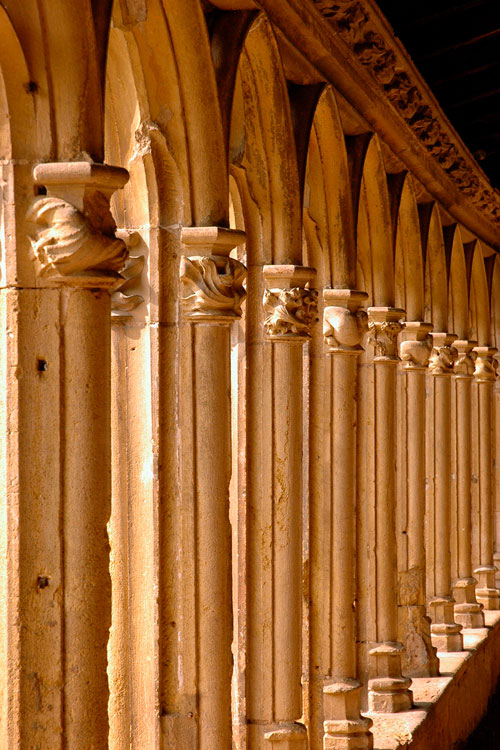
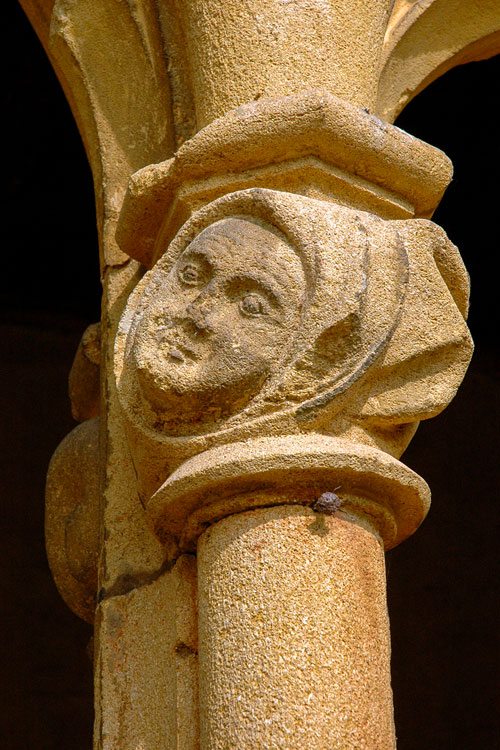
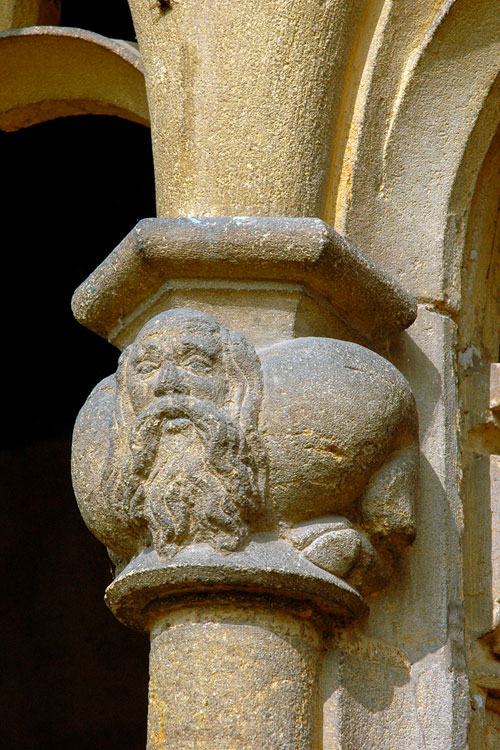
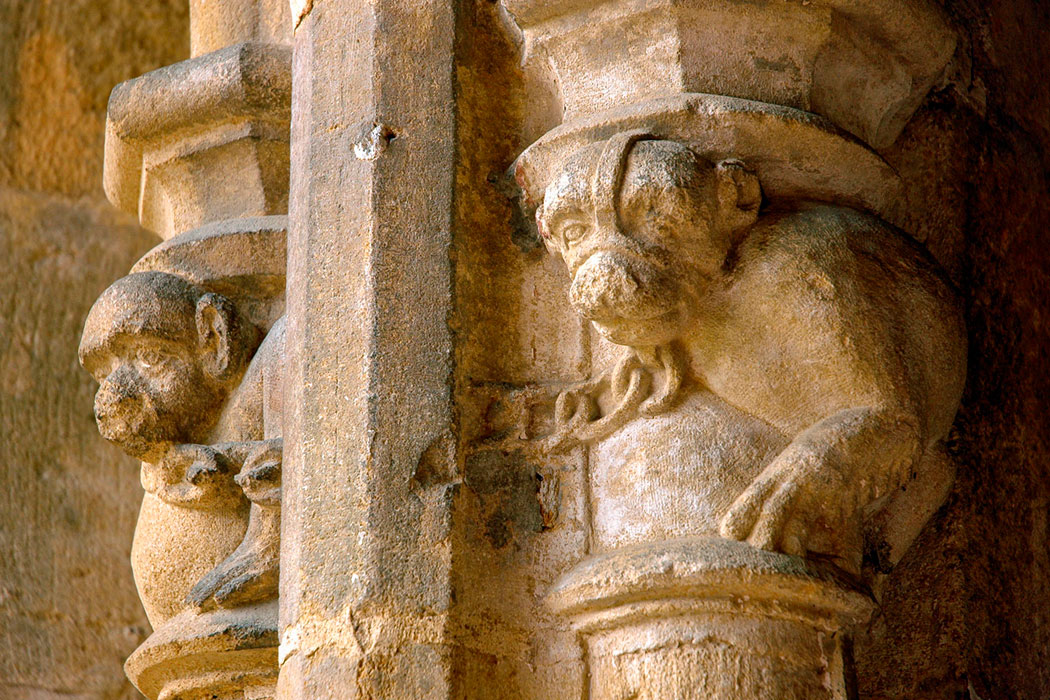
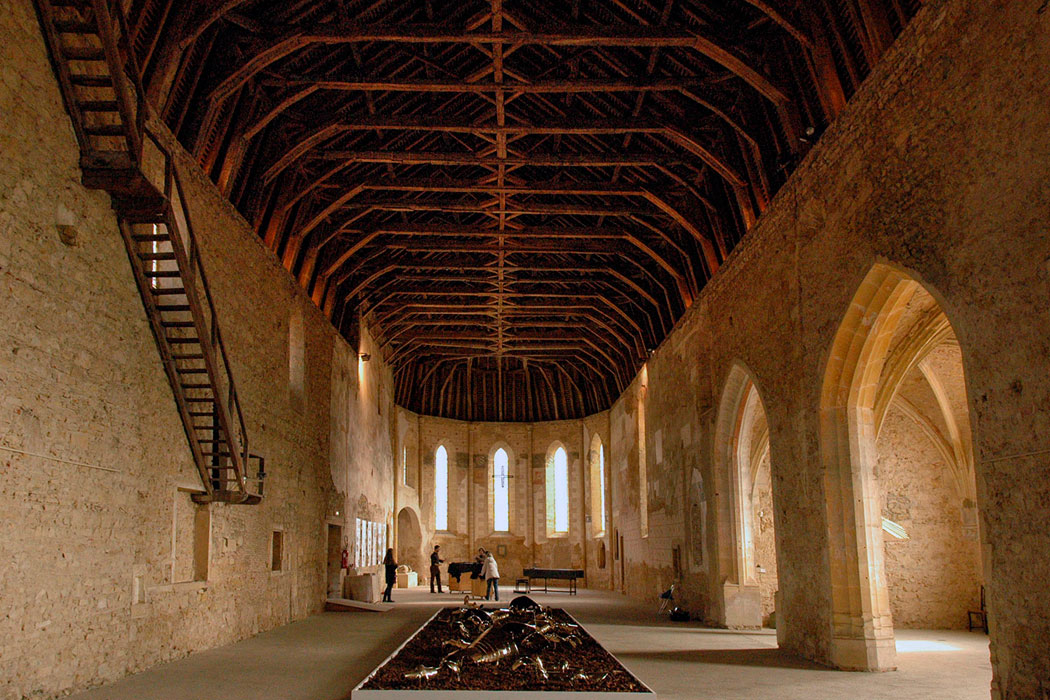
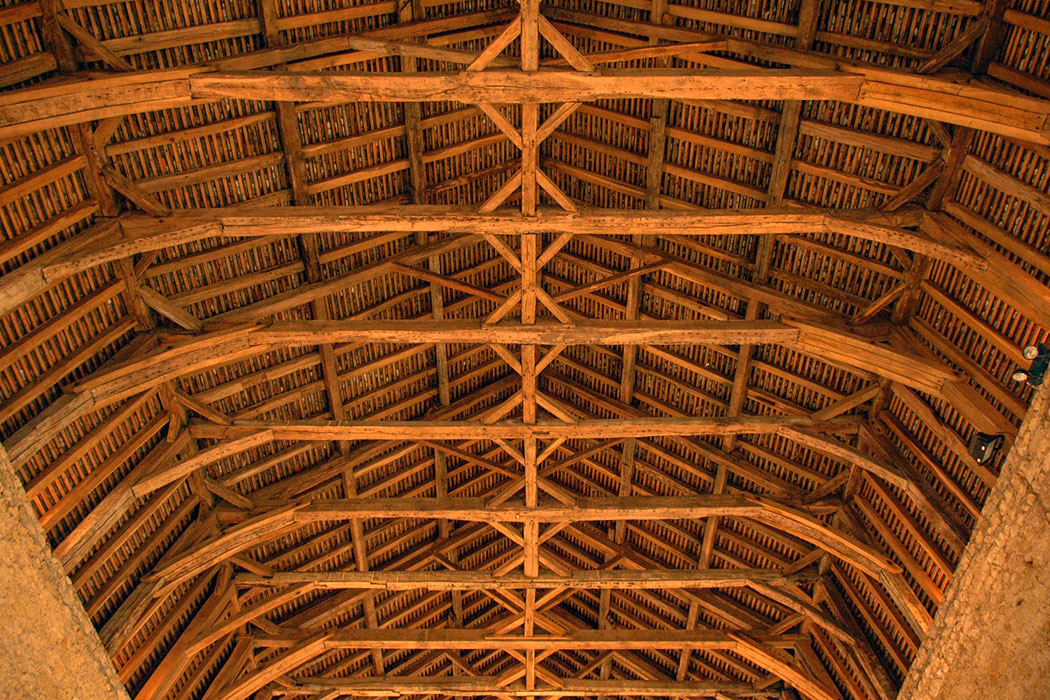
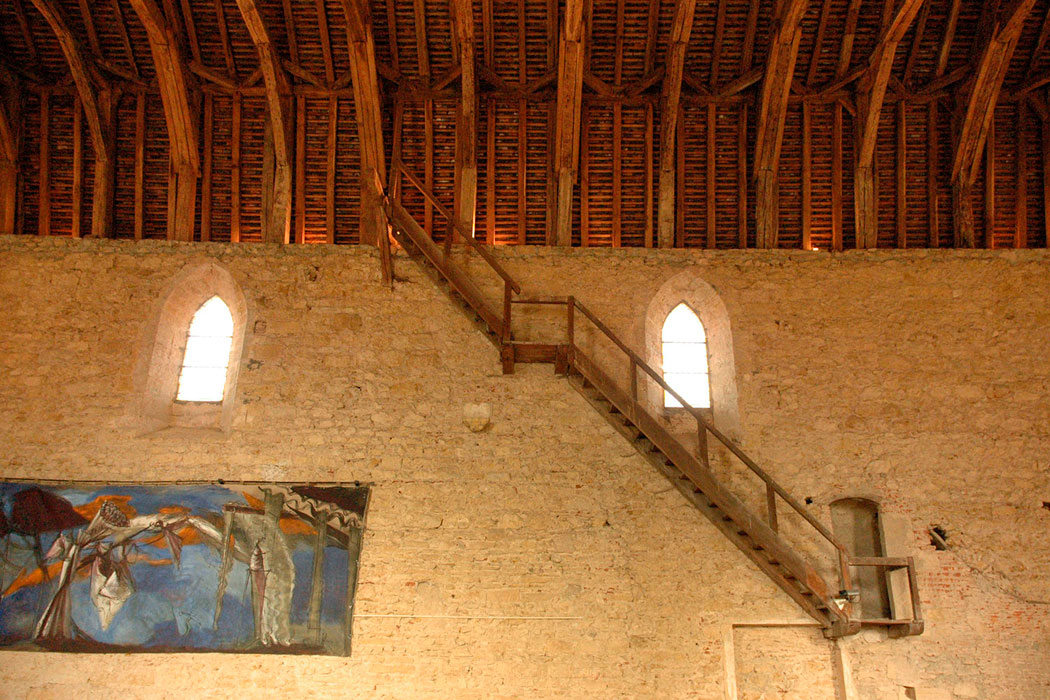
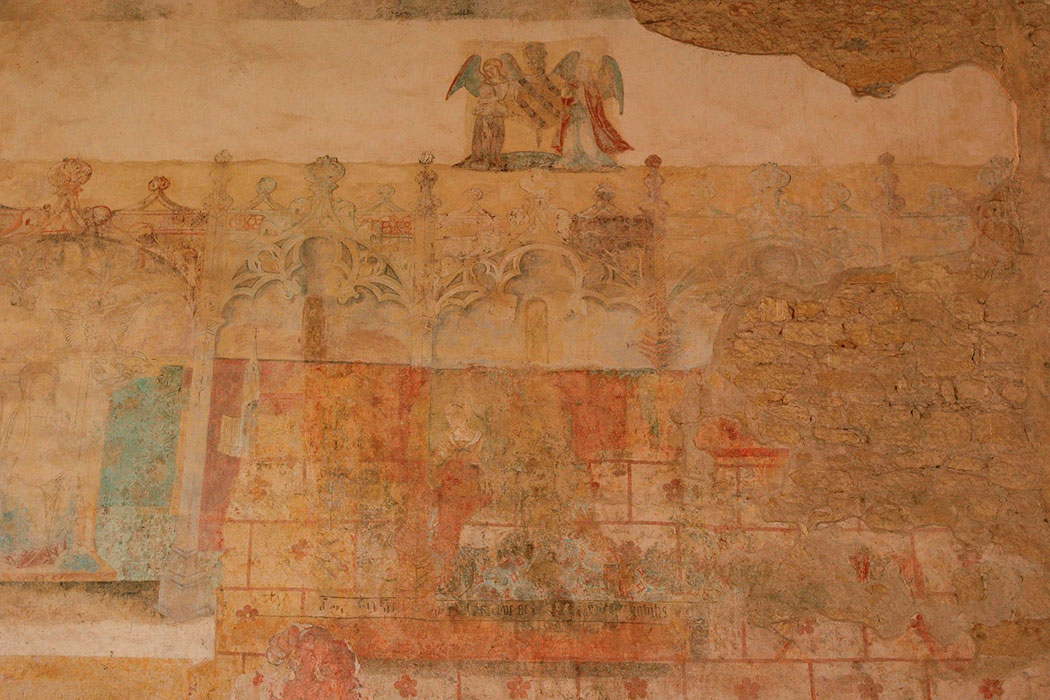
Exceptionally, important parts of the complex have been preserved. In 1911, at the last moment, the demolition of the cloister —which had already been sold— was prevented, and it still stands today. The church has also survived; it consists of a single nave and follows the usual layout of medieval mendicant churches, with a timber roof and walls that still show traces of mural decoration. The tomb of Hugues de Châtelus and his wife, Guillemette de Sennecey —benefactors involved in the fifteenth-century reconstruction— is likewise preserved.
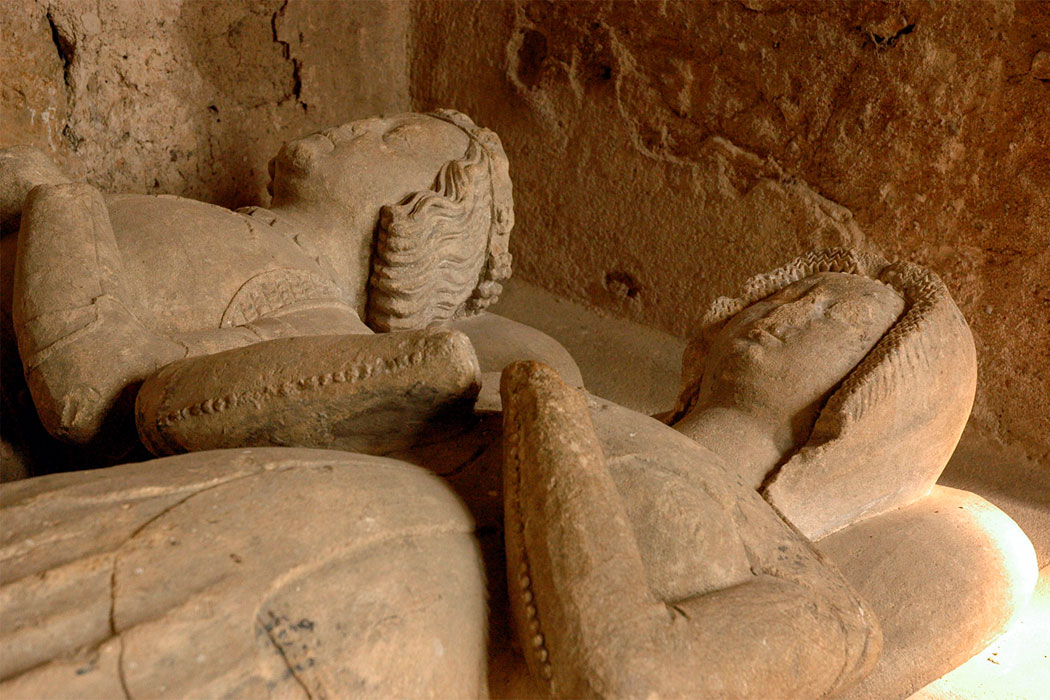
Tomb of Hugues de Châtelus and Guillemette de Sennecey
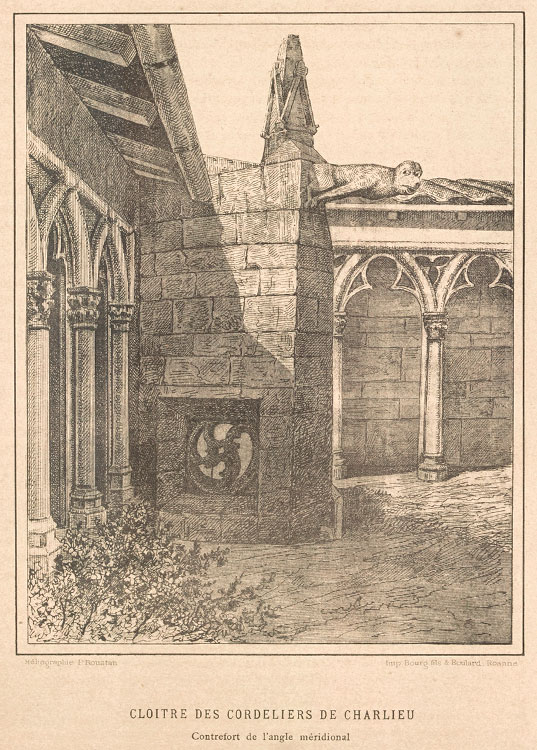
Illustration from Le Roannais illustré (1884)
- ARBAT, Dr. (1911). Le monastère des Cordeliers of Charlieu. Bulletin de la Diana. Montbrison
- DESEVELINGES, J.-B. (1856). Histoire de la ville de Charlieu : depuis son origine jusqu'en 1789. Roanne: Durand
- DURAND, Vincent (1892). Abrégé de l'histoire de Charlieu. Montbrison: Brassart
- JACQUES, Joseph (1912). Excursion archéologique de la Société de la Diana à Charlieu, les Cordeliers. Bulletin de la Diana. Montbrison
- JEANNEZ, Édouard (1884). Le couvent des Cordeliers of Charlieu. Le Roannais illustré. Roanne
- LEMAÎTRE, Henry (1927). Géographie historique des établissements de l'ordre de Saint François en Bourgogne du XIII au XIX siècle. Revue d’histoire franciscaine. Vol. IV. París: Vrin
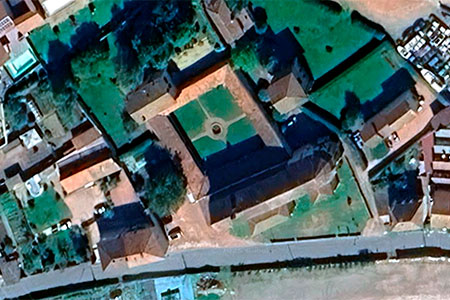
The Franciscan convent belongs to the commune of Saint-Nizier-sous-Charlieu, adjacent to Charlieu, in the northern part of the Loire department