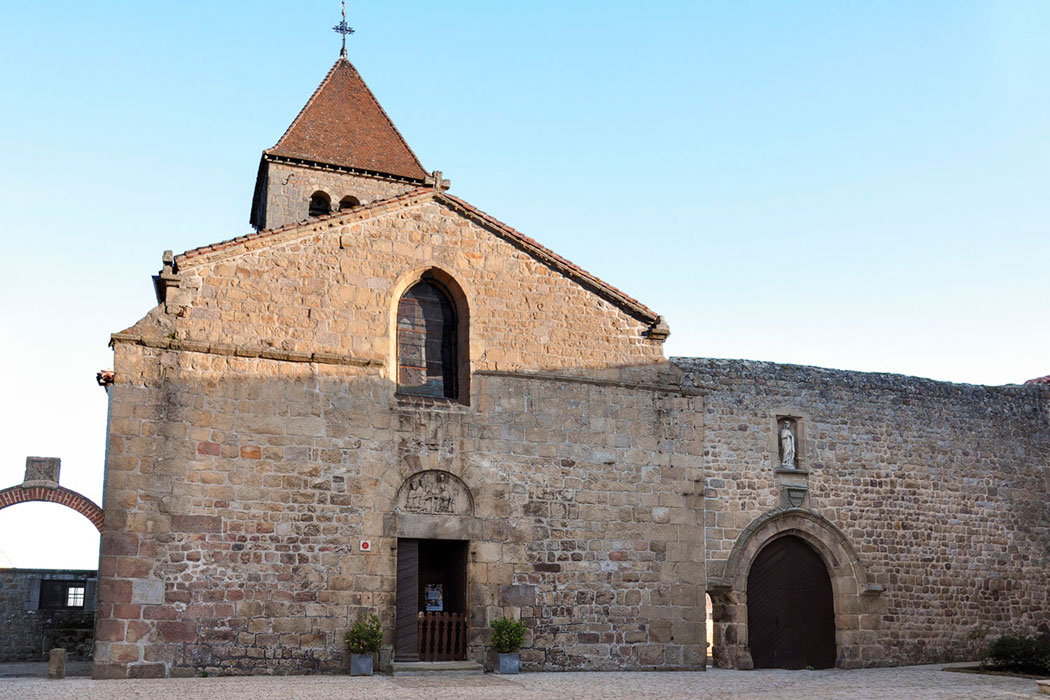

No documentation has survived from the earliest period of this Cluniac priory, although the construction of its Romanesque church can be dated to the 11th–12th centuries. It is known, however, that in 1061 Count Artaud IV of Forez donated the village of Rozier, together with Aurec, to the Piedmontese abbey of San Michele della Chiusa.
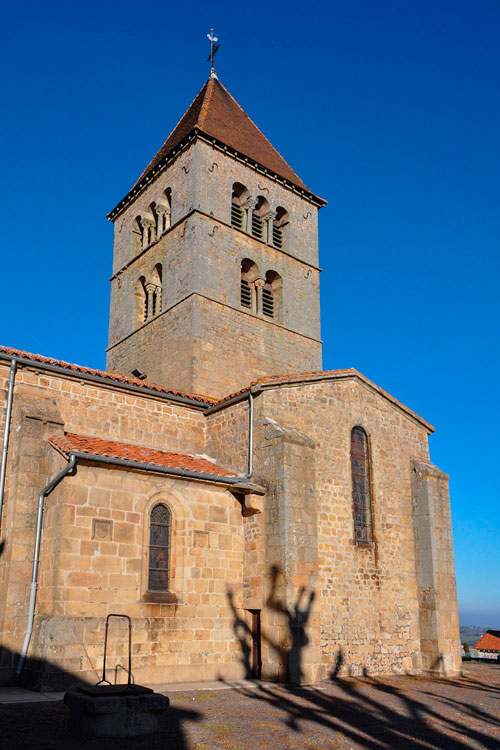
Nonetheless, Saint-Bonnet-le-Château retained interests in this territory, and certain rights — including the right of chevauchée (a feudal obligation requiring mounted military service) and jurisdiction — had been shared between this priory and the local lordship of Saint-Bonnet. During the second half of the 13th century, relations between Cluny Abbey (Saône-et-Loire) and Rozier are documented. Several visitations took place, pointing to a modest priory but generally in a satisfactory condition. A visitation carried out in 1281 confirms the proper state of the house, while also noting ongoing disputes with Saint-Bonnet.
Among the priors who headed the community was Pierre Bertrand de Colombier (1299–1361), founder of the monastery of Notre-Dame de Colombier (Ardèche), mentioned at Rozier in 1357. In the 15th century, both the priory and its small adjoining village were fortified. In 1493, under the priorate of Faucon de Bouthéon, two side chapels were added to the church; the south one was financed by the prior himself. The image of the Virgin of the Pietà, still preserved today, also dates from this period.
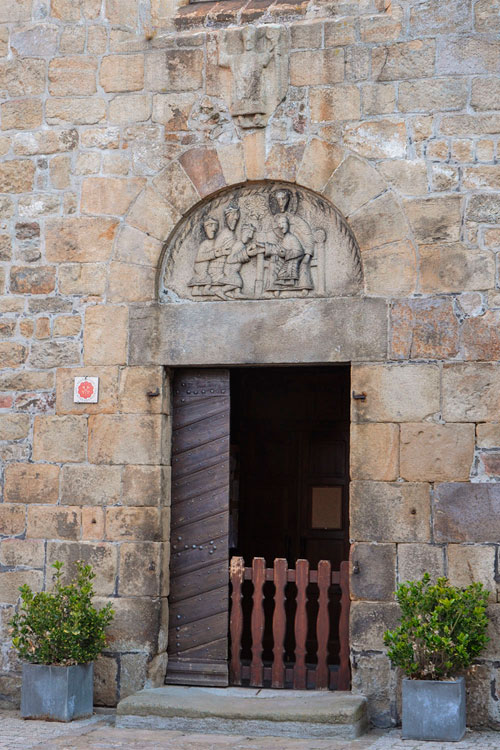
Church portal
At the end of the 16th century and the beginning of the next, Rozier endured the consequences of the Wars of Religion: the village and the priory were occupied by the Calvinists. The last prior, Marc-Antoine Gaiffier (1597–1630), came from the abbey of Saint-Martin d’Ainay (Lyon) and was strongly sympathetic to the Carthusian Order. He attempted to transform the priory into a Carthusian monastery, but due to the place’s poor physical and economic condition, he only transferred its lordship and revenues. These were granted to the Carthusian monastery of Lyon, which administered the site from 1630 until the Revolution in 1791.
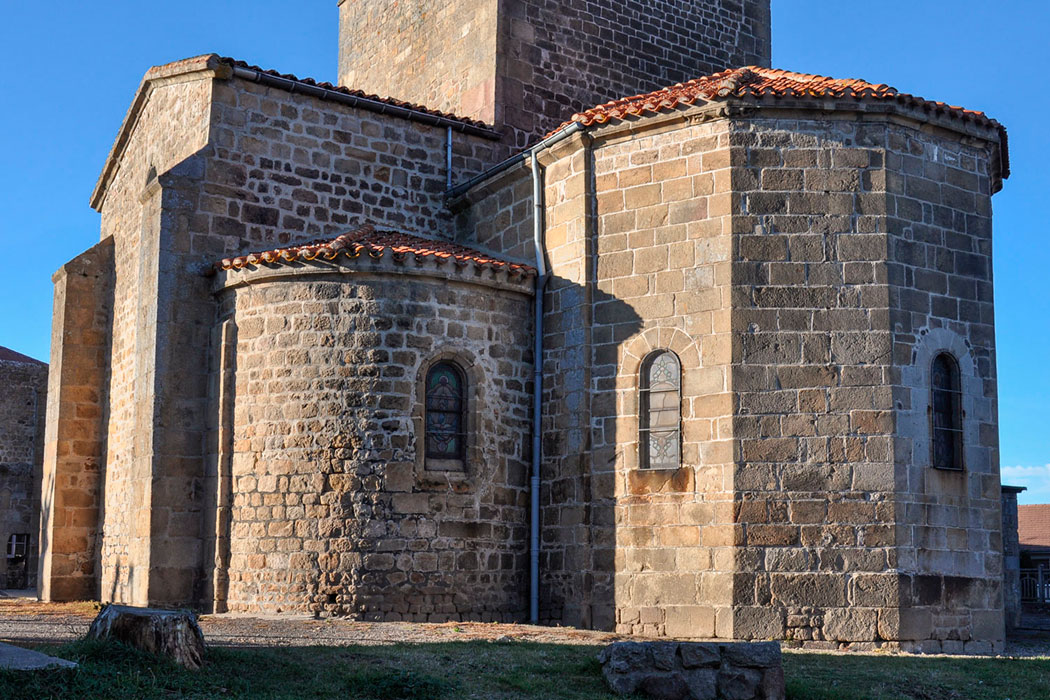
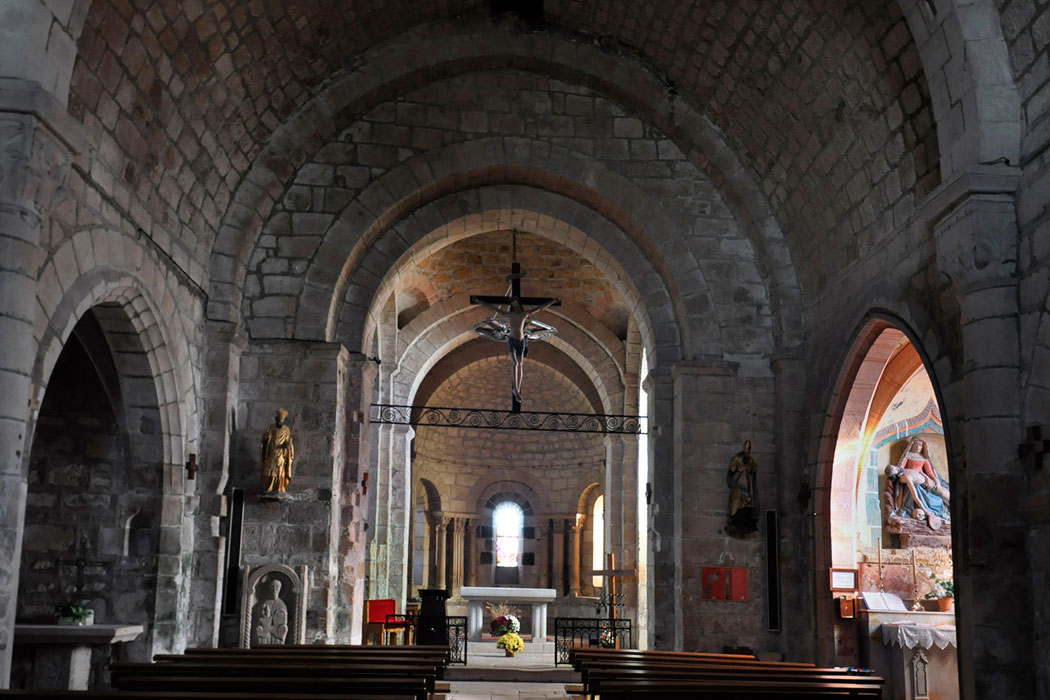
The Romanesque church is still standing, although altered and restored in the 19th and 20th centuries. The former priory buildings, erected in the 16th century and modified several times —including during the Carthusian administration— survive only in part. The church has a single nave of three bays, with a transept and three apses, and includes the chapels added in the late 15th century. Its sculptural decoration is noteworthy, especially the interior capitals and the portal tympanum depicting the Adoration of the Magi.
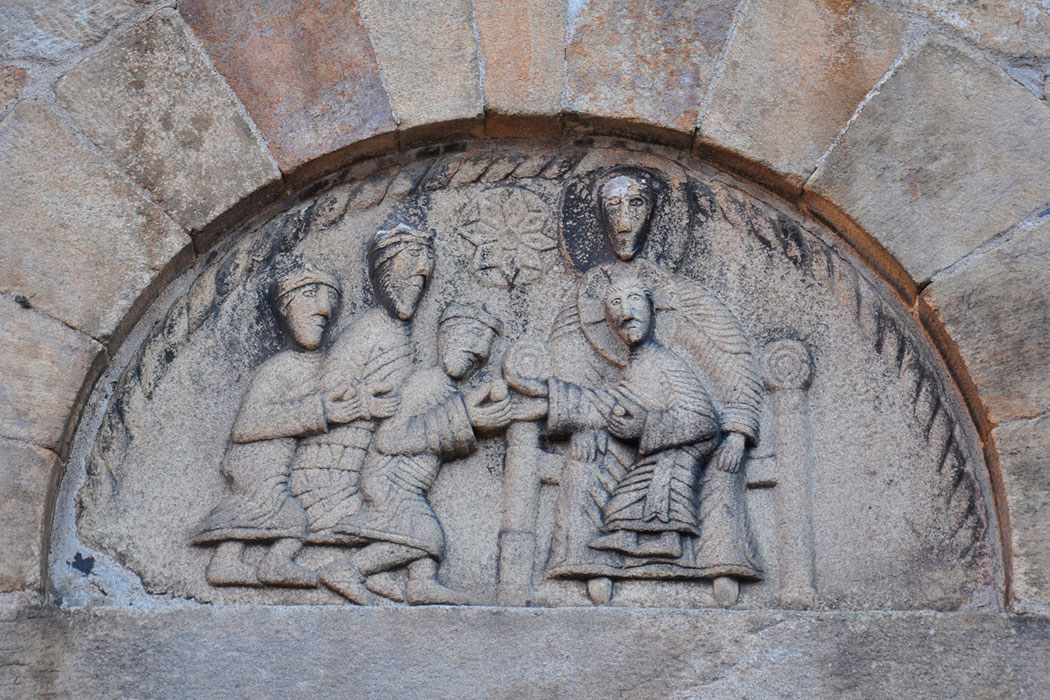
Tympanum, with the Adoration of the Magi
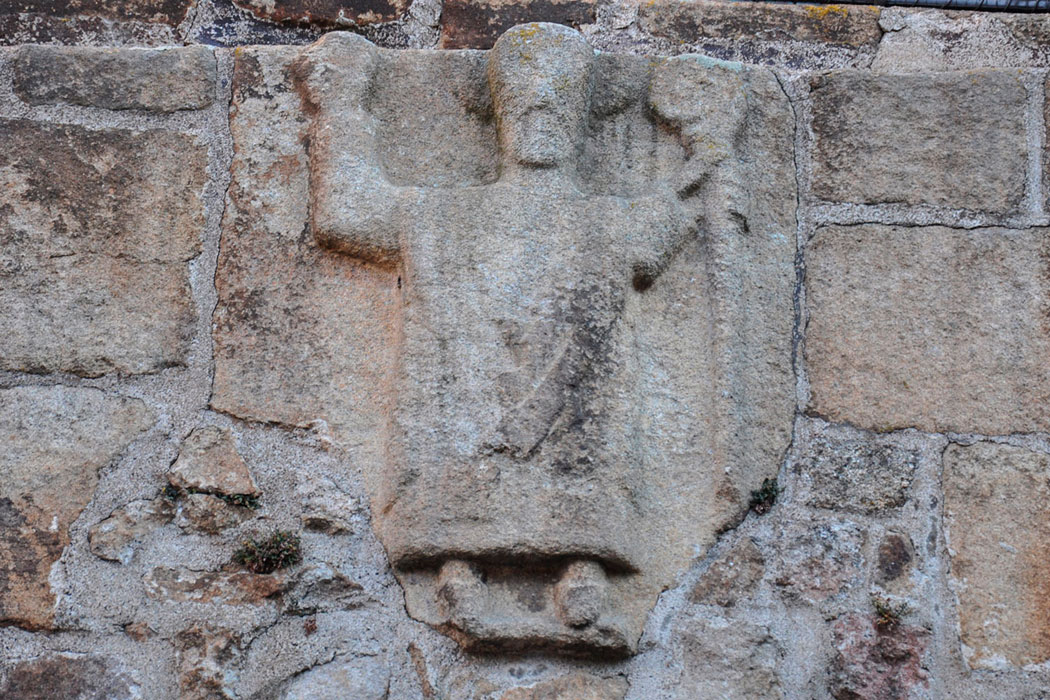
Saint Blaise, patron saint of the church
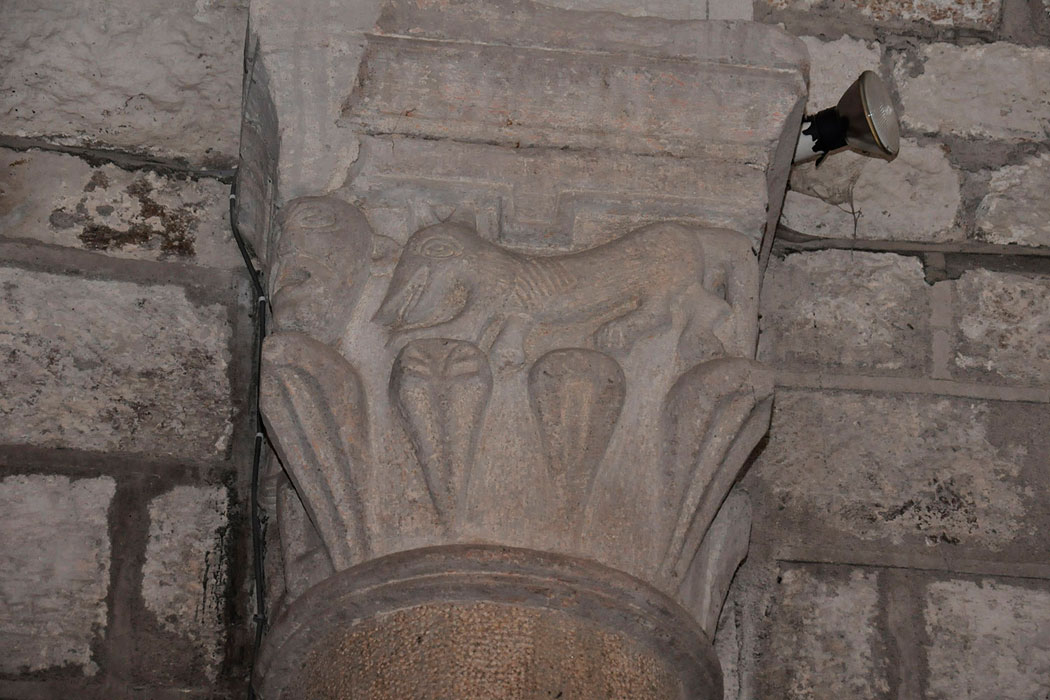
Dog, part of an episode of Job
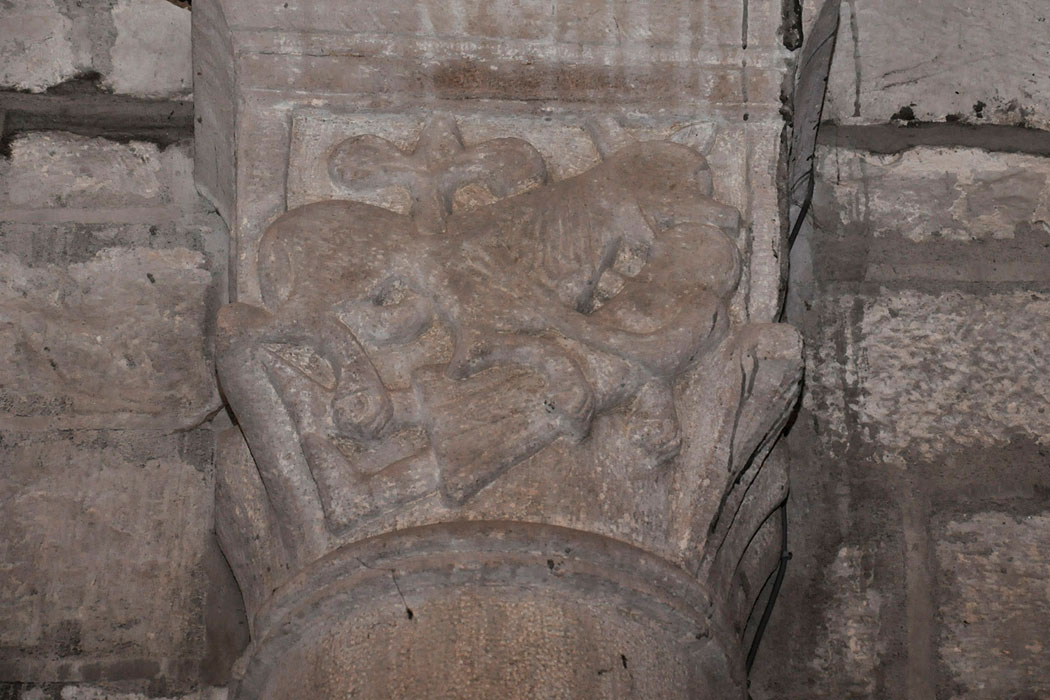
Man fighting a lion. Samson?
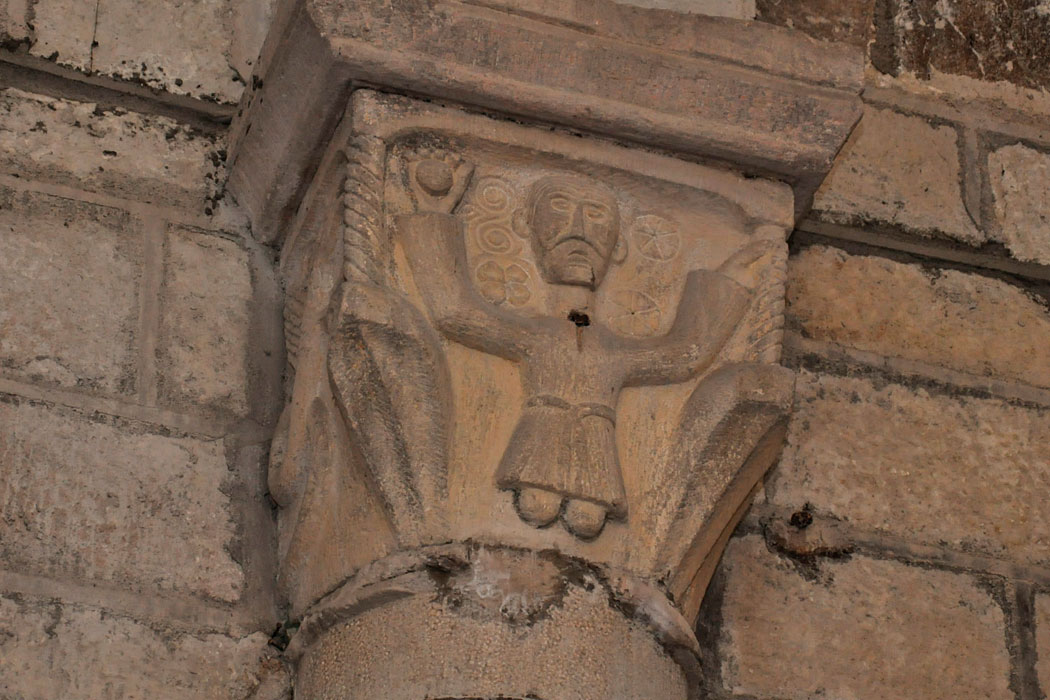
David
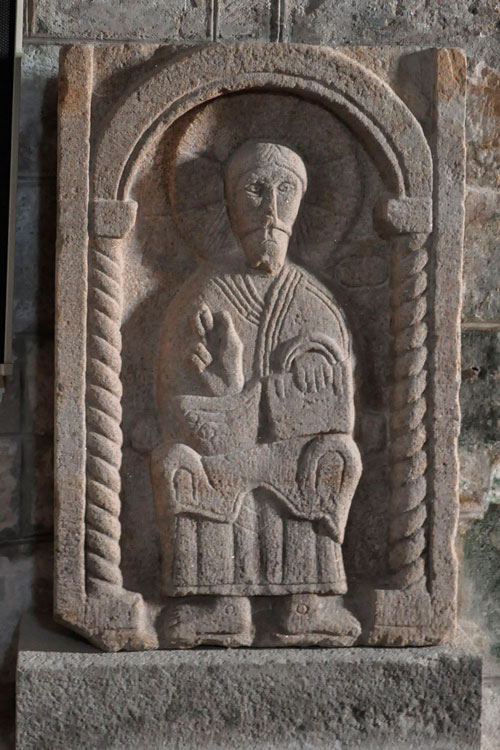
Christ blessing
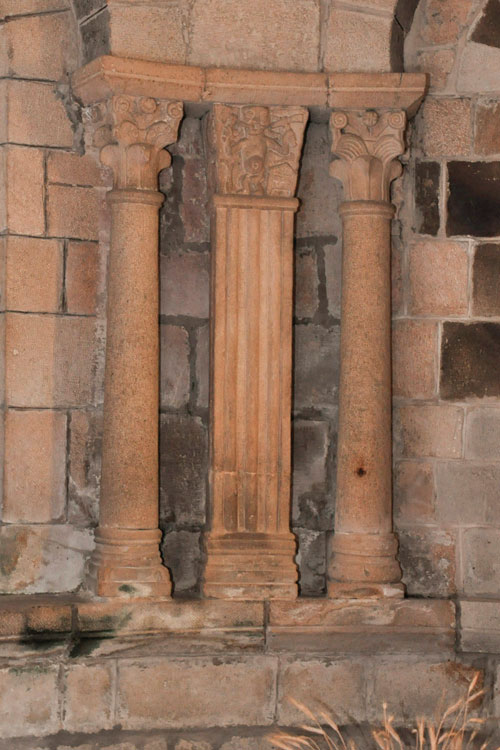
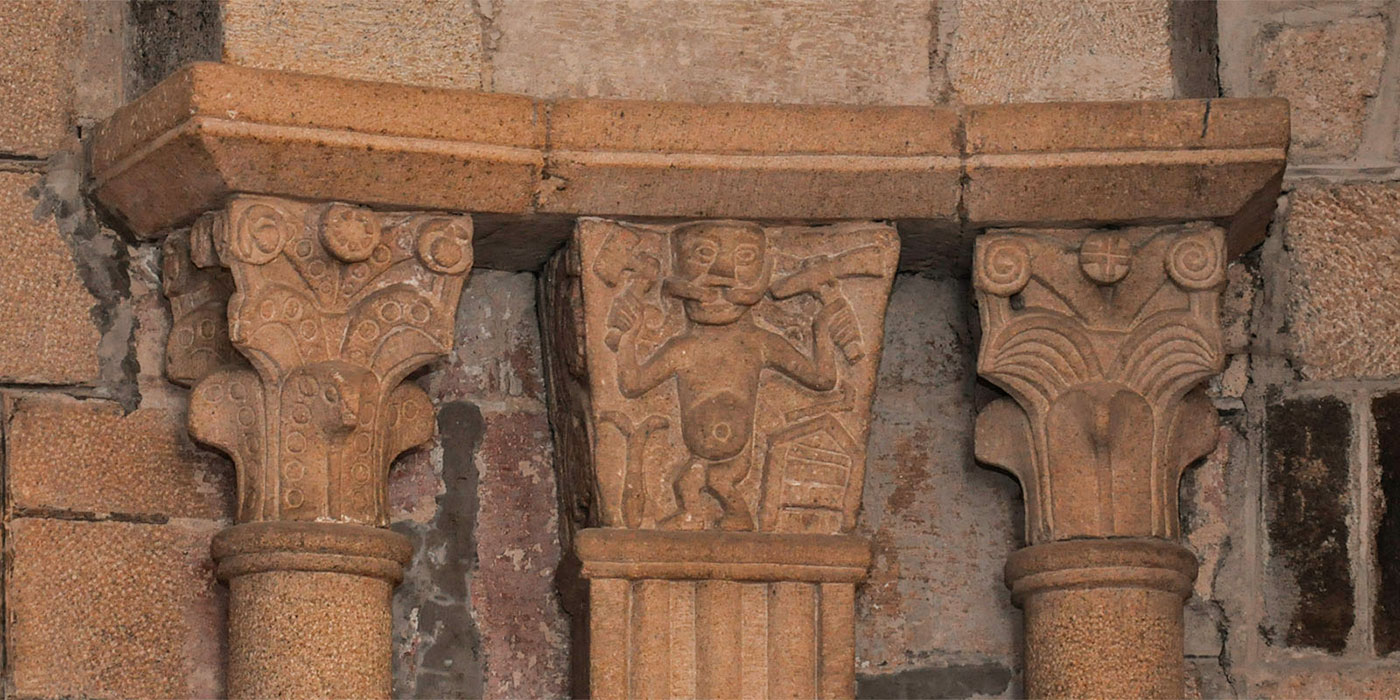
Apse capitals
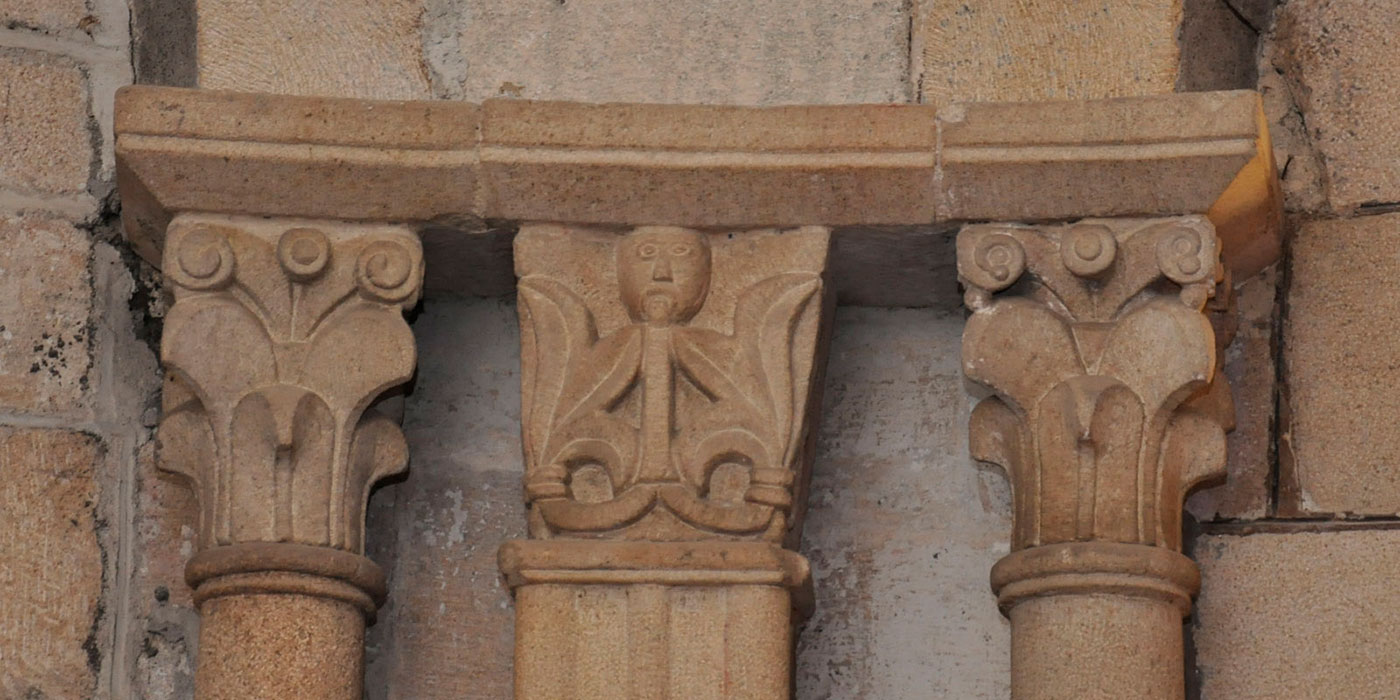
Apse capitals
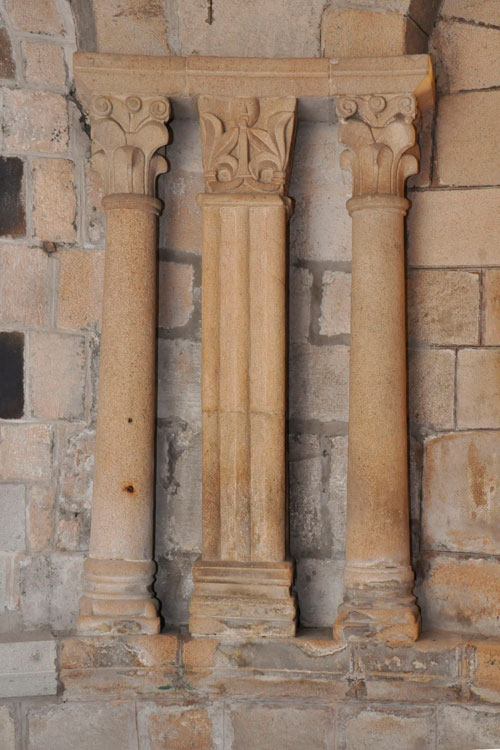
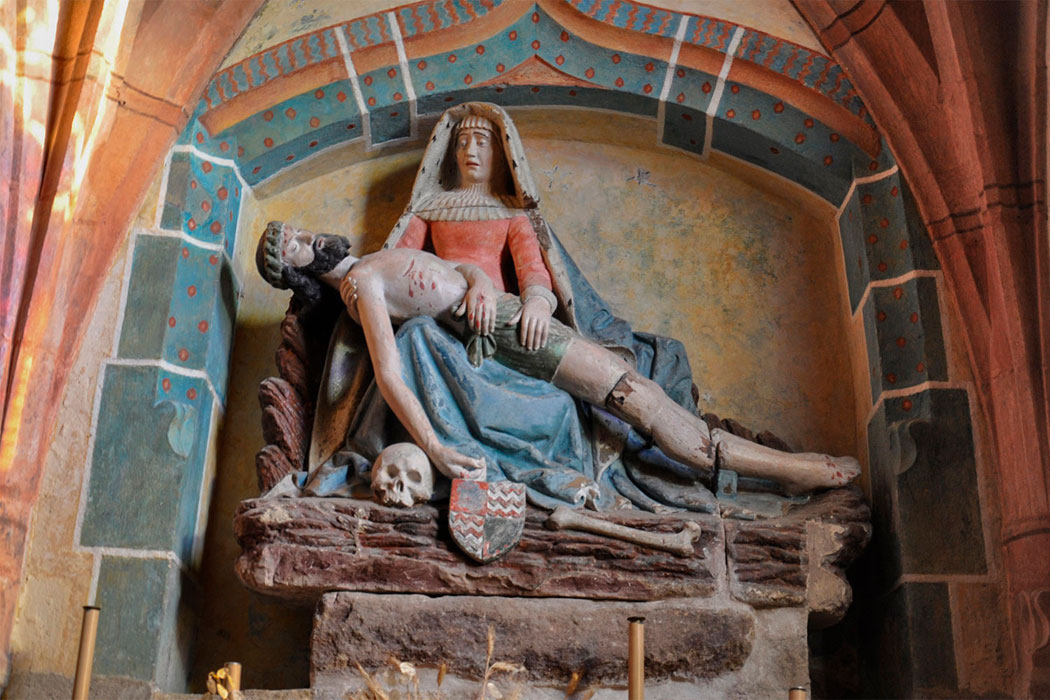
Pietà
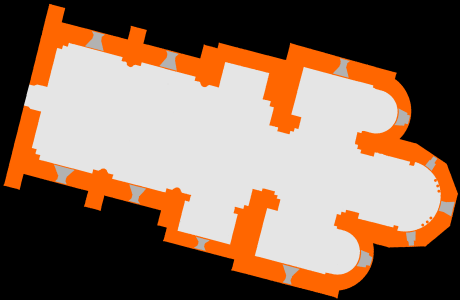
Schematic plan of the church
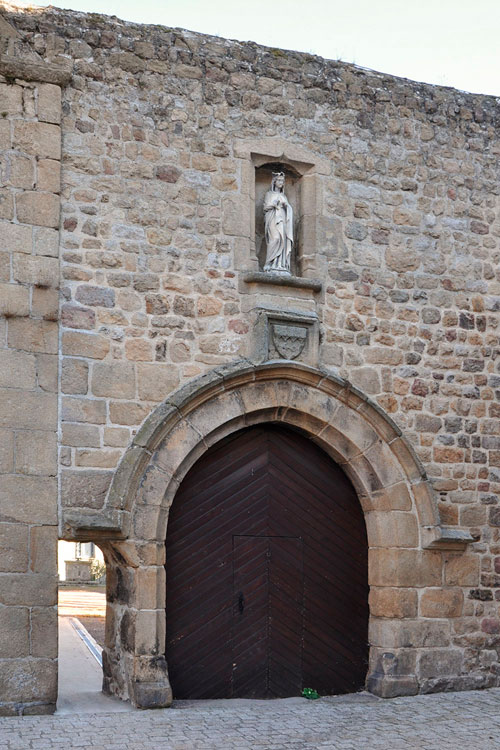
Priory portal
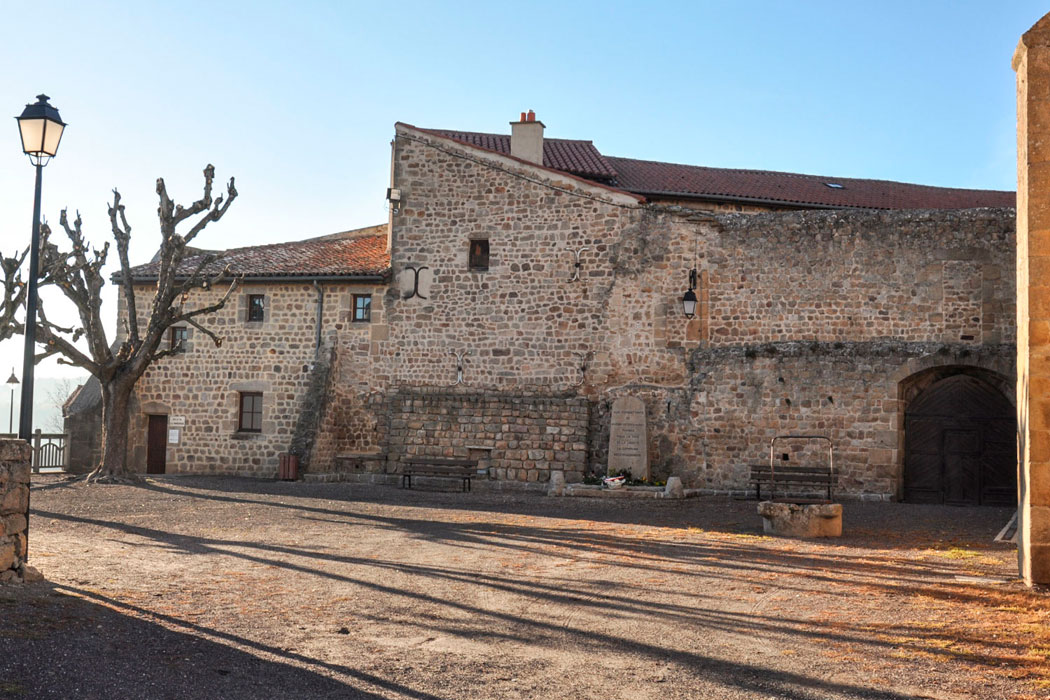
Priory courtyard
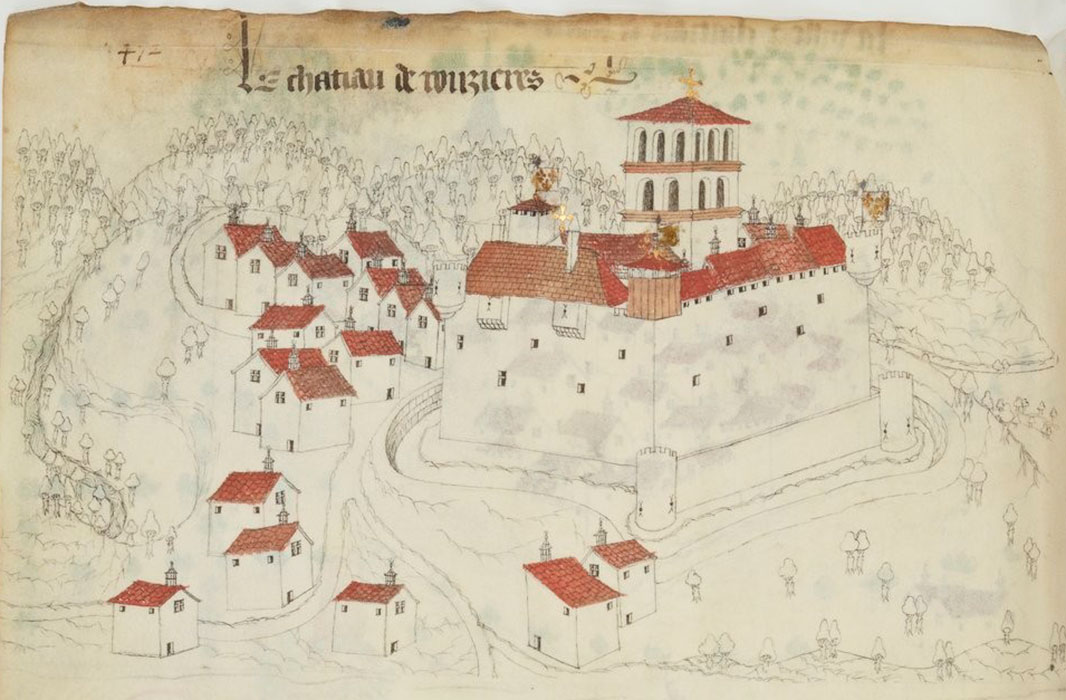
Detail of Armorial Revel (1450-1460)
Bibliothèque nationale de France
- BEIGBEDER, Olivier (1962). Forez-Velay roman. La nuit des temps, 15. Zodiaque
- DURAND, Vincent; i altres (1879). Étude archéologique et historique sur le prieuré de Rosiers. Recueil de mémoires et documents sur le Forez, vol. V. Société de la Diana
- LAFFONT, Pierre-Yves (2011). Rozier-Côtes-d’Aurec. L’Armorial de Guillaume Revel. Alpara
- PERROY, Édouard; i altres, ed. (1978). Chartes du Forez antérieures au XIVe siècle, vol. XXIII. París: Klincksieck
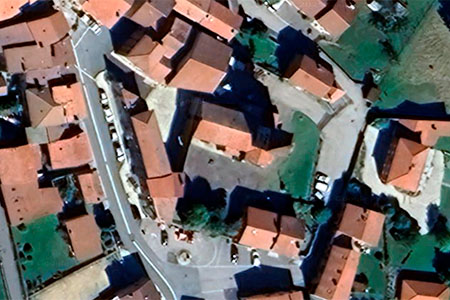
The priory belongs to the municipality of Rozier-Côtes-d’Aurec, located west of Saint-Étienne, in a remote area away from major communication routes