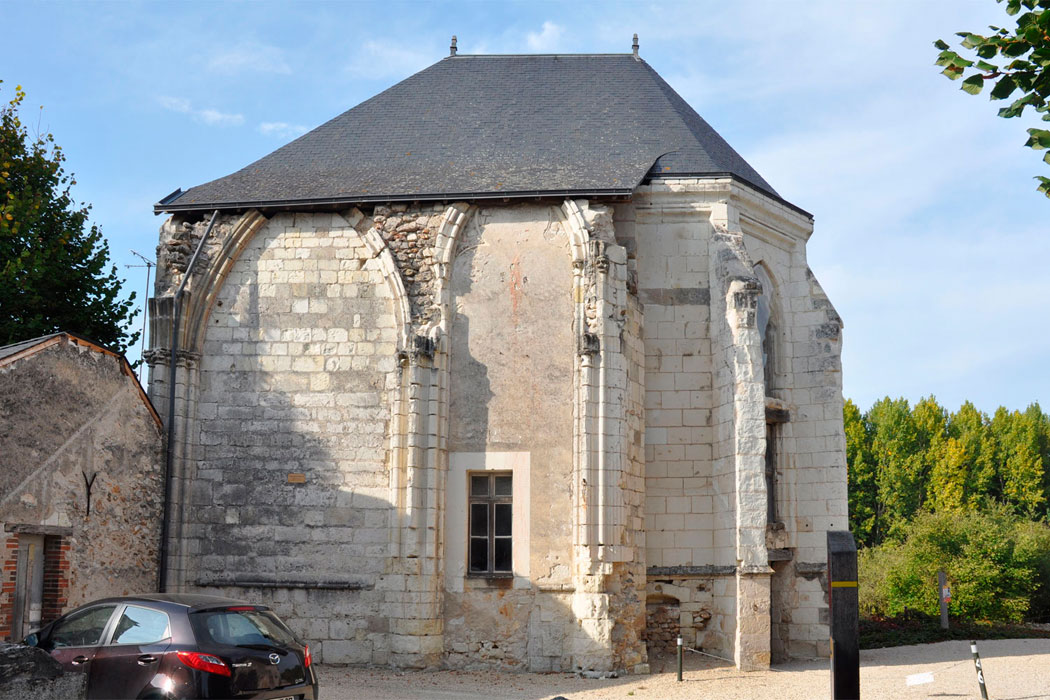
Chapel of Saint-Symphorien


The monastery of Saint-Paul de Cormery originated as a cell founded from the Abbey of Saint-Martin de Tours (Indre-et-Loire) during the time of Abbot Ithier, an influential figure and chancellor to the Frankish kings Pepin the Short and Charlemagne. Ithier founded Cormery in 791 and, on that occasion, the monastery of Saint-Martin granted various properties to the new house. In 796, Alcuin of York (c. 735-804), a distinguished scholar associated with the court of Charlemagne, succeeded Ithier as head of Saint-Martin.
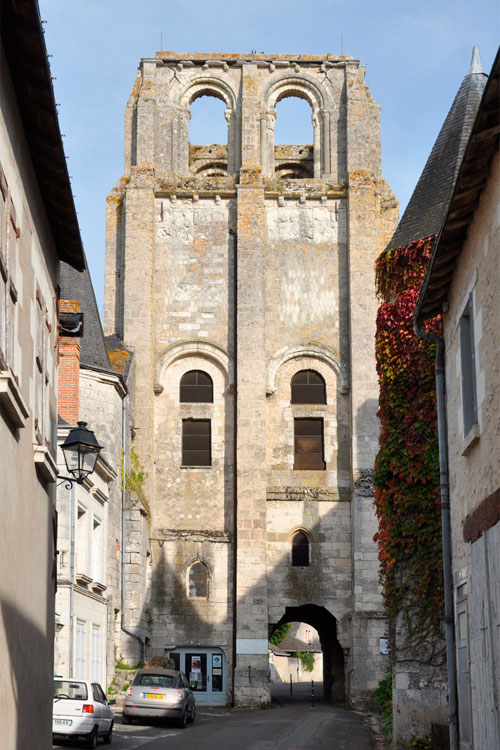
Tour Saint-Paul
In 799, Alcuin raised Cormery to the rank of abbey, obtaining both royal protection and the intervention of Benedict of Aniane (c. 750-821) in introducing Benedictine customs. After Alcuin’s death, the offices of abbot of Saint-Martin and Cormery were held by Fridugise († 834), who, in 821, granted the monks of Cormery the right to freely elect their own abbot, without interference from Saint-Martin. Nevertheless, it was not until around 837 that the effective separation of the two houses was achieved. It should be noted that Saint-Martin did not adopt the Rule of Saint Benedict and remained a regular canonical chapter.
At that time, the house enjoyed a period of prosperity that was interrupted by Viking invasions, which affected the region during the second half of the ninth century. The community of Saint-Martin took refuge at Cormery, bringing with them the relics of the saint, although it is possible that the monastery itself also suffered from Norman attacks. Despite this instability, around 850, Cormery took part in the foundation of Saint-Sauveur de Villeloin (Indre-et-Loire), not far from here.
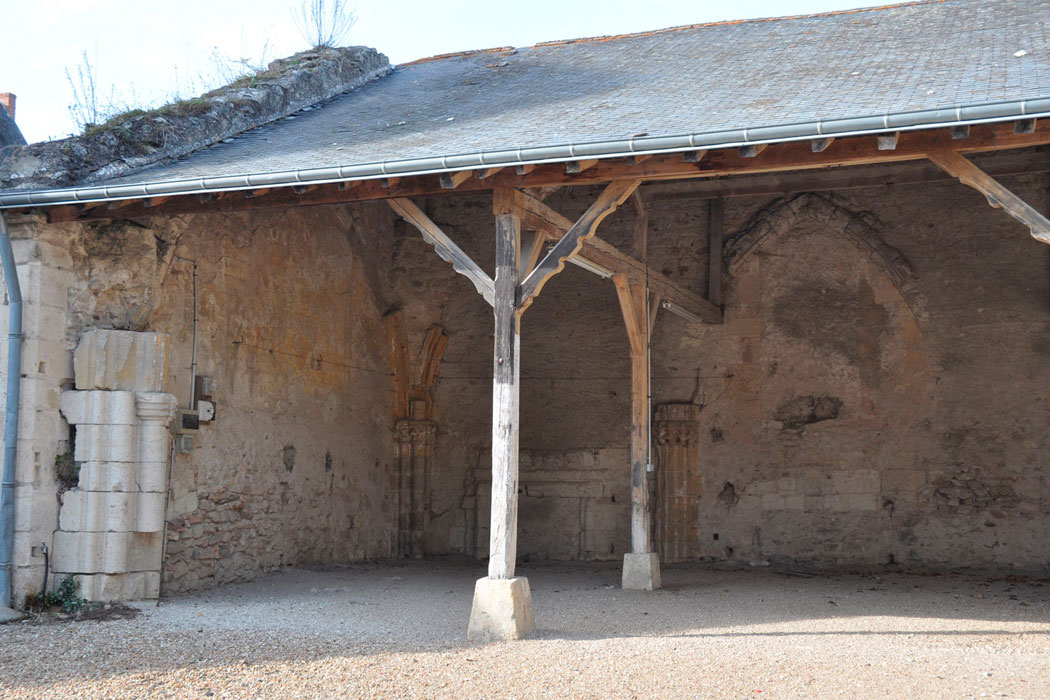
Remains of the north transept
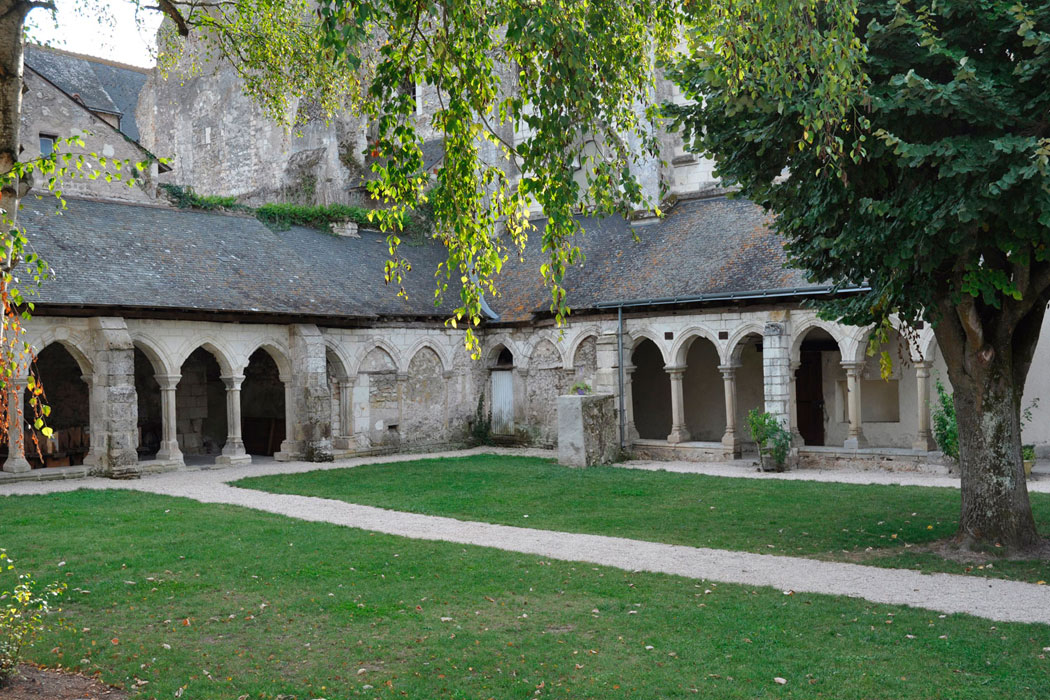
Cloister
During the eleventh century, the house experienced a new period of prosperity, during which the church was rebuilt and dedicated in 1054. This favourable period lasted until the Hundred Years’ War. In the mid-fourteenth century, the site was affected by the conflicts, a situation repeated during the first quarter of the fifteenth century. As a result, rebuilding and fortification works were undertaken. Chapels were also added, tombs were constructed and the complex was enriched with stained glass. Later came the commendatory regime and, in 1562, the Wars of Religion, which again affected the monastery. In 1662, the house joined the Congregation of Saint-Maur, to which it belonged until the Revolution. In 1791, a millennium after its foundation, the abbey was suppressed.
During the final period of its existence, much of the monastic complex was rebuilt. The church has almost entirely disappeared, although a few remains of the original Carolingian building still survive, replaced in the eleventh century by a Romanesque structure. From that period, much of the bell tower survives, attached to the western façade and known as the tour Saint-Paul. It has survived despite the almost complete demolition of the rest of the building. The spire of the tower remained standing until 1891, when it collapsed. The tower still preserves elements of its sculptural decoration, including capitals and reliefs.
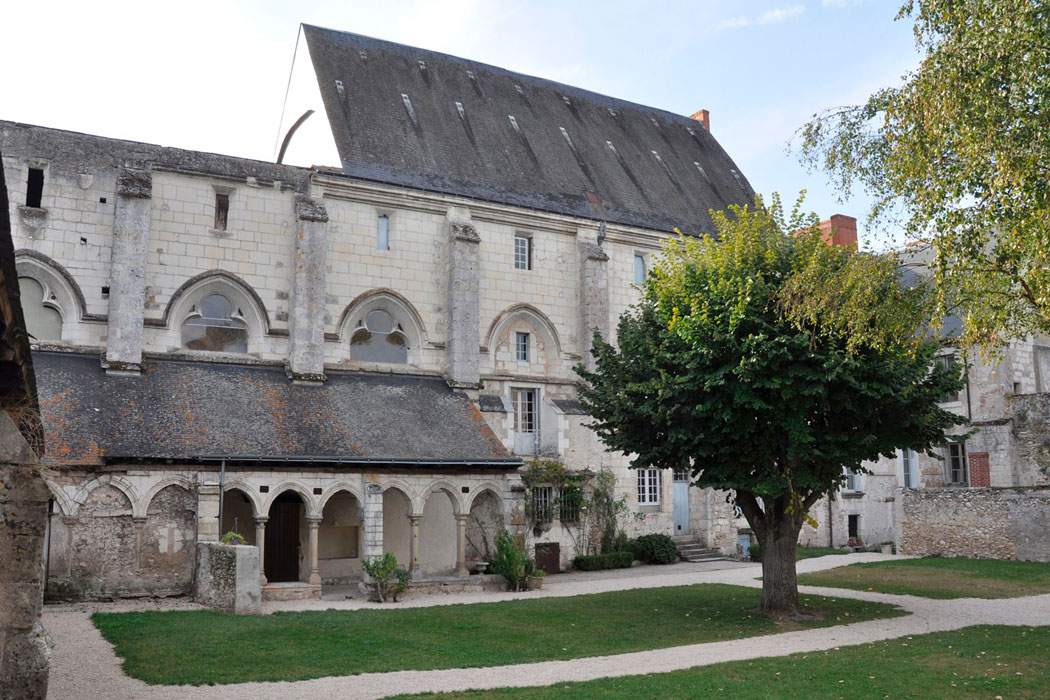
Cloister with the refectory
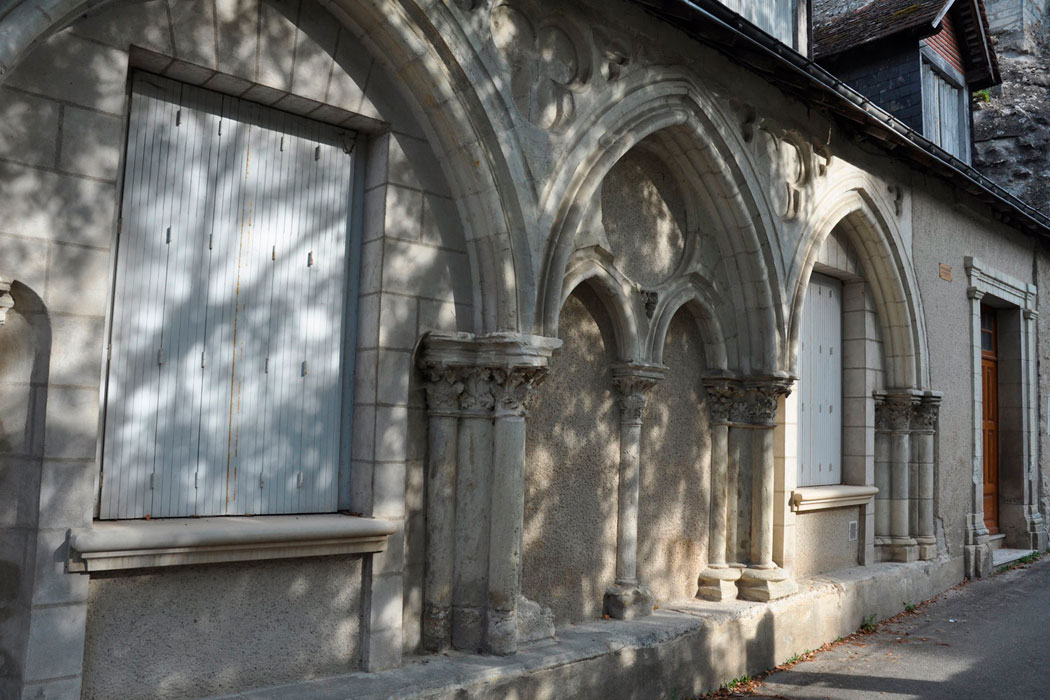
Chapter house
The north wall of the eleventh-century church also survives, together with the present chapel of Saint-Symphorien, built in the Gothic style. The north side of the church was occupied by the cloister, of which some thirteenth- and fourteenth-century elements remain. To the west of this area stand the refectory and the kitchen and, to the north, the cellar. The eastern side was occupied by the chapter house, of which only part of the façade survives.
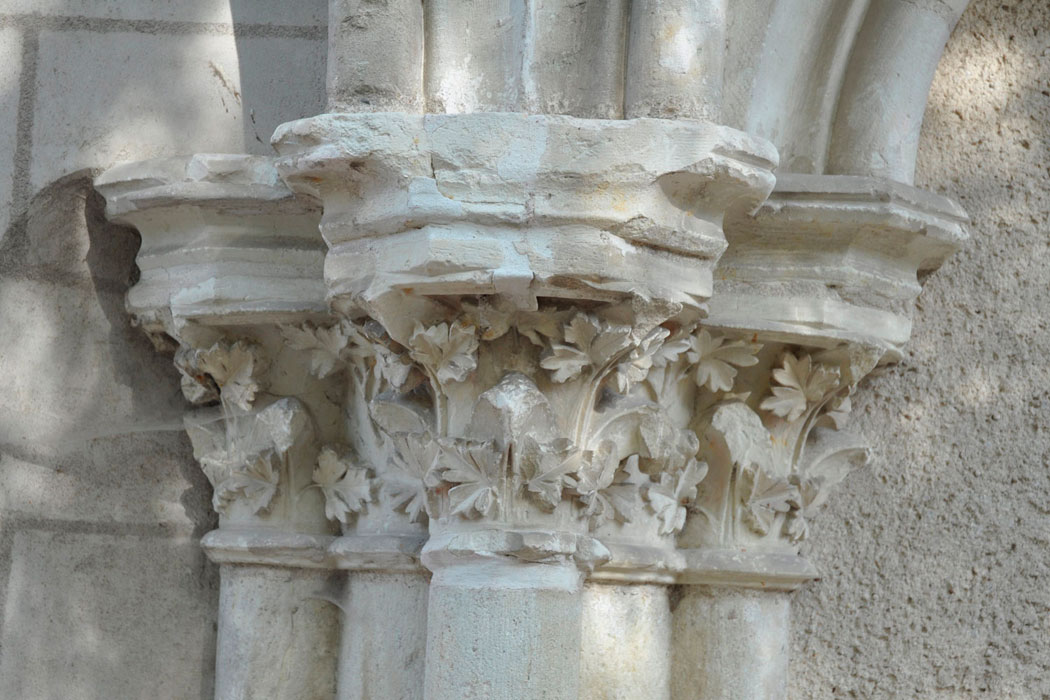
Chapter house
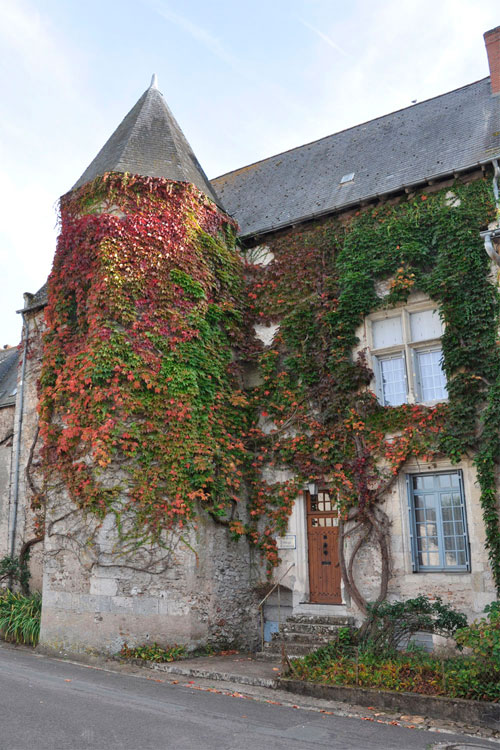
Almshouse
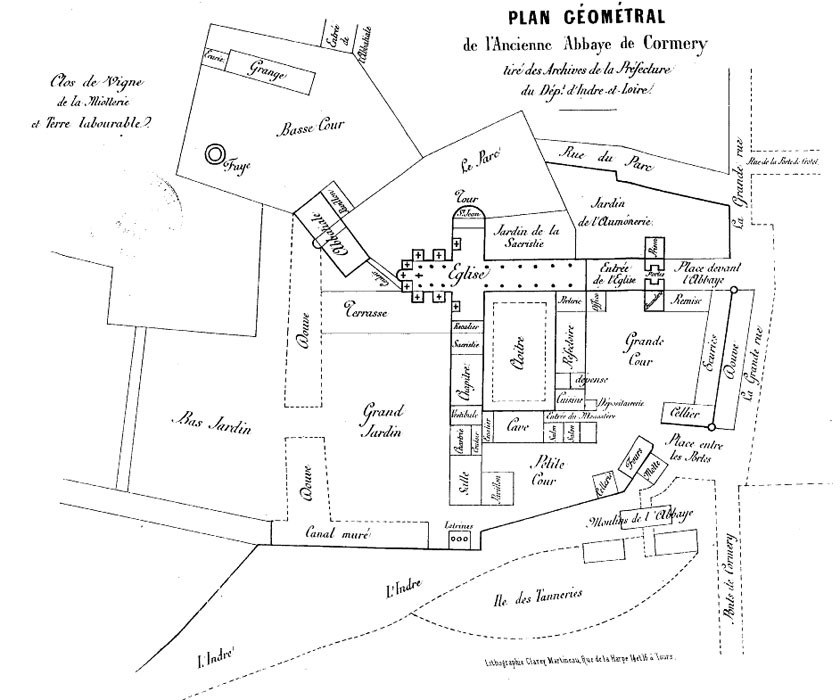
Monastery floor plan
Published in Histoire de l'abbaye et de la ville de Cormery (1861)
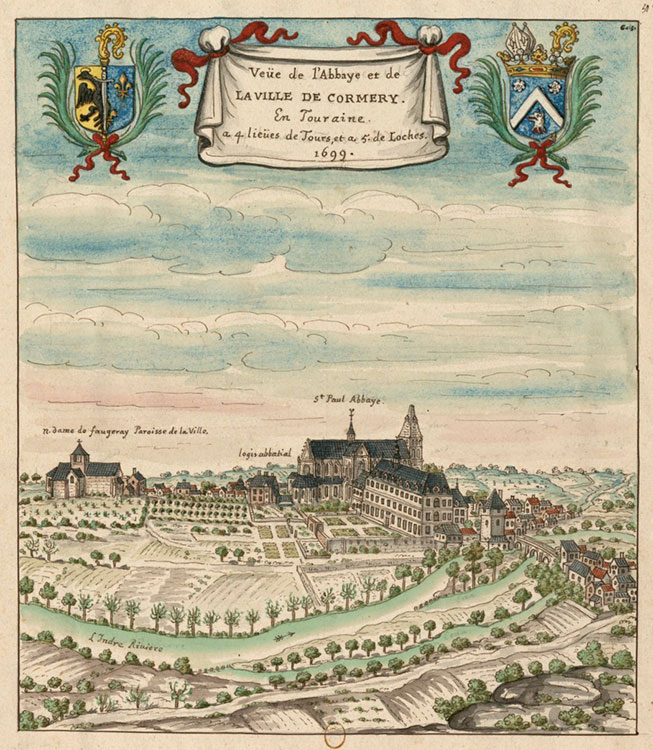
Detail of Veüe de l'abbaye et de la ville de Cormery
Louis Boudan, 1699
Bibliothèque nationale de France
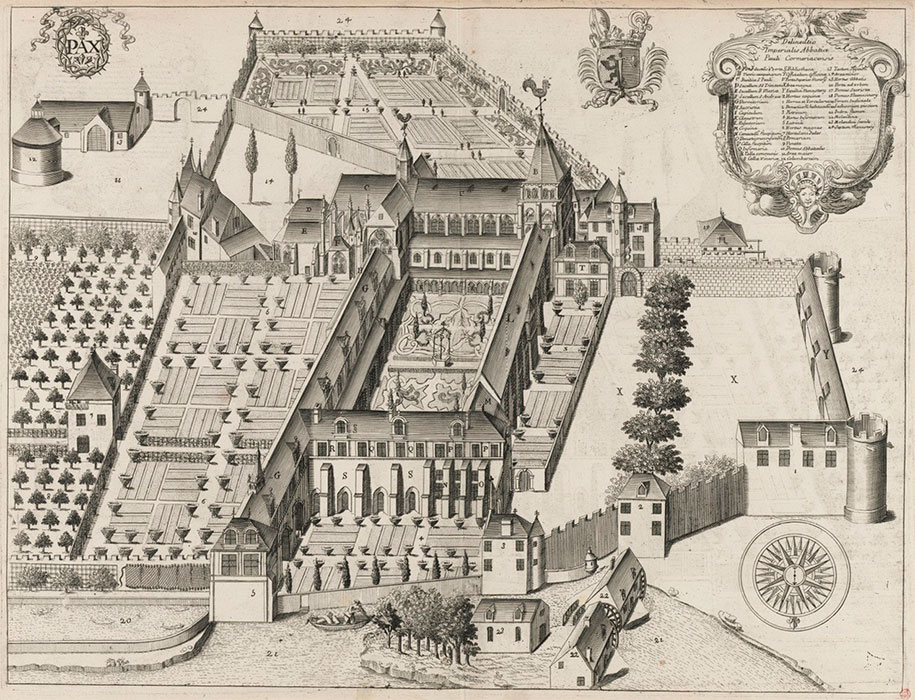
Monasticon Gallicanum
Bibliothèque nationale de France
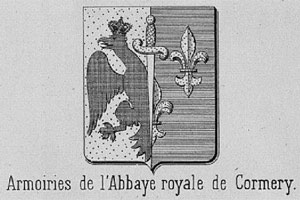
Published in Histoire de l'abbaye et de la ville de Cormery (1861)
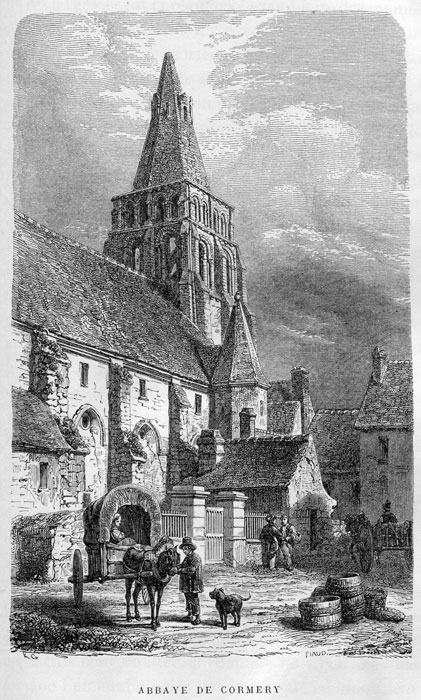
Illustration from Abbayes et monastères (1870)
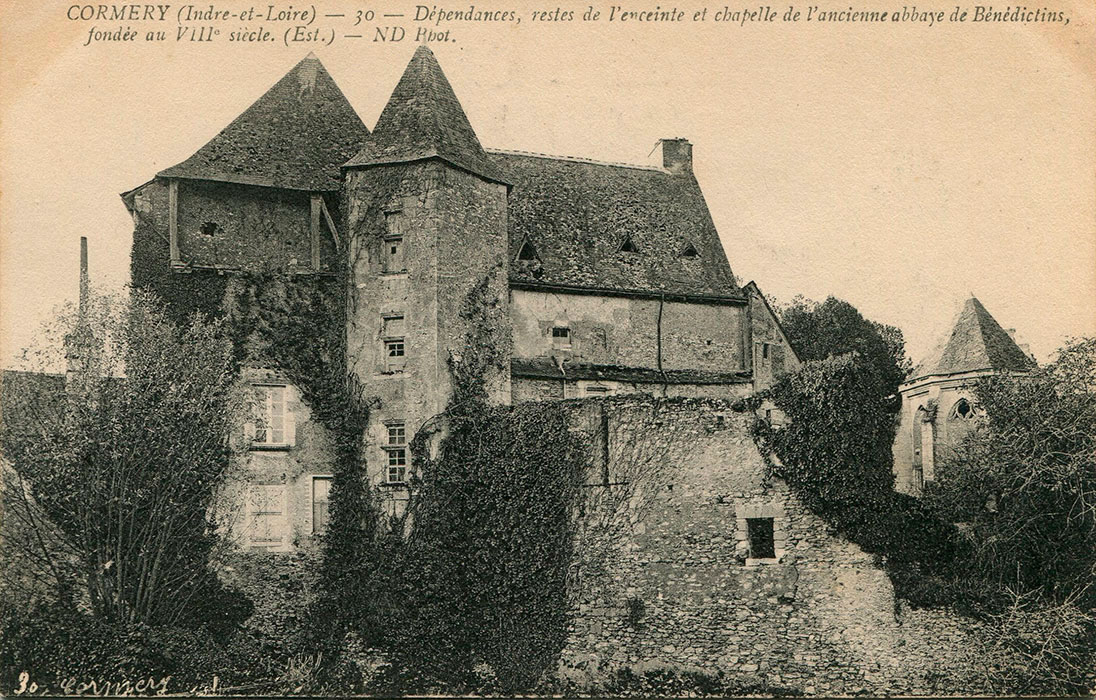
Old postcard, private collection
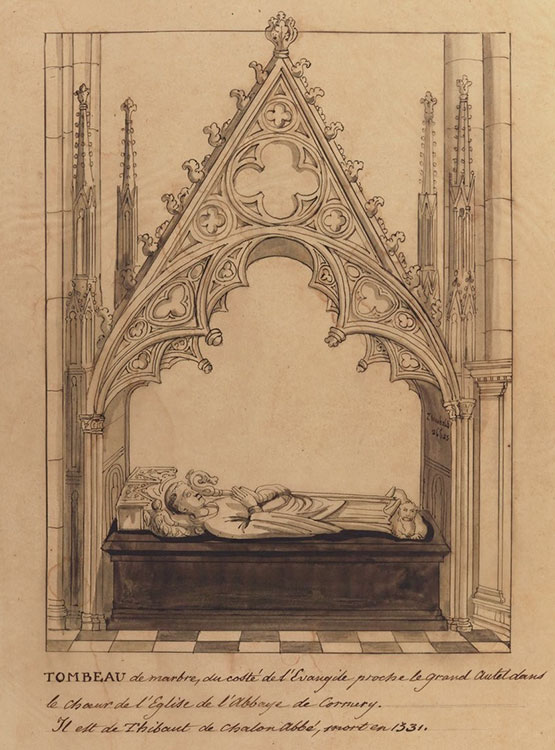
Tomb of Abbot Thibault de Chalon († 1332)
Bibliothèque nationale de France
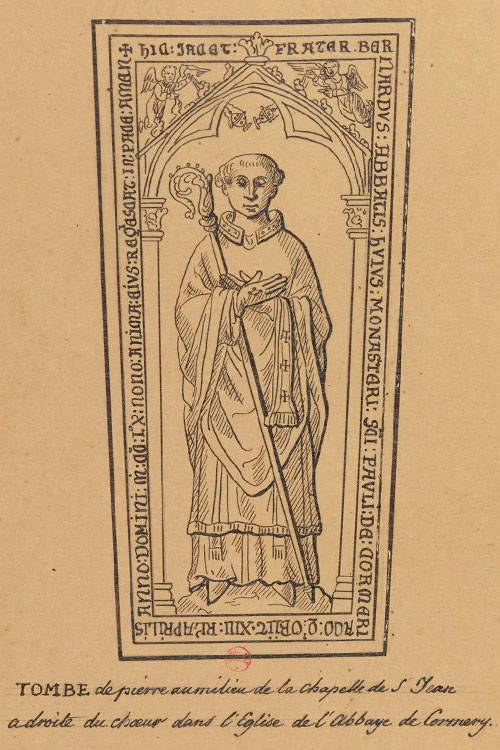
Tomb of Abbot Bernard († 1266)
Bibliothèque nationale de France
- BAUDRILLART, Alfred (1956). Dictionnaire d'histoire et de géographie ecclésiastiques. Vol. 13. París: Letouzey et Ané
- BESSE, Jean-Martial (1920). Abbayes et prieurés de l'ancienne France, vol. 8, Tours. París : Picard
- BOURASSÉ, Jean-Jacques (1861). Cartulaire de Cormery précédé de l’histoire de l’abbaye et de la ville de Cormery. Mémoires de la Société archéologique de Touraine. Tours/París
- BOURASSÉ, Jean-Jacques (1870). Abbayes et monastères. Histoire, monuments, souvenirs et ruines. Tours: A. Mame
- CARRÉ DE BUSSEROLLE, Jacques-Xavier (1879). Dictionnaire géographique, historique et biographique d'Indre-et-Loire et de l'ancienne province de Touraine. Vol. II. Tours: Rouillé-Ladevèze
- CHUPIN, Annick (2004). Alcuin et Cormery. Annales de Bretagne et des Pays de l’Ouest, núm. 111-3
- LELONG, Charles (1966). Vestiges romans de l'église abbatiale de Cormery. Bulletin Monumental. Vol. 124
- LESUEUR, Frédéric (1949). Cormery. Congrès archéologique de France, 106 ss. Tours. Société française d'archéologie
- PEIGNÉ-DELACOURT, Achille (1877). Monasticon Gallicanum. Paris: G. Chamerot
- POUYET, Thomas (2019). Cormery et son territoire : origines et transformations d’un établissement monastique dans la longue durée (8e - 18e siècles). Université de Tours
- SAINT-MAUR, Congregació de (1856). Gallia Christiana in provincias ecclesiasticas distributa. Vol. 14. París: Typographia Regia
- SEMUR, François-Christian (2011). Abbayes de Touraine. La Crèche: Geste Ed.
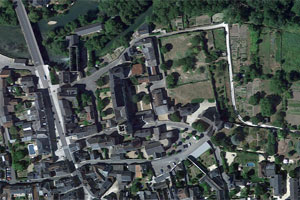
The remains of the former abbey are located at Cormery (Indre-et-Loire), southeast of Tours, on the road to Loches