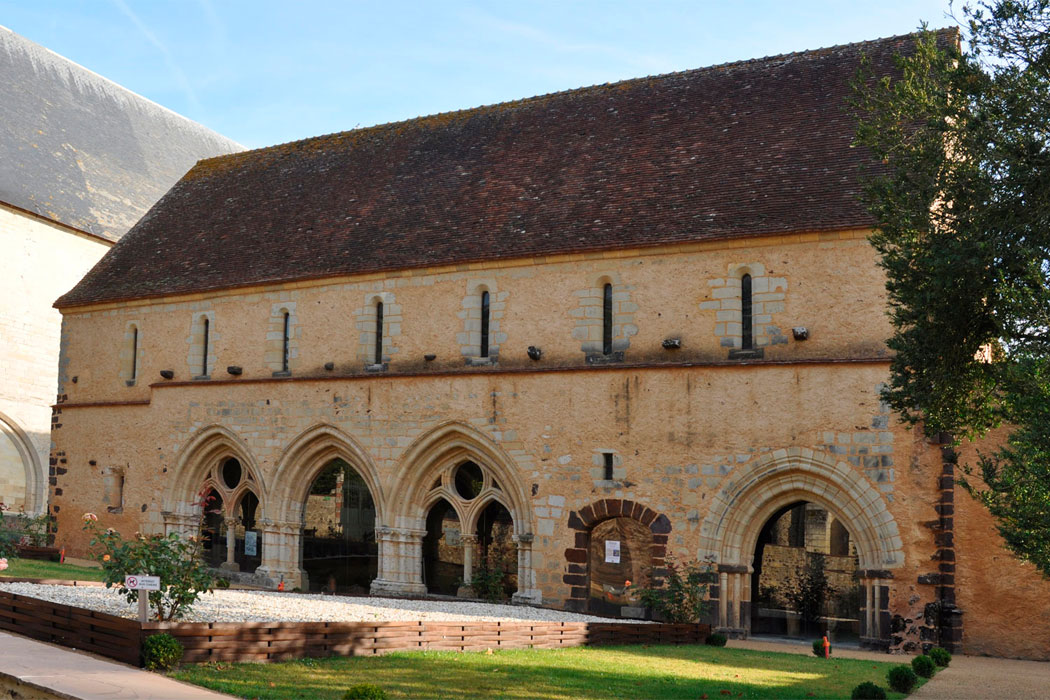
Chapter house
East of the disappeared cloister

According to La Thaumassière, the Benedictine Abbey of Saint-Martin de Massay was founded in 738 by Count Egon. In 814 its observance was adapted according to the Rule of Saint Benedict, following the monastic reform promoted at that time by Benedict of Aniane (c. 750-821). In 873 it was destroyed during a Norman raid, and the counts of Bourges undertook its reconstruction. During the abbacy of Odo of Cluny (926–942), Massay was temporarily affiliated with the Burgundian monastery.
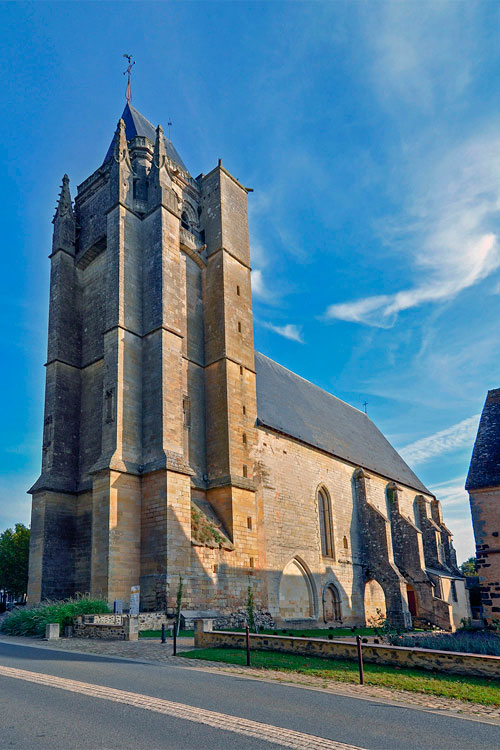
In 1128 a fire devastated the abbey, making it necessary to rebuild almost the entire complex, although some earlier architectural elements were reused. In 1360, during the Hundred Years' War, it again suffered severe damage. The large tower attached to the church's western façade was erected in the fifteenth century. Between 1562 and 1567 the abbey also suffered during the French Wars of Religion. Although it was never completely rebuilt, it continued to exist despite its gradual decline. By 1736 the community had disappeared and the abbey lost its monastic status. The church then assumed the parish functions of Saint-Paxent, whose church had fallen into ruin. After the French Revolution, a road was opened through the former cloister, leading to its disappearance.
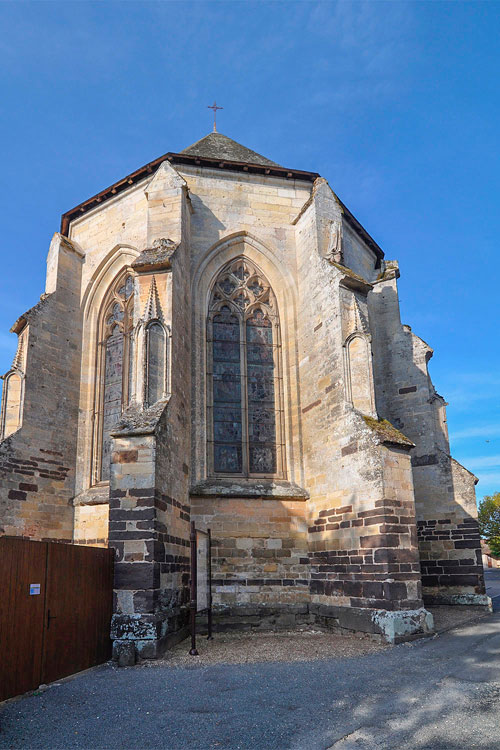
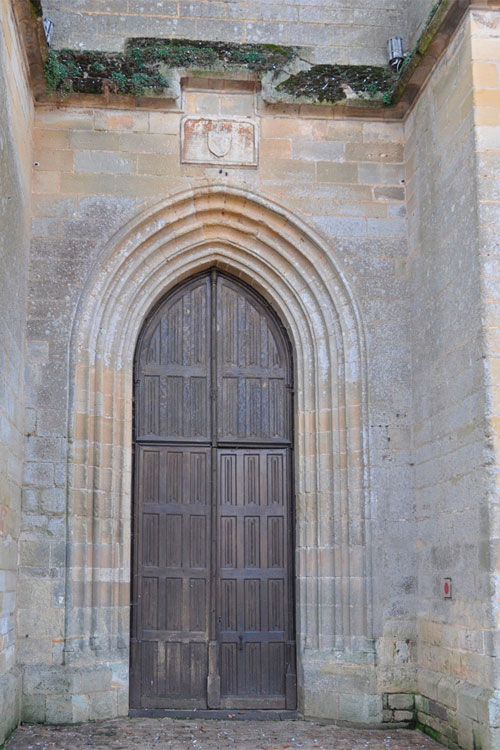
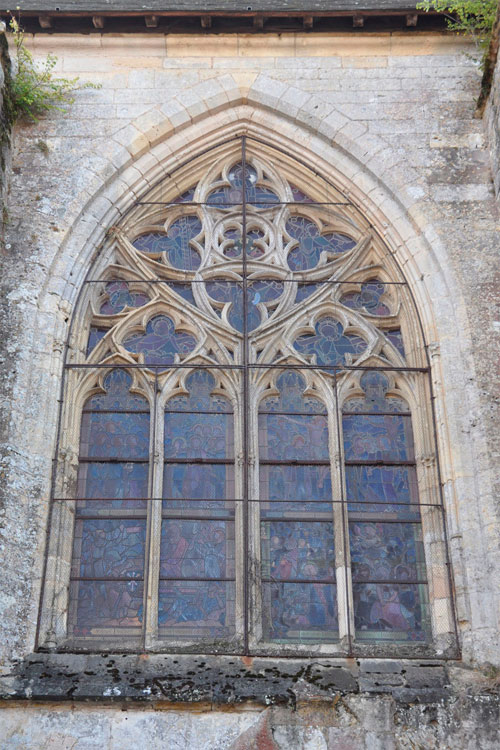
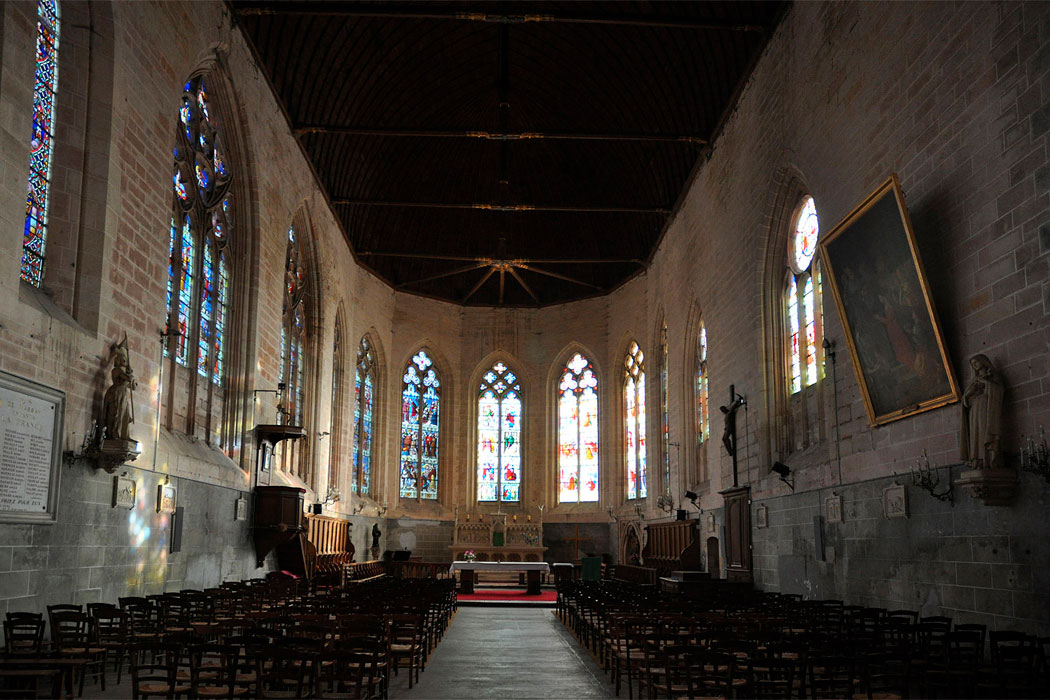
The present church was built after the fire of 1128 and is more modest in size than its predecessor. It occupies the site of the former chancel and the vanished transept, a reconstruction that altered the original layout of the monastic complex. As a result, the chapter house, now restored, was left at some distance from the new church, an unusual feature that can still be understood from the monastery's ground plan. The church later underwent several minor alterations and preserves an of sixteenth-century stained-glass window.
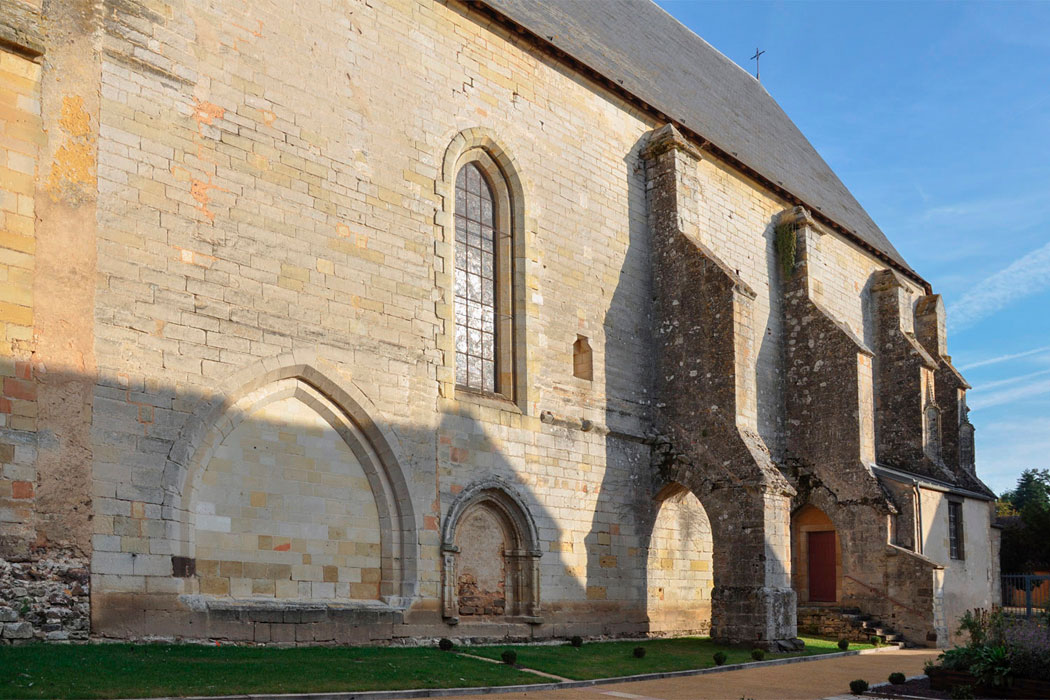
Besides the church, the former Abbot's chapel also survives. This twelfth-century Romanesque building, dedicated to Saint-Loup, consists of a simple two-bay nave, a chancel and a semicircular apse. It stands within the second cloister, to the south of Saint-Paxent Church. Of the remaining monastic buildings, the restored chapter house is particularly noteworthy.
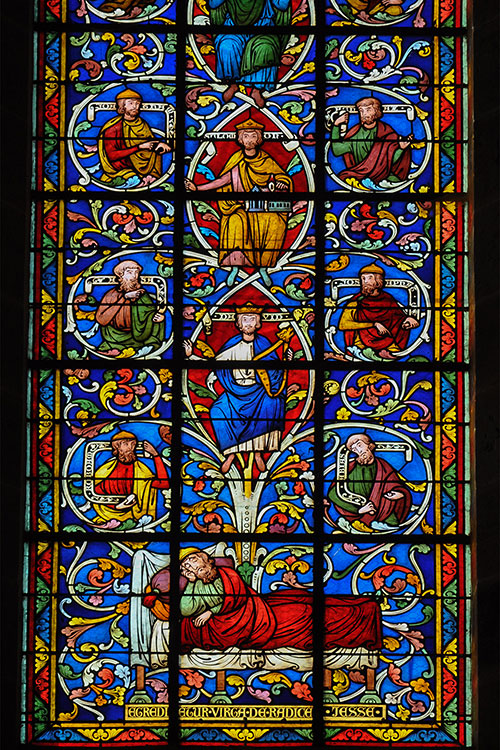
Stained glass window with the Tree of Jesse
Gaspard Gsell (1814-1904)
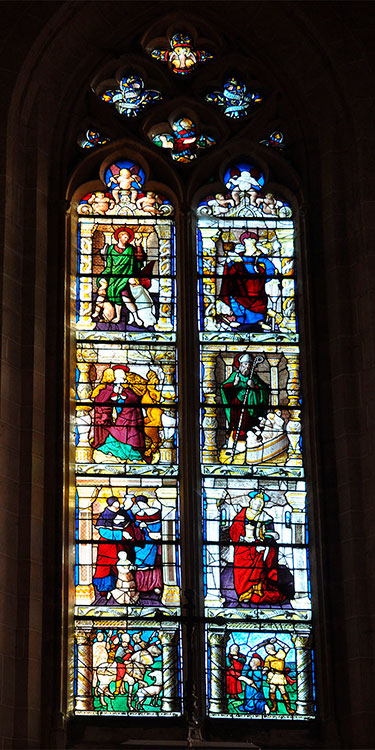
Renaissance stained glass window (16th century)
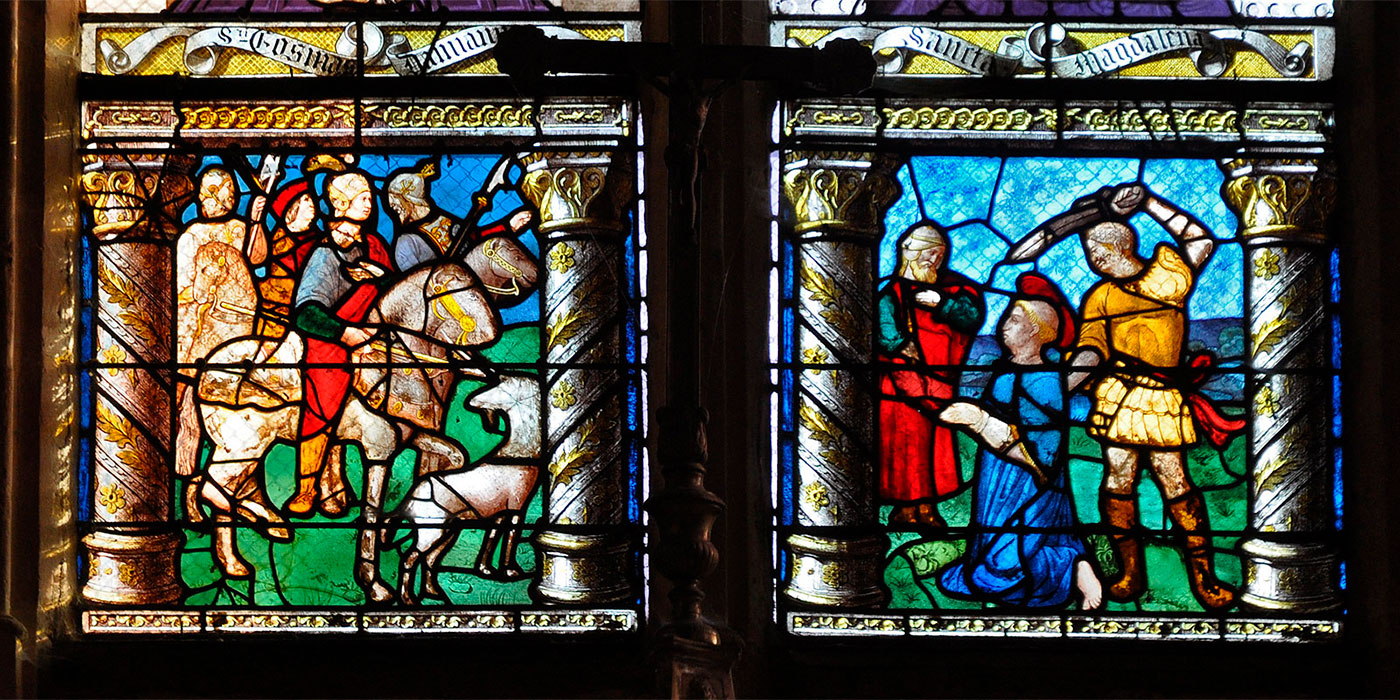
Renaissance stained glass window (16th century)

According to Armorial général de France (18th century)
Bibliothèque nationale de France
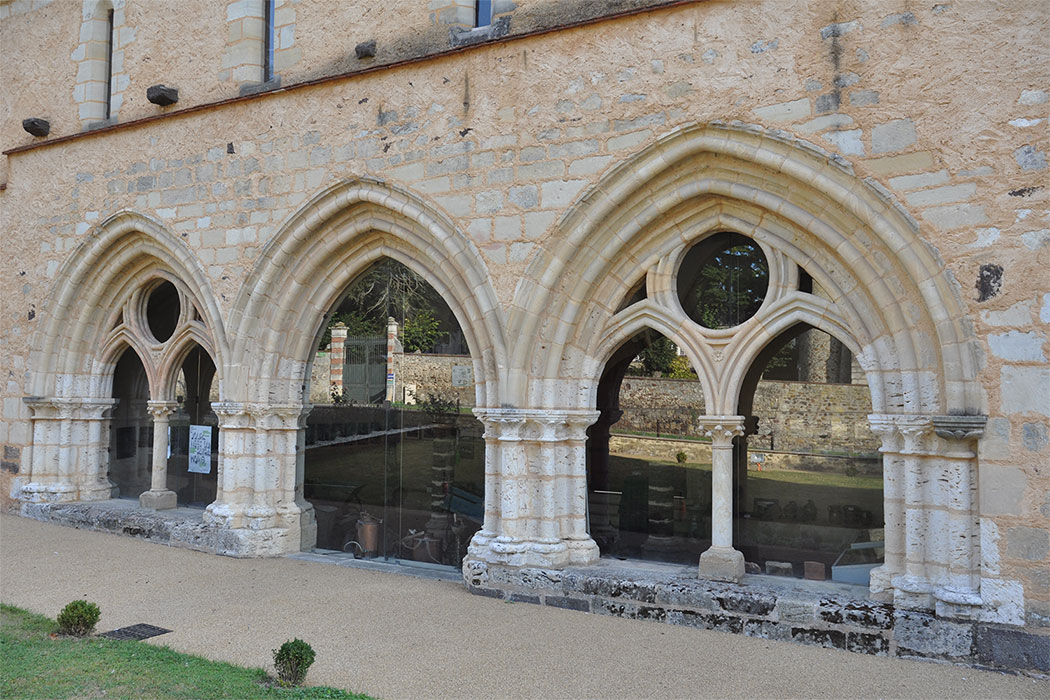
Chapter house
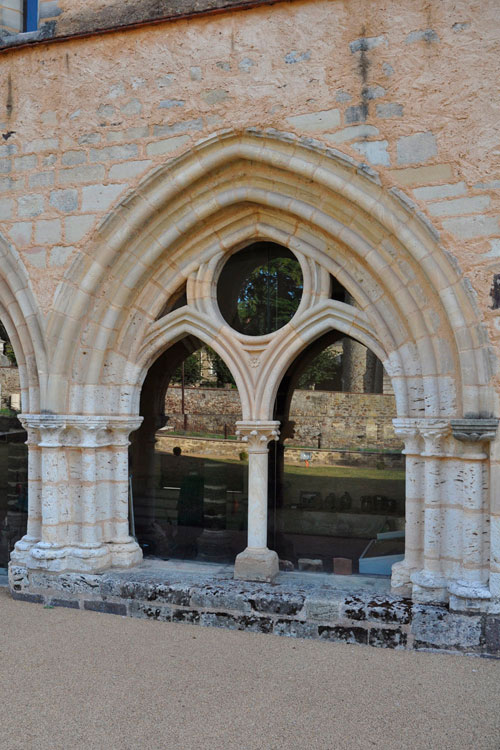
Chapter house
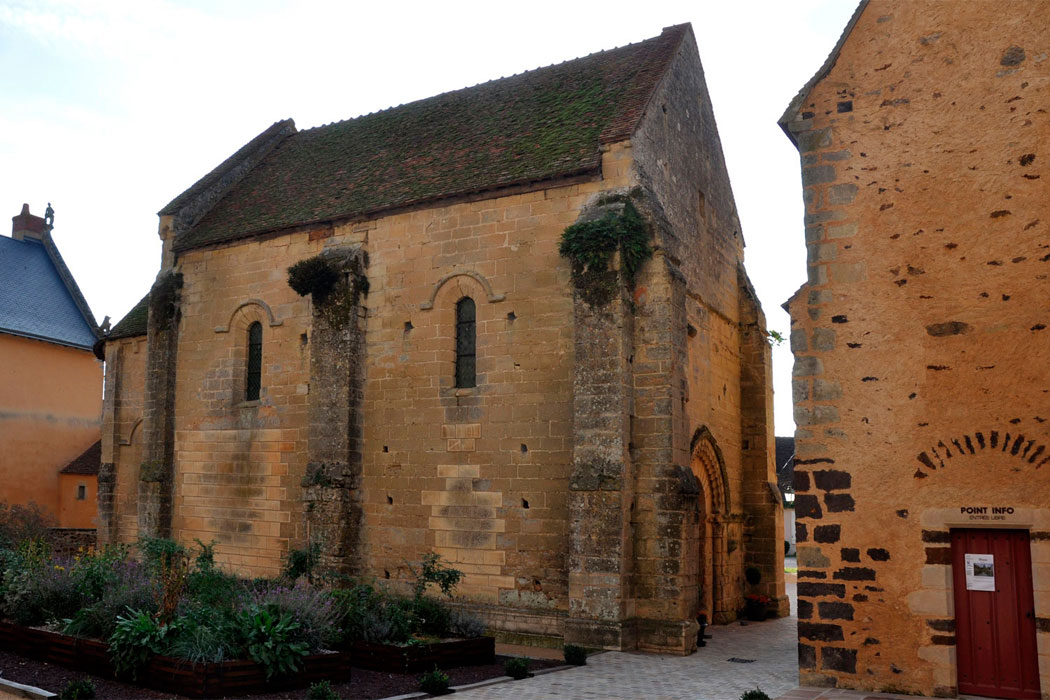
Abbot's Chapel
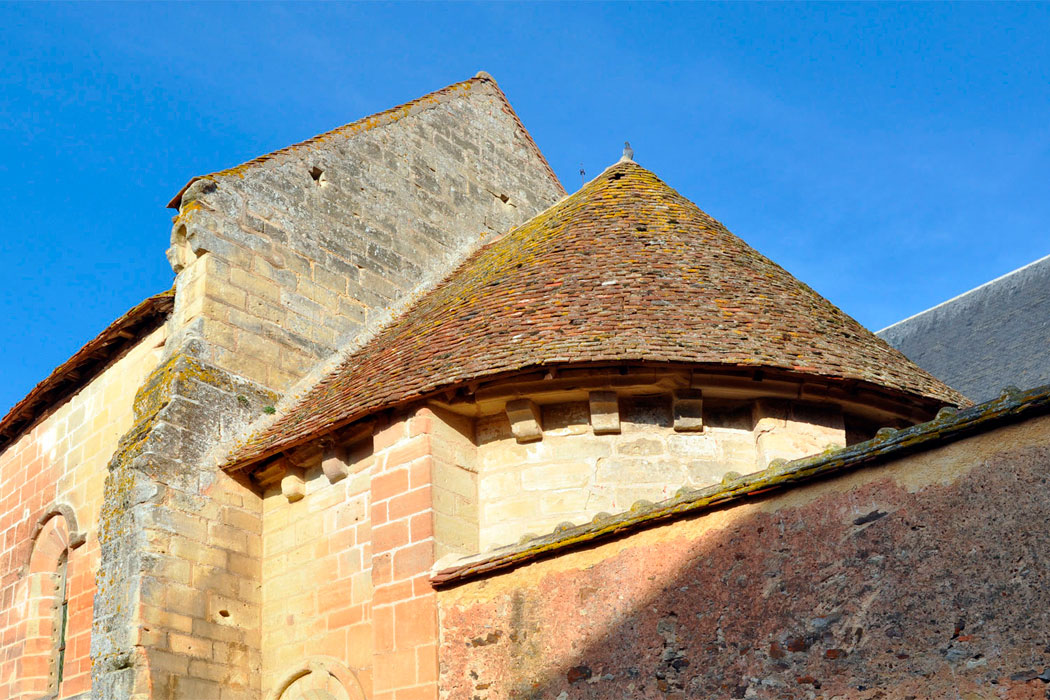
Abbot's Chapel
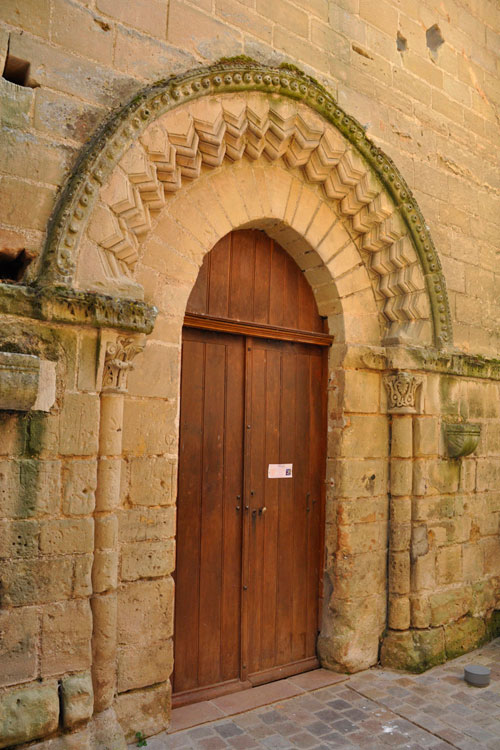
Abbot's Chapel
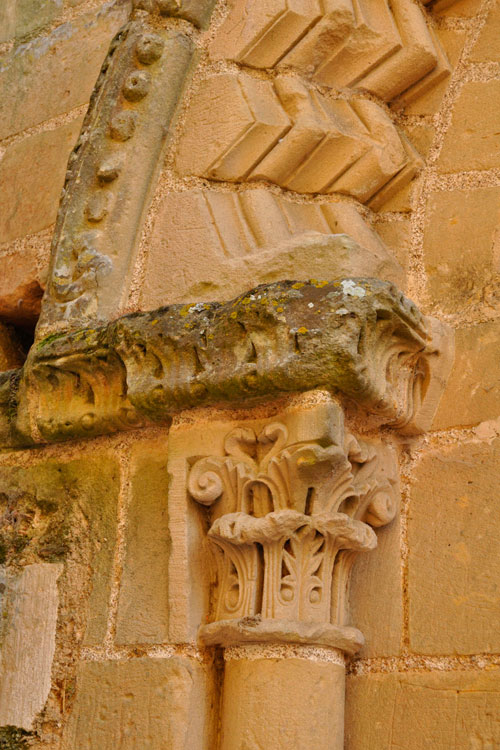
Abbot's Chapel
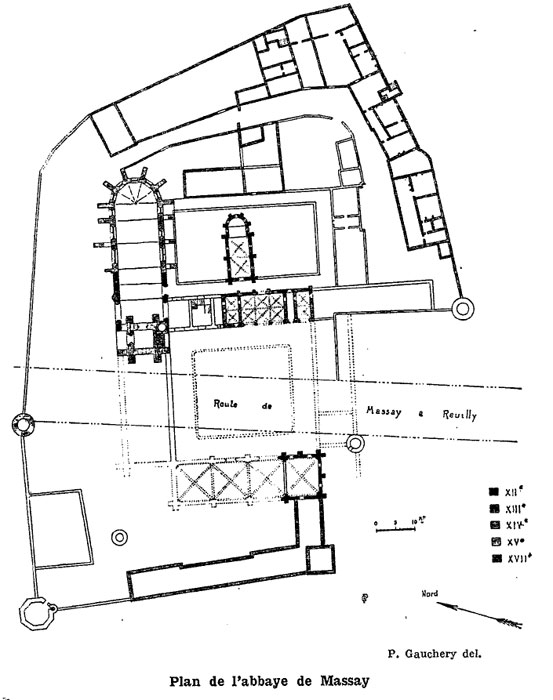
Abbey floor plan
According to Gauchery, in L’abbaye de Massay
- BEAUNIER, Dom (1912). Abbayes et prieurés de l'ancienne France. Vol. 5. Bourges. Abbaye de Ligugé
- BUHOT DE KERSERS, Alphonse (1895). Histoire et statistique monumentale du département du Cher, vol. 7. Bourges: Tardy
- DESHOULIÈRES, François. (1932). Massay. Congrès archéologique de France. 94ss. Bourges. Société française d'archéologie
- DESHOULIÈRES, François; GAUCHERY, Paul. (1922). L’abbaye de Massay. Bulletin monumental. Vol 81. París: Picard
- SAINT-MAUR, Congregació de (1720). Gallia Christiana in provincias ecclesiasticas distributa. Vol. 2. París: Typographia Regia
- THAUMAS DE LA THAUMASSIÈRE, Gaspard (1689). Histoire de Berry. Bourges: Toubeau
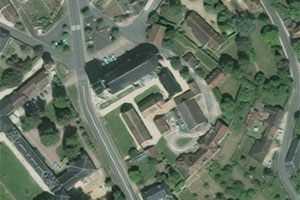
Massay, with the remains of its former abbey, lies southwest of Vierzon