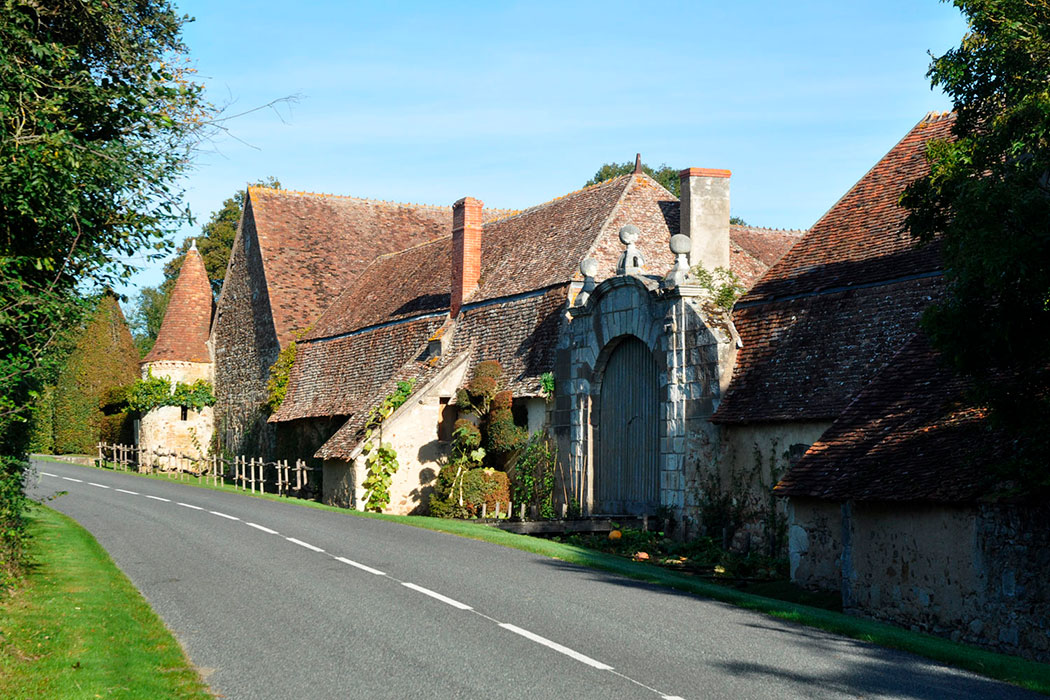

Notre-Dame d’Orsan Priory was one of the monastic foundations established by Robert of Arbrissel (c. 1045–c. 1117). It was founded in 1107 with the close collaboration of Leodegarius (or Léger), Archbishop of Bourges from 1099 to 1120. For its establishment, the founders received from Allard of Châteaumeillant a grant of land, on the condition that it would be occupied by nuns from Fontevraud (Maine-et-Loire), the abbey founded by Robert of Arbrissel shortly beforehand.
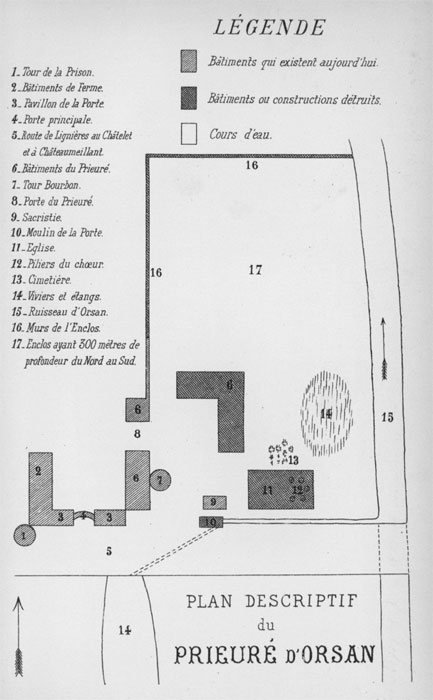
Plan published in Le prieuré d’Orsan, en Berri (1901)
Agnès of Châteaumeillant, a nun from Fontevraud, was appointed the first prioress of the new house. Initially, the community occupied temporary buildings, but construction of the permanent monastic complex soon began. The church was completed by 1113, when it was consecrated in the presence of, among others, Robert of Arbrissel and Leodegarius. In 1116, or perhaps 1117, Robert of Arbrissel died at Orsan. His body was buried at Fontevraud, but his heart remained at Orsan. When Leodegarius died in 1120, he too was buried in the priory.
During its early years, Orsan became involved in disputes with the Abbey of Notre-Dame de Déols (Indre) over the allocation of certain rights. At the same time, thanks to numerous donations from local lords, the priory accumulated considerable possessions. As was customary in houses of the Order of Fontevraud, Orsan was a women's community, accompanied by a small group of monks responsible for the liturgical services, headed by a prior who remained subject to the authority of the prioress. There is no evidence that the priory suffered directly from the effects of the Hundred Years' War.

According to Armorial général de France (18th century)
Bibliothèque nationale de France

Reliquary of Robert of Arbrissel and tomb of Leodegarius
Illustration from Le prieuré d’Orsan, en Berri (1901)
It did, however, suffer severe damage during the French Wars of Religion. In 1569 it was sacked and set on fire and, in addition to the loss of its archives, the nuns were forced to abandon the site temporarily. After their return, they devoted their efforts to rebuilding the priory, but it never regained its former prosperity. The men's monastery experienced a similar fate. In 1636, the monks of Fontevraud obtained from Pope Urban VIII the exclusive possession of three priories, including Orsan, but the measure was never implemented and was eventually suspended.
Orsan was unable to recover from its decline, despite preserving the relics of its founder, to which miraculous powers were attributed, making the site a destination for pilgrims. During the French Revolution, the priory was suppressed and passed into private ownership. Today, only a few ancillary buildings survive; the church and the monastic buildings have disappeared. The site, known as Le Prieuré d'Orsan, is now occupied by ornamental gardens laid out over the former monastery. No visible remains of the nearby men's monastery survive either.
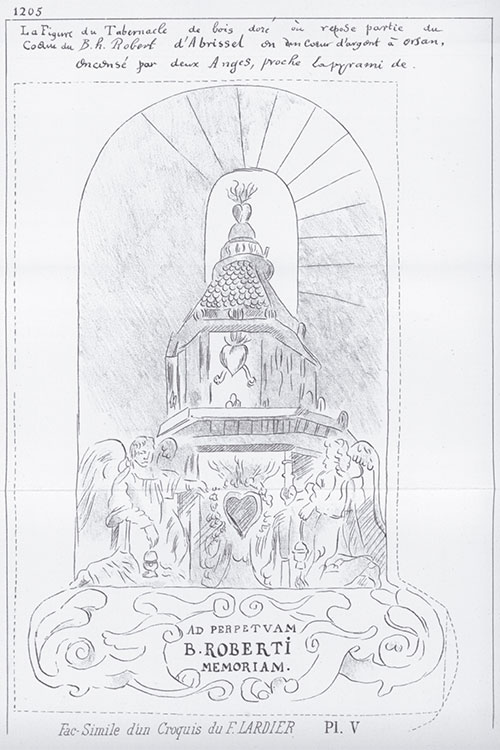
Robert of Arbrissel reliquary
Illustration from Le prieuré d’Orsan, en Berri (1901)
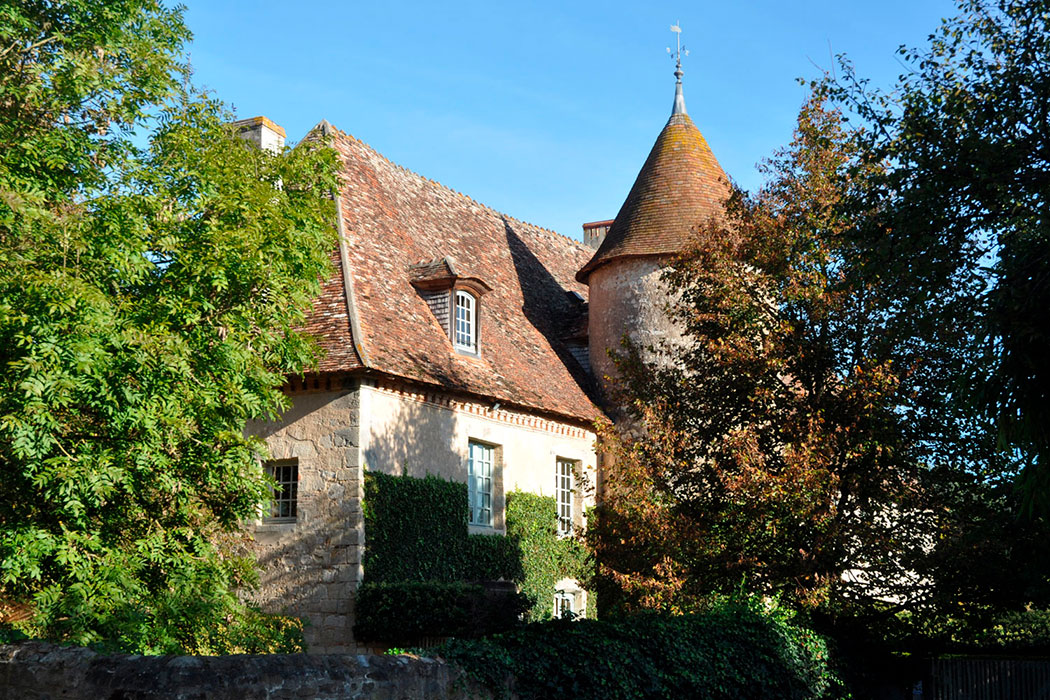
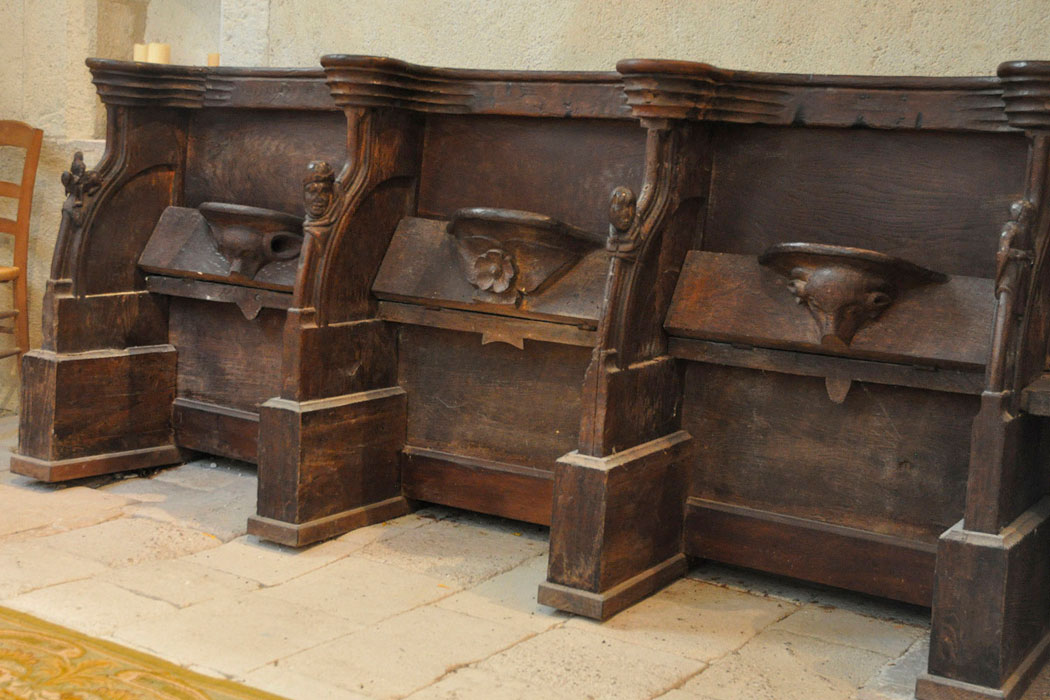
In the church of the Puyferrand Abbey
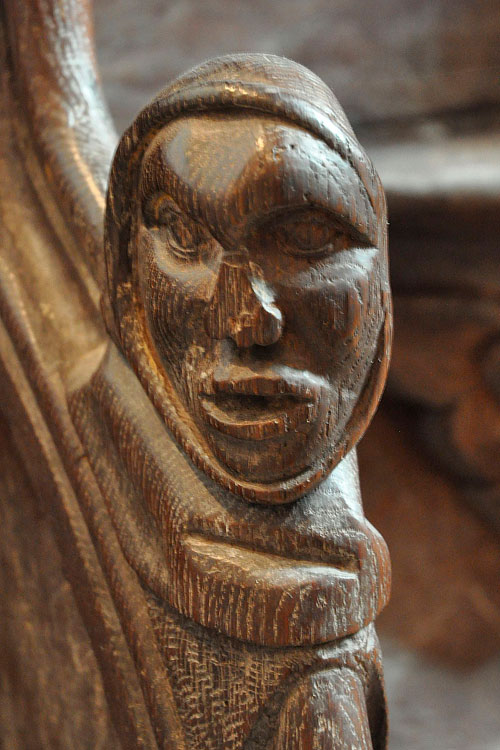
In the church of the Puyferrand Abbey
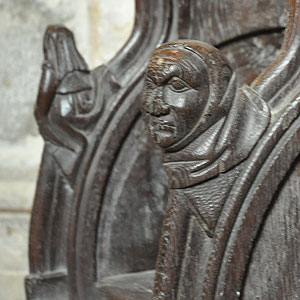
In the church of the Puyferrand Abbey
- BEAUNIER, Dom (1912). Abbayes et prieurés de l'ancienne France. Vol. 5. Bourges. Abbaye de Ligugé
- CHÉNON, Émile (1878). Notice historique sur Châteaumeillant. Mémoires de la Société des antiquaires du Centre, vol. VII. Bourges
- DALARUN, Jacques (1984). La véritable fin de Robert d'Arbrissel. Cahiers de civilisation médiévale, núm. 108
- DESHOULIÈRES, François (1902). Le prieuré d’Orsan, en Berri. Mémoires de la Société des antiquaires du Centre, vol. 25. Bourges: Tardy-Pigelet
- THAUMAS DE LA THAUMASSIÈRE, Gaspard (1689). Histoire de Berry. Bourges: Toubeau
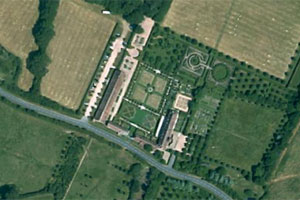
Le Prieuré d'Orsan belongs to the commune of Maisonnais, south of Bourges, in a secluded area away from the main communication routes