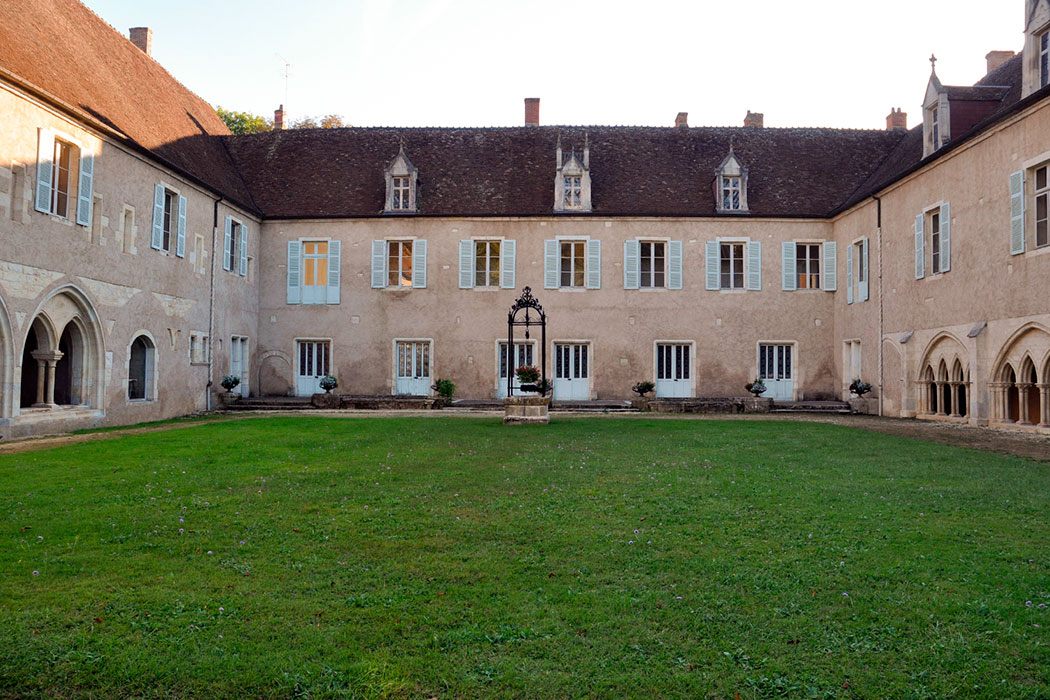

The foundation date of the Abbey of Notre-Dame de La Prée is uncertain. Some authors have placed it in 1128, but it is not documented until 1145, the date recorded in Cistercian registers. This may in fact correspond to the completion of the construction works. Raoul II of Issoudun († 1164), its founder, sought the assistance of Bernard of Clairvaux (1090–1153), who sent the first monks. In 1145, Bernard himself took part in the consecration of the church.
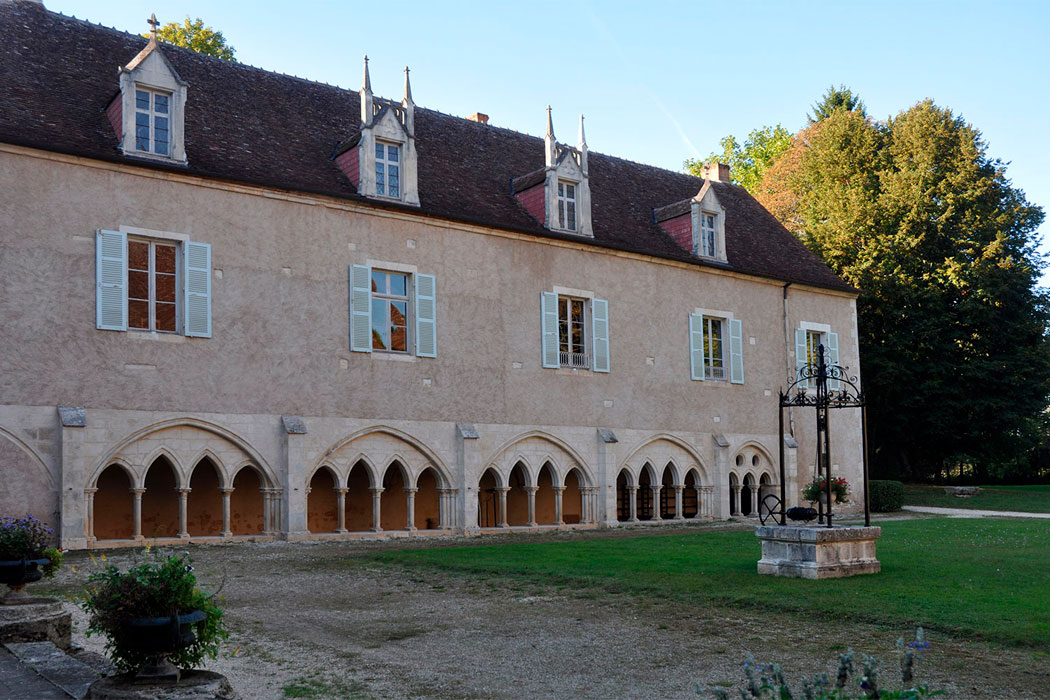
It is also recorded that, in 1141, monks from the Benedictine abbey of Bois-Dabert (or d’Habert, in the Cher department) arrived and joined this community. Eudes III († 1199), grandson of the founder, confirmed in 1190 the possessions granted by his grandfather. By the turn of the 12th and 13th centuries, La Prée had already accumulated a substantial patrimony of rights and properties. The monastery probably suffered during the Hundred Years’ War, after which it was fortified. These defences prevented its direct occupation during the Wars of Religion, although it still endured the effects of the instability of the period. This situation, together with the introduction of the commendatory regime, led to its decline.
The lack of maintenance caused the buildings to fall into a state of disrepair. In 1638, the abbey also suffered a fire. Recovery did not begin until the middle of the 18th century and, by the time of the Revolution, the site had been fully restored. After the expulsion of the Cistercian community, the monastery was sold to a private owner in 1791 and extensively altered; the church was demolished and the complex adapted as a residence. Subsequently, La Prée was used for industrial activities before once again becoming a residential property. In the mid-20th century, it became a care centre and, later, an association devoted to artistic and cultural activities was established there.
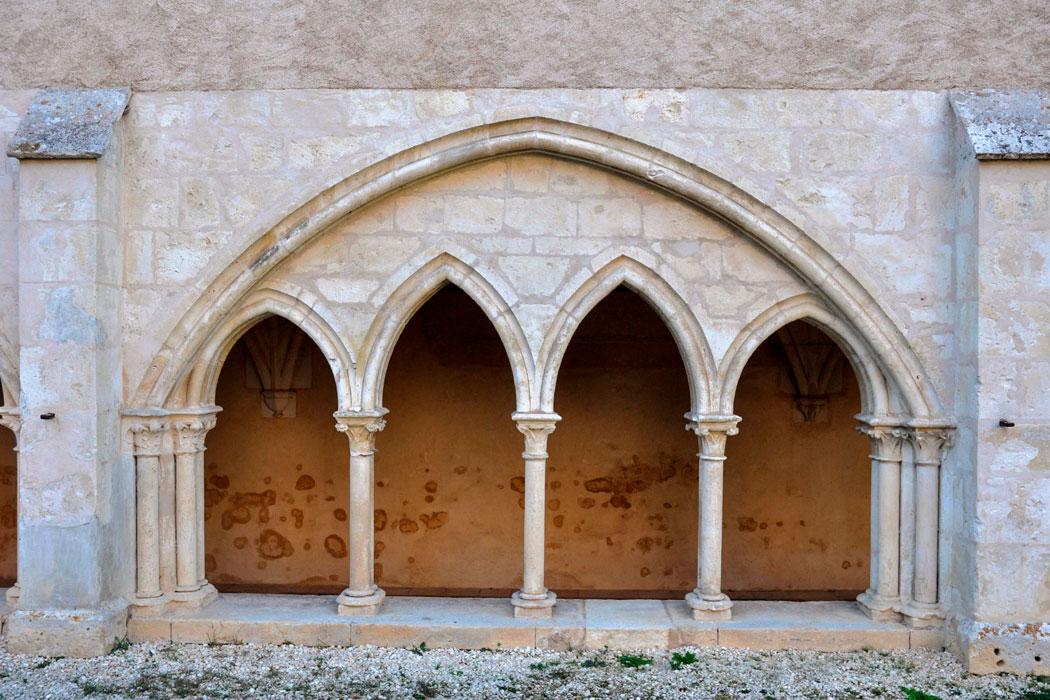
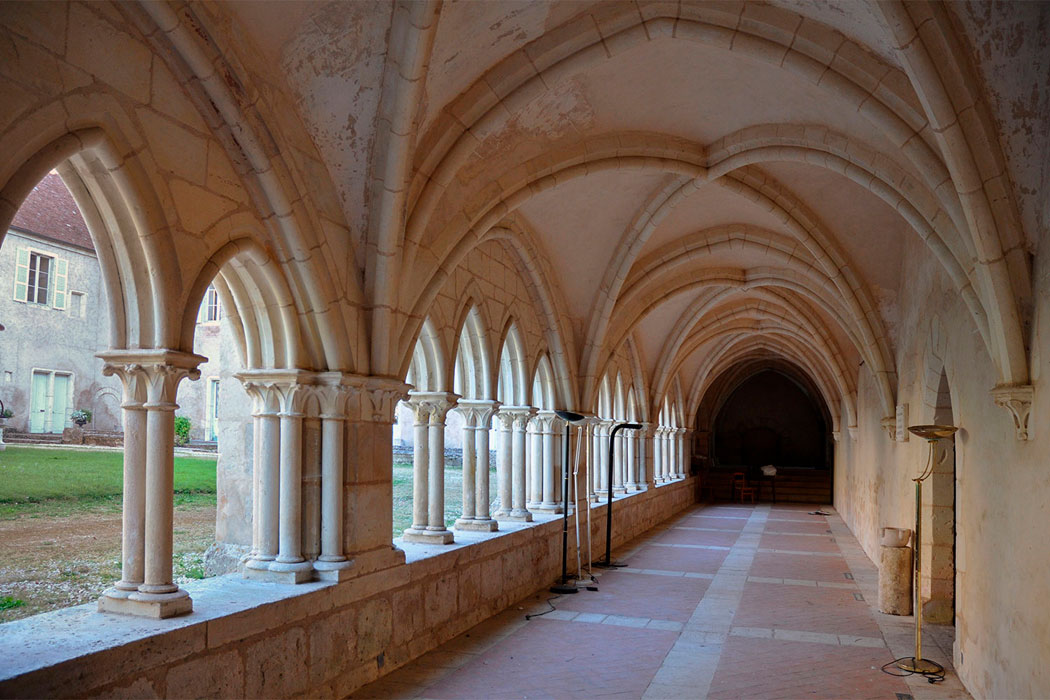
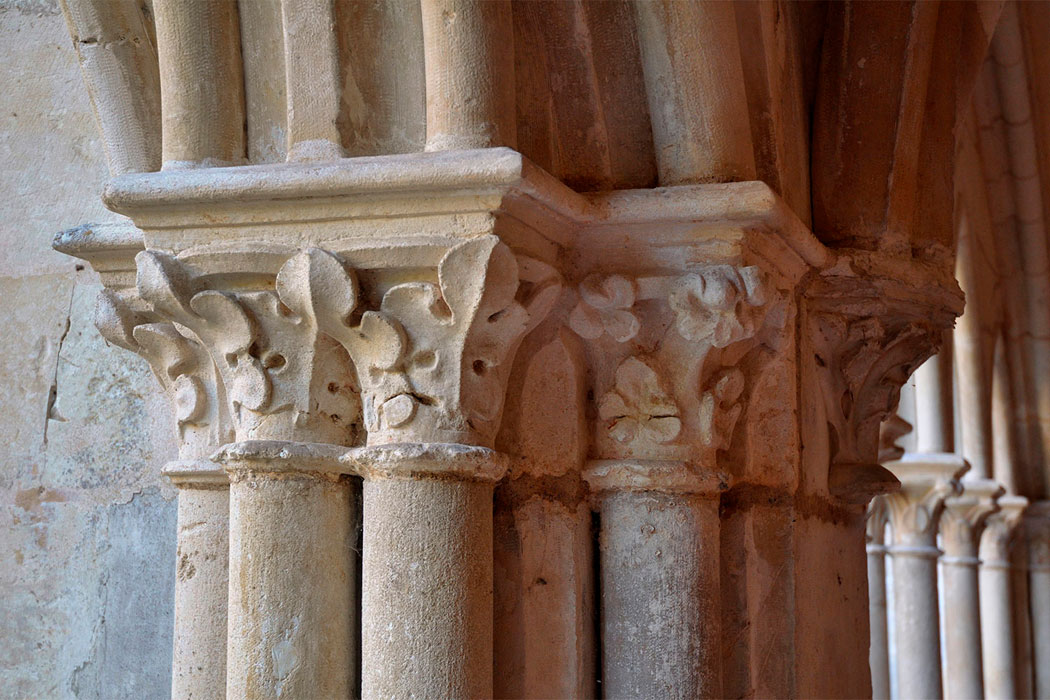
Western gallery of the cloister
Today, the cloister area survives together with some of the buildings that once surrounded it. The northern side, where the church stood, has disappeared. The conventual buildings have been extensively altered, but the chapter house and the western gallery are particularly noteworthy. Some remains of the church also survive. It had three aisles, a transept and a chancel formed by five rectangular apses.
Affiliation of La Prée
According to Originum Cisterciensium (L. Janauschek, 1877)Abbey of La Prée / 1145
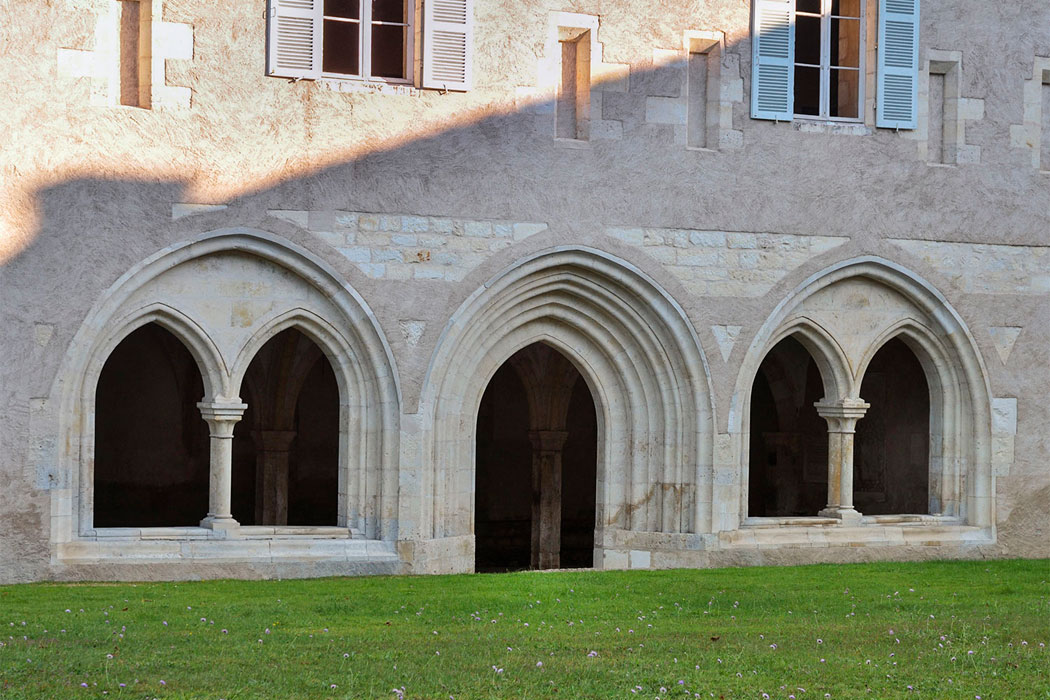
Chapter house
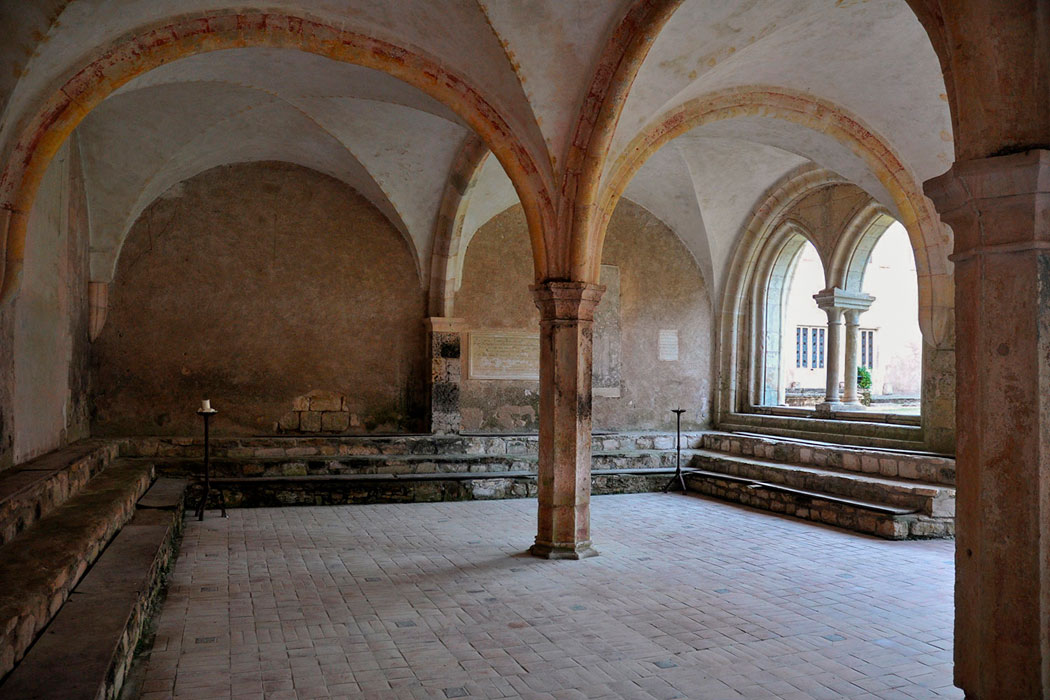
Chapter house
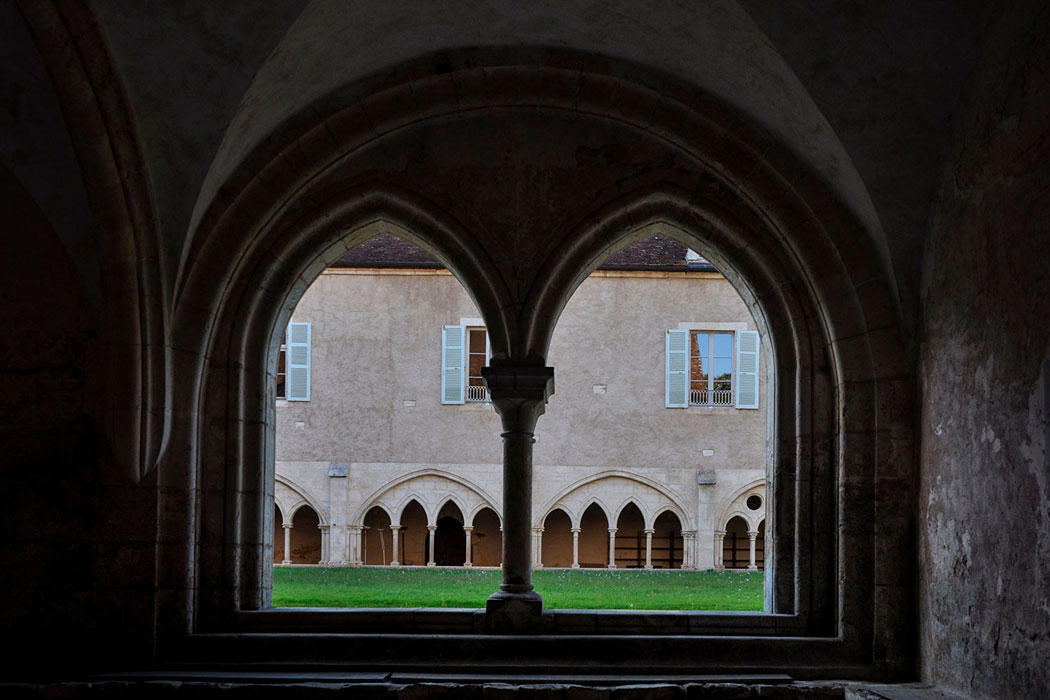
Chapter house
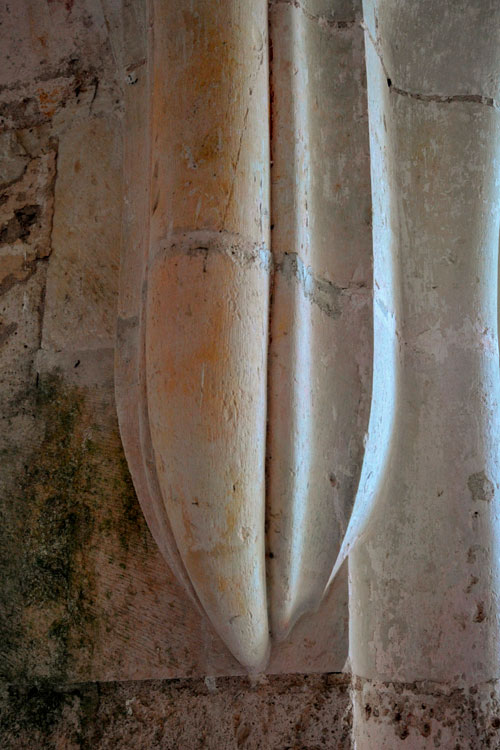
Chapter house
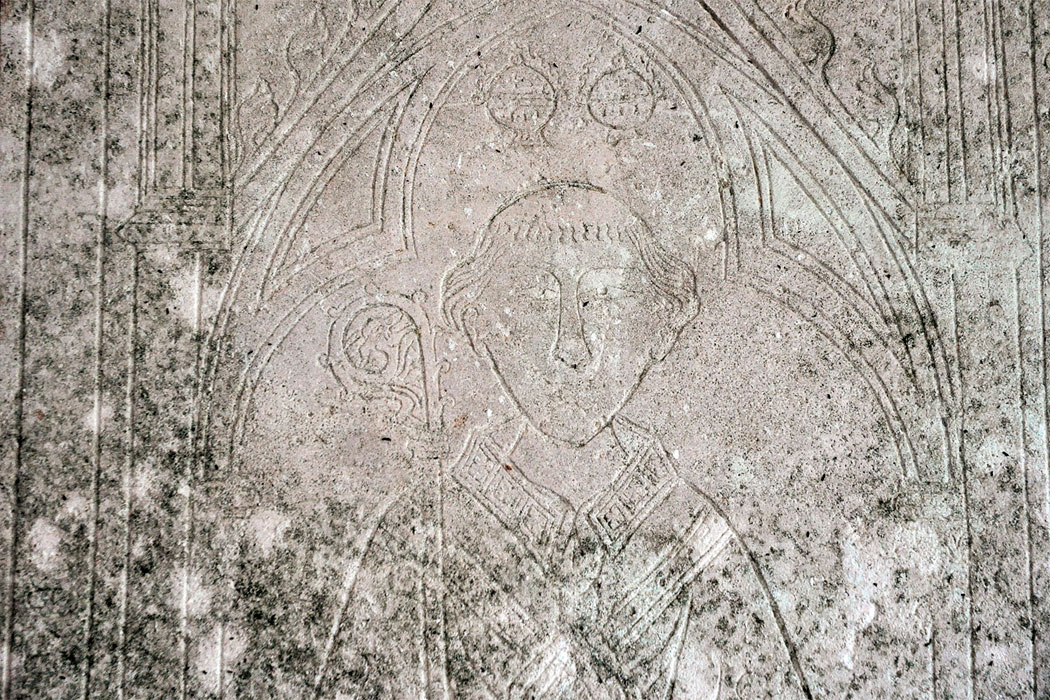
Tombstone of Abbot Étienne de Trécis (1290-1306)
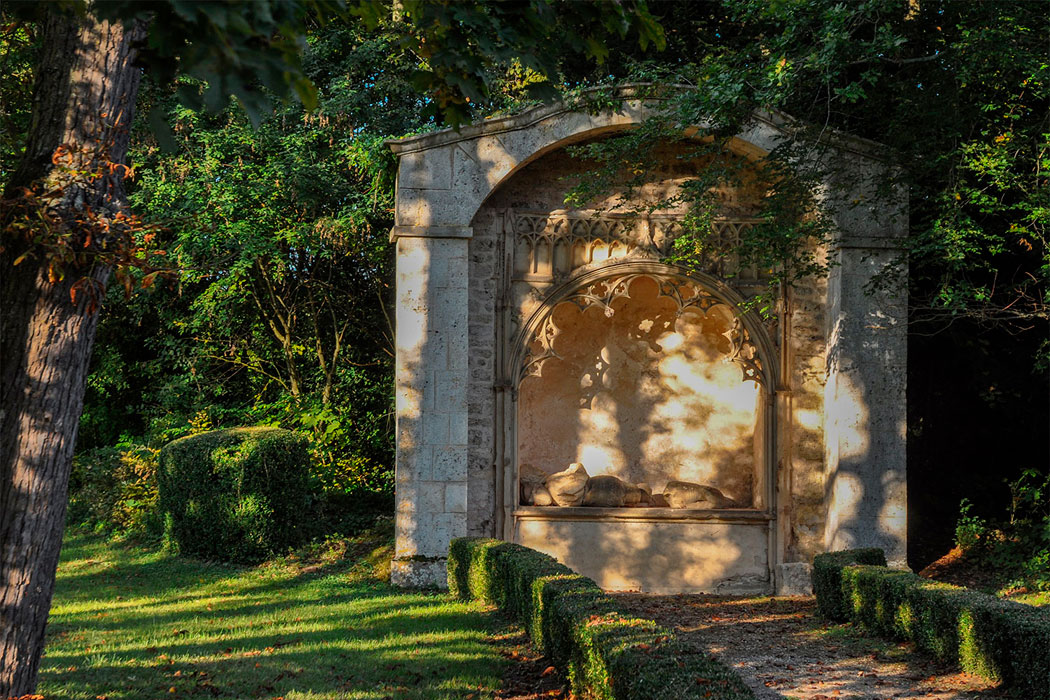
Remains of the transept, with a tomb
- BEAUNIER, Dom (1912). Abbayes et prieurés de l'ancienne France. Vol. 5. Bourges. Abbaye de Ligugé
- JANAUSCHEK, Leopoldus (1877). Originum Cisterciensium. Vol. 1. Viena
- PÉRÉMÉ, Armand (1847). Recherches historiques et archéologiques sur la ville d'Issoudun. París: B. Duprat
- RAYNAL, Louis (1844). Histoire du Berry, vol. 2. Bourges: Vermeil
- ROBERGE, Céline (2011). Les abbayes cisterciennes de l'ancien diocèse de Bourges aux XIIe et XIIIe siècles. Tesi doctoral. Université Paris Ouest
- SAINT-MAUR, Congregació de (1720). Gallia Christiana in provincias ecclesiasticas distributa. Vol. 2. París: Typographia Regia
- THAUMAS DE LA THAUMASSIÈRE, Gaspard (1589). Histoire de Berry. París: J. Morel
- THIL, Colonel (1929). Notes sur l’abbaye de La Prée. Mémoires de la Société des antiquaires du Centre, vol. 43. Bourges
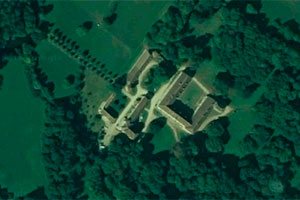
The monastery of La Prée is situated in the commune of Ségry, east of Issoudun