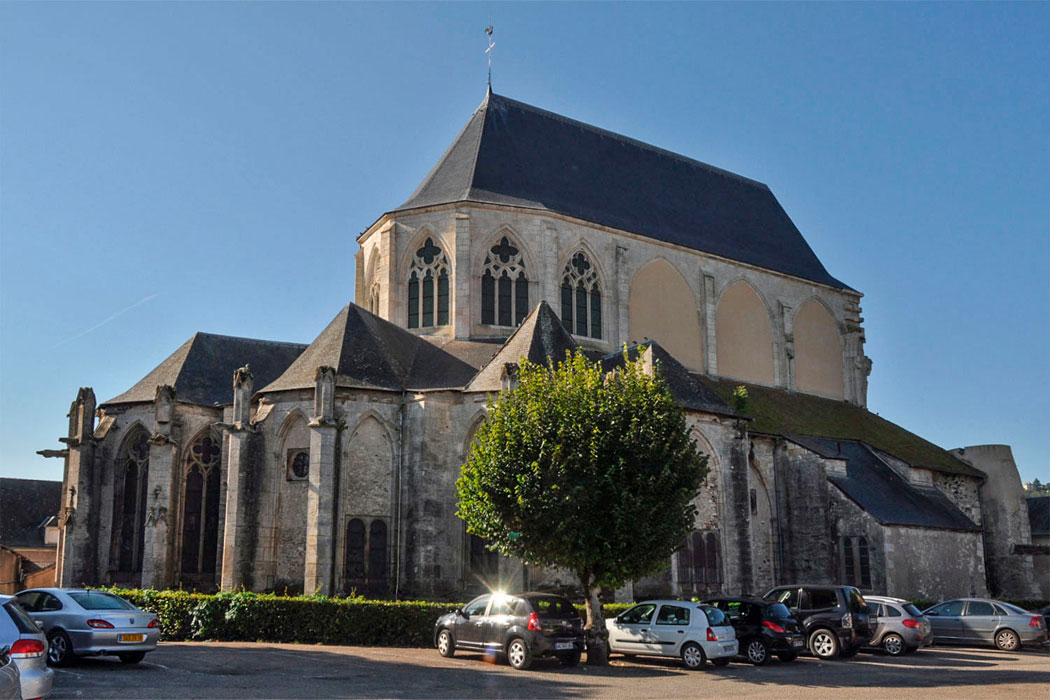

According to tradition, a monastery dedicated to Saint Peter was founded on this site by the Breton hermit Romble (Romulus) during the first half of the fifth century. Another account relates that, in 866, Raoul de Turenne, Archbishop of Bourges, brought to the site the relics of Saint Satur, who had been martyred at Carthage in 203, and deposited them in that church. The place, then known as Château-Gordon, subsequently adopted the name of Saint-Satur, as did the church of Saint-Pierre.
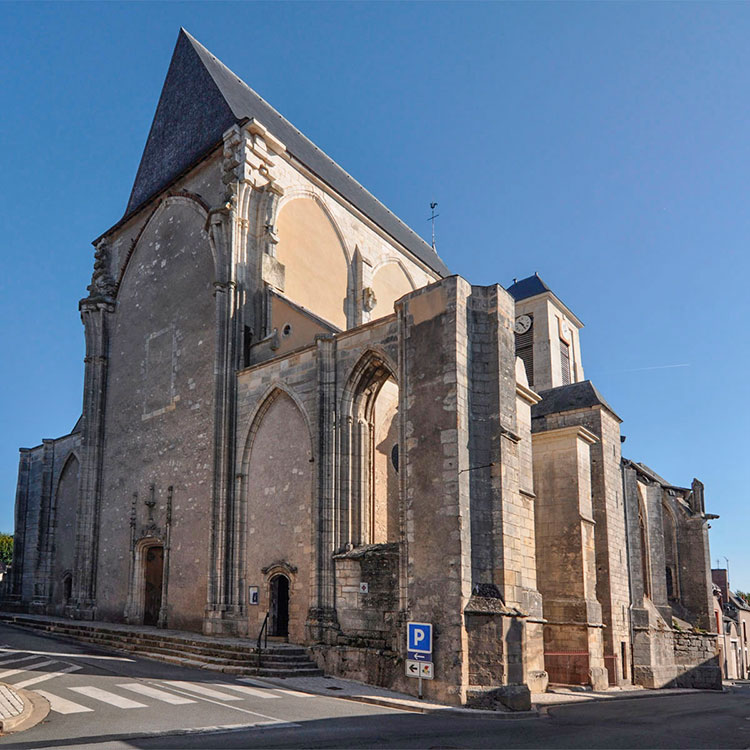
A monastery had probably already been established here by that time, but it disappeared during the Norman and Hungarian invasions. The site was restored in 1034 at the initiative of the noblewoman Mathilde, daughter of Gimon, lord of Château-Gordon, with the support of Aymon de Bourbon (1030–1070), Archbishop of Bourges. At the same time, community of canons dependent on Saint-Étienne Cathedral in Bourges was established. In 1104, Archbishop Leodegarius (or Léger) consecrated the new church of Saint-Satur.
It is generally accepted that, in 1131, the community, which had until then been occupied by secular canons, adopted the Rule of Saint Augustine through the intervention of Pope Innocent II, despite opposition from part of the community. Shortly afterwards, in 1143, the canonry of Saint-Satur was attacked and severely damaged; Pope Innocent II subsequently excommunicated those responsible. In 1234, the house was visited by King Saint Louis of France (1226–1270), and in 1306 it received Pope Clement V. The abbey's early prosperity was seriously affected during the second half of the fourteenth century. In 1361, Saint-Satur was attacked by the English, making restoration work necessary.
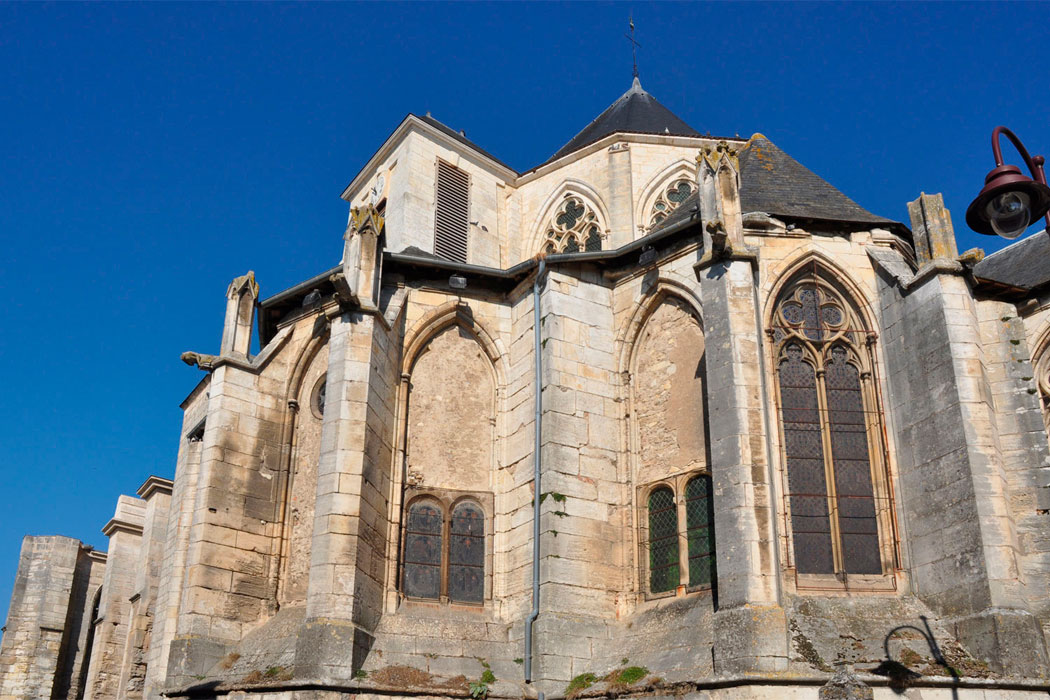
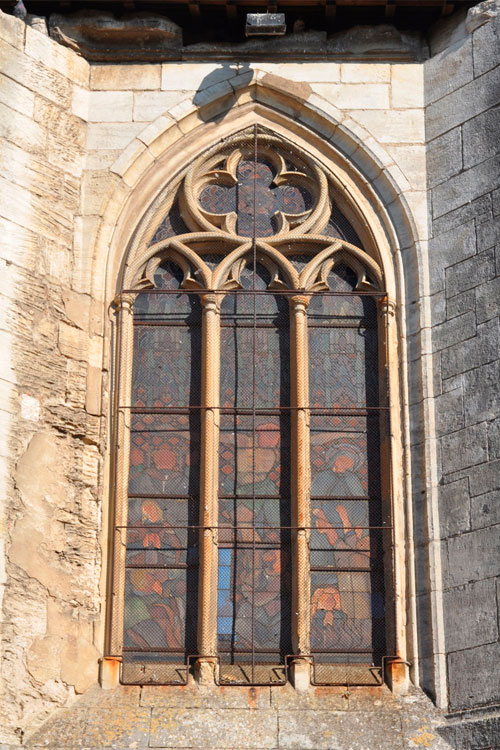
In 1420, however, the town of Saint-Satur and the abbey were once again occupied by the English, who plundered the monastic buildings. As a result, the community abandoned the site until returning in 1454. From 1523 onwards, the house, already in decline, was placed under the commendatory system. This, together with the effects of the Wars of Religion, during which it suffered another raid and sack in 1567, prevented its recovery. The decline continued, and the community was suppressed in 1755, although the suppression did not take effect until 1775. The unfinished church then assumed parochial functions, which it continues to fulfil today.
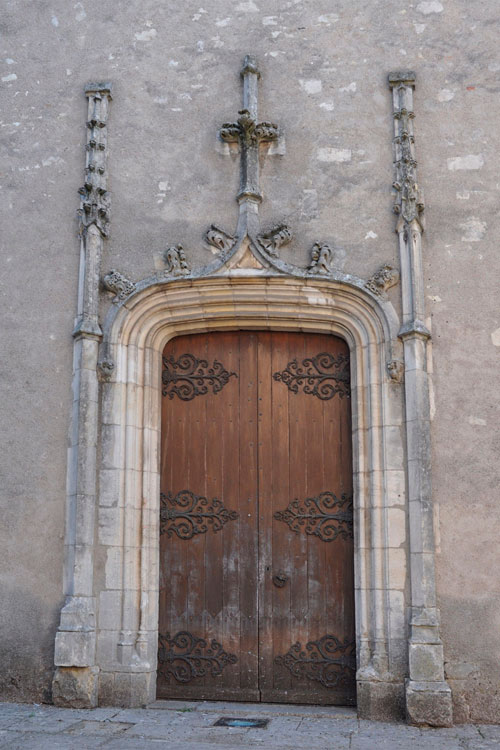
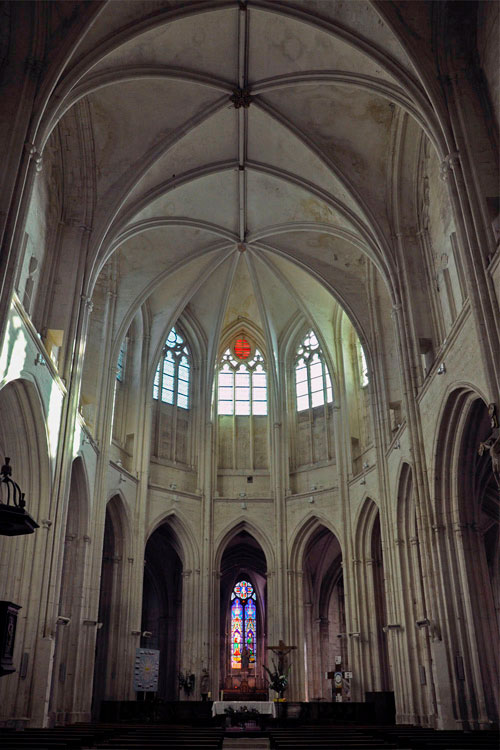
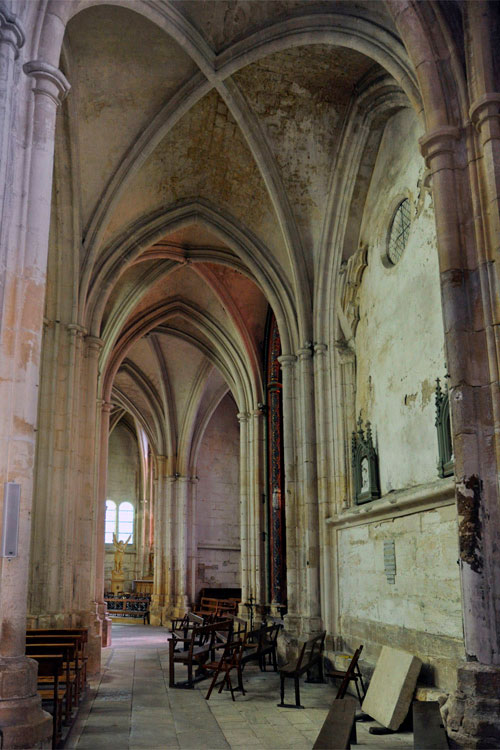
The abbey church, begun in the mid-fifteenth century after the earlier building had fallen into ruin, is the principal surviving structure. The Wars of Religion and the subsequent decline prevented its completion. The project envisaged a much larger church, but only the eastern end, as far as the transept, was built. Broadly speaking, the church consists of a single nave, what was to be the chancel, surrounded by an ambulatory with five radiating chapels.
- BEAUNIER, Dom (1912). Abbayes et prieurés de l'ancienne France. Vol. 5. Bourges. Abbaye de Ligugé
- DU TEMS, Hugues (1775). Le clergé de France, vol. III. París: Brunet
- GEMÄHLING, M. (1867). Monographie de l'abbaye de Saint-Satur, près Sancerre (Cher). París: Imp. Centrale des Chemins de Fer
- SAINT-MAUR, Congregació de (1720). Gallia Christiana in provincias ecclesiasticas distributa. Vol. 2. París: Typographia Regia
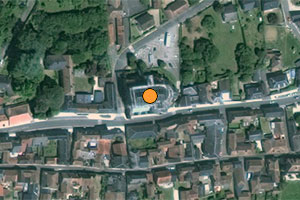
Saint-Satur Abbey is located in the commune with the same name, northeast of Sancerre