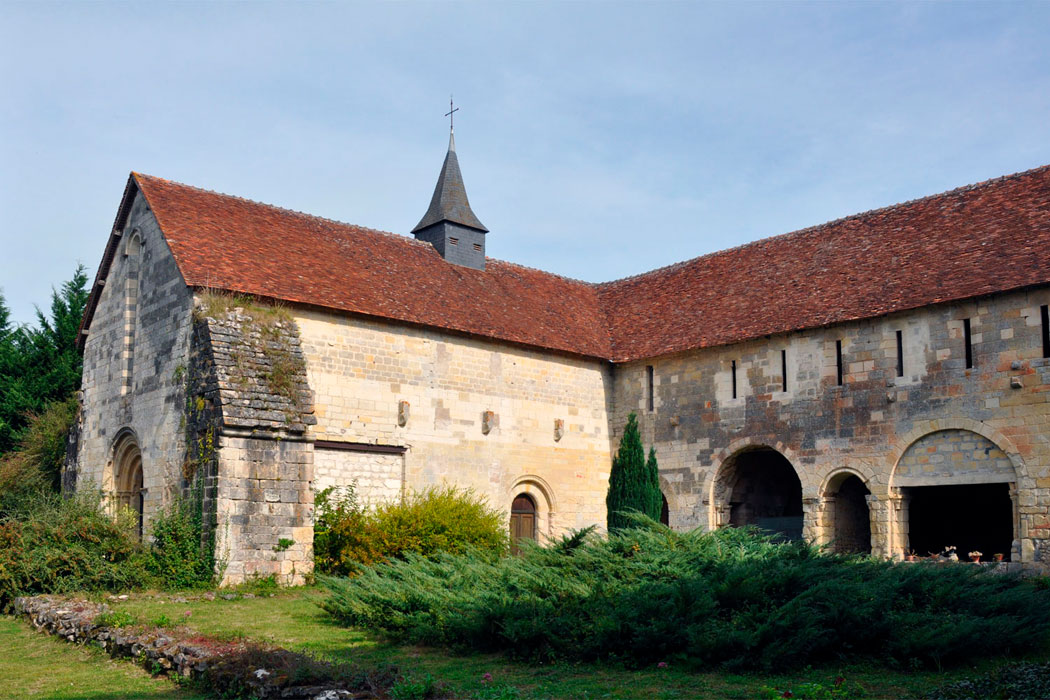

The Priory of Notre-Dame et Saint-Étienne de Villiers was founded in 1162 by Henry II, King of England and Count of Touraine (1133–1189). The monarch showed a particular interest in the Order of Grandmont and promoted the establishment of seven priories belonging to this monastic order, including this house, which had been occupied provisionally since 1157. In 1189, Henry II's son, Richard the Lionheart (1157–1199), confirmed its foundation.
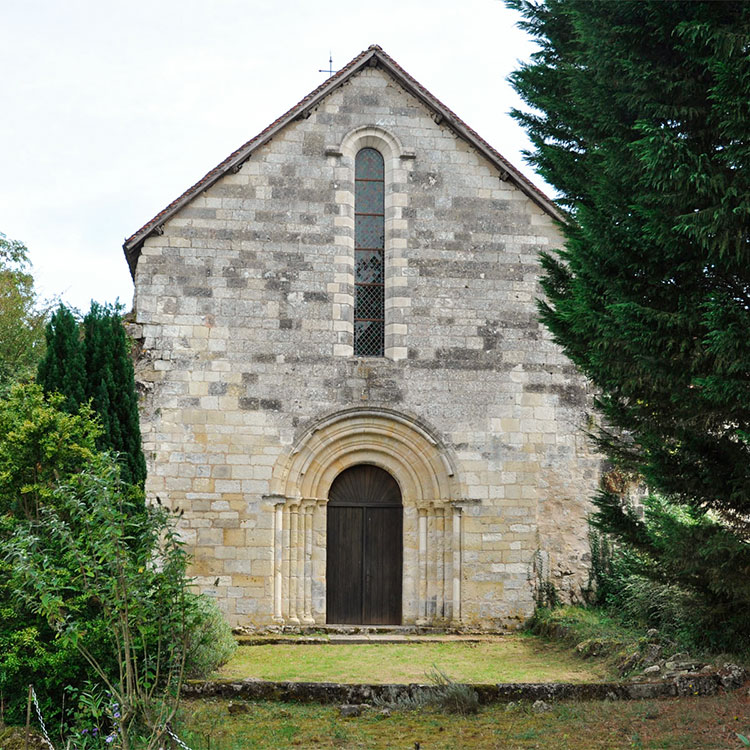
In 1317, the structure of the Order of Grandmont was reorganised, resulting in the grouping of its priories and a reduction in their number. As a consequence of this reform, Villiers received members from other suppressed houses, allowing the formation of a larger community of around thirty monks. However, by the mid-fourteenth century, the political crisis and the conflicts that affected the region brought the priory into decline and led to a significant reduction in the size of the community. This situation worsened with the introduction of commendatory priors, and the decline continued over the following centuries.
In 1774, the suppression of the priory and its incorporation into the seminary of Tours were decreed, but this decision was soon revoked. Nevertheless, the community did not recover, and part of the buildings was lost. The last prior, Jacques-Louis de Baraudin († 1790), converted the site into a residence, and after the Revolution the property was sold. Although it subsequently passed into private ownership and was used for agricultural purposes, the site still preserves much of its medieval monastic fabric, which was restored during the last quarter of the twentieth century to accommodate hermits following the spirit of the former Order of Grandmont.
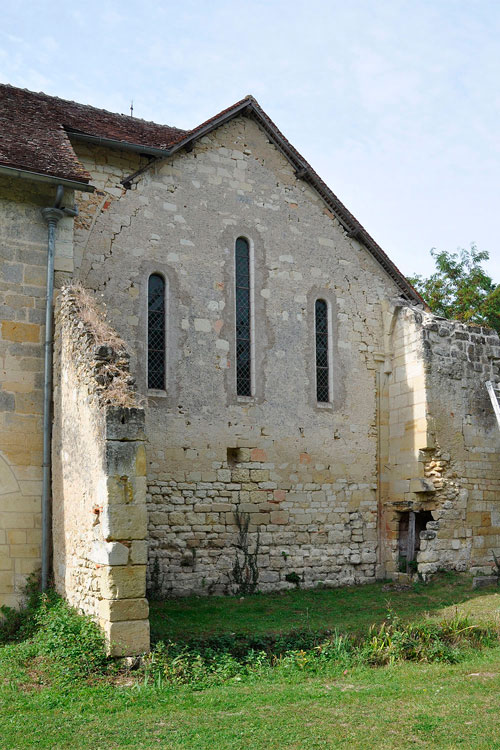
Current chevet of the church
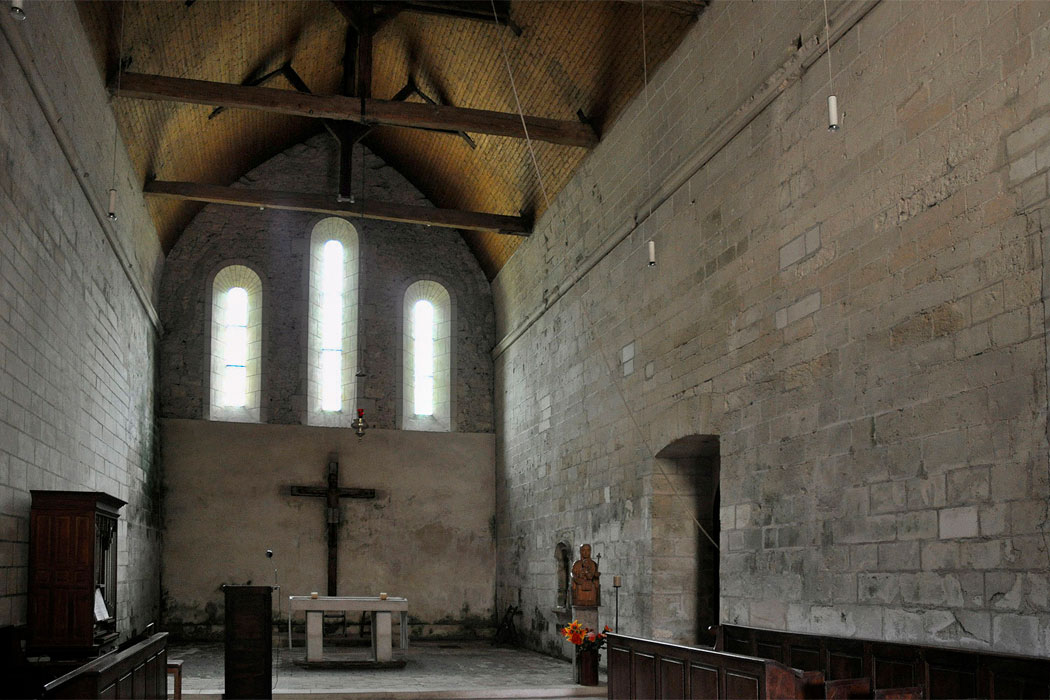
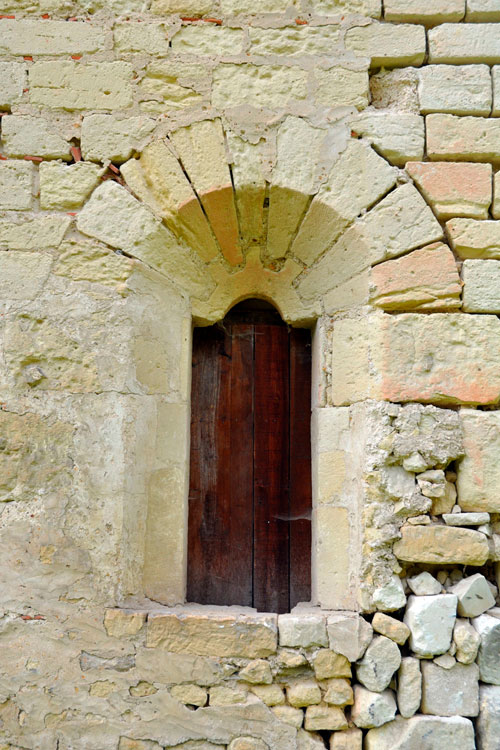
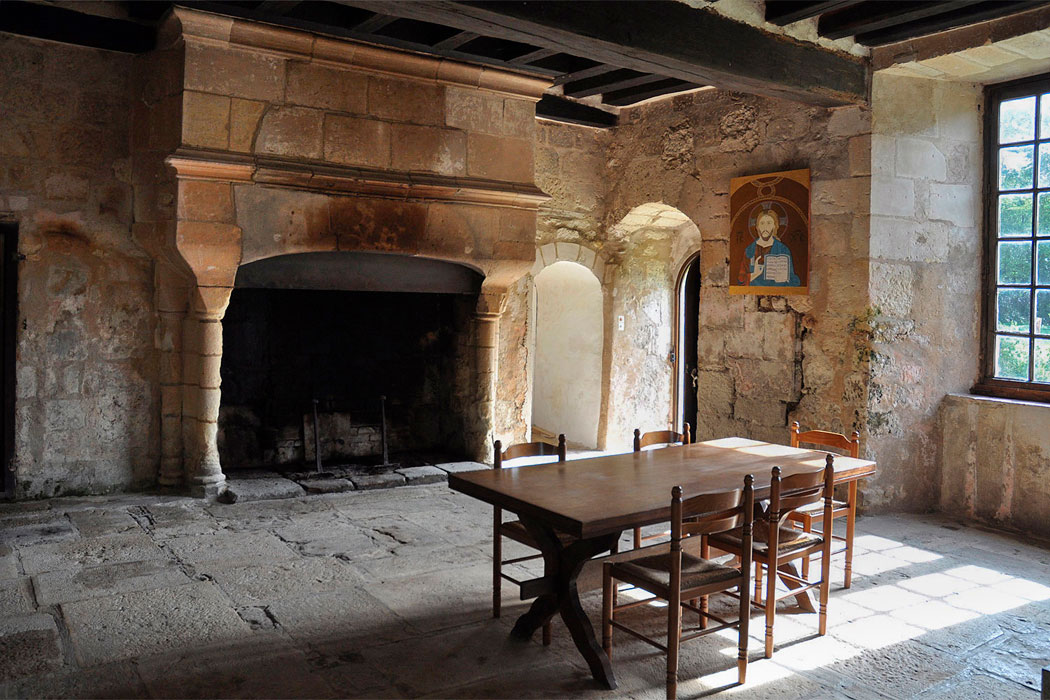
Part of the former priory church survives. It displayed the usual characteristics of the order: a single-vessel nave covered with a vault and terminating in an eastern apse. The present building has lost this apse. The cloister was located on the south side and has now disappeared, although its location remains identifiable. To the east of this area survive, albeit heavily altered, the structures of the chapter house and the cellar, with the dormitory occupying the upper floor. The refectory and kitchen stood to the south. The buildings of the western range have disappeared.
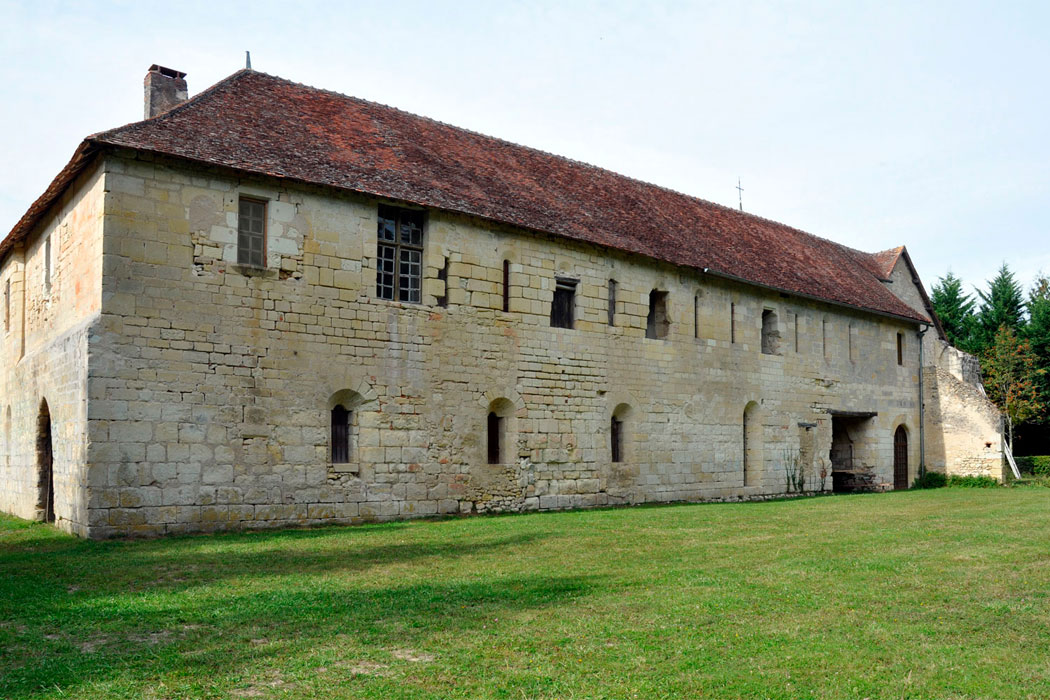
East facade
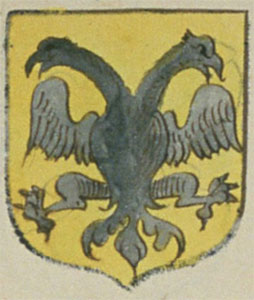
According to Armorial général de France (18th century)
Bibliothèque nationale de France

Founder of Villiers
Engraving by Pierre-François Basan (18th century)
Bibliothèque nationale de France
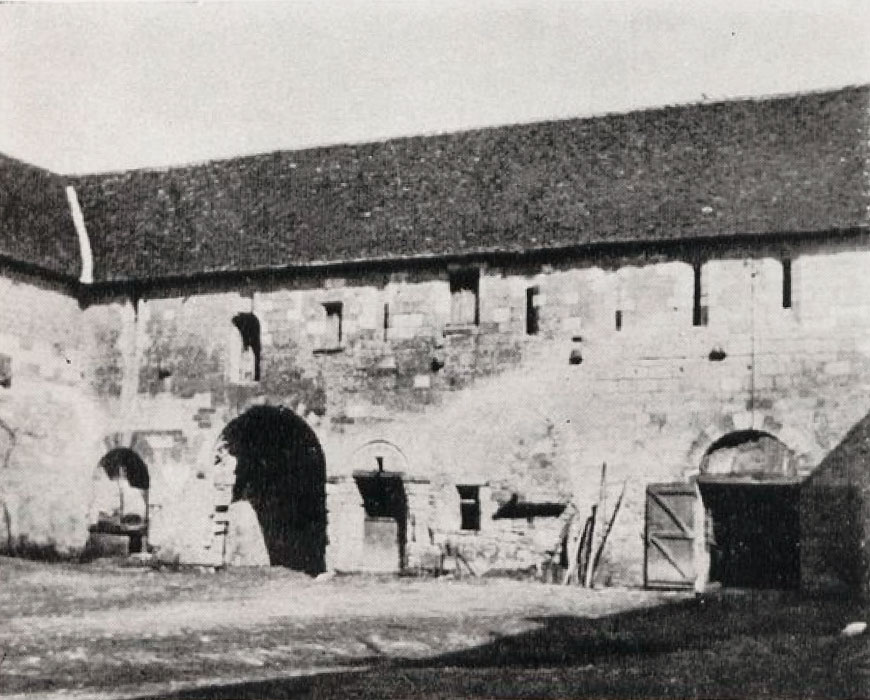
Photo published in Vestiges Grandmontains Tourangeaux (1960)
- BESSE, Jean-Martial (1920). Abbayes et prieurés de l'ancienne France, vol. 8, Tours. París : Picard
- BOURDERIOUX, M. (1960). Vestiges Grandmontains Tourangeaux. Bulletin de la Société archéologique de Touraine. Tours
- BRESSON, Gilles (2000). Monastères de Grandmont. Guide d'histoire et de visite. Le Château d’Olonne: Orbestier
- CARRÉ DE BUSSEROLLE, Jacques-Xavier (1884). Dictionnaire géographique, historique et biographique d'Indre-et-Loire et de l'ancienne province de Touraine. Vol. VI. Tours: Rouillé-Ladevèze
- ERMITES DE SAINT ÉTIENNE DE MURET (2004). Ermitage de Grandmont-Villiers
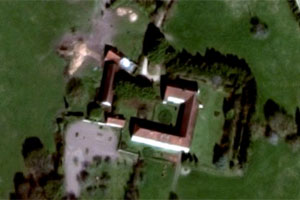
The former Priory of Villiers is situated in an isolated setting within the commune of Villeloin-Coulangé, southeast of Tours