Abbey of Saint-Florent de Saumur
S Florentius / Saint-Florent-lès-Saumur / Salmuriense
(Saumur, Maine-et-Loire)
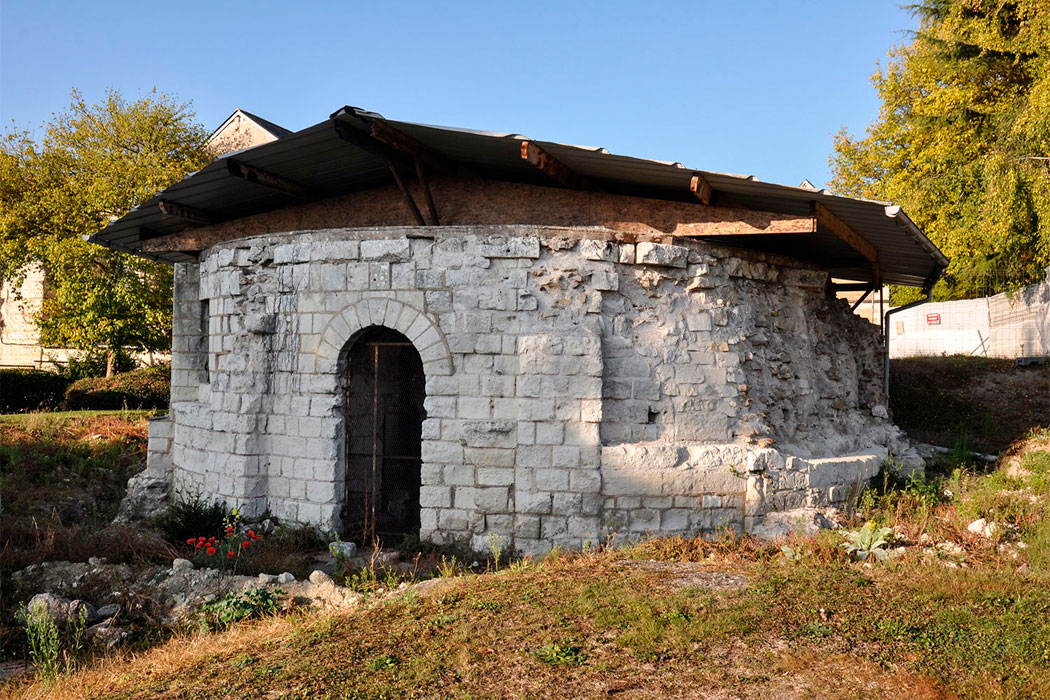
Crypt


The origins of the Abbey of Saint-Florent de Saumur lie in an early monastic settlement located west of Saumur, between Angers and Nantes. At that site stood the tomb of Saint Florentius (4th century), a hermit who had previously occupied the place. By around the year 800, the existence of a monastery is already documented. Due to the Norman invasions, in 862 the monks were forced to flee and settled temporarily in various locations.
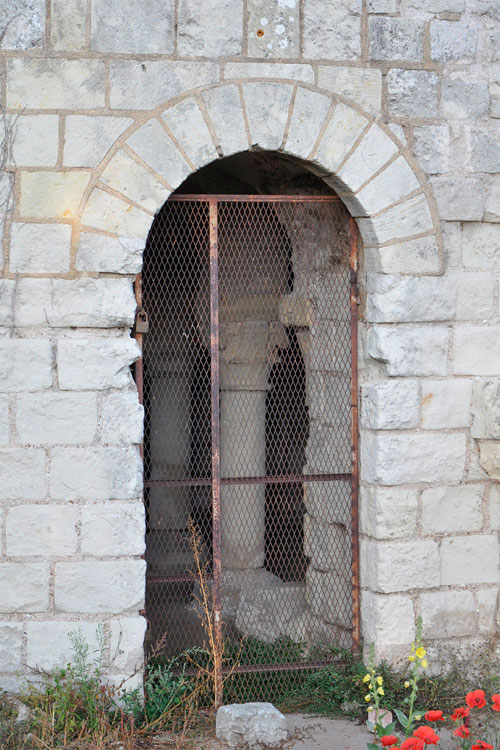
Crypt
Once stability was restored, in the mid-10th century the monks established themselves in Saumur, at a place later known as Saint-Florent-du-Château, where they arrived carrying the relics of Saint Florentius. Nearby, the castle of Saumur had also been built, and in 1026 it was attacked by Fulk III Nerra (c. 970–1040), Count of Anjou. The monastery was likewise affected by this military episode, and the monks had to move to a nearby site where a church dedicated to Saint-Hilaire already existed. There they began the construction of the new monastery of Saint-Florent-lès-Saumur.
The construction of the church must have been sufficiently advanced by 1030 to allow the relics of Saint Florentius to be placed there; it was consecrated in 1041. In 1159 the relics were placed in a new shrine. In the following years, the various monastic buildings were developed, and the parish church of Saint-Barthélemy was also built; moreover, the whole complex was fortified. By the 14th century, the monastery had become an important establishment, but it was affected by the Hundred Years’ War. In the following century, a new building campaign was undertaken, thoroughly renewing the complex.
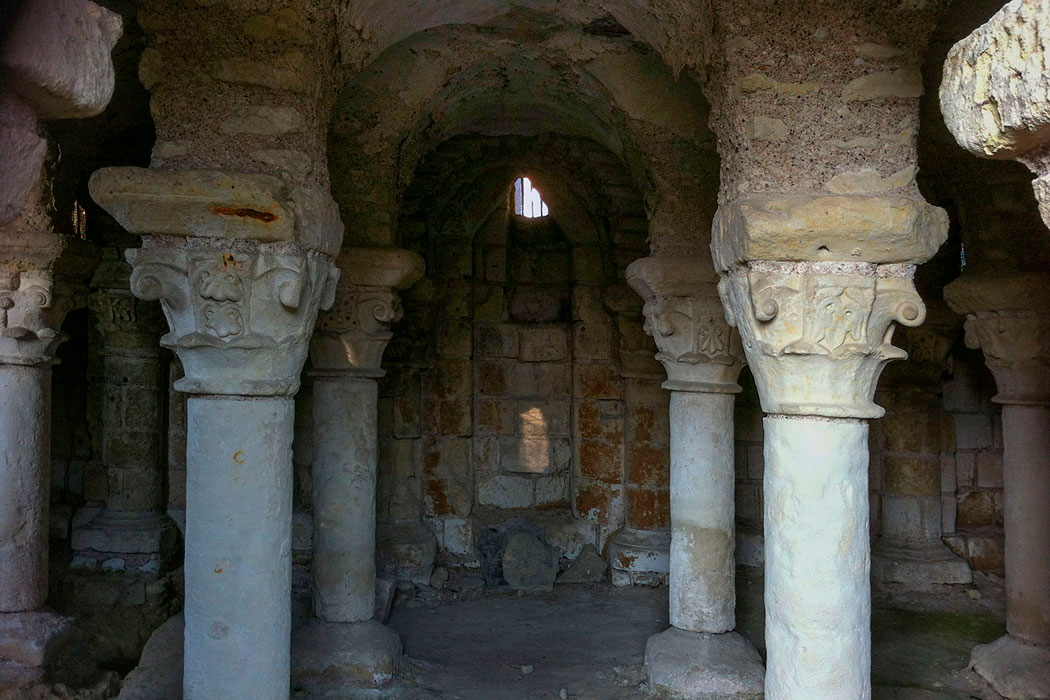
Crypt
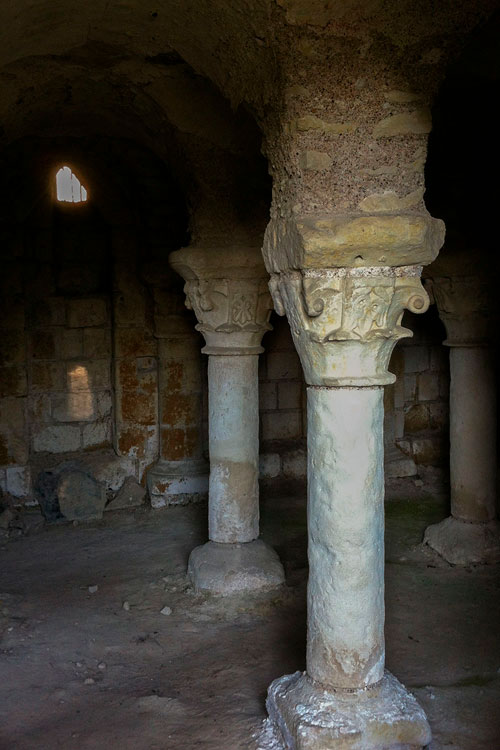
Crypt
During the first half of the 16th century, the house came under the commendatory system and soon suffered the effects of the Wars of Religion, during which it was attacked and plundered. In the 17th century, Saint-Florent experienced a period of material decline and a relaxation in observance. In 1637, the Congregation of Saint-Maur took over the monastery and cared for it until the Revolution, renovating many of its buildings. The 18th century was a period of intense construction activity.
In 1792 the monastery was suppressed and the monks expelled. The site was sold in several lots, and by the early 19th century, of the medieval buildings there remained little more than the crypt, the church of Saint-Barthélemy—heavily altered later—and the galilee of the abbey church. The remains of the monastery have had various uses and have suffered further losses. Among the surviving elements, the crypt, dating from the earliest phase (11th century), should be noted.
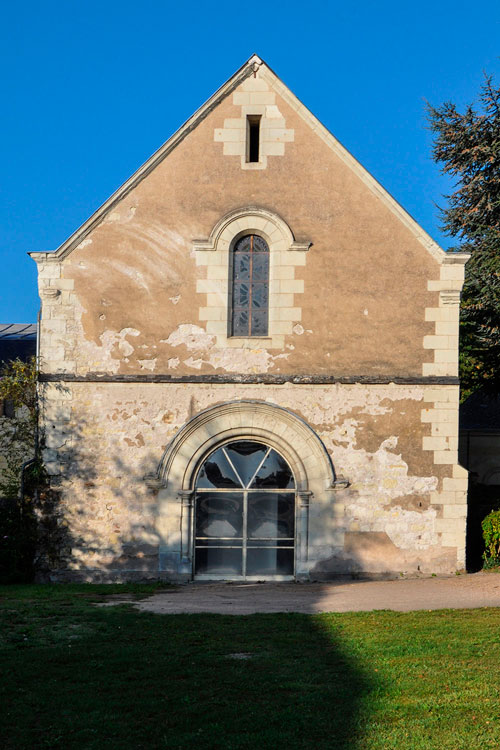
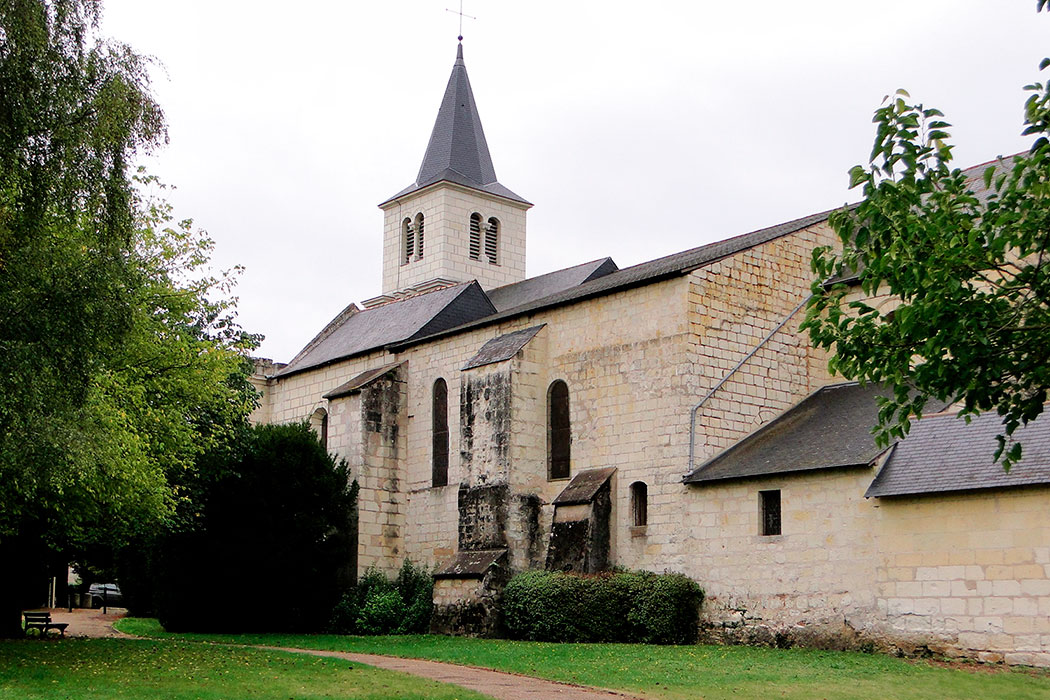
Church of Saint-Barthélemy
Photo by Ecobaniaz, on Wikimedia
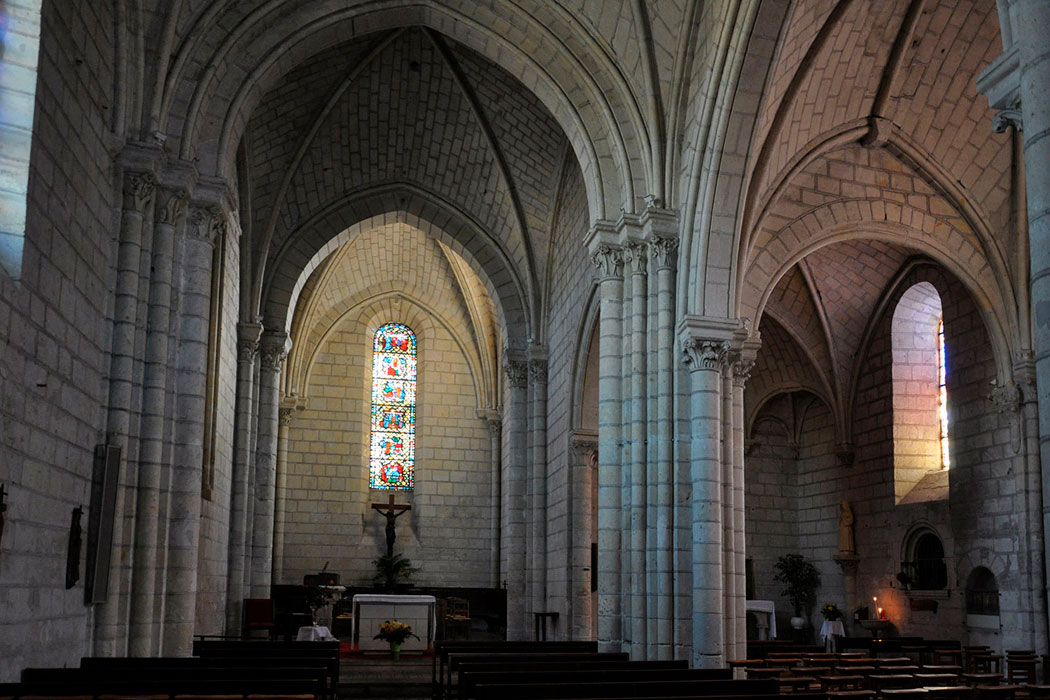
Church of Saint-Barthélemy
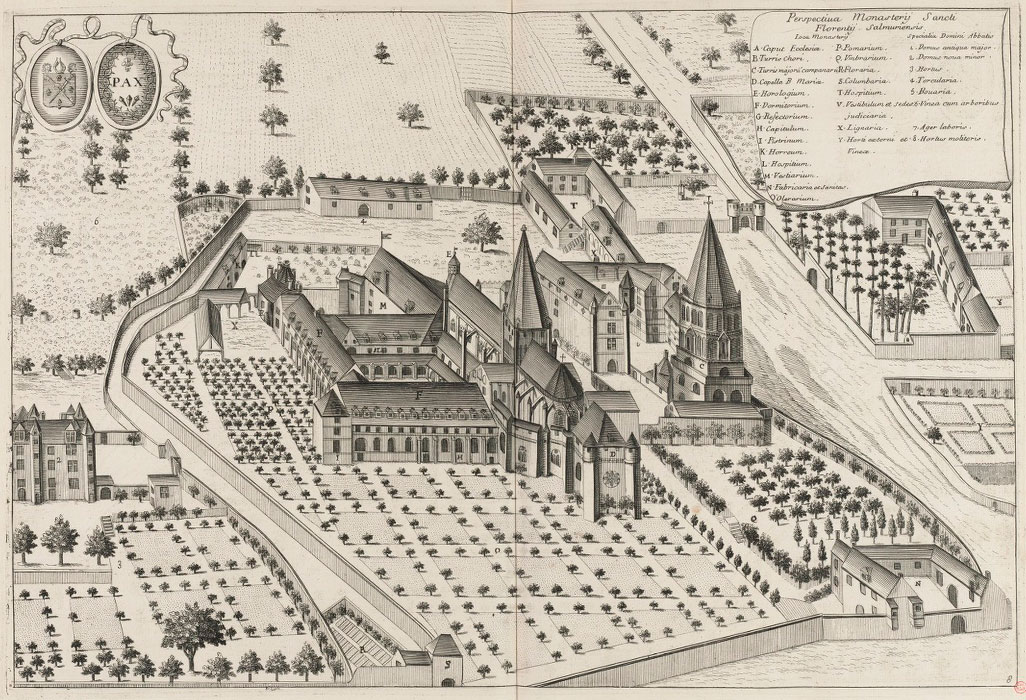
Monasticon Gallicanum
Bibliothèque nationale de France
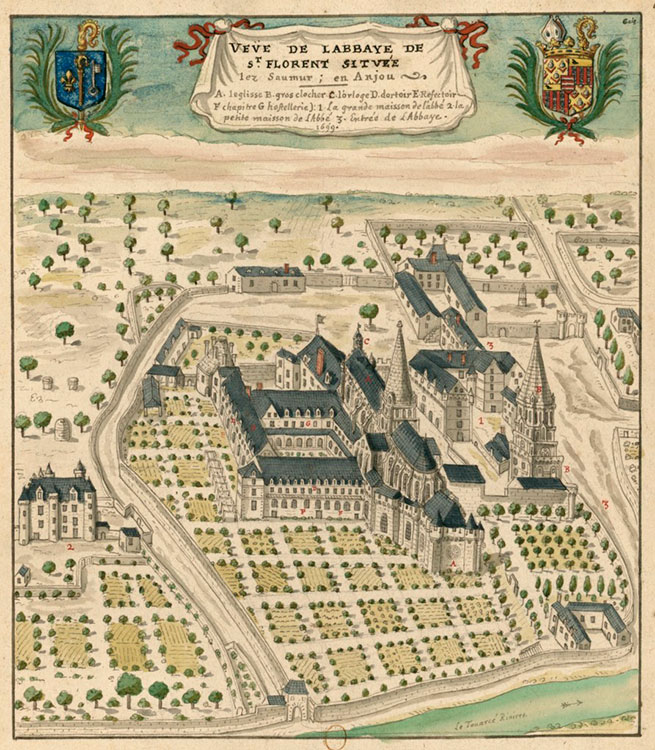
Detail of Veüe de l'Abbaye de St Florent située lez Saumur
Louis Boudan (1699)
Bibliothèque nationale de France
- BODIN, Jean-François (1845). Recherches historiques sur la ville de Saumur. Saumur: Dubosse
- CHAMARD, François (1863). Les vies des saints personnages de l'Anjou, vol. 1. París/Angers: Lecoffre/Cosnier
- COTTINEAU, Laurent-Henri (1939). Répertoire topo-bibliographique des abbayes et prieurés. Vol. 2. Mâcon: Protat
- CROZET, René (1947). L’ancienne abbaye de Saint-Florent-lès-Saumur. Bulletin monumental, vol. 105. Société française d'archéologie
- KOWALCZYK, Alexis (2019). Les campagnes de construction de l’abbaye de Saint-Florent de Saumur par les abbés du Bellay. Université d’Angers
- PEIGNÉ-DELACOURT, Achille (1877). Monasticon Gallicanum. Paris: G. Chamerot
- PETIT, Victor (1863). St.-Florent-lès-Saumur. Congrès archéologique de France, 29 ss. Société française d'archéologie
- RHEIN, André (1911). Saint-Florent-lès-Saumur. Congrès archéologique de France, 77 ss. Société française d'archéologie
- SAINT-MAUR, Congregació de (1856). Gallia Christiana in provincias ecclesiasticas distributa. Vol. 14. París: Typographia Regia
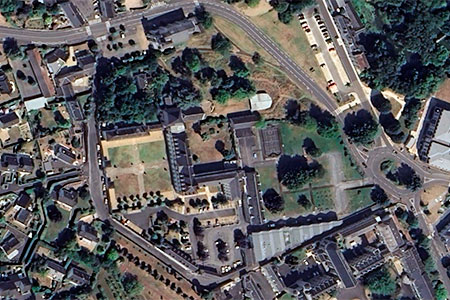
The remains of the monastery are located west of Saumur, near the Loire, between Angers and Tours