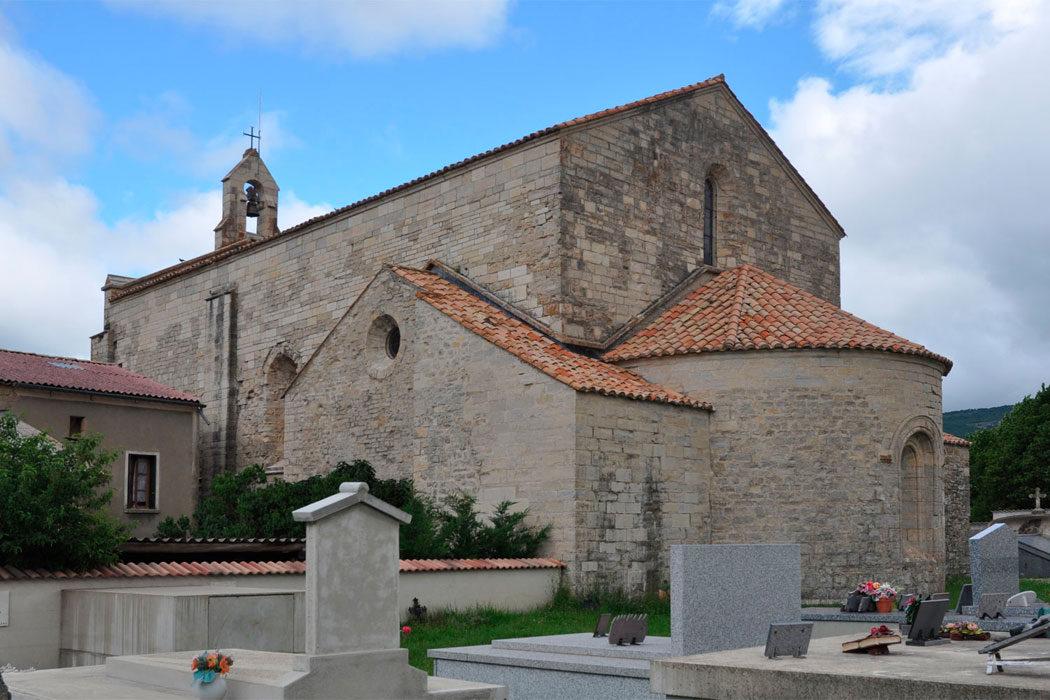

Notre-Dame de Calma is one of the many Cluniac priories established in this region. It was founded on a site where ancient Roman remains have been identified. Two churches were built at Lachau: the parish church, dedicated to Saint-Martin, and that of Notre-Dame, which served as the seat of the priory. The first documentary references to Lachau and its churches do not appear until 1262, when the priory was already active. In 1355 it is mentioned as a dependency of Notre-Dame de Lagrand (Hautes-Alpes).
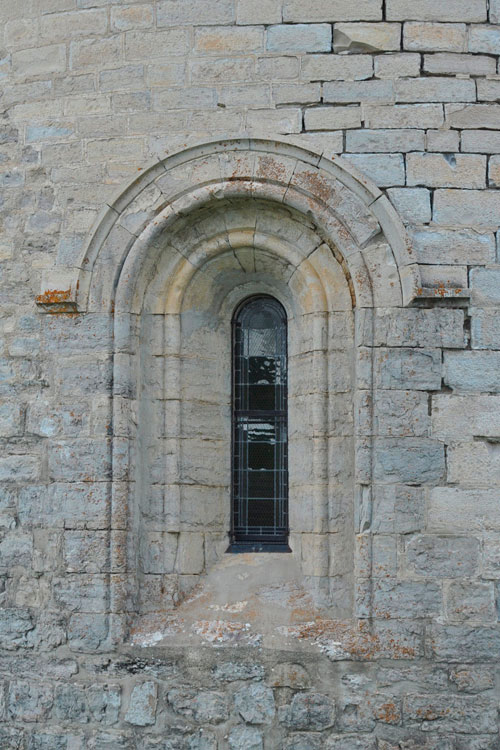
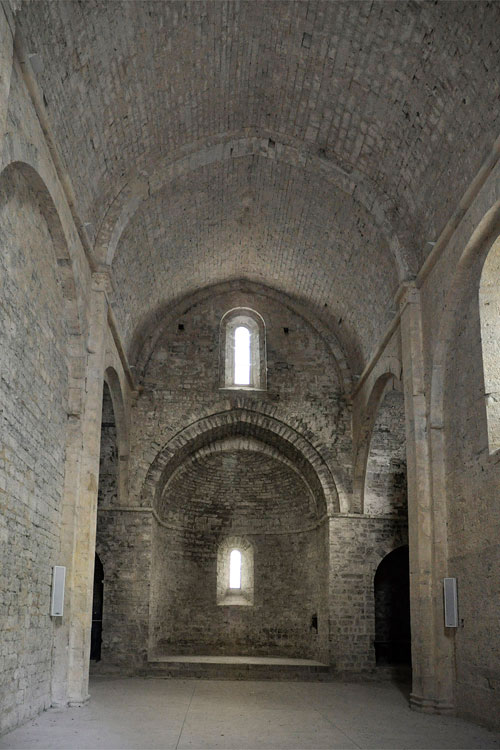
During the second half of the seventeenth century, the church of Notre-Dame took on parochial functions owing to the poor condition of the church of Saint-Martin. However, in the following century it fell almost completely into disuse, as it was located at some distance from the centre of the settlement. After the Revolution, the building became private property and, during the nineteenth and twentieth centuries, it was protected and restored. The church is the only surviving remain of the priory, which probably extended to the south of it. It is essentially a Romanesque building, with a single nave of two bays, a transept, and a large central apse flanked by two further apses of rectangular plan, opening onto the transept.
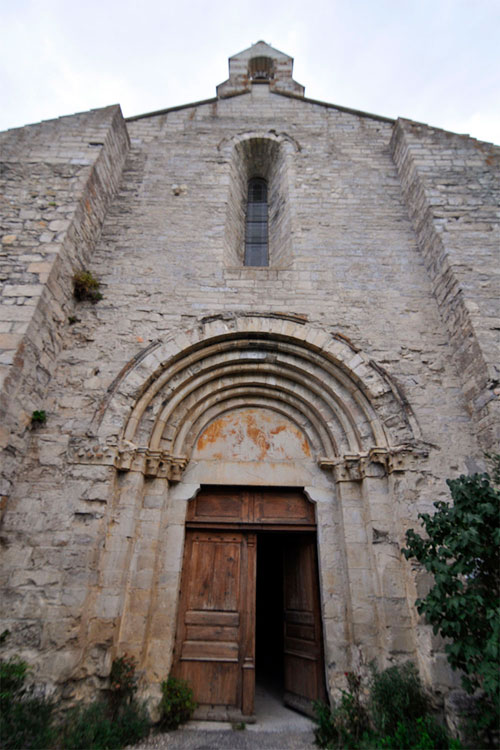
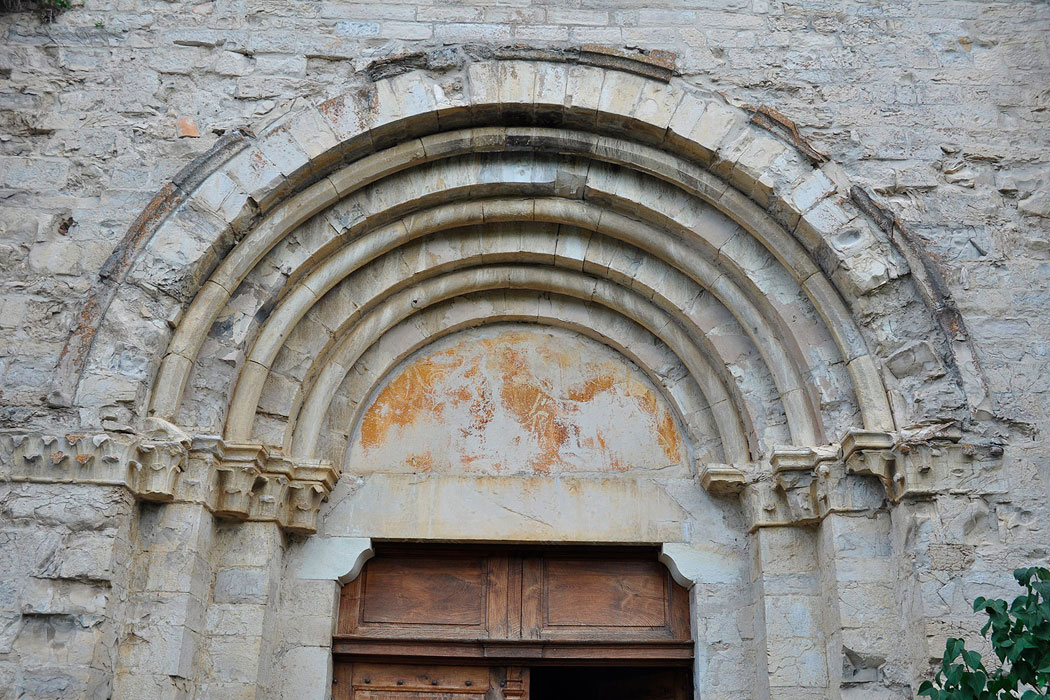
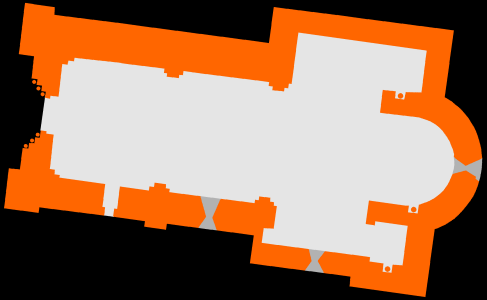
Schematic plan of the church
- BARRUOL, Guy (1977). La Provence romane 2. Zodiaque. La nuit des temps
- JOUVE, Esprit-Gustave (1867). Église de Notre-Dame de Calma, à Lachau. Statistique monumentale de la Drôme. Valence: Céas
- LACROIX, André (1888). L'arrondissement de Nyons : histoire, topographie, statistique. Vol. 1. Valence: Céas
- LAUGIER, Robert; i altres (2012). Notre-Dame de Calma : église Romane à Lachau. Le Luminaïre
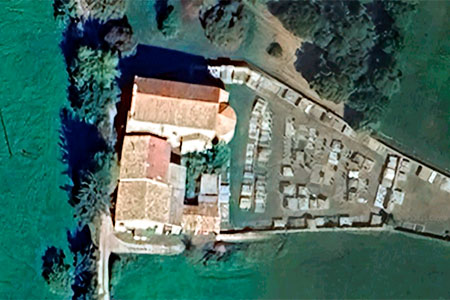
The church stands to the south-east of the village of Lachau, to which it belongs