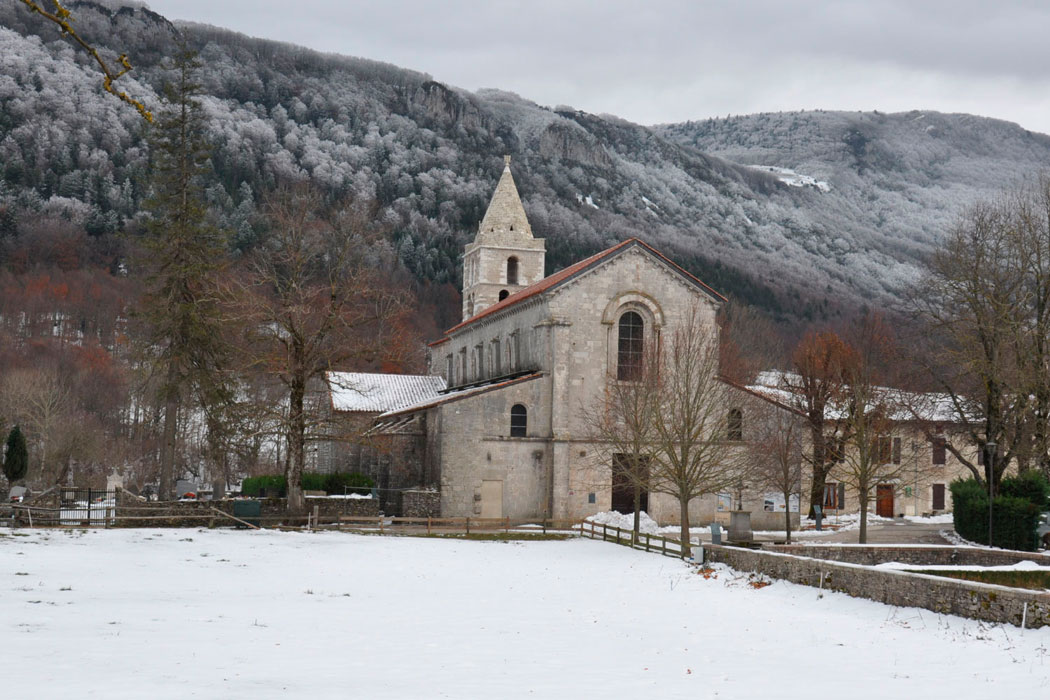

The Cistercian Abbey of Notre-Dame de Léoncel was founded in 1137 in a secluded valley of the Vercors massif, east of Vienne in the Dauphiné. The territory, in addition to being remote from inhabited centres, was inhospitable due to the harsh climatic conditions that affected the area. The foundation was sponsored by the Abbey of Bonnevaux (Isère), now disappeared, which sent the monk Amédée there with the task of adapting the site to monastic life.
Once the foundation had been set in motion, Burnon was appointed as the first abbot of the house. His successor, Falcon, obtained in 1142 a papal bull from Pope Innocent II placing Léoncel under his protection. At the same time, Aymar I of Poitiers and his son Guillaume, counts of the Valentinois, also granted their support. Hugh of Châteauneuf (c. 1120–c. 1194), nephew of Bishop Hugh of Grenoble, served as abbot of both Léoncel and Bonnevaux. Closely connected with the ecclesiastical authorities of his time, he promoted the construction of the monastery and its expansion.
In 1178, Frederick I Barbarossa signed a document confirming the abbey’s possessions and granting it protection. Documents of this kind, issued by both civil and ecclesiastical authorities, followed in subsequent years. In 1188, the church was consecrated in a ceremony presided over by the archbishop of Vienne. In this period, the community of Part-Dieu had been established, located on the plain, along the road to Romans-sur-Isère. In 1194, that house was incorporated into the monastery of Léoncel, which retained it as a grange. Owing to its location, it became one of the abbey’s most important dependencies, where the monks could take refuge during the winter, when conditions at the monastery were particularly severe.
In the mid-fourteenth century, the monastery fell victim to mercenaries known as routiers, who plundered it and forced the monks to flee. In 1568, it once again suffered violence: on this occasion, the Huguenots occupied the monastery and its granges, compelling the community to abandon the site again and to safeguard the archives and most valuable possessions. Once order had been restored, the monks found the monastery almost completely destroyed; only the church had withstood the devastation, although it lost its furnishings.
It was decided to rebuild the grange of Part-Dieu, to which monastic activity was transferred, while Léoncel and its church were left in the care of a few monks. This situation led to a lack of interest on the part of the abbots in continuing to govern the house and gradually brought about its decline. In 1682, the commendatory regime was introduced. The lack of resources forced the community to return to the abbey and to restore some of its buildings, where they were able to remain until the Revolution. In 1790, the last monks finally abandoned the site.
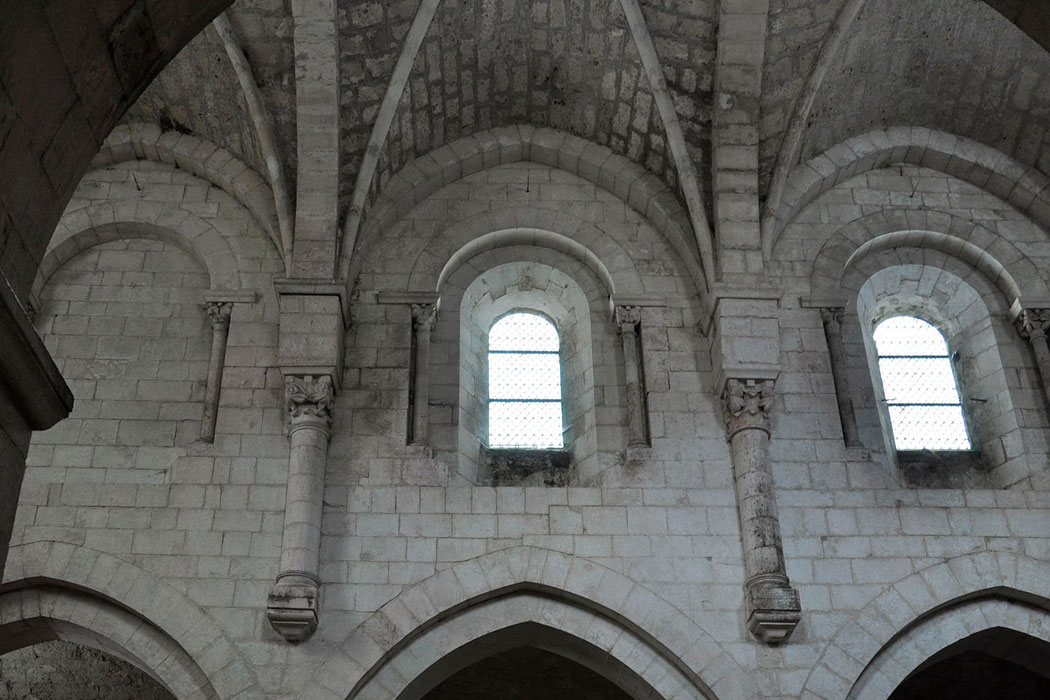
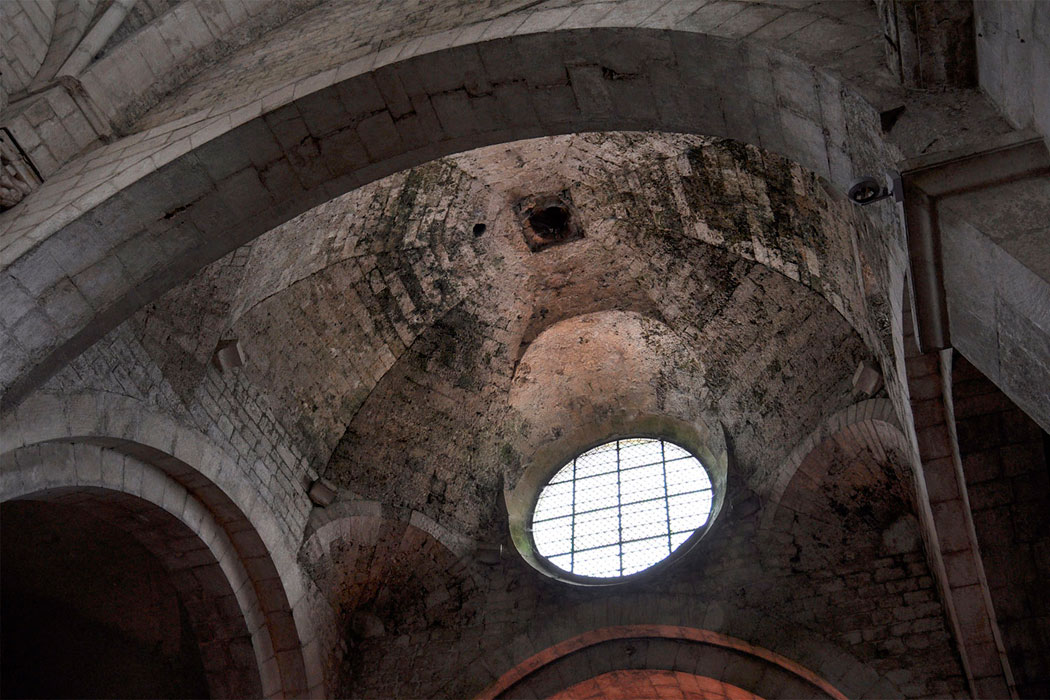
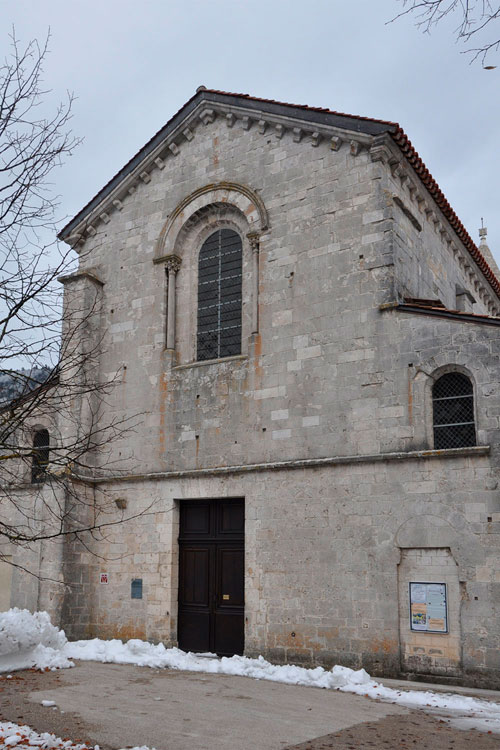
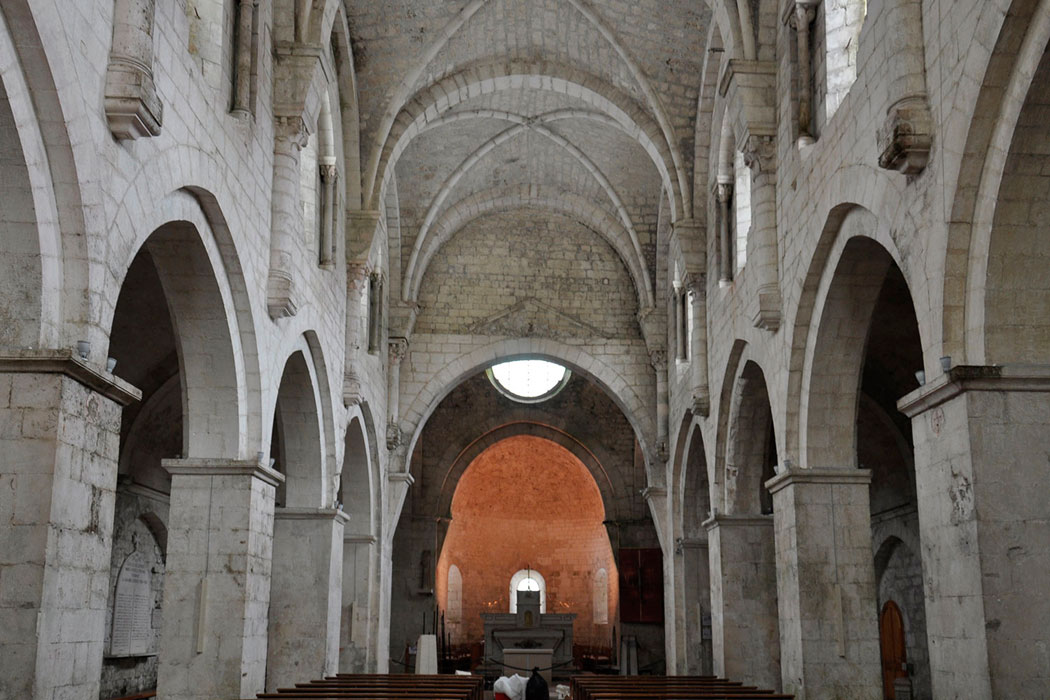
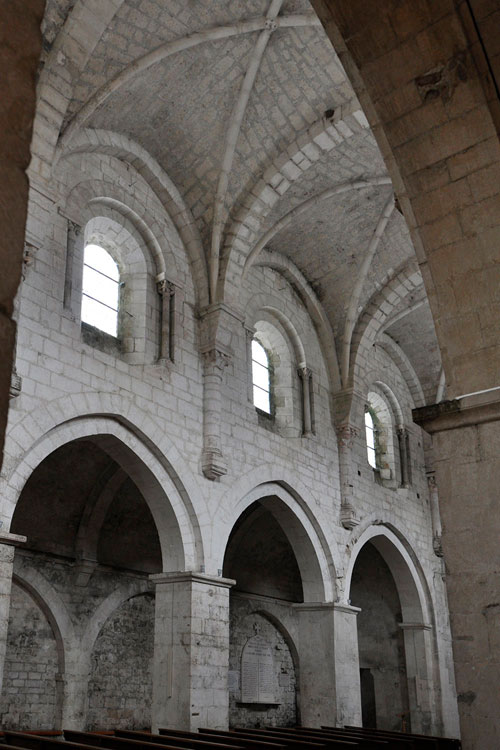
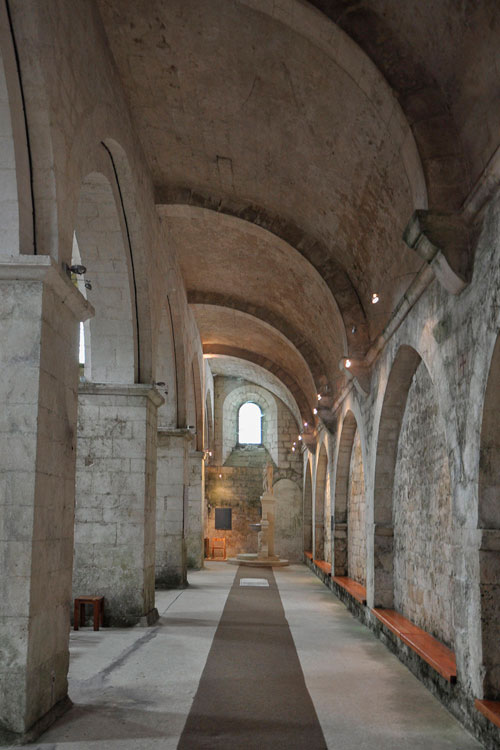
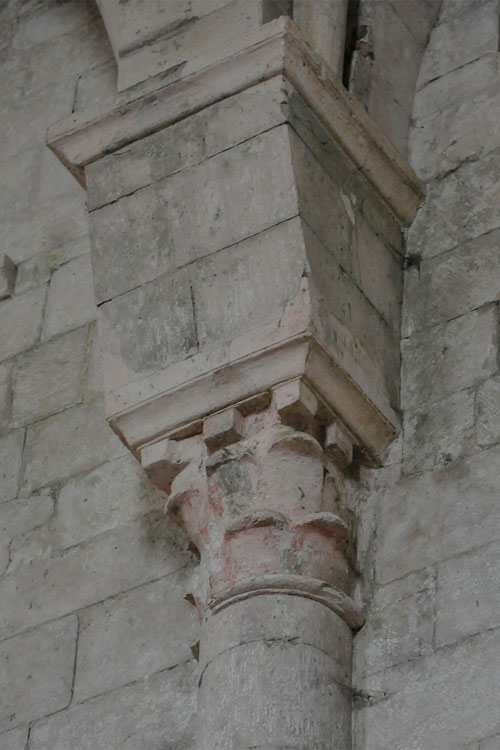
Of the former monastic complex, particular attention should be drawn to the church, which is of Romanesque structure. Originally, it consisted of a single nave, to which two lateral naves were later added; the vaults that cover it were constructed at a subsequent stage. These naves are complemented by a transept, which leads to the three apses forming the chancel. Today, the church serves a parochial function.
Affiliation of Léoncel
According to Originum Cisterciensium (L. Janauschek, 1877)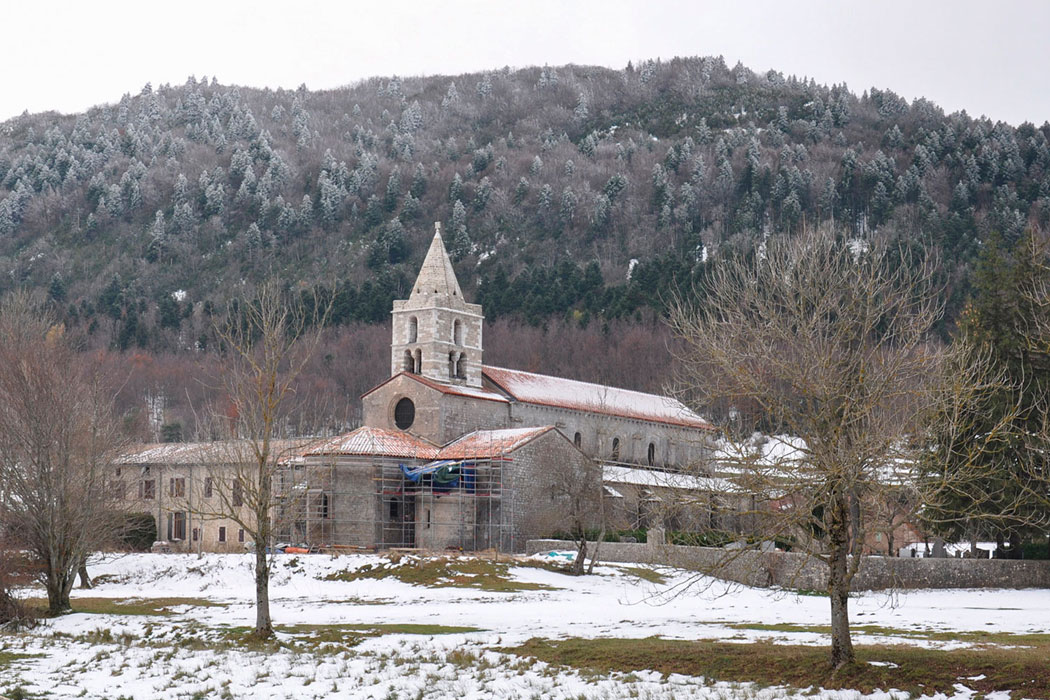
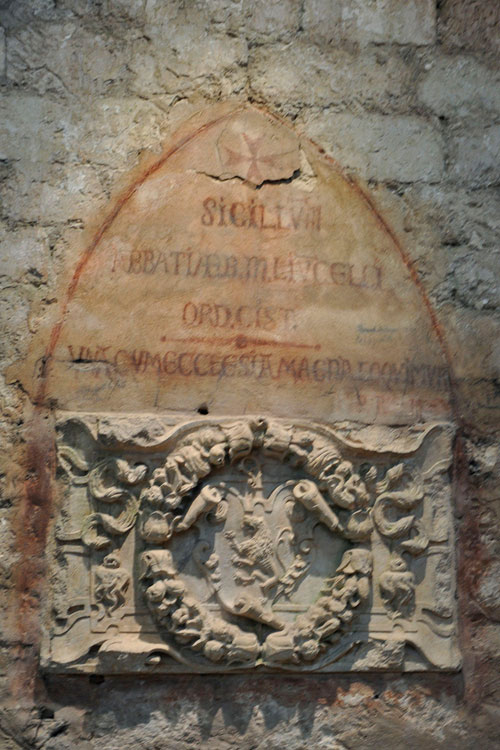
Coat of arms of the monastery
- AUBERT, R. (2015). Dictionnaire d'histoire et de géographie ecclésiastiques. Vol. 31. París: Letouzey et Ané
- BESSE, J.-M.; i altres (1939). Abbayes et prieurés de l'ancienne France. Vol. 9: Province ecclésiastique de Vienne. Abbaye de Ligugé
- CHEVALIER, Ulysse; ed. (1869). Cartulaire de l'abbaye de Notre-Dame de Léoncel au diocèse de Die, ordre de Cîteaux. Montélimar: Bourron
- COTTINEAU, Laurent-Henri (1936). Répertoire topo-bibliographique des abbayes et prieurés. Vol. 1. Mâcon: Protat
- JANAUSCHEK, Leopoldus (1877). Originum Cisterciensium. Vol. 1. Viena
- NADAL (1888). L'abbaye de Léoncel, religieux Cisterciens. Essai sur les Origines monastiques dans le diocèse de Valence. Valence: Céas
- SAINT-MAUR, Congregació de (1865). Gallia Christiana in provincias ecclesiasticas distributa. Vol. 16. París: Firmin Didot
- TOUTANT, H. (1922). La vie économique dans le Vercors méridional et ses abords, d'après le cartulaire de l'abbaye de Léoncel (1137-1790). Revue de géographie alpine, vol. 10/4
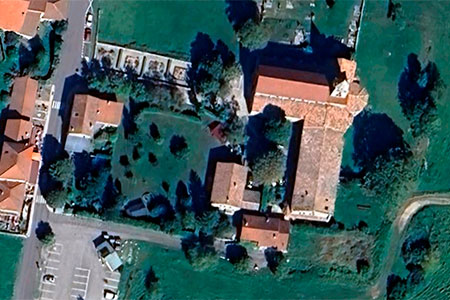
Léoncel and its abbey are located in the valley of the same name, in the Vercors massif, east of Vienne