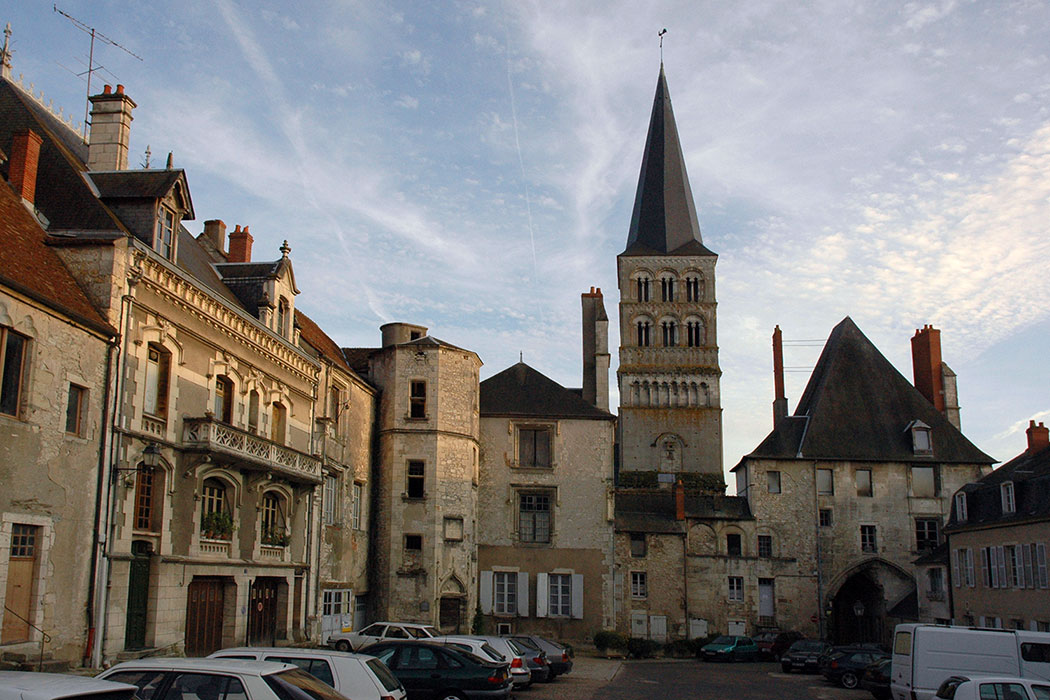

In 1059, Geoffroy de Champallement (Bishop of Auxerre from 1054 to 1076), with the approval of Count William I of Nevers (c. 1029-c. 1098), donated to Hugh, Abbot of Cluny (1024-1109), a ruined church dedicated to the Virgin Mary, situated at the place of Seyr, with the intention of establishing a monastic house there. This donation, recorded in a charter from the year 1059, is regarded as the foundation of the Priory of Notre-Dame de La Charité, although there is a tradition that attributes an earlier origin to the site.

This tradition places the existence of a monastic establishment on the site around the year 700. According to this account, it was a large monastery that was destroyed by a Vandal incursion in the mid-8th century, restored during the reign of Pepin the Short (751-768), and destroyed again around 781. The site is said to have remained abandoned until the Cluniac foundation of 1059. Archaeological investigations, however, have provided evidence of an earlier occupation, although the existence of a monastery at this time cannot be established with certainty.
After its foundation, the priory experienced a period of great prosperity, favoured by numerous donations, which made possible its development, the construction of the monastic buildings and the great church of Notre-Dame, begun at the end of the 11th century. This church is thought to have replaced an earlier temple dedicated to Saint-Laurent, of ancient origin, probably predating the 11th century. It would have been the first church dedicated to the Virgin Mary mentioned in the 1059 charter, and was probably used until the 16th or 17th century, perhaps for funerary purposes. Merovingian remains have been found in this area. In addition, the remains of another chapel have been discovered beneath the nave of Notre-Dame church, now occupied by a square.
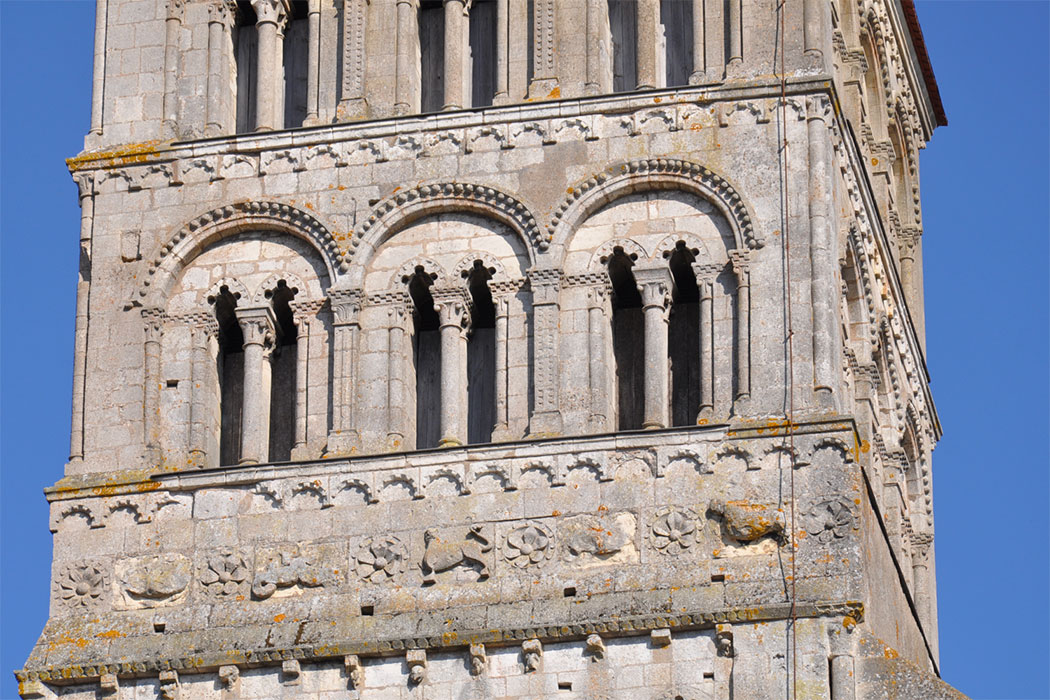
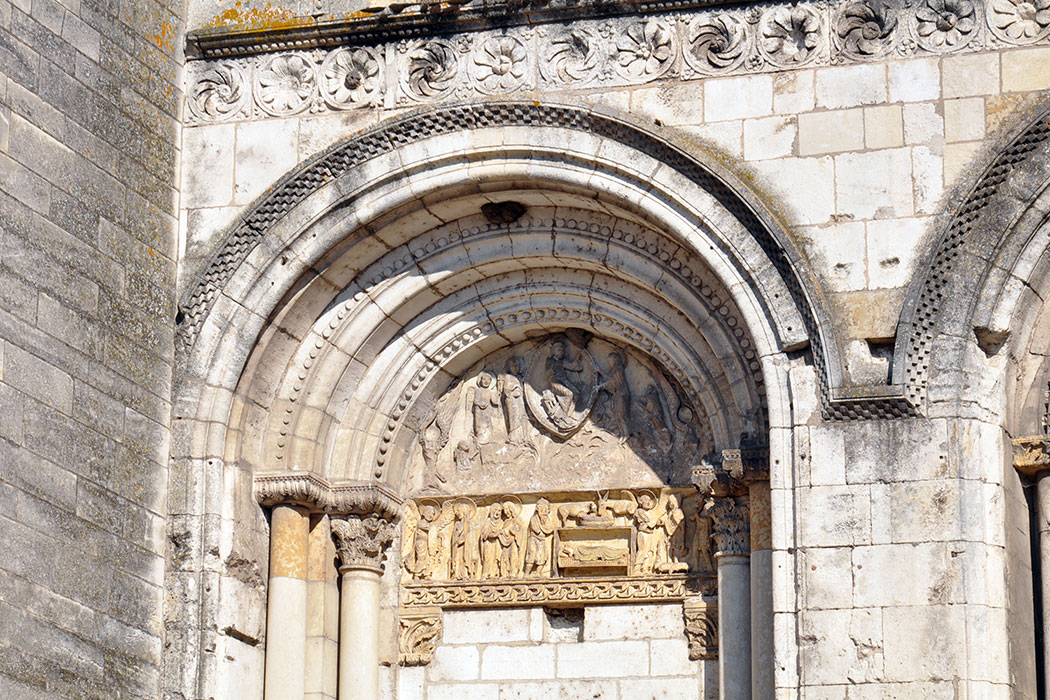
Portal of the Assumption (1130-35)
La Charité held a particular status within the Cluniac world, shared with only four other priories: Saint-Martin-des-Champs (Paris), Sauxillanges (Puy-de-Dôme), Lewes (England) and Souvigny (Allier). Throughout its existence, it established and administered a considerable number of dependent priories, including Saint-Christophe d’Halatte (Oise), Saint-Agnan de Cosne (Nièvre) and Longueville (Seine-Maritime). In 1107, Pope Paschal II consecrated the church and signed two bulls confirming the possessions of La Charité.
Until the 14th century, the priory retained the right to elect its prior without Cluny’s intervention. This freedom was later restricted by royal appointments and, in 1486, the first commendatory prior was appointed, Cardinal Charles II of Bourbon († 1488). The priory suffered several disasters that affected it to varying degrees: a fire in 1201, the effects of the Hundred Years’ War during the first half of the 15th century, and another fire in 1559, which made reconstruction necessary. Shortly afterwards, during the Wars of Religion, it suffered further destruction, resulting in the loss of much of the nave of the church, which was reduced to only four bays.
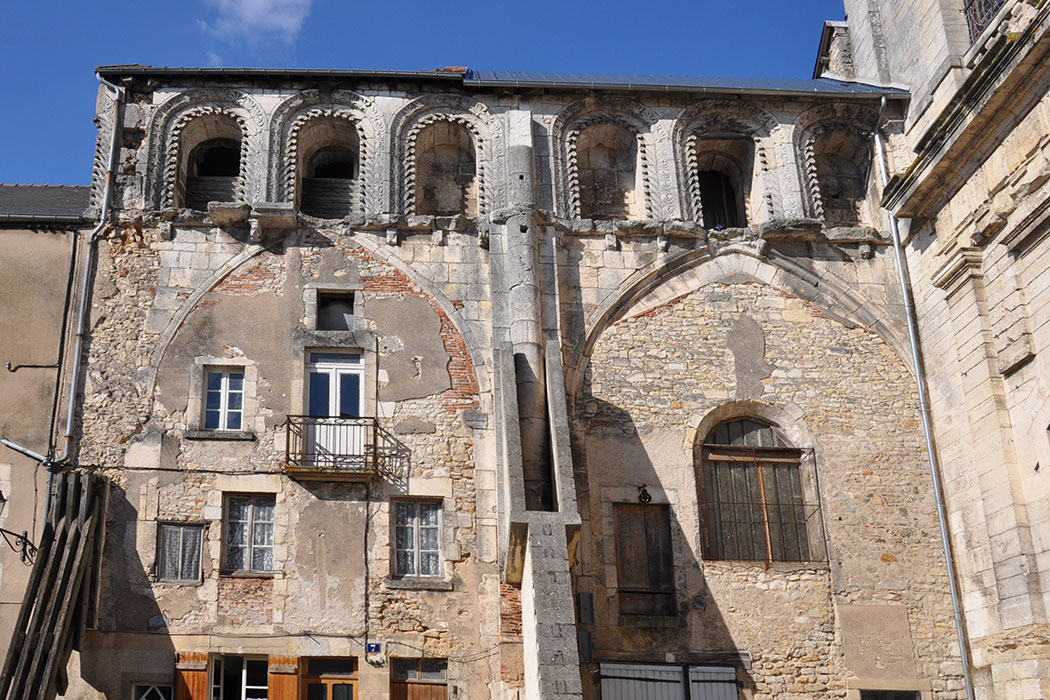
Remains of the lost nave
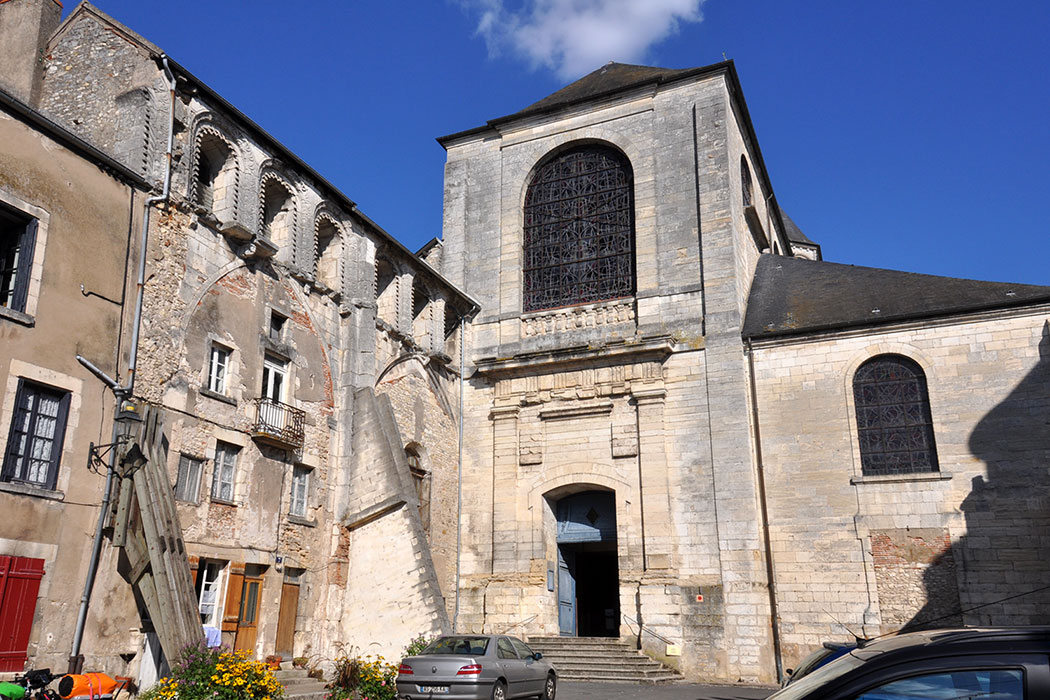
Current facade erected after the destructions of the 16th century
It was a large monastic establishment with a sizeable community. The Voyage littéraire de deux religieux bénédictins... mentions a community of two hundred religious, a figure that illustrates the importance reached by the priory. Over time, however, the number of monks declined to little more than a dozen at the time of its suppression. This took place during the Revolution, from 1789 onwards, and the priory’s possessions were sold in 1793. In 1804, worship was restored in Notre-Dame church, at the expense of the other churches in the town. The conventual buildings were put to various commercial and industrial uses. In modern times, the priory has been excavated, recovered and restored. The apse of Saint-Laurent was discovered in 1974.
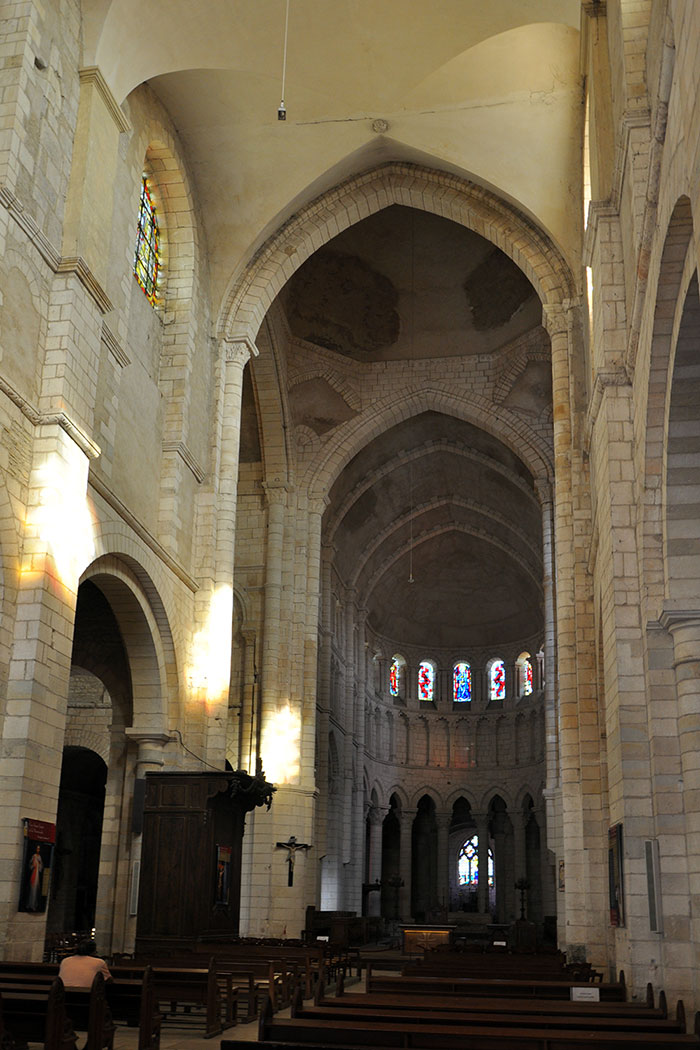
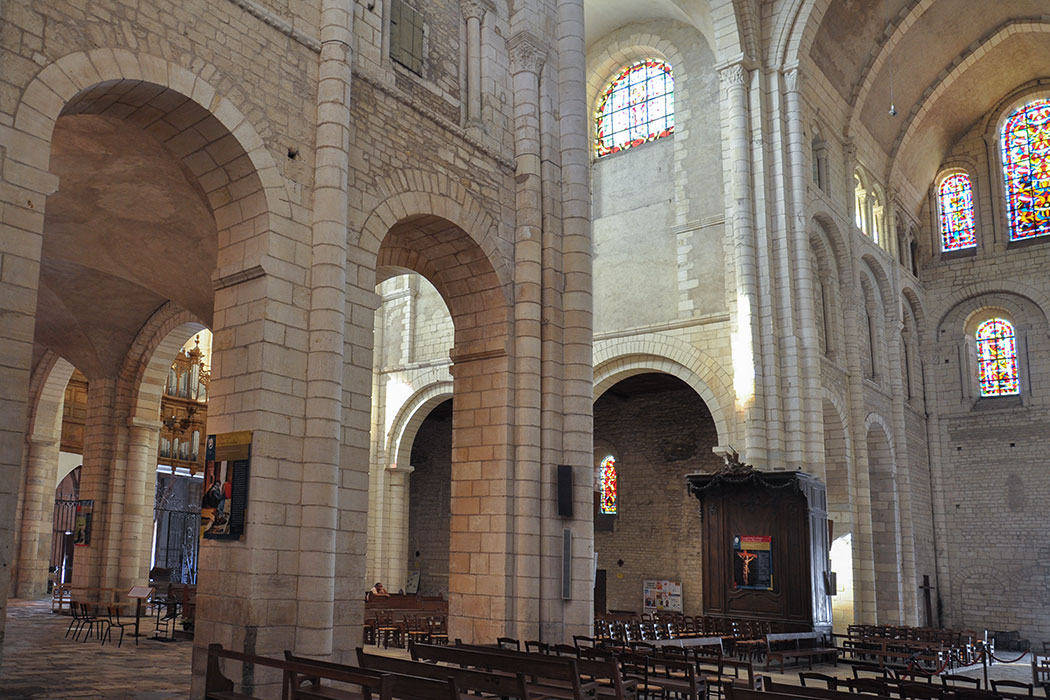
Among the buildings predating the foundation of 1059 are the ruins of Saint-Laurent church (10th-11th centuries) and the remains of a second church beneath the square, in the area corresponding to the naves demolished in the 16th century. Of Notre-Dame church, the transept and chevet survive, begun at the end of the 11th century and enlarged in the following century with an ambulatory and five radiating chapels. Only four bays of the nave survive. At the western end are the Romanesque bell tower and the former church portal, which gives access to an open space, with the new façade built after the destruction of the 16th century. The two surviving portals, with their remarkable sculptural decoration, are particularly noteworthy; they date from between 1130 and 1135.
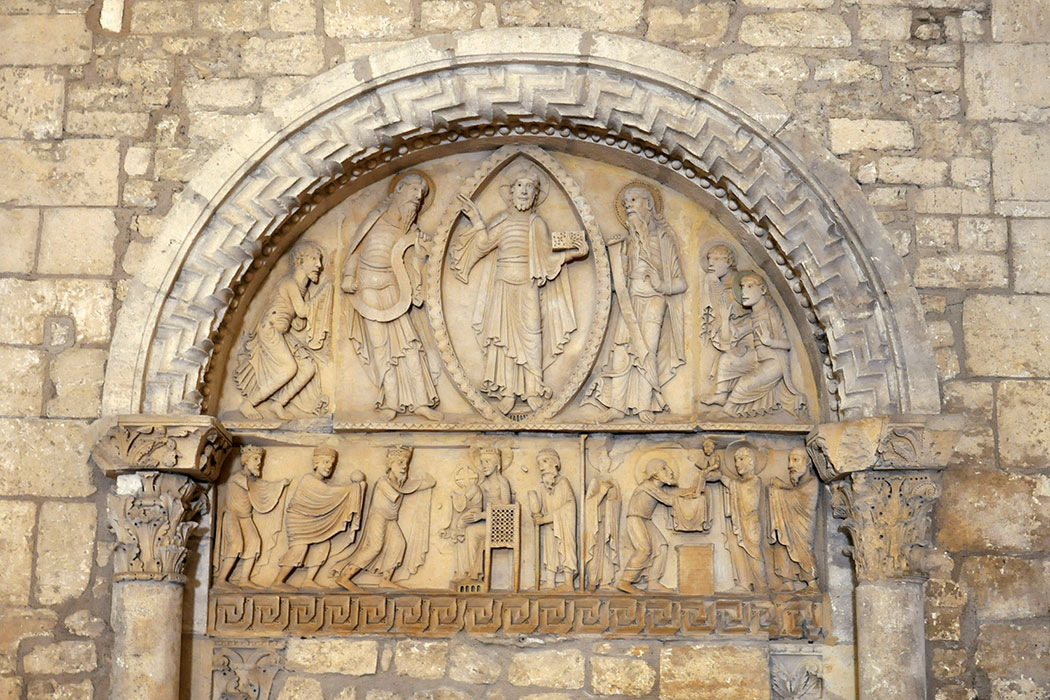
Tympanum of the Transfiguration (1130-35)

Tympanum of the Transfiguration
Adoration of the Magi

Tympanum of the Transfiguration
Presentation in the Temple
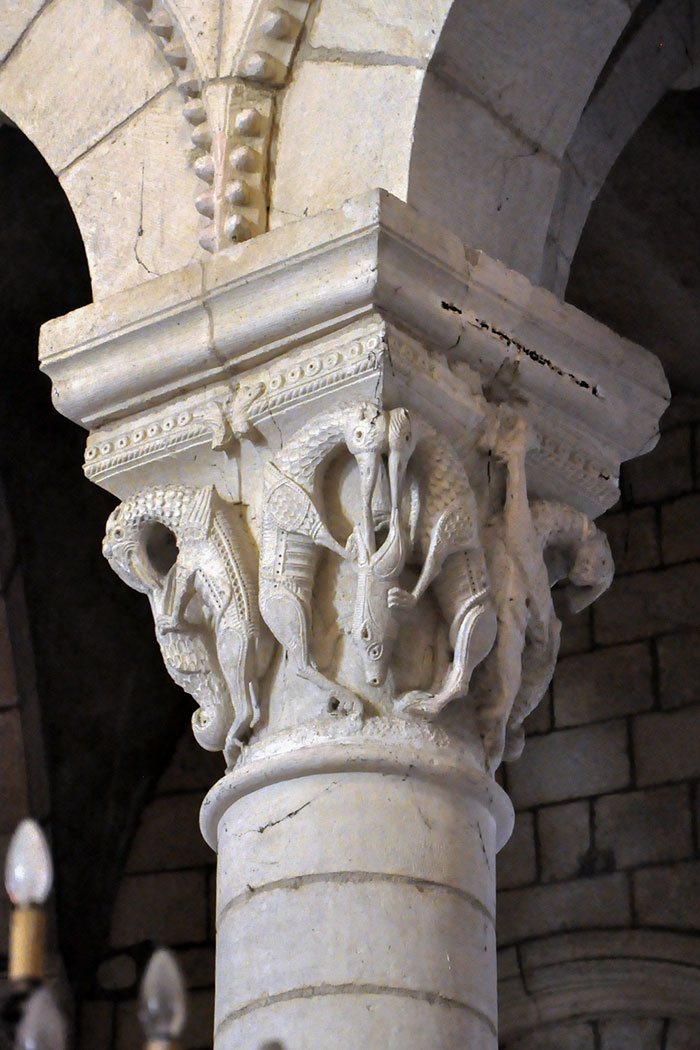
Church capital
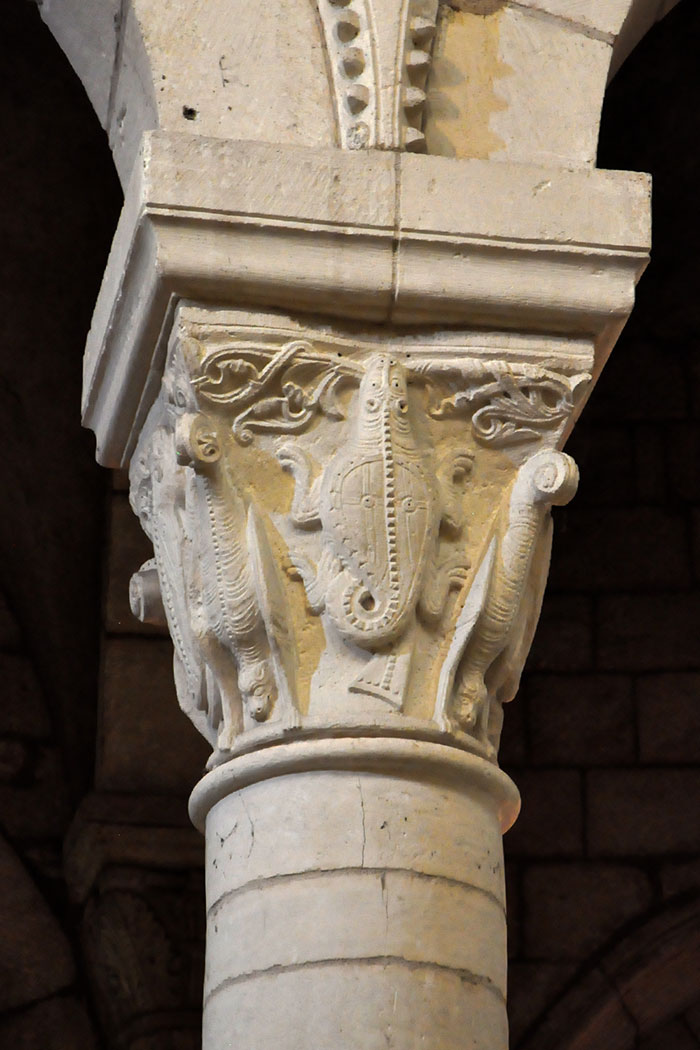
Church capital
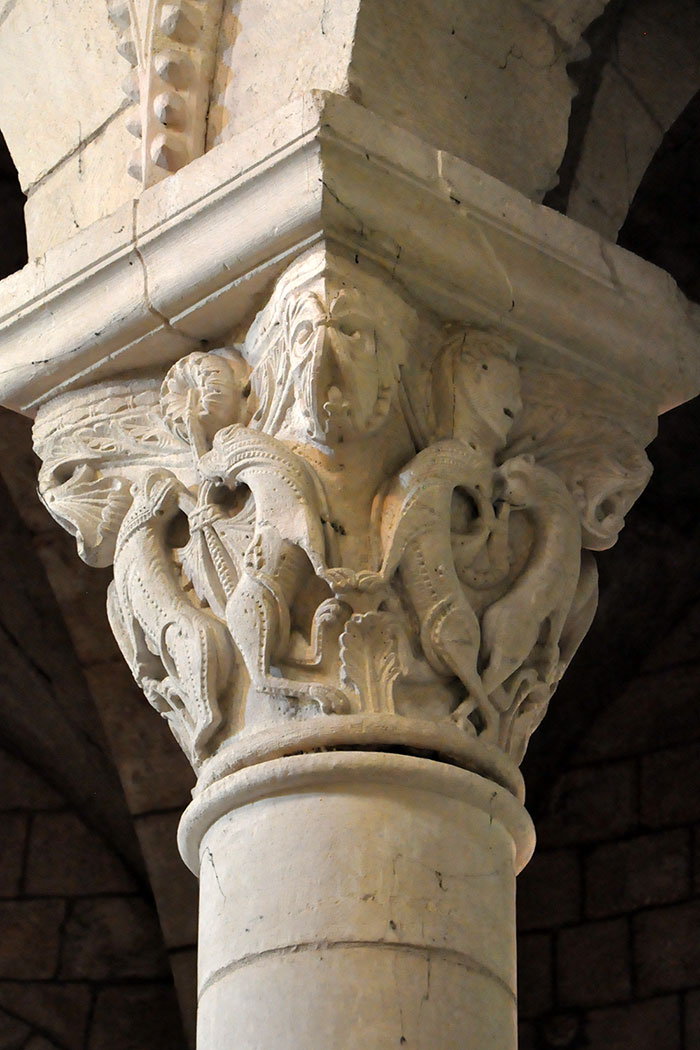
Church capital
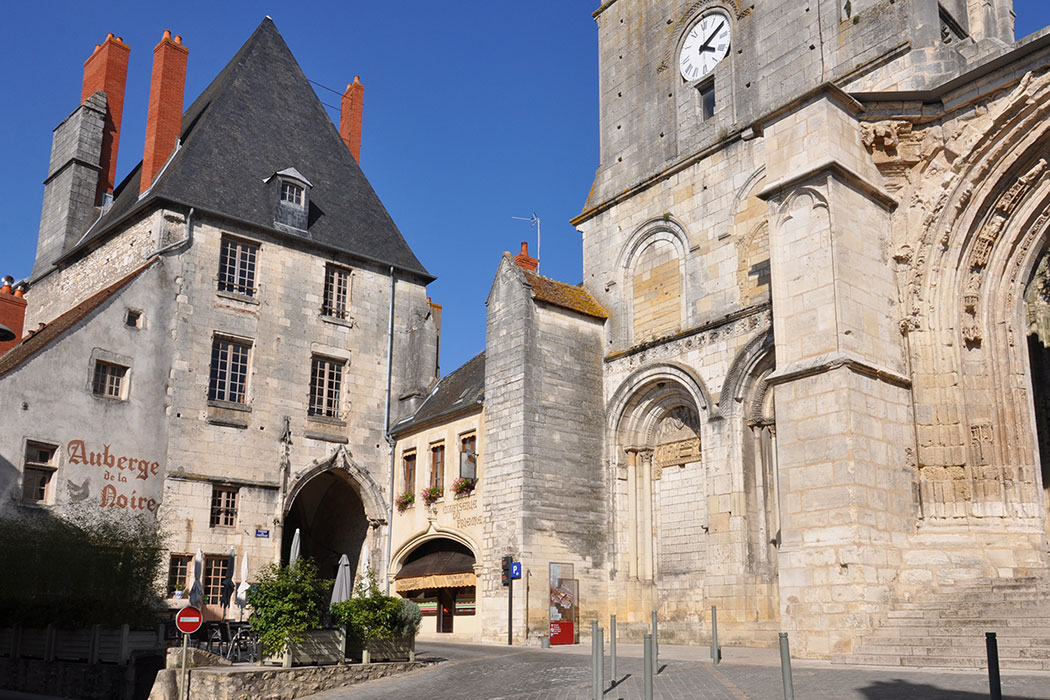
Former priory hospice
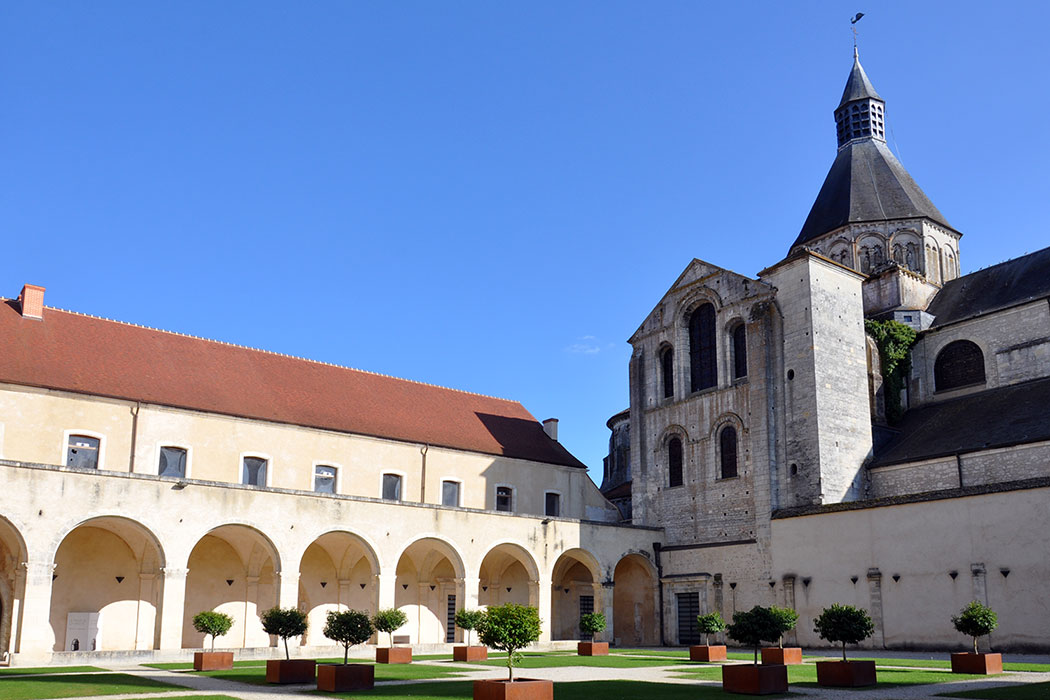
Cloister
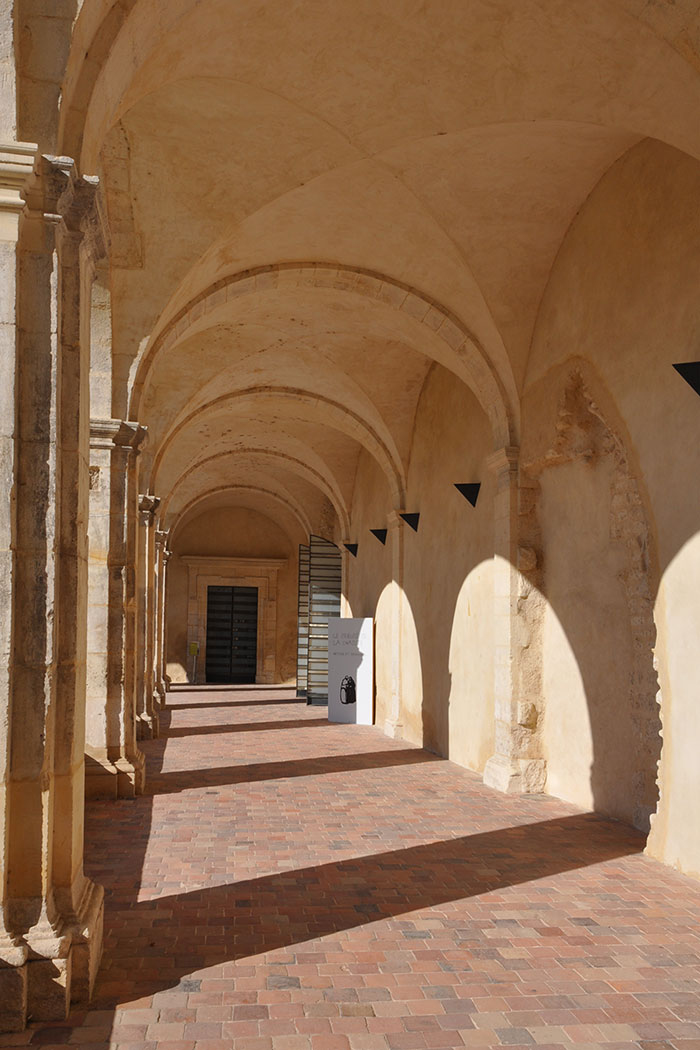
Cloister
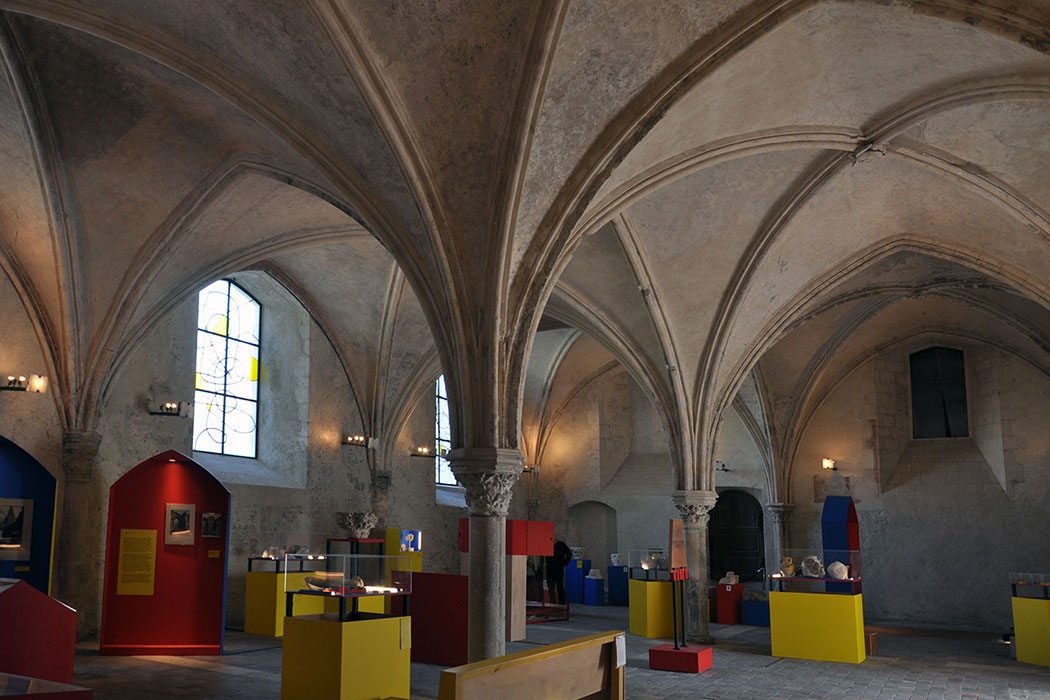
Chapter house
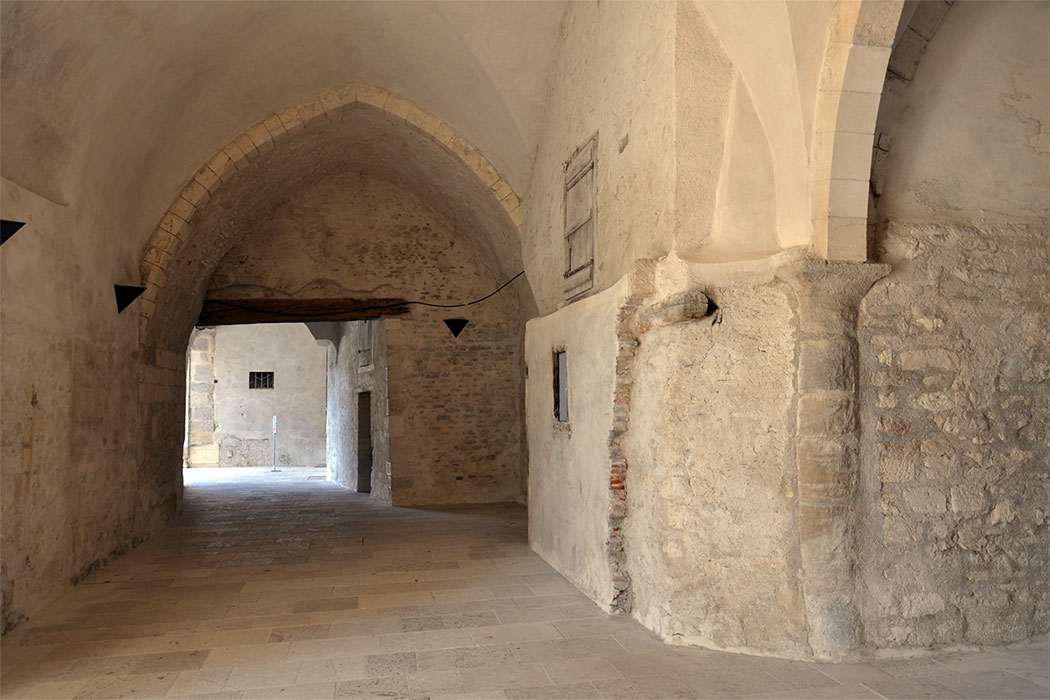
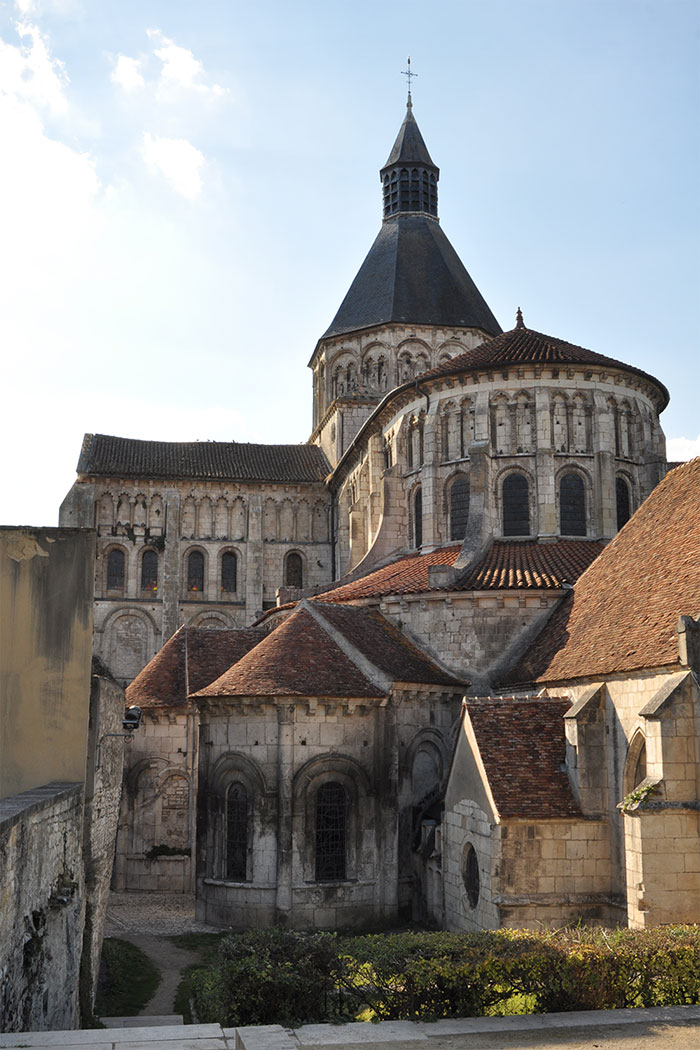
Apse

Remains of the apse of Sant-Laurent
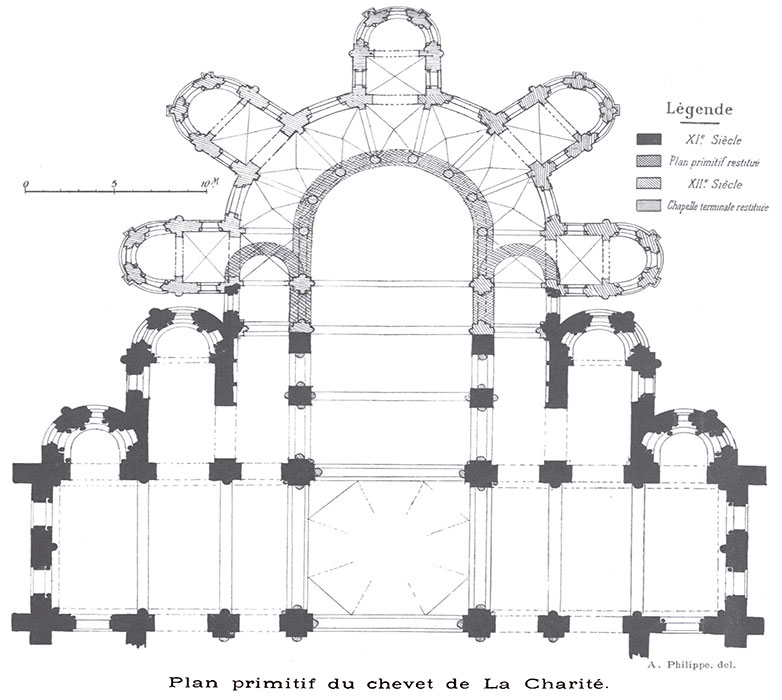
Apse plant
Illustration from Les plans des églises romanes bénédictines (1912)
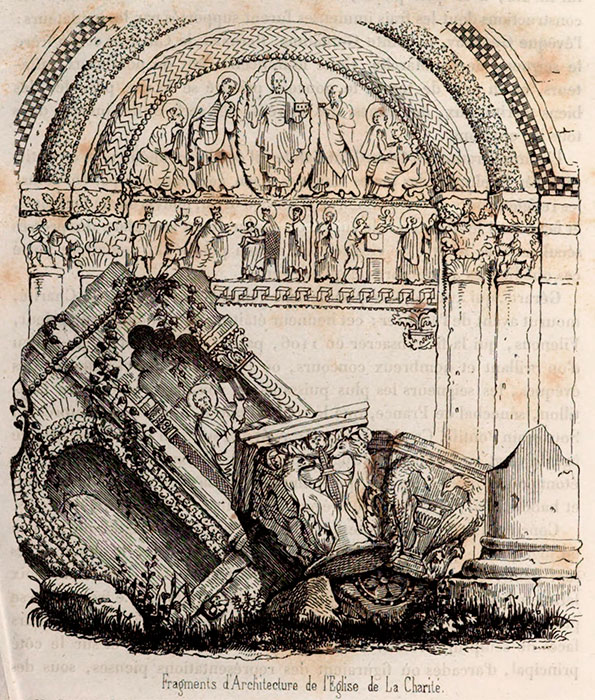
Illustration from Le Nivernois, album historique et pittoresque (1840)
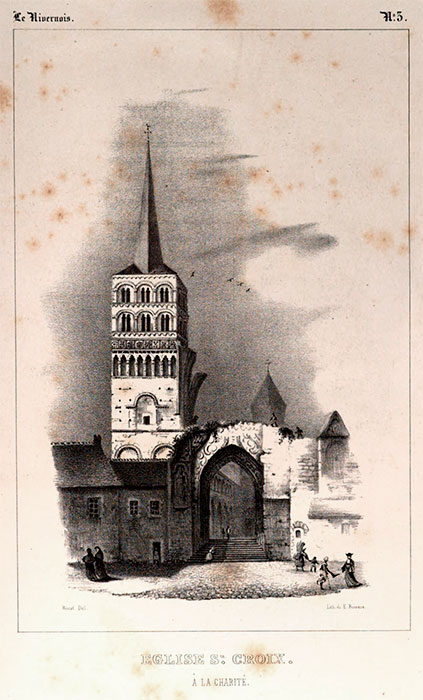
Illustration from Le Nivernois, album historique et pittoresque (1840)

Claude de Chastillon (1641)
Bibliothèque nationale de France

Detail of a map of La Charité-sur-Loire
La Nièvre à travers le passé (1883)
Bibliothèque nationale de France
- ARNAUD, Chantal (2010). Le site de La Charité-sur-Loire. Exposé des résultats scientifiques. Bulletin du centre d’études médiévales d’Auxerre. Bucema
- AVELINE, Claude (1924). Petite histoire de La Charité. La Charité-sur-Loire: Delayance
- BARNOUD, Paul (2010). La Charité-sur-Loire, un monastère dans la ville. Bulletin du centre d’études médiévales d’Auxerre. Bucema
- BARTHELET, Marie (2016). Le prieuré de La Charité, histoire et renuveau. La Charité-sur-Loire: Le Prieuré de La Charité
- BULLY, Aurélia; i altres (2016). Tant de ponts au fil du temps à la Charité-sur-Loire. Dijon
- CROSNIER, Augustin-Joseph (1877). Les congrégations religieuses dans le diocèse de Nevers. Vol. 1. Nevers: Michot
- DUPONT, Jean (1976). Nivernais, Boubonnais roman. La nuit des temps, núm.45. Zodiaque, 1976
- HENRION, Fabrice (2015). Aux origines du prieuré Notre-Dame de La Charité-sur-Loire (Nièvre), nouvelles données archéologiques et nouvelles hypothèses. BUCEMA, 19.1
- HENRION, Fabrice (2020). La Charité-sur-Loire, la ville, le prieuré et son enclos : un aperçu des connaissances et un état des lieux. BUCEMA, HS, 20
- HISQUIN, Séverine (2005). La façade de l’église Notre-Dame de La Charité-sur-Loire. Recherches sur le portail sculpté de la Vierge. Bulletin du centre d’études médiévales d’Auxerre. Bucema
- JULLIEN, Amédée (1883). La Nièvre à travers le passé. Nevers: Michot
- LEBOEUF, Louis (1897). Histoire de La Charité. La Charité: Taureau
- LEFÈVRE-PONTALIS, Eugène (1912). Les plans des églises romanes bénédictines. Bulletin Monumental, vol. 76
- LESPINASSE, René de; Ed. (1887). Cartulaire du prieuré de La Charité-sur-Loire (Nièvre), ordre de Cluni. Nevers: Morin-Boutillier
- MARTÈNE, Edmond; i altres (1717). Voyage littéraire de deux religieux bénédictins de la congrégation de Saint-Maur. 1ª part. París: Delaulne
- MORELLET, Napoléon-Joseph (1840). Le Nivernois, album historique et pittoresque. Vol. 2. Nevers: Bussière
- RENIMEL, Serge (1976). L'établissement clunisien primitif de La Charité-sur-Loire. Bilan préliminaire des découvertes archéologiques de 1975. Bulletin Monumental
- SAINT-MAUR, Congregació de (1770). Gallia Christiana in provincias ecclesiasticas distributa. Vol. 12. París: Typographia Regia
- SERBAT, Louis (1916). La Charité. Congrès archéologique de France. París: Picard
- VAN DOREN, R. (1953). Charité-su-Loire. Dictionnaire d’histoire et géographie ecclésiastiques. Vol. 12. París: Letouzey
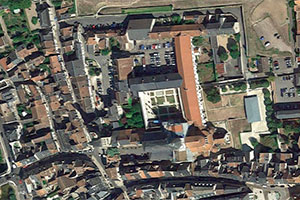
La Charité-sur-Loire is situated north of Nevers