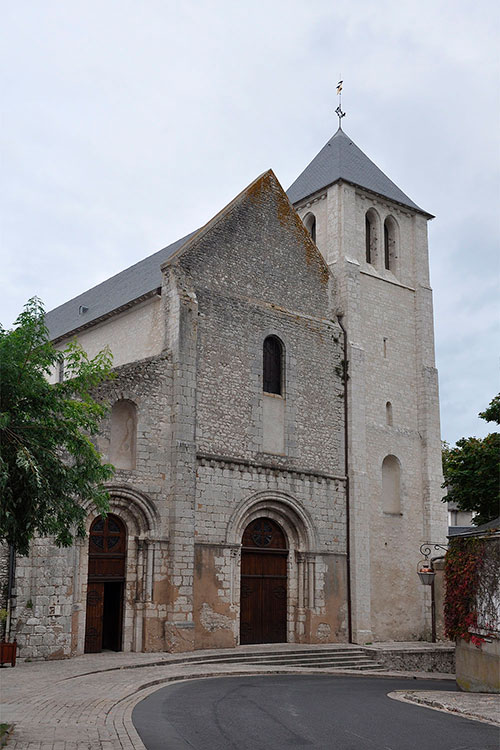


The origin of this Augustinian canonical house, dedicated to Notre-Dame, is linked to the lordship of Beaugency. Although tradition attributes to it an earlier origin, around 1030 a church was built beside the seigniorial castle of the Beaugency family, through the initiative of Odelric, Bishop of Orléans (1022–1033), and under the protection of Lancelin I († 1080), Lord of Beaugency. The building was enclosed within the castle's fortified precinct. That church served as the burial chapel of the local lords and was cared for by a community of secular canons.
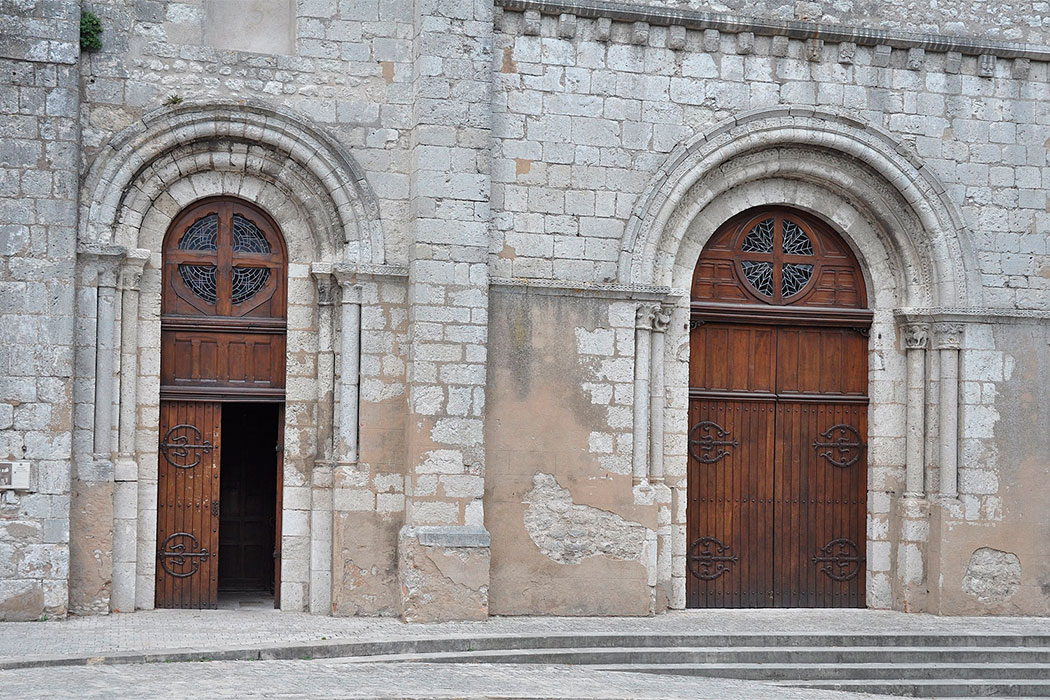
During the time of Raoul I of Beaugency (c. 1068–1130), probably shortly before 1104, the Rule of Saint Augustine was introduced and the community became a house of Augustinian canons regular. The first abbot was Rainardus. During this same period, the canons' domestic buildings were erected and the church was rebuilt. It served simultaneously as the abbey church of the community, the seigniorial chapel and the parish church of the town. In 1139, Pope Innocent II confirmed the abbey's possessions.
In 1367 the abbey suffered the indirect effects of the Hundred Years' War. Although the site remained protected by the castle's fortifications, the community endured the economic consequences of the conflict. In 1562, Beaugency was captured by the Huguenots and the abbey was damaged. Its situation worsened further under the rule of commendatory abbots, a system introduced in 1551. In 1642, the house was reformed in its observance by joining the Congregation of France.
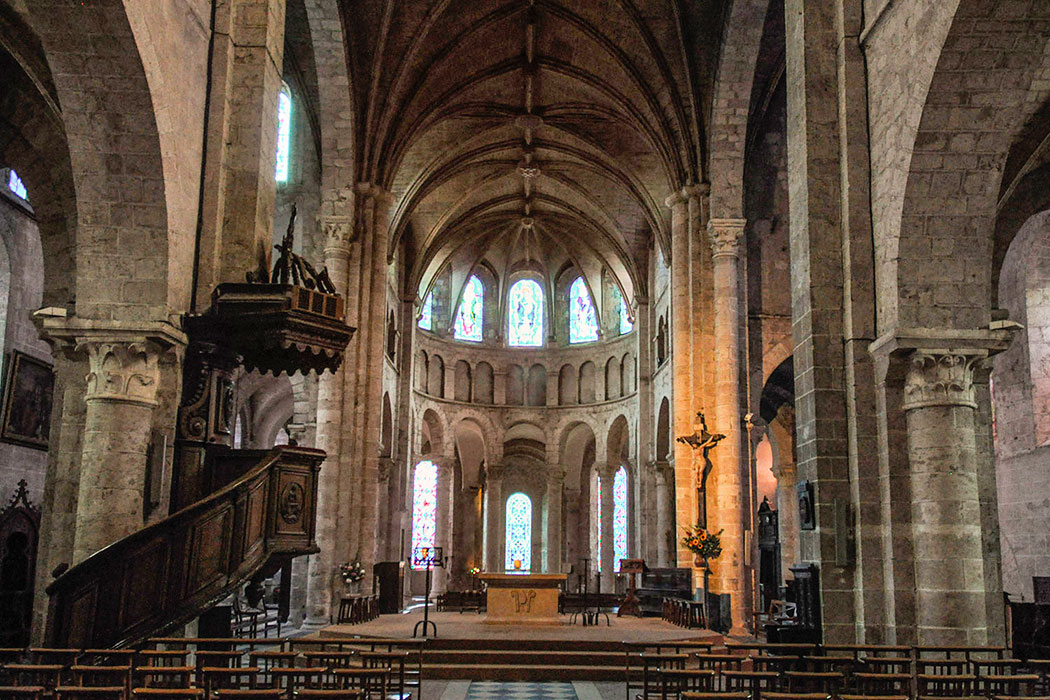
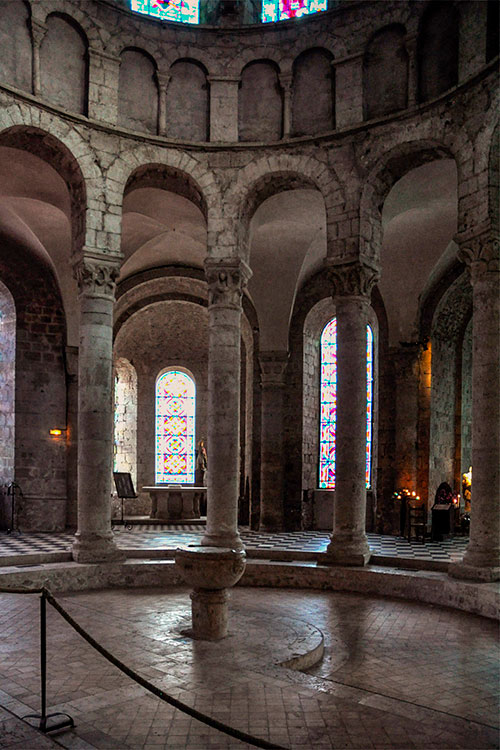
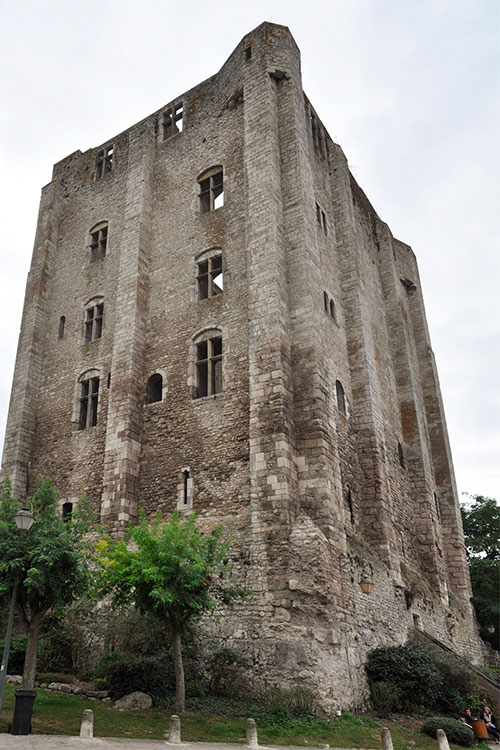
After the French Revolution, when monastic life had come to an end, the church resumed its function as a parish church. Other buildings surrounding the cloister were converted into schools and a hotel. The church survives as a three-aisled building of five bays, with a transept that does not project beyond the side aisles. The chancel follows the same arrangement: it consists of two bays and is surrounded by an ambulatory, which continues the side aisles. At the eastern end it terminates in a semicircular apse with three radiating chapels. To the west of the church stands the castle's donjon (keep).
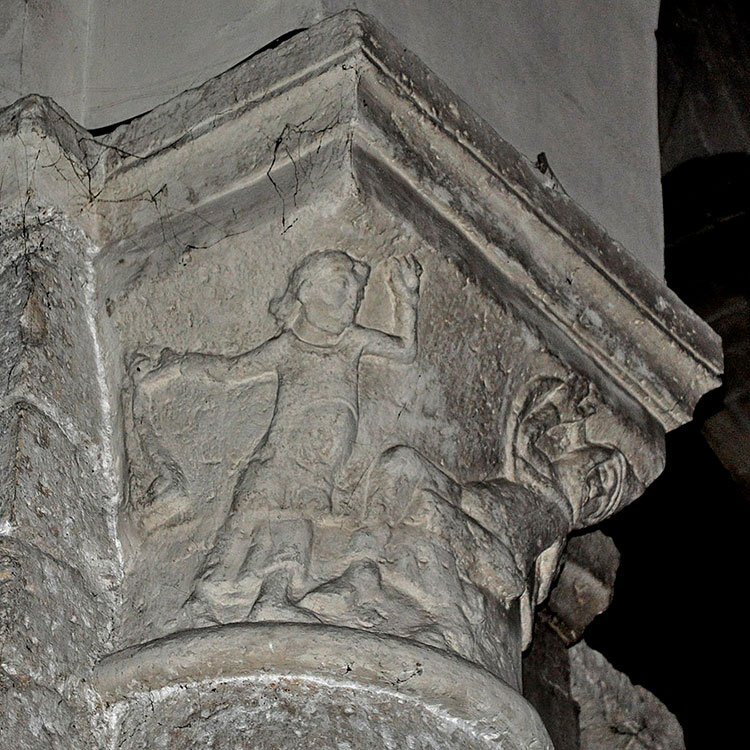
David and Goliath capital
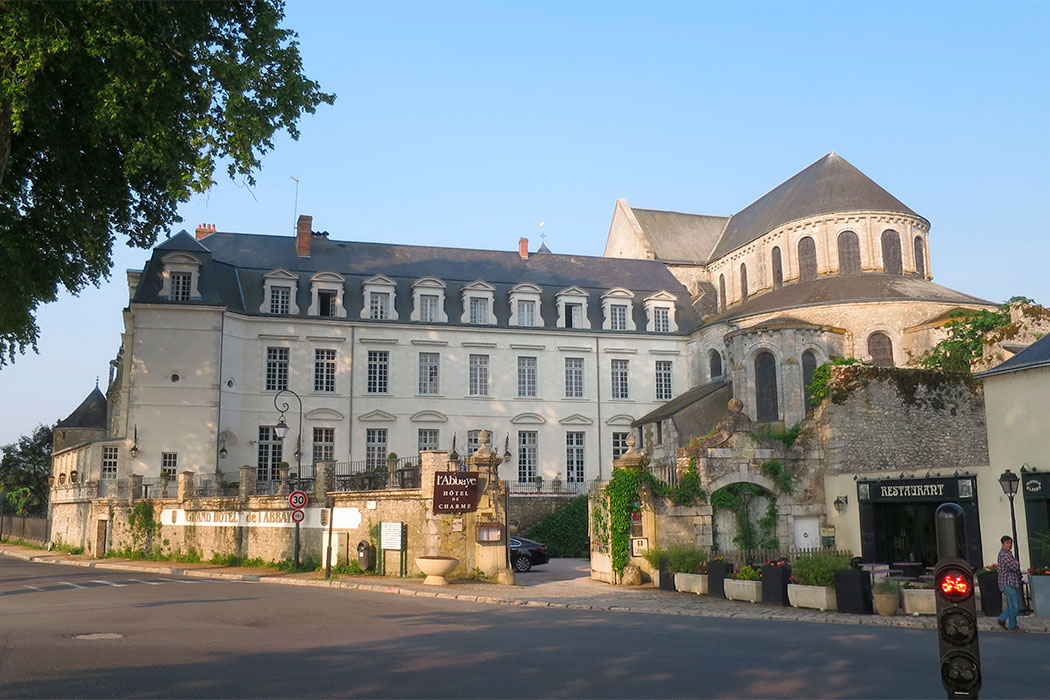
Photo by Reinhard Dietrich, on Wikimedia
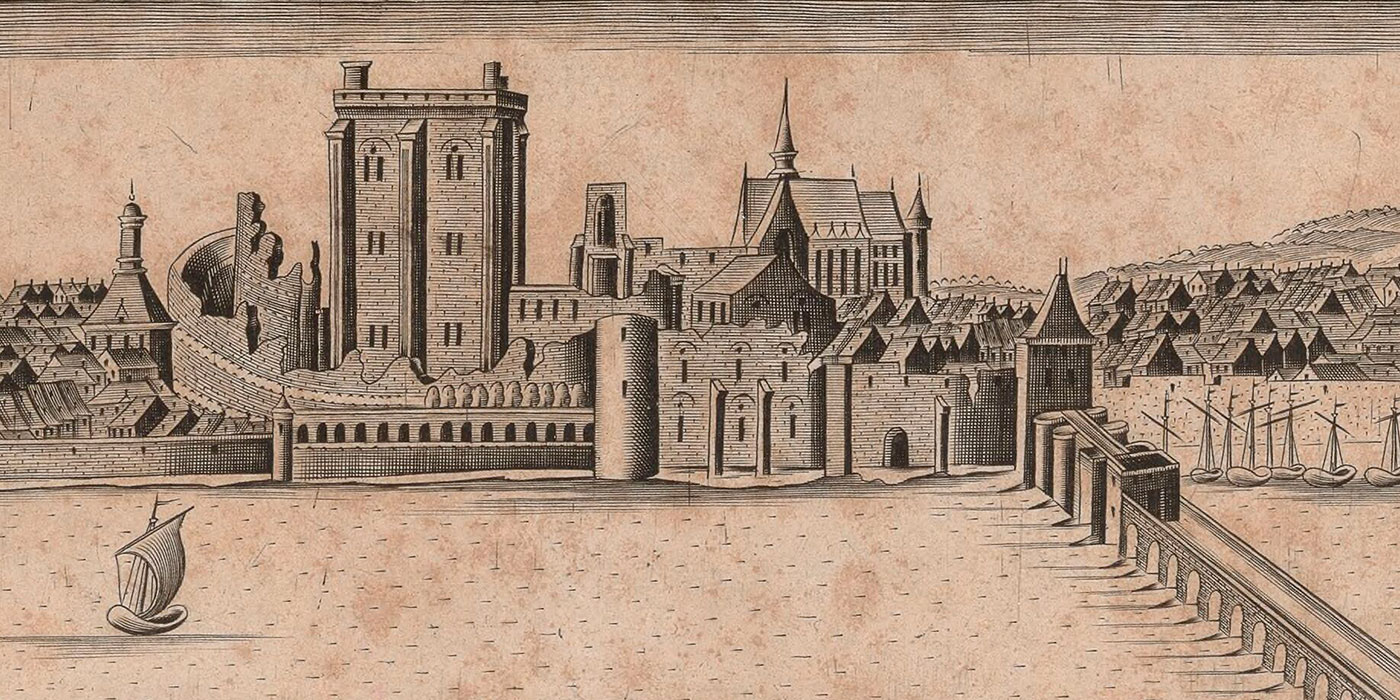
Detail of View of Beaugency
Claude de Chastillon (1644)
Bibliothèque nationale de France
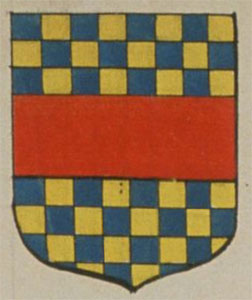
According to Armorial général de France (18th century)
Bibliothèque nationale de France
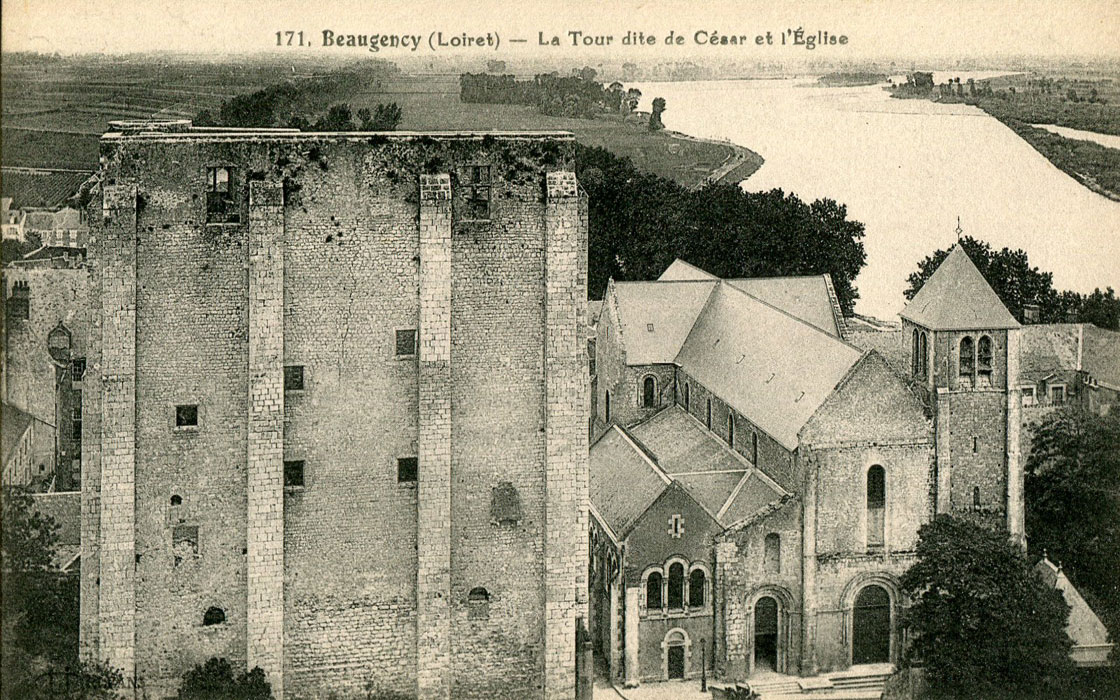
Old postcard, private collection
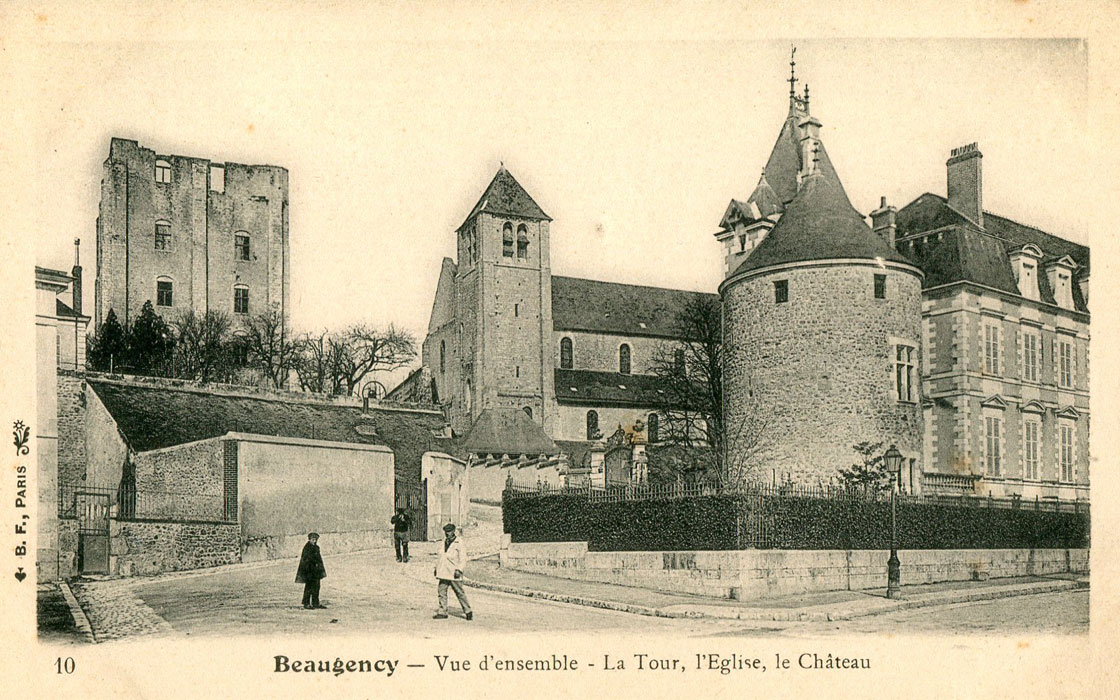
Old postcard, private collection
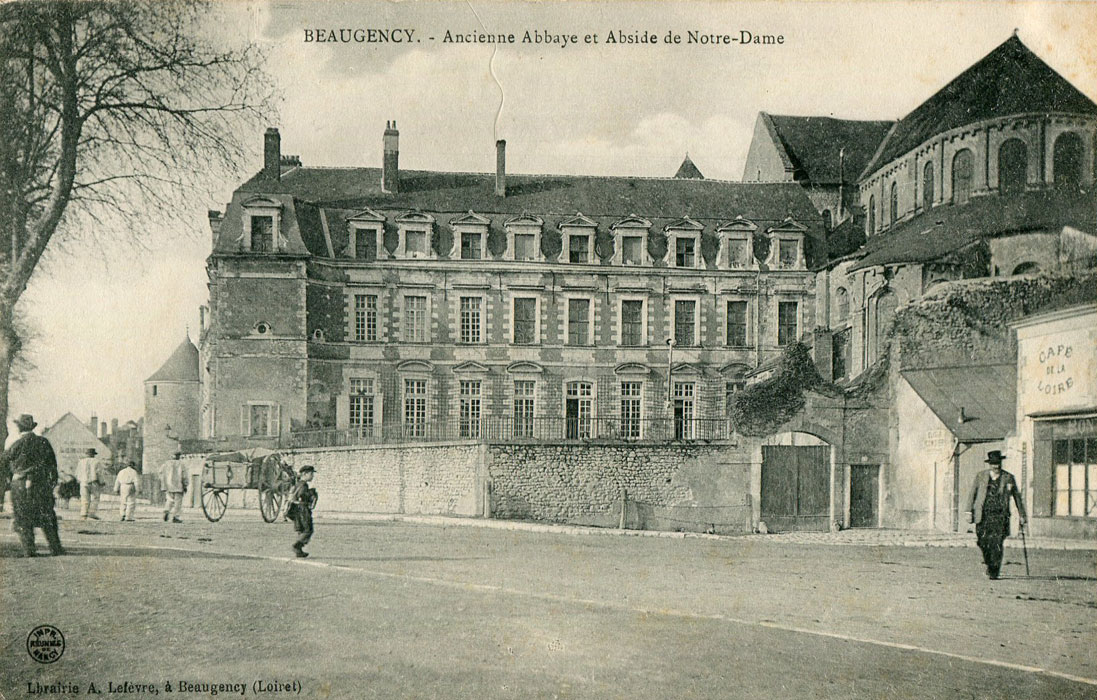
Old postcard, private collection
- BEAUNIER, Dom (1905). Recueil historique des Archêvechés, Évêchés, Abbayes et Prieurés de France. Vol. 1. Province ecclésiastique de Paris. París: Poussielgue
- BONTEMPS, Daniel; i altres (2013). Beaugency : l'évolution d'une ville en Val de Loire. Direction de l'Inventaire du patrimoine. Lyon : Lieux dits
- COTTINEAU, Laurent-Henri (1936). Répertoire topo-bibliographique des abbayes et prieurés. Vol. 1. Mâcon: Protat
- PELLIEUX, Jacques-Nicolas (1801). Essais historiques sur la ville et le canton de Beaugency. Beaugency
- SAINT-MAUR, Congregació de (1744). Gallia Christiana in provincias ecclesiasticas distributa. Vol. 8. París: Typographia Regia
- VERGNOLLE, Éliane (2007). La collégiale Notre-Dame de Beaugency. Les campagnes romanes. Bulletin Monumental Vol. 165
- VIGNAT, Gaston (1887). Cartulaire de l'abbaye de Notre-Dame de Beaugency. Mémoires de la Société Archéologique et Historique de l’Orléanais. Orleans/París: Herluison/Société Bibliographique
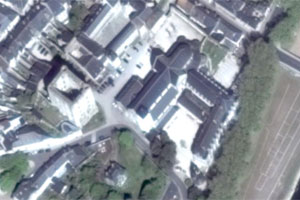
Beaugency Abbey stands in the centre of the town, between the Loire and the castle