

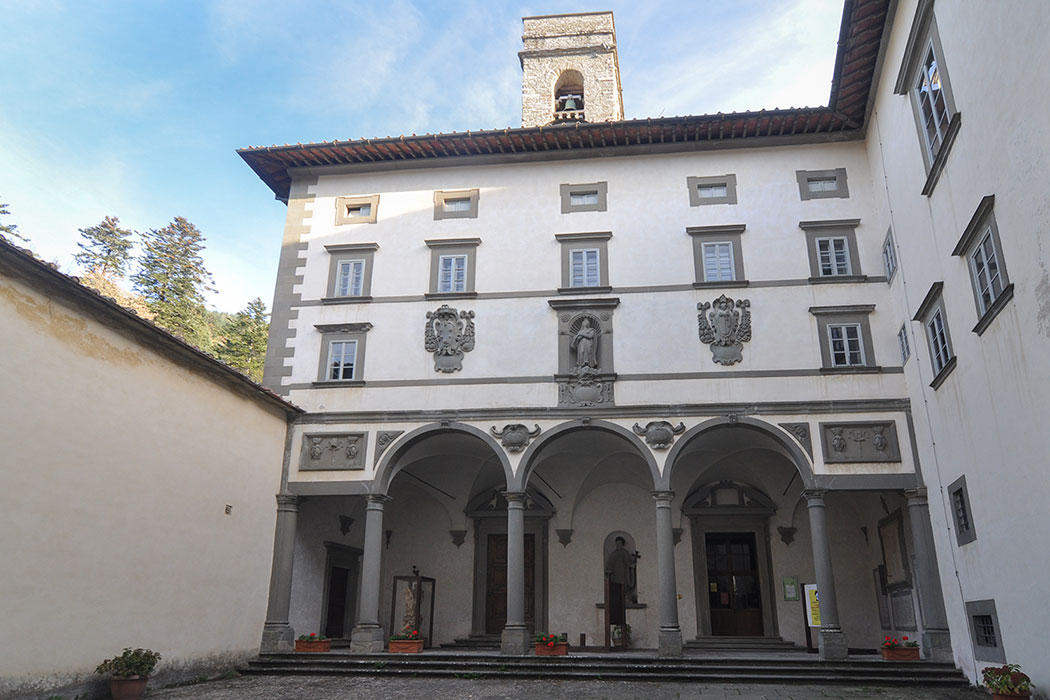
The Benedictine Abbey of Chezal-Benoît originated from an earlier foundation established at the end of the eleventh century on the initiative of the Count of Chalon, Geoffroy de Donzy († 1111). After returning from the Holy Land, he sought papal permission to found a monastery. The pope sent monks from the Abbey of Vallombrosa (Tuscany), who settled on land granted by the count and founded the monastery of Silviacum, soon known as Cornilly (Loir-et-Cher).
Meanwhile, the Viscount of Bourges, Eudes Arpin (1060–1130), who was preparing to depart for the East on the First Crusade, also wished to establish a monastic house. In 1093, the Archbishop of Bourges approved the new foundation, in which the monastery of Cornilly took part. The new monastery was dedicated to Saint Peter. In 1099, a bull issued by Pope Urban II placed the house under papal protection and imposed the Rule of Saint Benedict according to the customs of Vallombrosa. The church was consecrated in 1104 by Léger, Archbishop of Bourges, and its first abbot was André of Vallombrosa († 1112). That same year, Pope Paschal II confirmed the foundation and the provisions established by his predecessor.
The abbey's prosperity was interrupted by the Hundred Years' War, during which it was occupied and plundered. As a result, the monastery was fortified. By the second half of the fifteenth century, monastic observance had become relaxed. In 1479, Pierre du Mas († 1492) was appointed abbot and undertook a reform of both the monastic buildings and community discipline. He introduced stricter regulations while preserving communal ownership of property and the monks' right to elect their own abbot, thus preventing the introduction of the commendatory system for many years.
These statutes were approved in 1490 by Pope Innocent VIII, leading to the establishment of the Congregation of Chezal-Benoît. The reform became firmly established in the abbey itself and was subsequently adopted by other monasteries: Saint-Sulpice de Bourges (Cher) in 1494, Saint-Alyre de Clermont (Puy-de-Dôme) in 1500, Saint-Vincent du Mans (Sarthe) in 1502, and Saint-Martin de Sées (Orne) in 1511. Together, these monasteries formed the original nucleus of the congregation.
Other monasteries later adopted the same observance, including Saint-Germain-des-Prés in Paris in 1513, Jumièges (Seine-Maritime) in 1517 and Saint-Pierre de Brantôme (Dordogne) in 1555, among others. These houses, however, did not benefit from the concordat that exempted them from the commendatory system. Chezal-Benoît became an important religious and cultural centre, although it also suffered during the Wars of Religion. In 1650, the intervention of the civil and ecclesiastical authorities led to the incorporation of the Congregation of Chezal-Benoît into the Congregation of Saint-Maur, ushering in a new period of prosperity that lasted until the French Revolution suppressed the monastery. It was sold in 1792, and its church became the parish church.
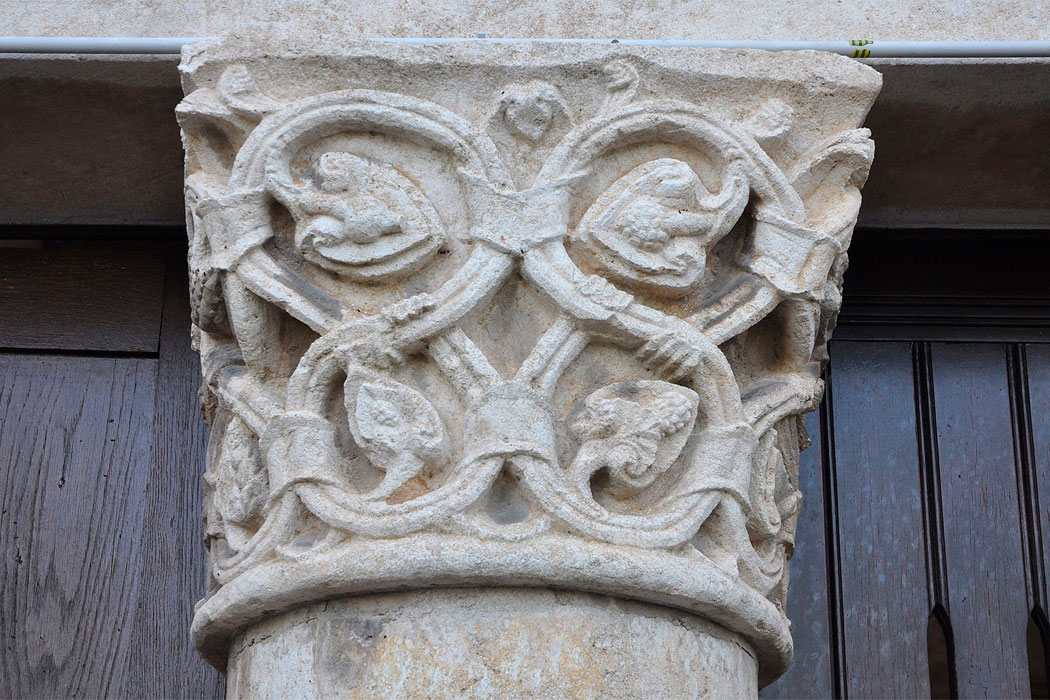
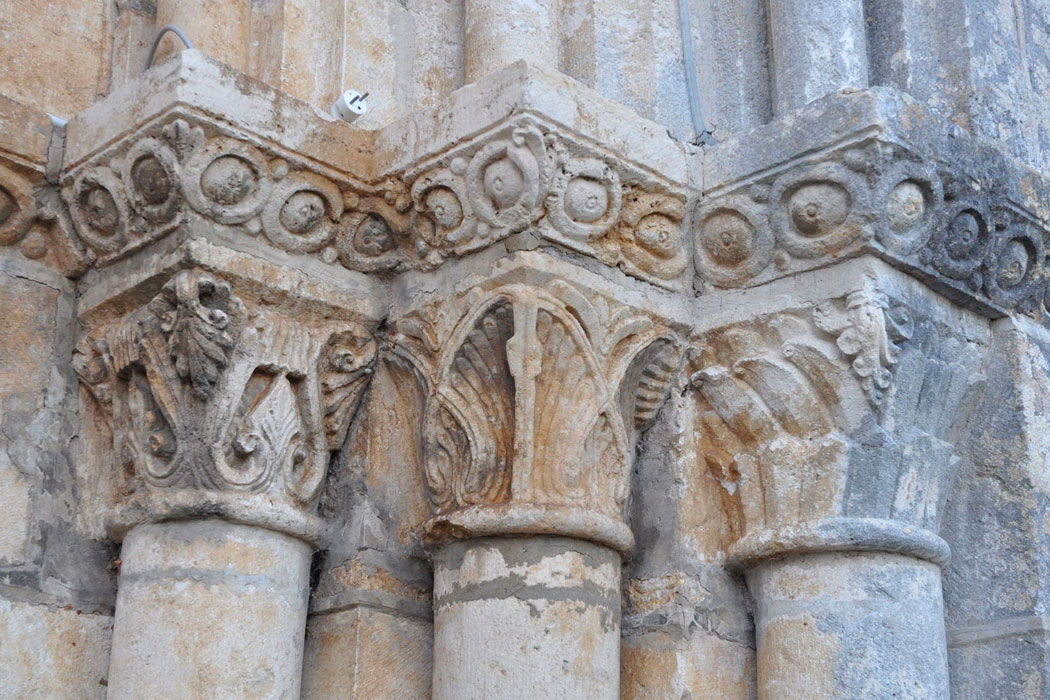
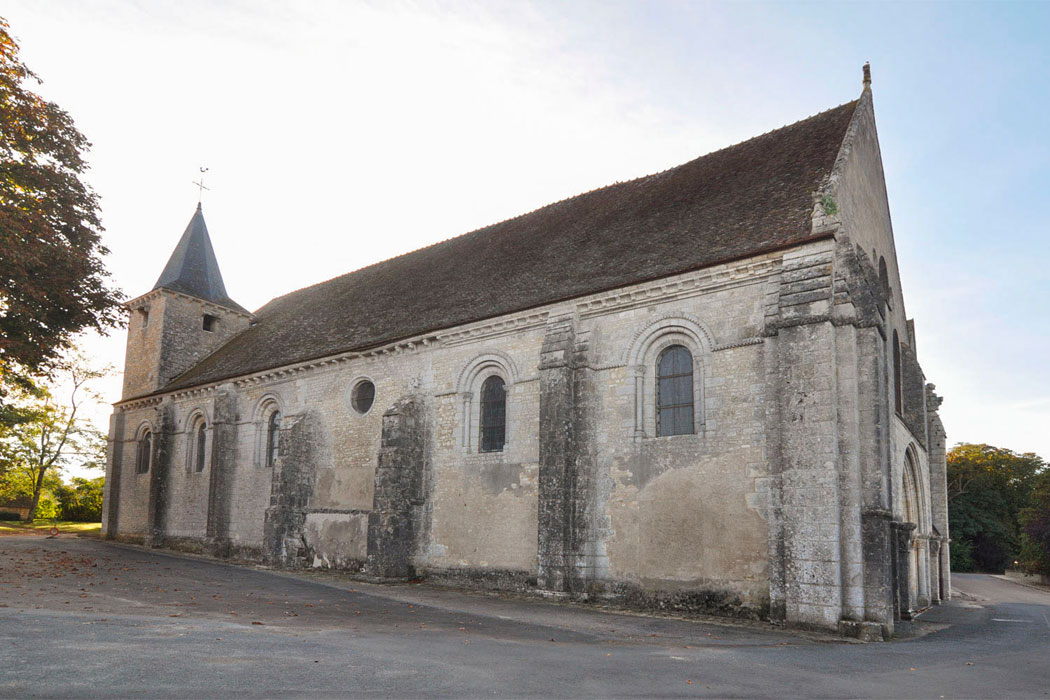
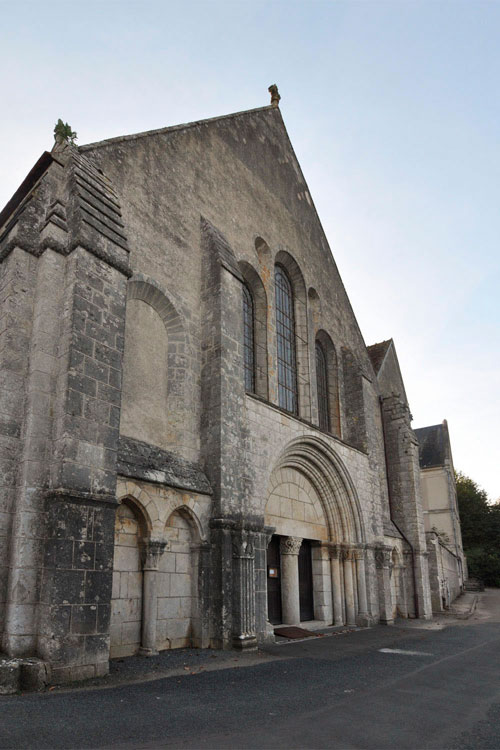
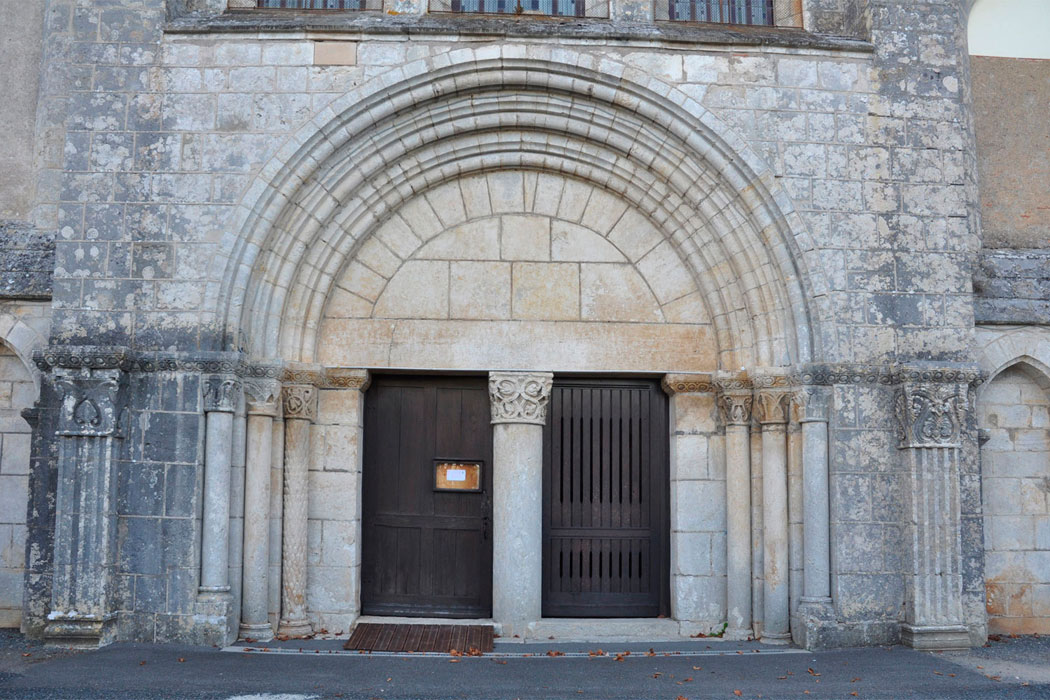
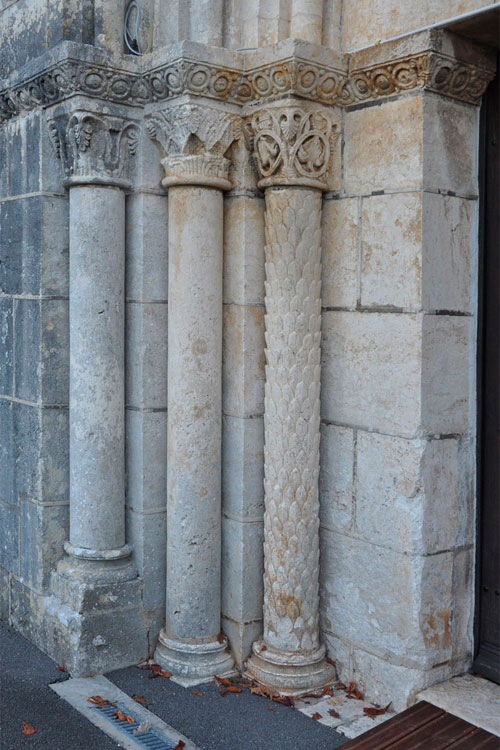
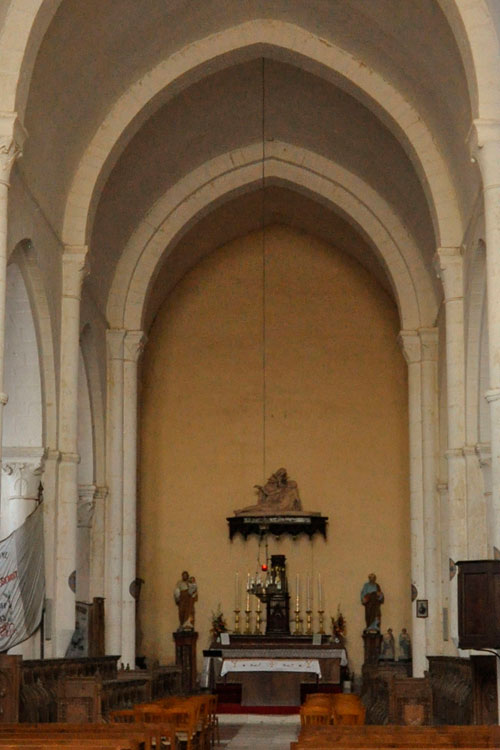
The abbey church is a large three-aisled building divided into seven bays. It is the only surviving medieval part of the complex, probably dating from the twelfth century. The transept and the entire chancel were demolished in 1827. During the seventeenth and eighteenth centuries, all the conventual buildings were reconstructed and are now occupied by a care facility.
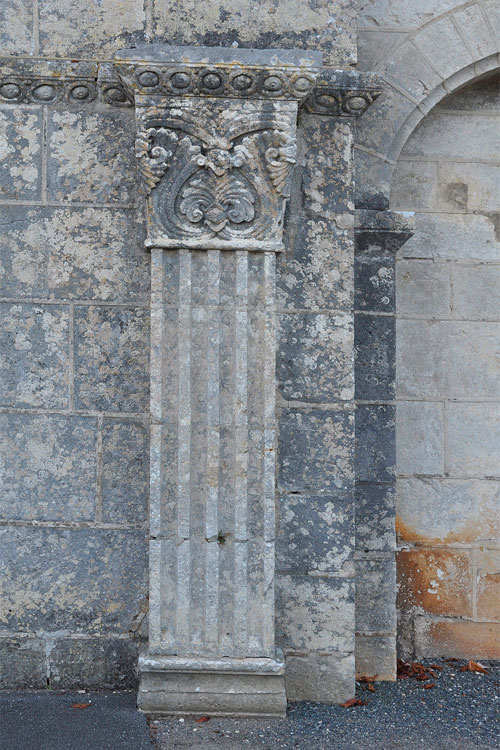
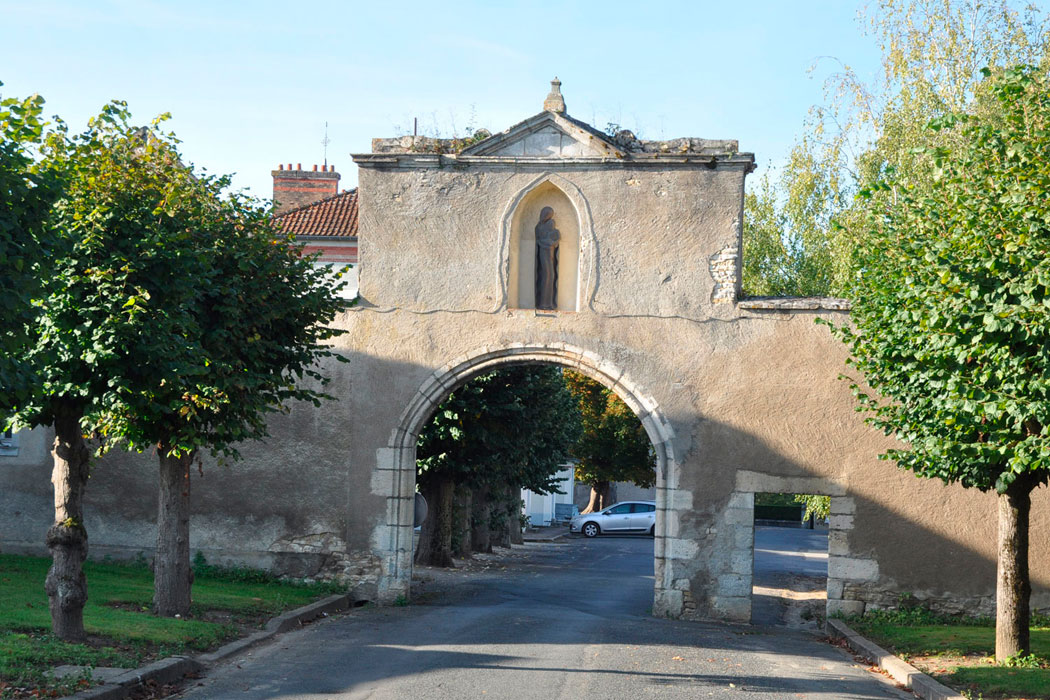
Portal of the abbey enclosure
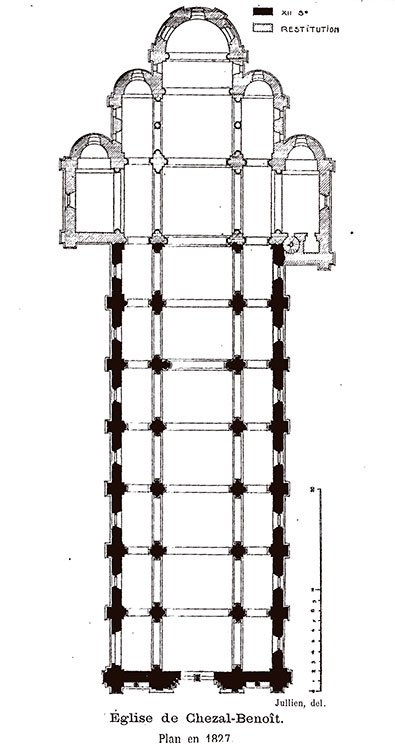
Church floor plan
Published in L'église abbatiale de Chezal-Benoît (1907)

According to Armorial général de France (18th century)
Bibliothèque nationale de France
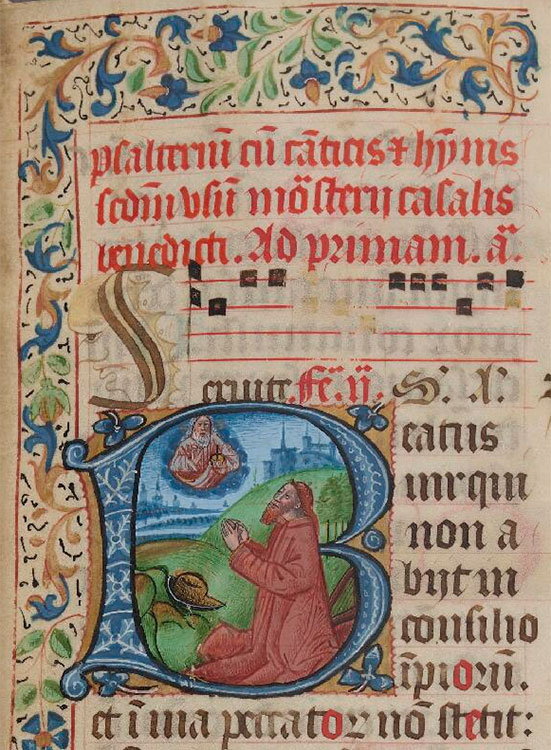
Initial of Psautier à l'usage de Saint-Pierre de Chezal-Benoît (c. 1490-1500)
Bibliothèque municipale, Bourges. Ms. 25
Portail Biblissima
- BAUDRILLART, Alfred (1953). Dictionnaire d'histoire et de géographie ecclésiastiques. Vol. 12. París: Letouzey et Ané
- BEAUNIER, Dom (1912). Abbayes et prieurés de l'ancienne France. Vol. 5. Bourges. Abbaye de Ligugé
- BERLIÈRE, Ursmer (1900). La congrégation bénédictine de Chezal-Benoît. Revue bénédictine, núm. 17. Maredsous
- BUHOT DE KERSERS, Alphonse (1891). Histoire et statistique monumentale du département du Cher, vol. 5. Bourges: Tardy
- DESHOULIÈRES, François (1907). L'église abbatiale de Chezal-Benoît. Bulletin monumental. París: Picard
- DESHOULIÈRES, François (1910). L’abbaye de Chezal-Benoît. Mémoires de la Société des antiquaires du Centre. Bourges: Tardy-Pigelet
- DESHOULIÈRES, François. (1932). Chezal-Benoît. Congrès archéologique de France. XCIV Session. Bourges. París: Picard
- FAVIÈRE, Jean (1970). Berry roman. La nuit des temps, 32. Zodiaque
- OURY, Guy-Marie (1979). Les Bénédictins réformés de Chezal-Benoît. Revue d'histoire de l'Église de France, vol. 65
- SAINT-MAUR, Congregació de (1720). Gallia Christiana in provincias ecclesiasticas distributa. Vol. 2. París: Typographia Regia

The Abbey of Chezal-Benoît is located in the commune of the same name, southwest of Bourges