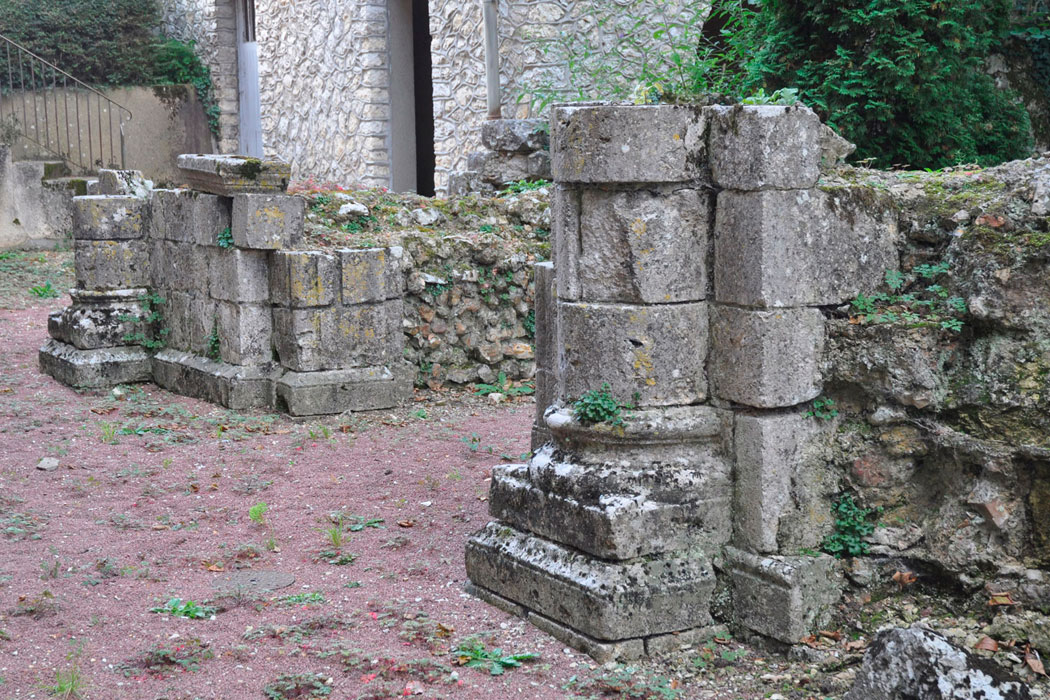


The Benedictine abbey of Notre-Dame de Josaphat was founded by Geoffroy de Lèves, Bishop of Chartres (d. 1149). Geoffroy had undertaken to take part in an expedition to the Holy Land but, after being elected bishop, he obtained Pope Paschal II’s release from that obligation in exchange for devoting the resources intended for the expedition to the foundation of a monastery. In 1117, with the agreement of his brother Gosselin, he obtained the approval of Louis VI the Fat (1081–1137), donated the land and endowed the foundation.
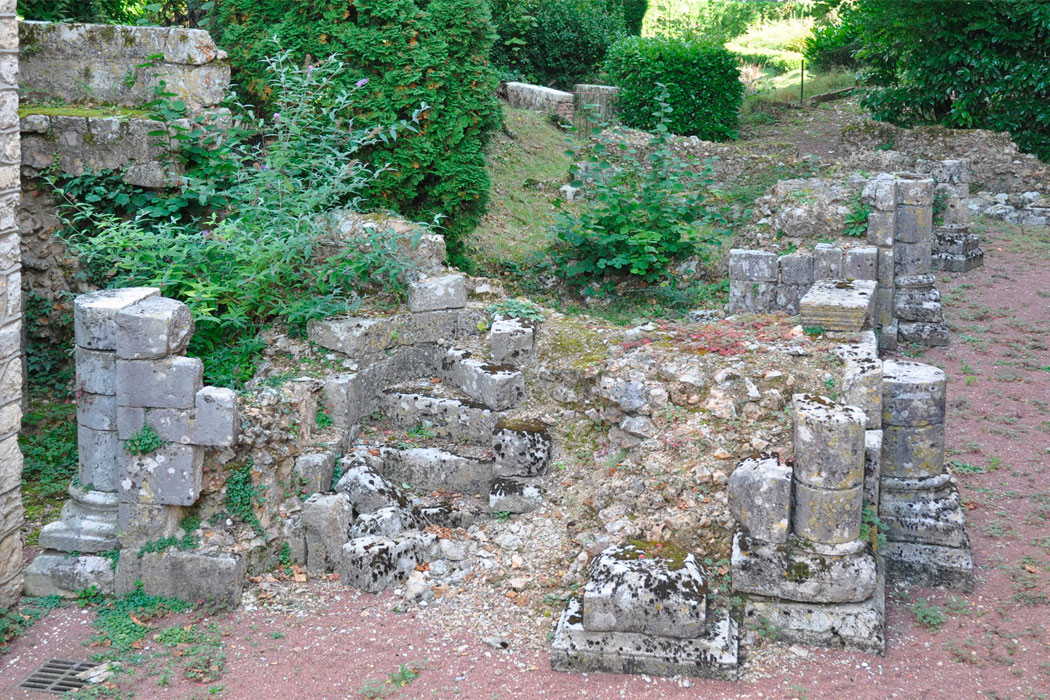
Church remains
By 1119, construction of the monastery was sufficiently advanced to receive its first community. Among its members were several monks from Fourmetot Abbey (Eure), who had been forced to leave that place because of a military conflict. In 1147, Pope Eugene III confirmed all the donations the abbey had received up to that time. In 1168, the abbey church was consecrated and dedicated to the Virgin Mary and Saint John the Evangelist, while the monastery was known by the name of Josaphat, recalling the Holy Land and reflecting the origin of the foundation. In 1180, John of Salisbury, Bishop of Chartres and former secretary to Thomas Becket, died and was buried at the monastery.
In 1360, the abbey was attacked by the English and fell into ruins, a situation that recurred at the beginning of the 15th century. In 1412, it is recorded as being in ruins, although the monks still occupied it. In 1431, it was occupied by the army, forcing the community to abandon it and take refuge at Fourmetot, which had been ceded to Josaphat in 1331. By the middle of the 15th century, restoration work was under way, but another attack at this time caused a fire in the church. In 1471, the last regular abbot, Michel de Bonnevent, died; he had begun the restoration works. The following year, Jean Neveu (d. 1499) arrived as the first commendatory abbot.
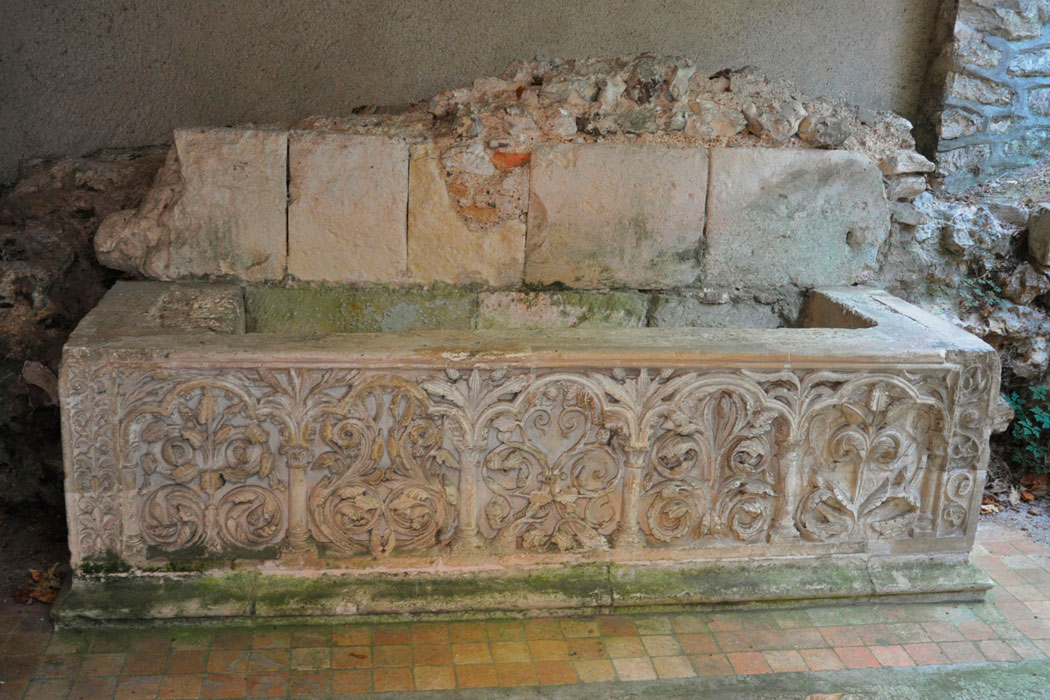
Tomb of John of Salisbury († 1180)
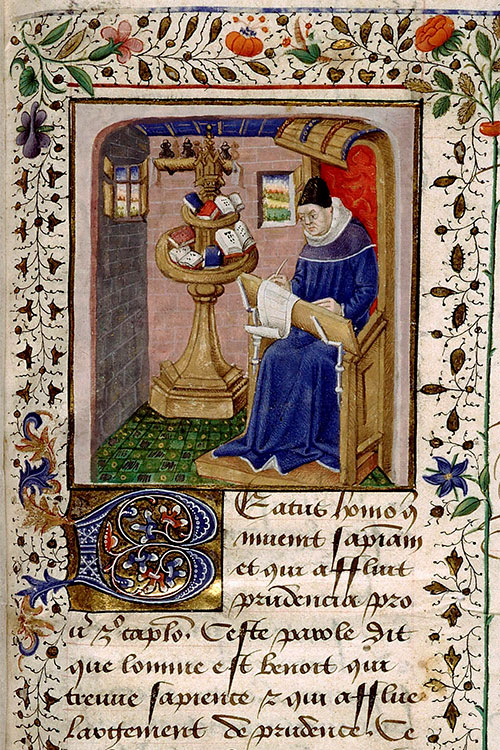
Illustration of Policraticus, his work (15th century)
Bibliothèque Sainte-Geneviève (Ms. 1144)
During the second half of the 16th century, the abbey had fallen into decline, and the observance of monastic discipline was also affected. At this time, the situation worsened with the Wars of Religion, during which the monastery was occupied and looted and suffered further damage. The poor condition of the cloister buildings often led the monks to leave the site and lodge in private houses. In 1640, reform was introduced when the abbey was taken over by the Congregation of Saint-Maur. The Maurists undertook the physical reconstruction of the monastery, allowing it to survive until 1790, when it was suppressed in the aftermath of the Revolution.
The seven members who then formed the community were forced to leave the monastery. In 1791, it was sold and subsequently partly demolished. Initially, the site continued to be used for agricultural purposes, but in 1818 Marie-Thérèse of France, Duchess of Angoulême (1778–1851), founded an institution there for charitable purposes. Today, the Fondation d’Aligre et Marie-Thérèse continues to occupy and manage the site. In 1828, part of the cloister from Notre-Dame de Coulombs Abbey (Eure-et-Loir) was installed there. In 1905, the abbé Métais carried out excavations at the site, during which remains of the church and other buildings were uncovered. Ancient tombs also came to light, including that of John of Salisbury.
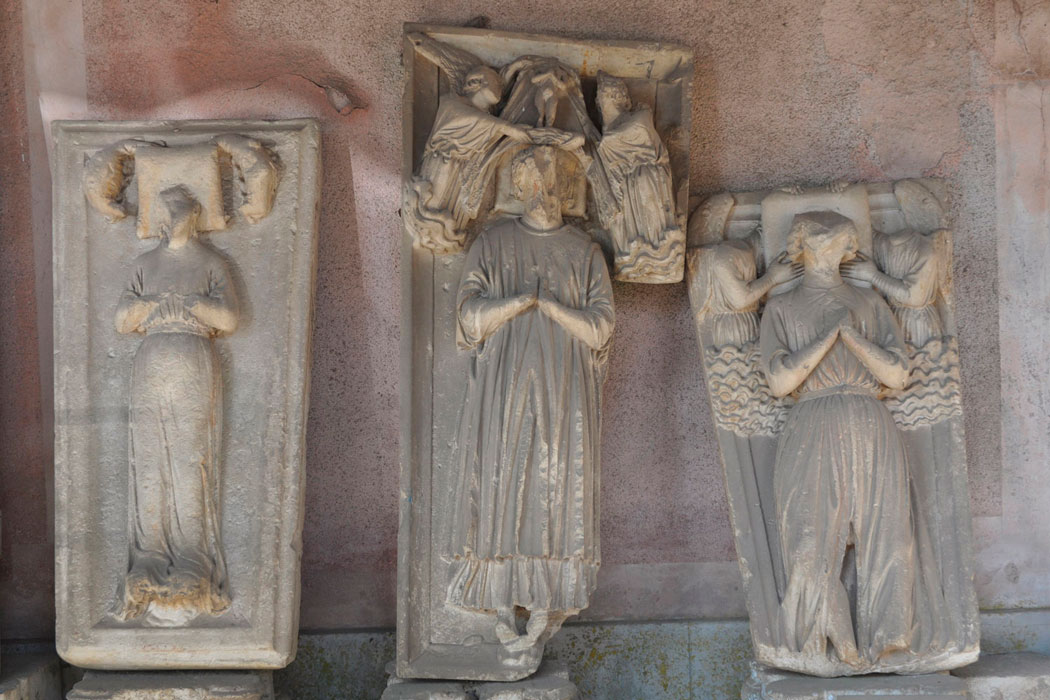
Sepulchres
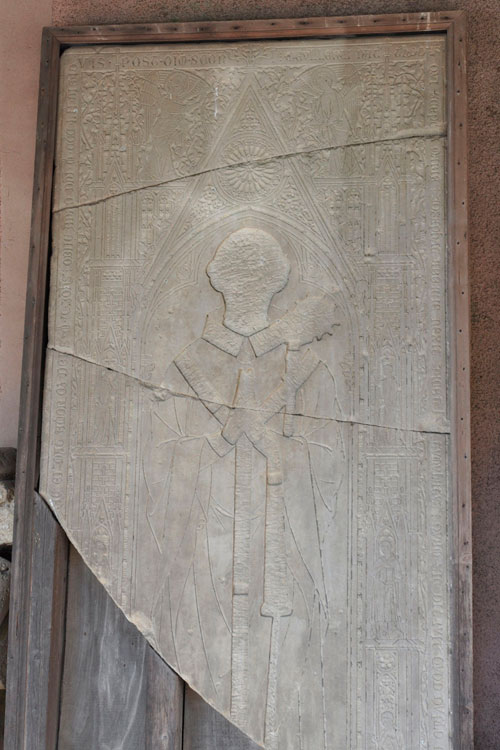
Gravestone
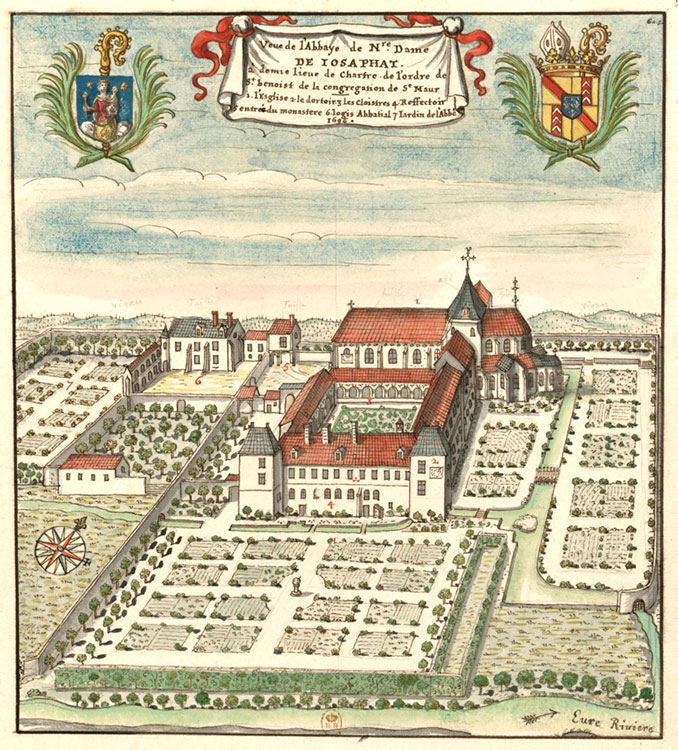
Veue de l'Abbaye de N.re Dame de Iosaphat
Louis Boudan (1696)
Bibliothèque nationale de France
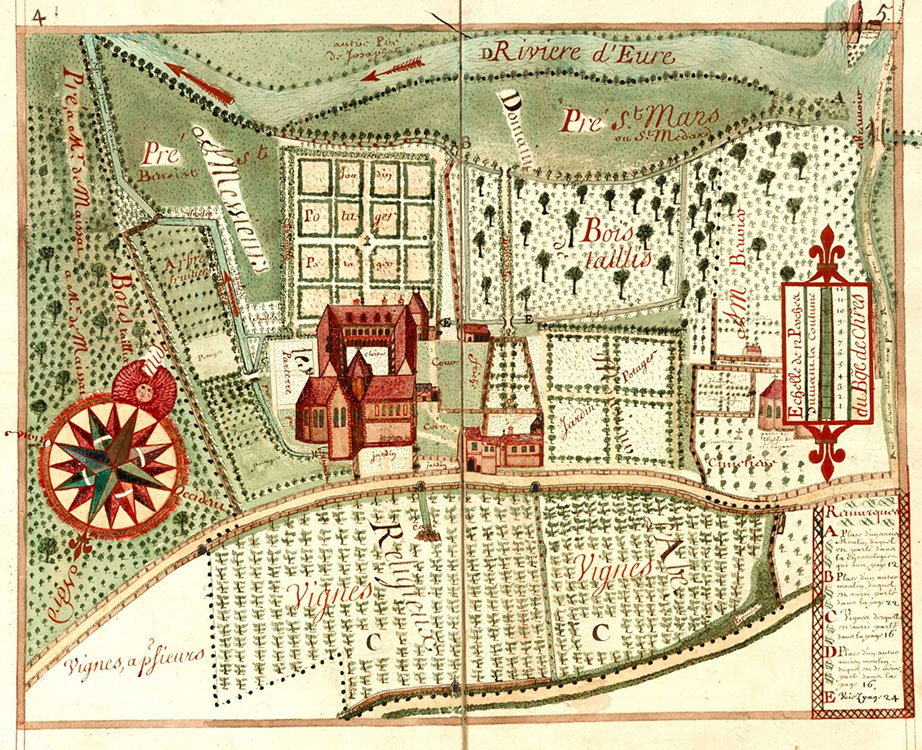
Plan of the abbey (1728)
Archives départementales d'Eure-et-Loir (FR AD 28 / H 2101)
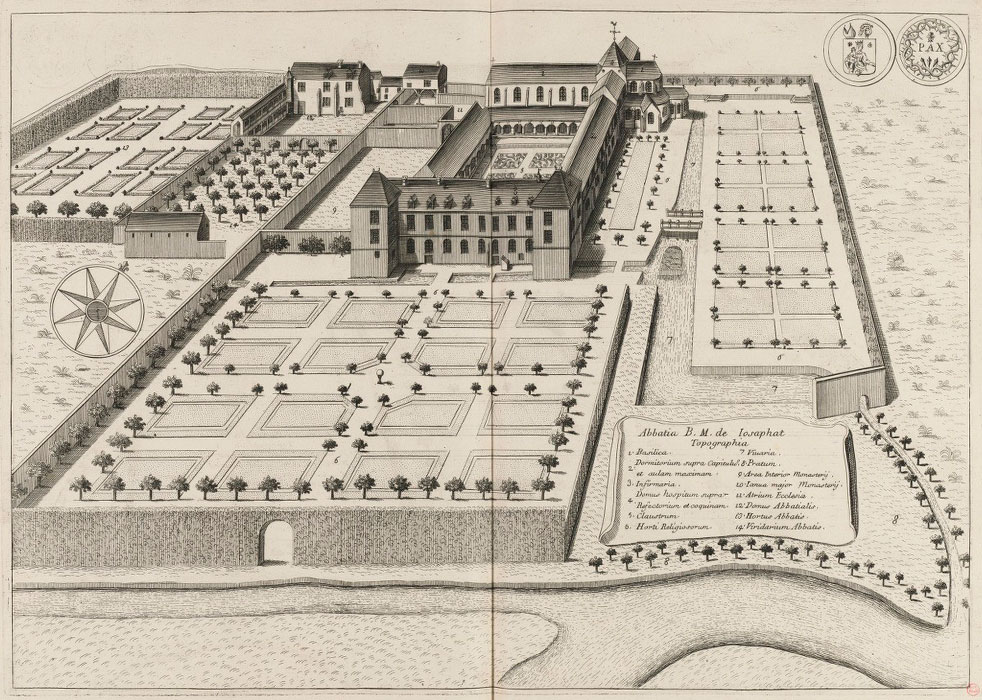
Monasticon Gallicanum
Bibliothèque nationale de France
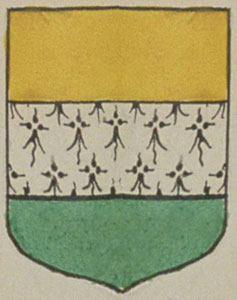
According to Armorial général de France (18th century)
Bibliothèque nationale de France
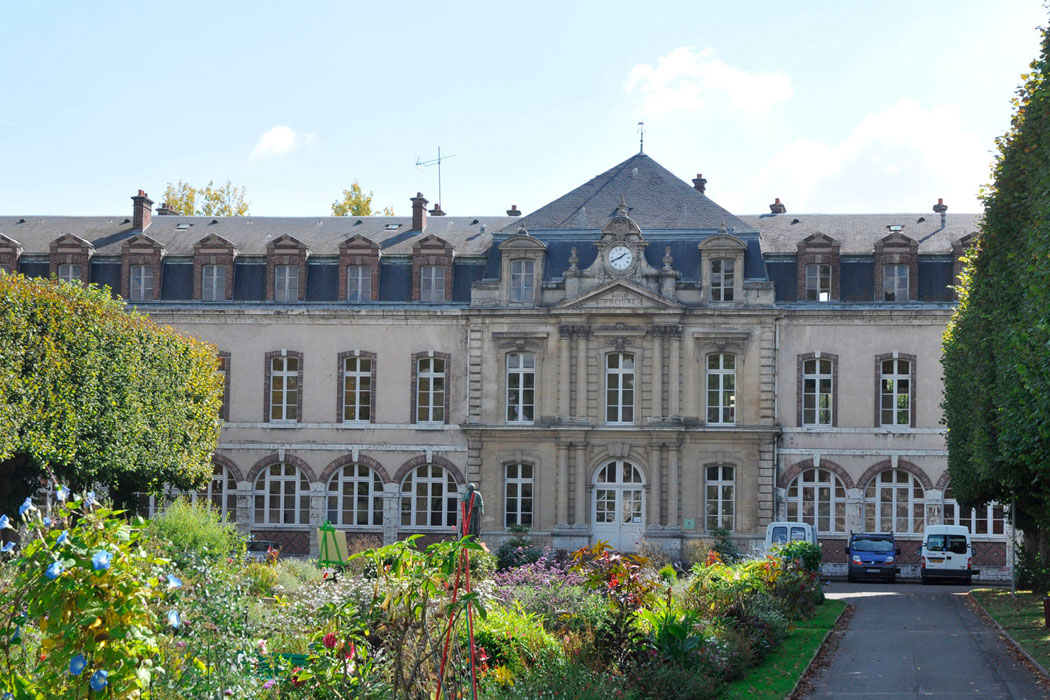
Fondation d’Aligre et Marie-Thérèse
- AUBERT, R. (2003). Dictionnaire d'histoire et de géographie ecclésiastiques. Vol. 28. París: Letouzey et Ané
- BEAUNIER, Dom (1905). Recueil historique des Archêvechés, Évêchés, Abbayes et Prieurés de France. Vol. 1. Province ecclésiastique de Paris. París: Poussielgue
- LECOCQ, Ad. (1882). Souvenirs de l'abbaye de Josaphat-lès-Chartres. Mémoires de la Société archéologique d'Eure-et-Loir. Chartres
- LÉPINOIS, Eugène de (1854). Histoire de Chartres. Vol. 1. Chartres: Garnier
- MARTÈNE, Dom (1929). Histoire de la Congregation de Saint-Maur, vol. 2. Saint-Martin de Ligugé
- MÉTAIS, Charles (1911-12). Cartulaire de Notre-Dame de Josaphat, 2 vols. Chartres: Société Archéologique d'Eure-et-Loir
- PEIGNÉ-DELACOURT, Achille (1877). Monasticon Gallicanum. Paris: G. Chamerot
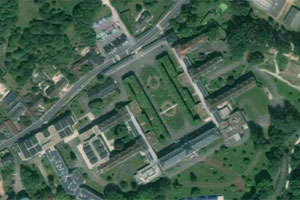
Notre-Dame de Josaphat Abbey is located in the commune of Lèves, north of Chartres