Abbey of Notre-Dame de Noirmoutier
Herio / Nigrum Monasterium / S Philbert / Philibert
(Noirmoutier-en-l'Île, Vendée)
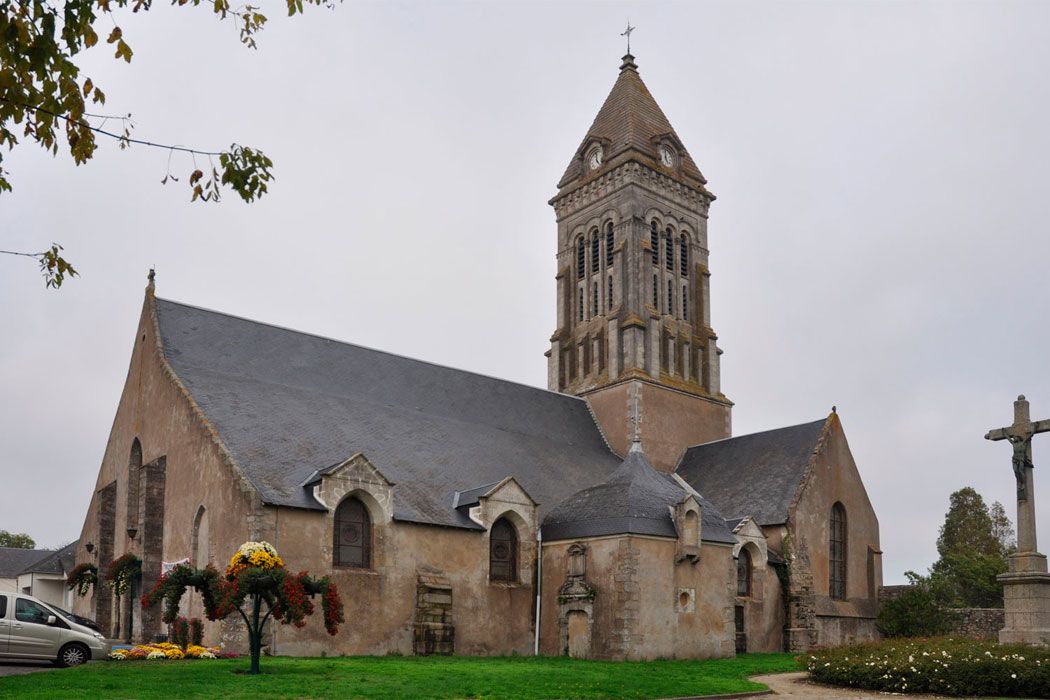
Formerly abbey, and then a priory, of Noirmoutier

The former abbey stood on the island of Noirmoutier, on the Atlantic coast. Owing to its insular nature and geographical position, the site remained exposed, after the Roman period, to successive invasions and occupations. The region was long under Visigothic rule, but from the 6th century onwards it came under Frankish control. During the 7th century, several monasteries were founded in the area, following the model of earlier establishments such as Saint-Martin de Vertou (Loire-Atlantique) and Saint-Hilaire de Yeu (Vendée).
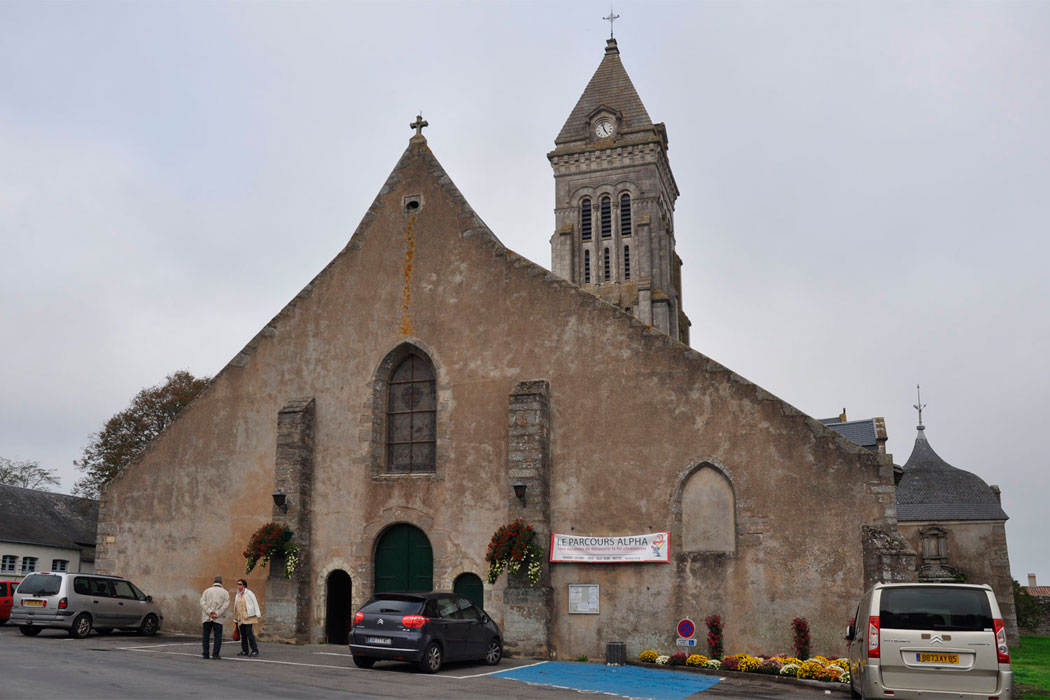
The monastery of Noirmoutier, then known as Herio, was founded in 677 by Saint Philibert de Jumièges, who arrived there from Saint-Pierre de Jumièges (Seine-Maritime), a monastery he had previously founded. In that same year, the bishop of Poitiers endowed the new foundation with lands, and monks from Jumièges settled there. At that time, the island was sparsely populated. The community experienced significant growth and founded other establishments on the mainland. Philibert died here in 685 and was buried on the site.
The monastery developed economically through agriculture and, above all, through salt production. In the context of the Viking incursions, the island proved particularly vulnerable, given the difficulties faced by the Carolingian rulers in defending it. After a period of raids, the Vikings came to occupy Herio in a relatively stable manner. In 836, the monastic community was forced to abandon the site, taking with them the relics of the founder. The monks moved to Déas (Loire-Atlantique), a place that already served as a temporary refuge and where they had a church; there they founded the new monastery of Saint-Philbert-de-Grand-Lieu.
Further Viking incursions affected Noirmoutier (846) and also Saint-Philbert-de-Grand-Lieu (847). In 848, the community left the latter establishment in search of a safer location. After several temporary settlements, it finally established itself at Tournus (Saône-et-Loire) in 875. Meanwhile, the abbey of Noirmoutier had been abandoned, and the island fell into Viking hands, becoming a relatively stable refuge. In the 11th century, the monks of Tournus regained possession of the former monastery of Noirmoutier, which they restored, building a new church and establishing a priory dedicated to Saint Philibert.
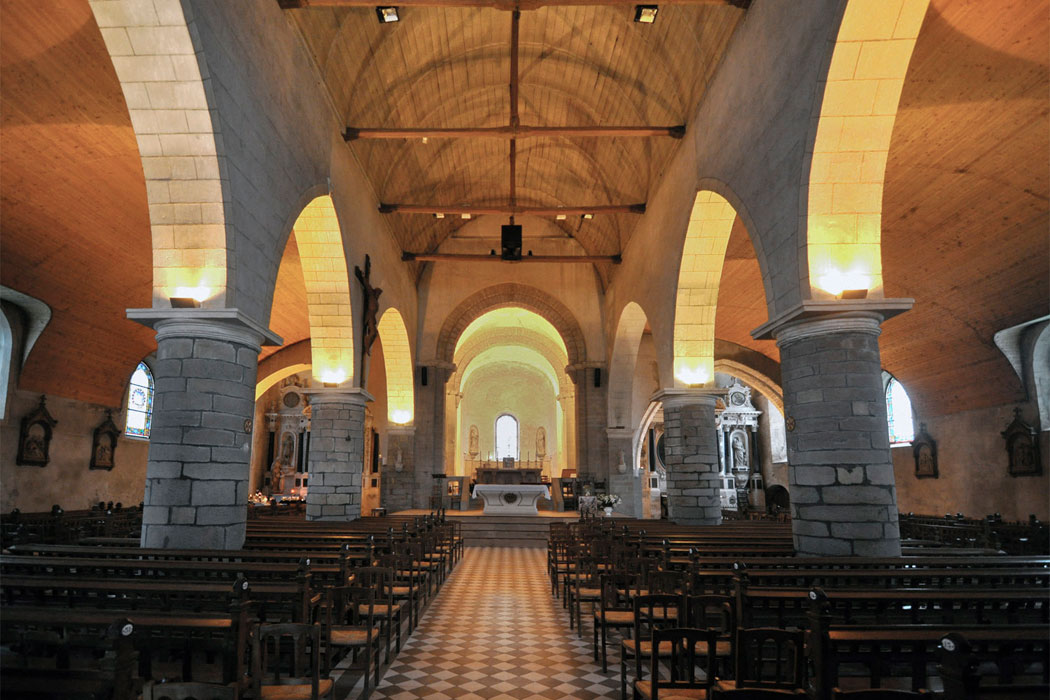
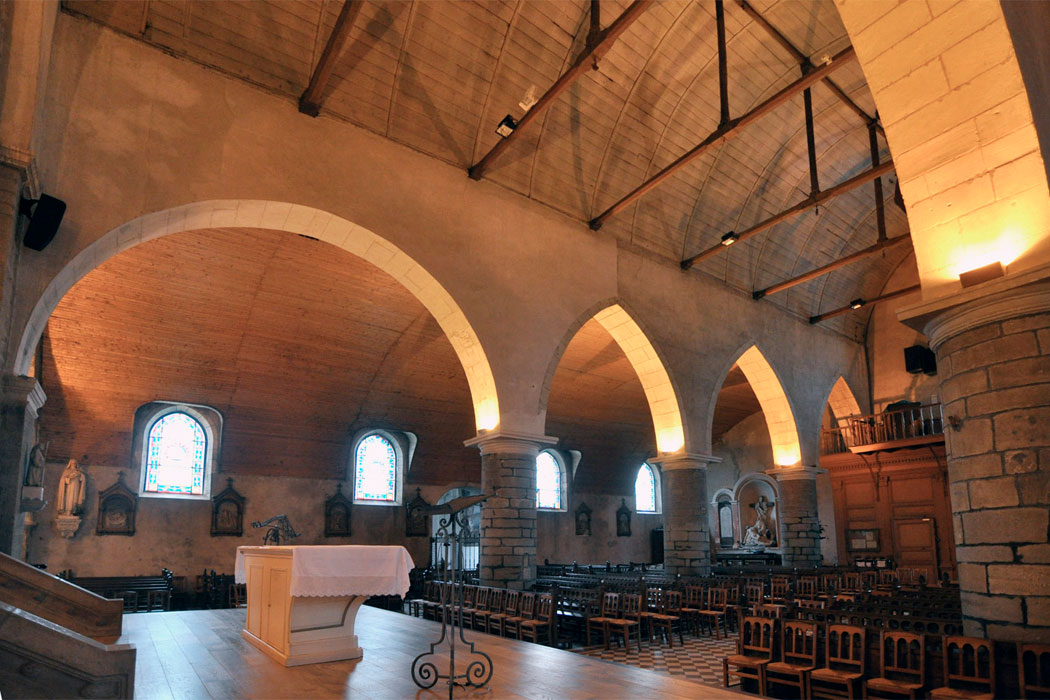
This church was damaged at the end of the 14th century and, in the 17th century, it was almost entirely rebuilt, with only the crypt and part of the chancel preserved. At the end of the 18th century, the church was deconsecrated and subsequently used as a prison and later as a storehouse. During the 19th century, it was returned to religious use and restored. The early crypt is preserved, containing the tomb of the founder, which had housed the relics of Saint Philibert until their transfer to Déas.
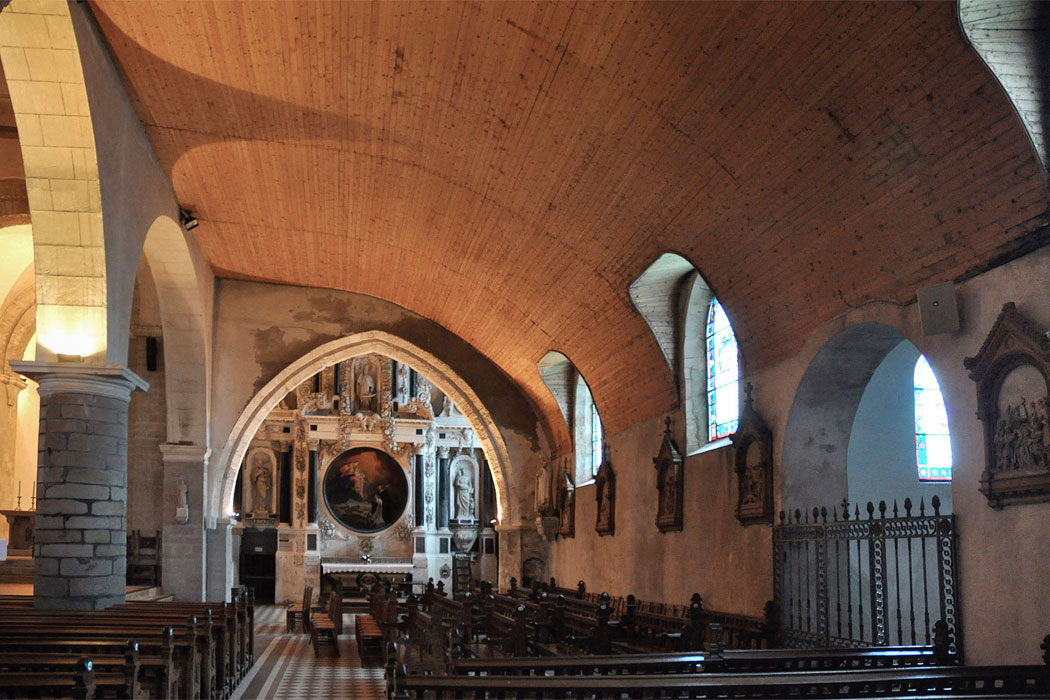
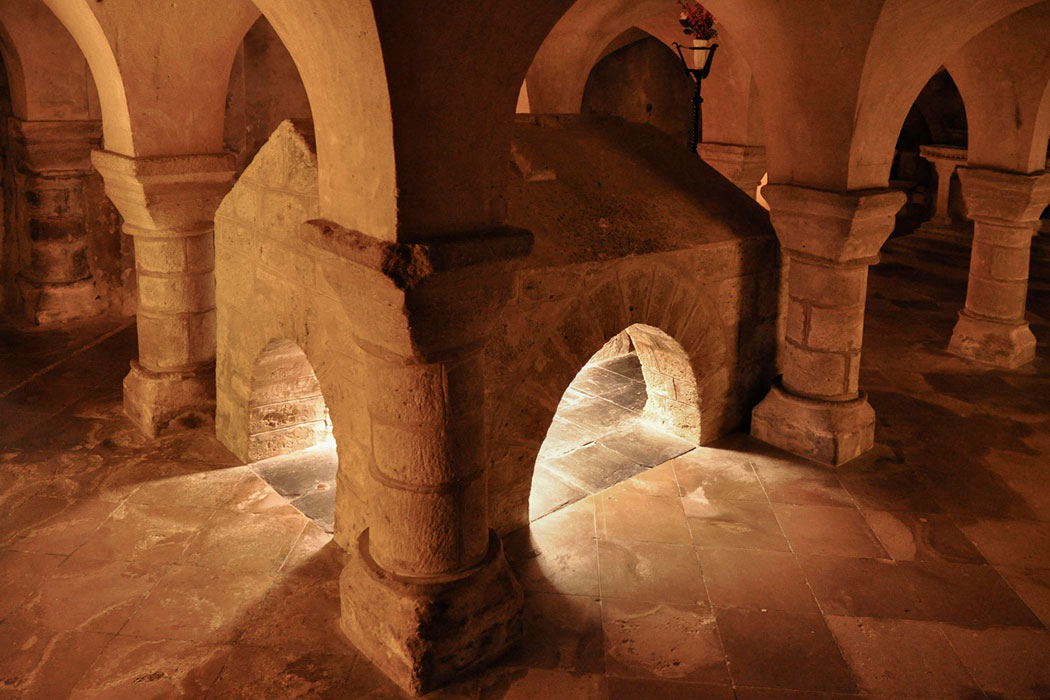
Crypt with the ancient tomb of Saint Philibert
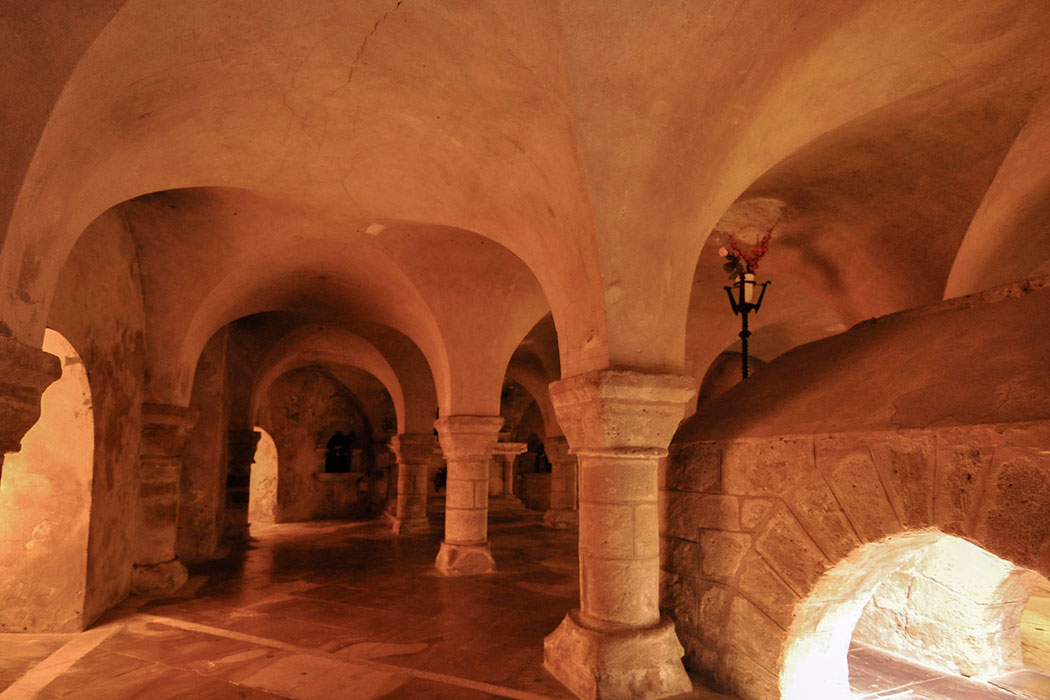
Crypt
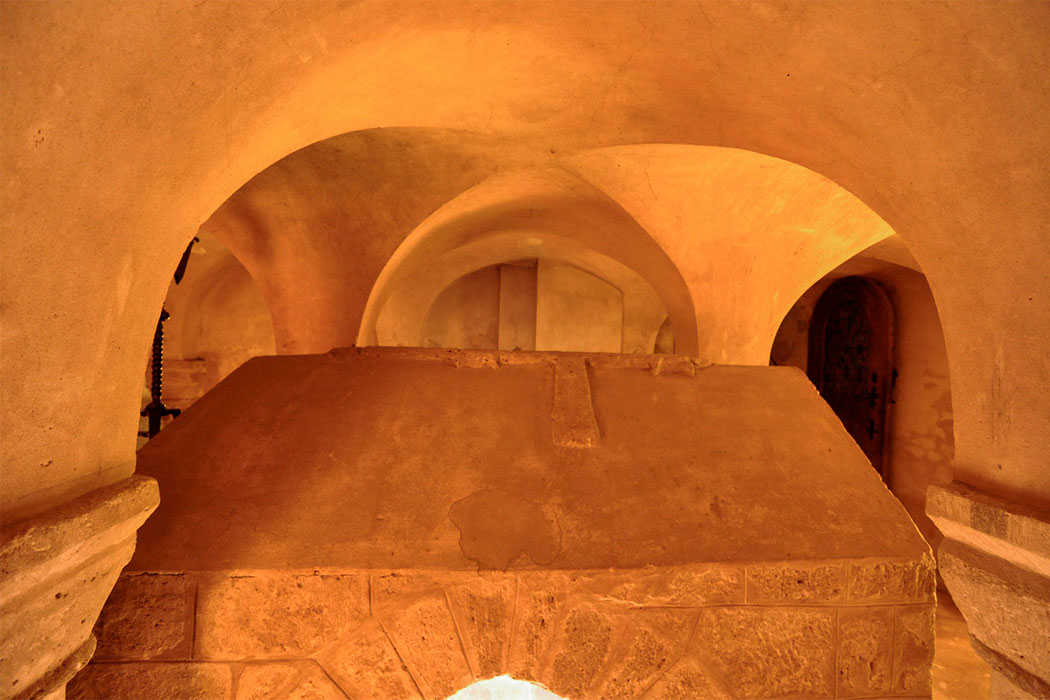
Crypt with the ancient tomb of Saint Philibert
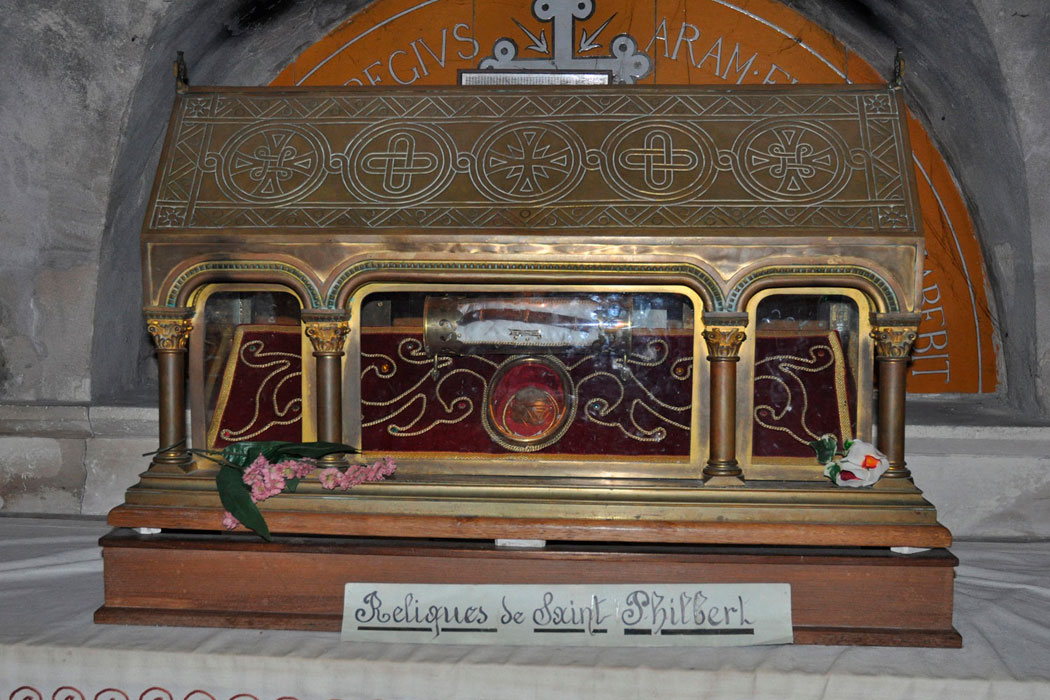
Reliquary of Saint Philibert

Crypt
Illustration from L'Ile de Noirmoutier. La chapelle de Saint Filibert (1896)
Bibliothèque nationale de France

Isle de Narmoustier. Christophe Tassin (1634)
Bibliothèque nationale de France
- BEAUNIER, Dom (1910). Abbayes et prieurés de l'ancienne France. Vol. 3: Auch, Bordeaux. Abbaye de Ligugé
- BERGERON, Lorraine (2026). De l’importance de Noirmoutier dans l’entreprise viking en Aquitaine au IXe siècle. Université de Sherbrooke
- CARTRON, Isabelle (2010). Les pérégrinations de Saint-Philibert. Presses universitaires de Rennes
- CHARIER-FILLON, Arsène (1896). L'Ile de Noirmoutier. La chapelle de Saint Filibert. Niort: Clouzot
- DELHOMMEAU, Louis (sd). L'église Saint-Philbert de Noirmoutier-en-l'Ille, Saint-Géréon
- POUPARDIN, René (1905). Monuments de l'histoire des abbayes de Saint-Philibert (Noirmoutier, Grandlieu, Tournus). París: Picard
- SAINT-MAUR, Congregació de (1720). Gallia Christiana in provincias ecclesiasticas distributa. Vol. 2. París: Typographia Regia
- TARDIF, Ernest-Joseph (1899). Les chartes mérovingiennes de l'abbaye de Noirmoutier : avec une étude sur la chronologie du règne de Dagobert II. París: Larose
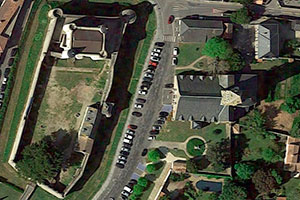
The present church of Saint-Philbert stands on the site of the former monastery. It is located on the island of Noirmoutier, west of Nantes