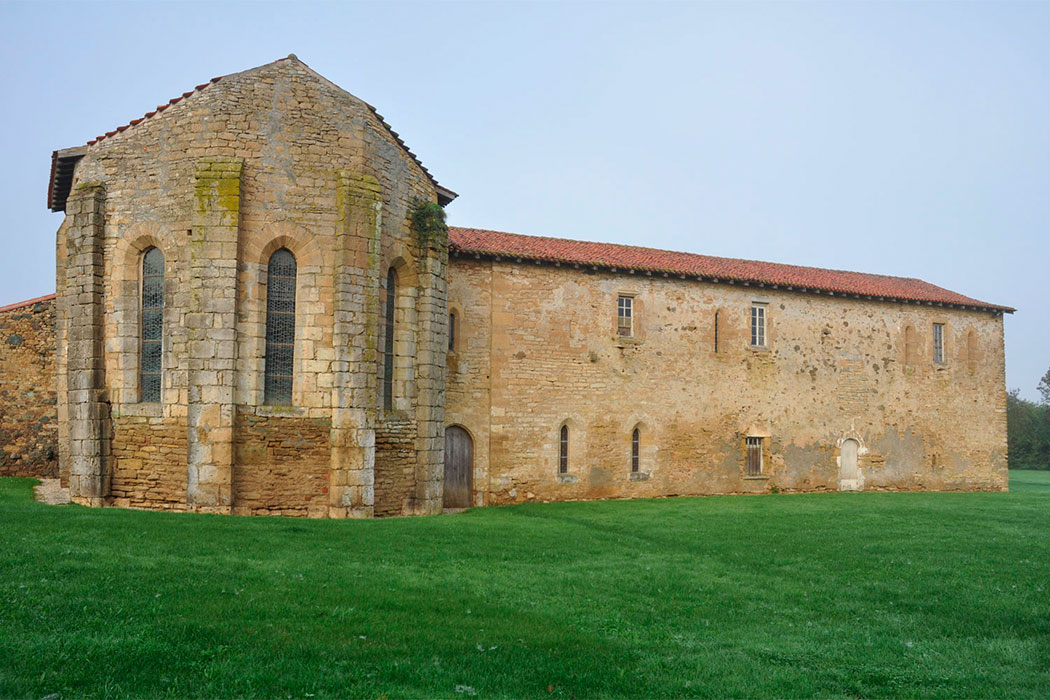

The foundation of the Priory of Chassay, of the Order of Grandmont, also referred to as Chassay-Grammont, took place at an uncertain date, though it is generally placed around 1195. It should be noted that the customs of this order did not favour the production or preservation of written records or archives. Despite the difficulty of reconstructing its history, tradition attributes a role in its establishment to Richard the Lionheart (1157–1199).
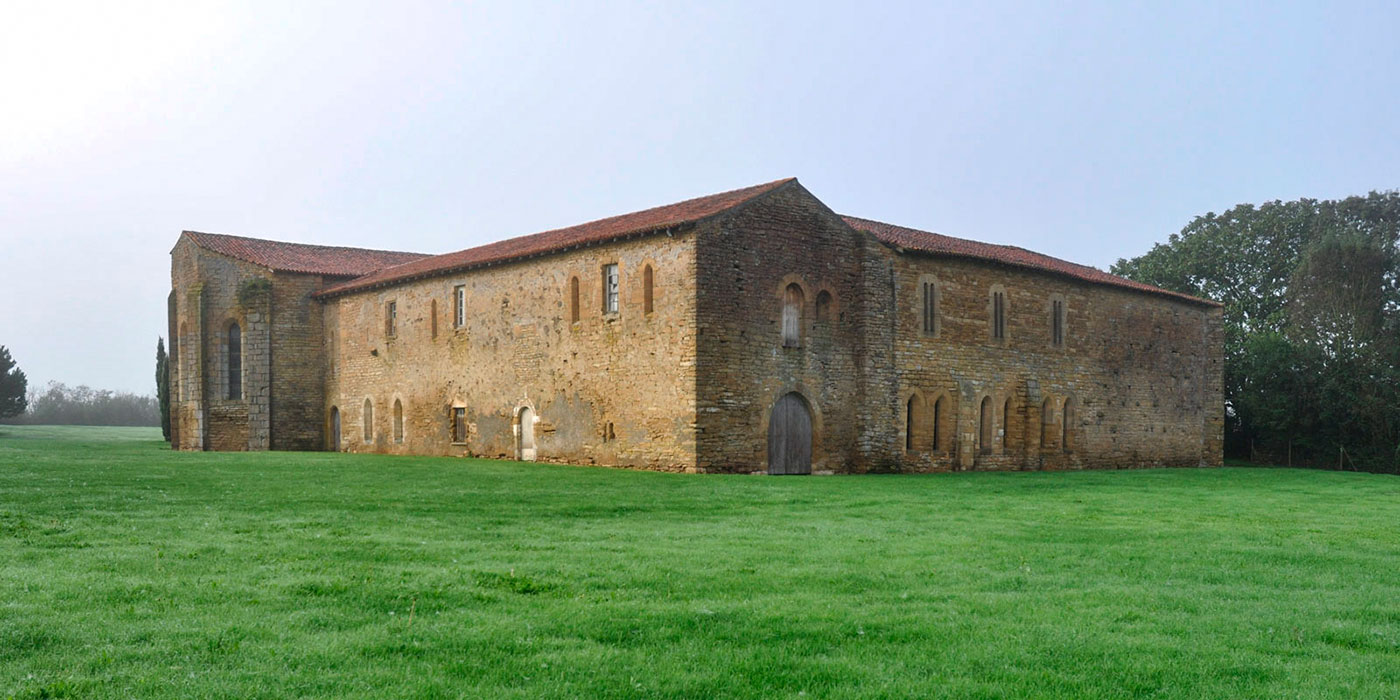
It was in this period that construction began on the monastic complex that still survives, notable for its great simplicity in accordance with the customs of Grandmont. In 1317, when Pope John XXII reorganised the houses of the order, Chassay was attached to that of Bois d’Allone (Deux-Sèvres). The site is thought to have suffered during the Hundred Years’ War and again during the Wars of Religion. By the time the order was suppressed in 1772, it had already become an agricultural estate, probably since the 17th century.
Sold after the Revolution, the monastic complex nonetheless remains homogeneous and in a reasonably good state of preservation. As in other houses of the order, its layout is very simple: a single-nave church with an apse opened by three windows. The cloister, now without its galleries, lay to the north and was surrounded by various buildings, including the chapter house and the refectory, in addition to the church. Since 1980 it has been publicly owned.
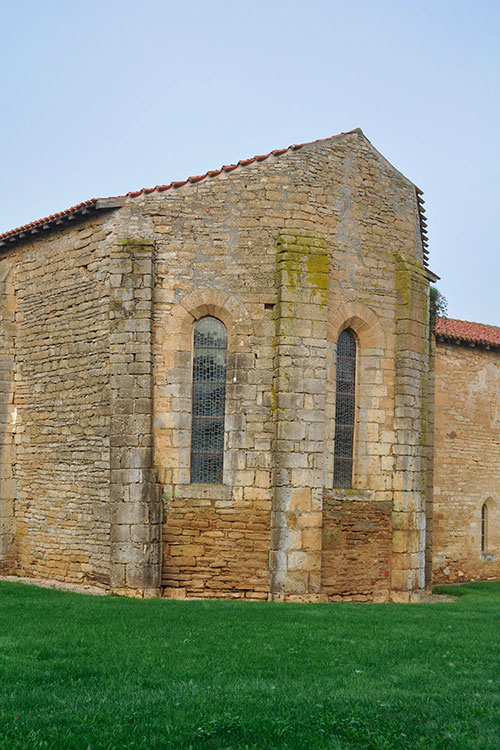
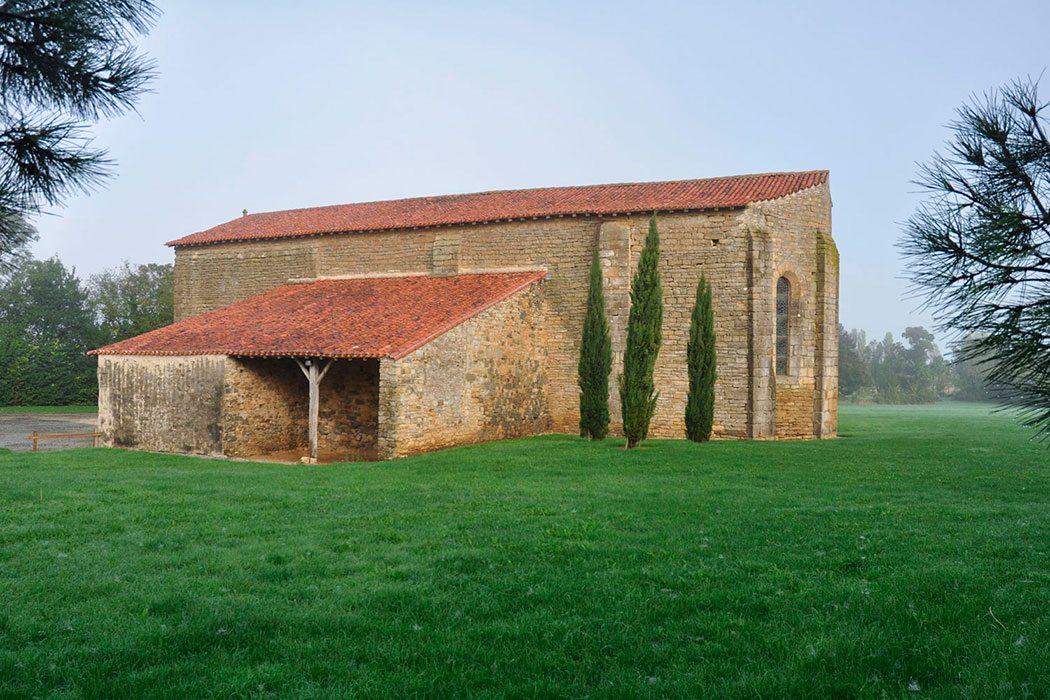
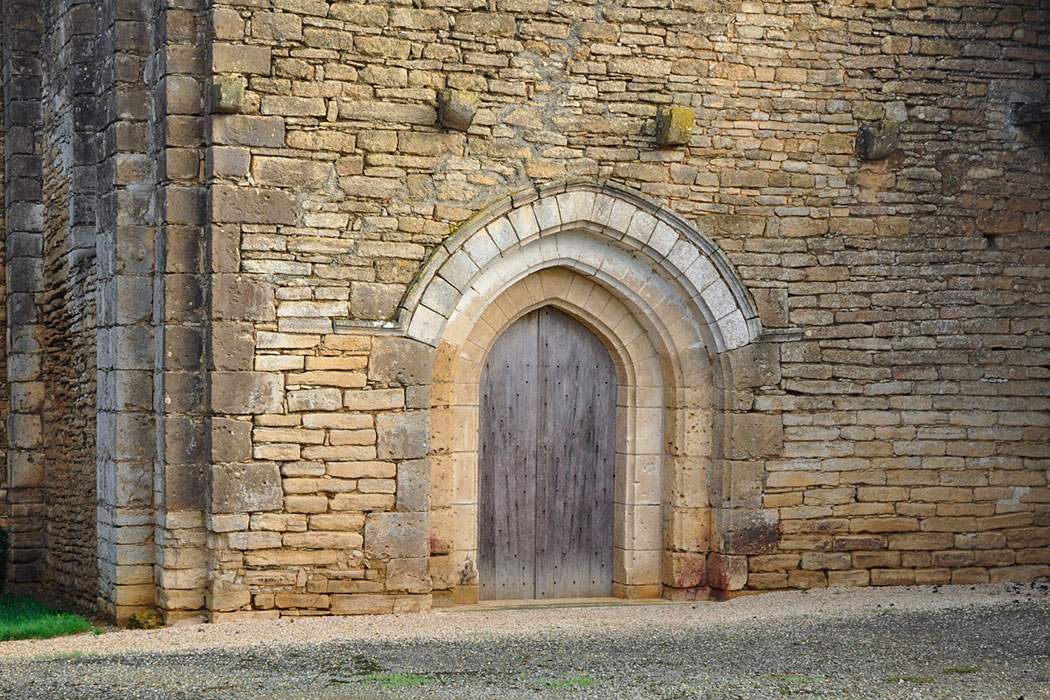
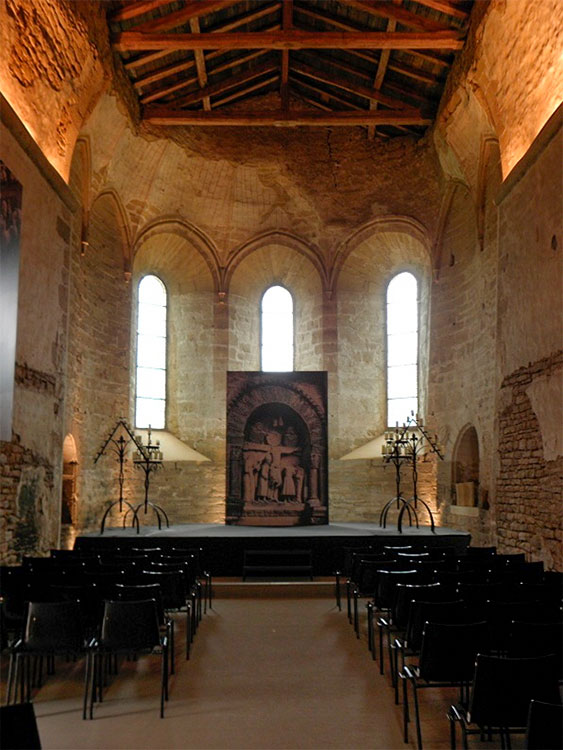
Photo by GO69, on Wikimedia
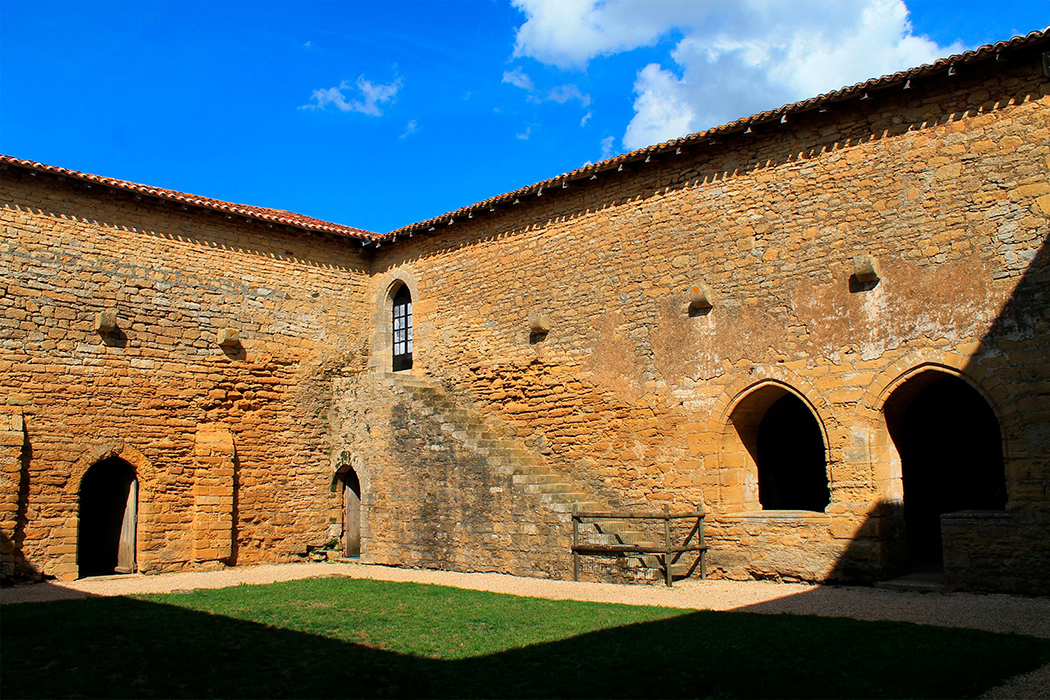
Cloister
Photo by Spouik, on Wikimedia
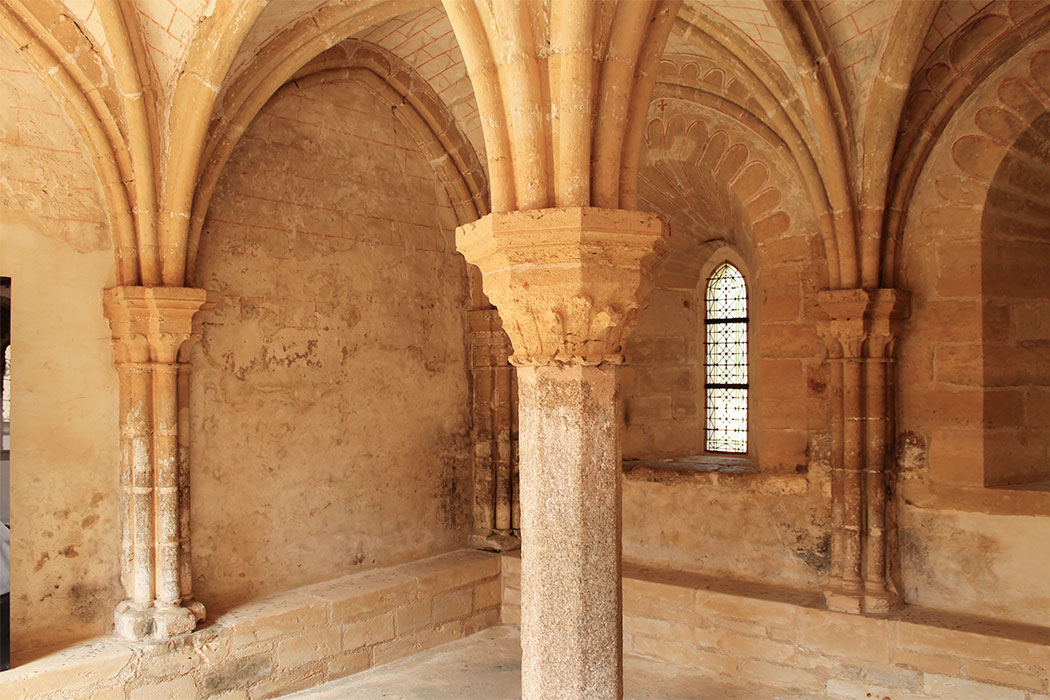
Chapter house
Photo by Spouik, on Wikimedia
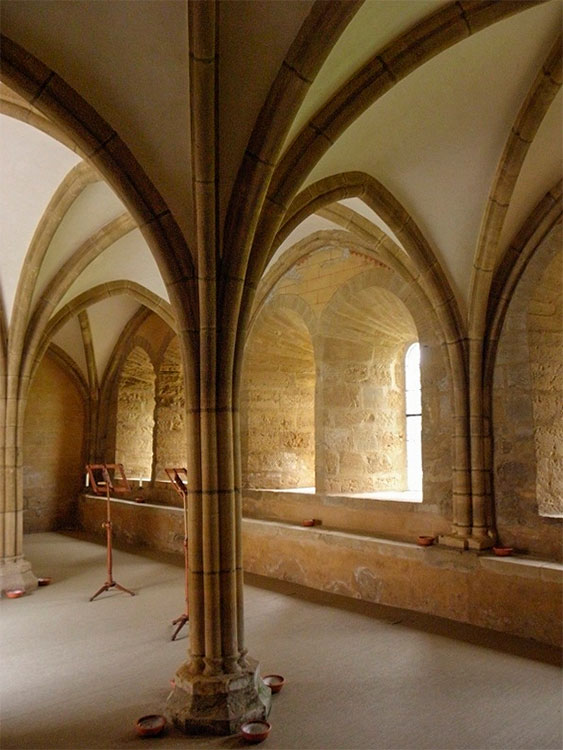
Refectory
Photo by GO69, on Wikimedia
- BOISSIÈRES, Jacques; i altres (1992). Le monastère de Chassay-Grammont à Saint-Prouant (Vendée). Histoire, Architecture et restauration. Etudes Héraultaises
- BOISSIÈRES, Jacques (1996). Prieuré de Chassay-Grandmont. Congrès Archéologique de France. Vendée. París: Société Française d’Archéologie
- BRESSON, Gilles (2000). Monastères de Grandmont. Guide d’histoire et de visite. Le Château d’Olonne: D’Orbestier
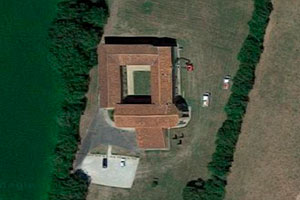
The site lies on the outskirts of Saint-Prouant (Vendée), to the east of La Roche-sur-Yon