
During the early stages in the formation of the Cistercian Order, the incorporation of men into the monasteries brought to light the problem of women—wives, daughters, and others—who had no place within male establishments. Provisional solutions were initially adopted, such as providing dwellings near the monasteries, but the situation was ultimately regularised through the organisation of such communities, which led to the emergence of the female branch of the Order.
The Cistercian abbey for women of Le Betton is an example of this process. It is thought to have been established in 1133, in parallel with the foundation of the abbey of Tamié (Savoie), when a community settled on lands that in 1103 belonged to the Benedictine abbey of Saint-Chaffre (Haute-Loire). Among the nuns who arrived were Sainteburge and Friburge, mother and sister of Peter II of Tarentaise (1102–1174), first abbot of Tamié and later archbishop of Tarentaise (1141–1174). Sainteburge became its first abbess. The house developed rapidly and, in 1183, Pope Lucius III issued a bull confirming its possessions.
The abbey soon expanded through the foundation of other monasteries, such as Ayes (or Hayes, Isère, 1143) and Bonlieu (Haute-Savoie, 1171). In the mid-sixteenth century the monastery was placed under the commendatory regime; in 1558 the last regular abbess had died. In 1568, in the context of the wars of that period, the abbey was attacked: the nuns were forced to flee and the site was plundered. Once normal conditions were restored, monastic life resumed, although full regular observance was never entirely recovered. Nevertheless, the community endured until the Revolution (1792), in a state of decline and facing numerous difficulties regarding observance.
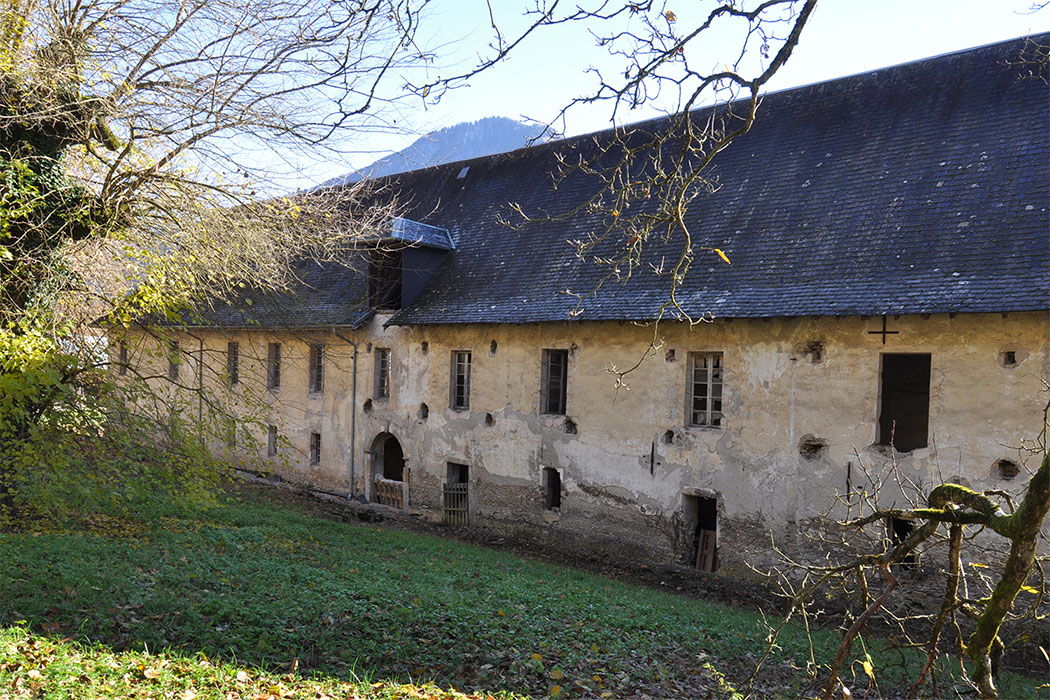
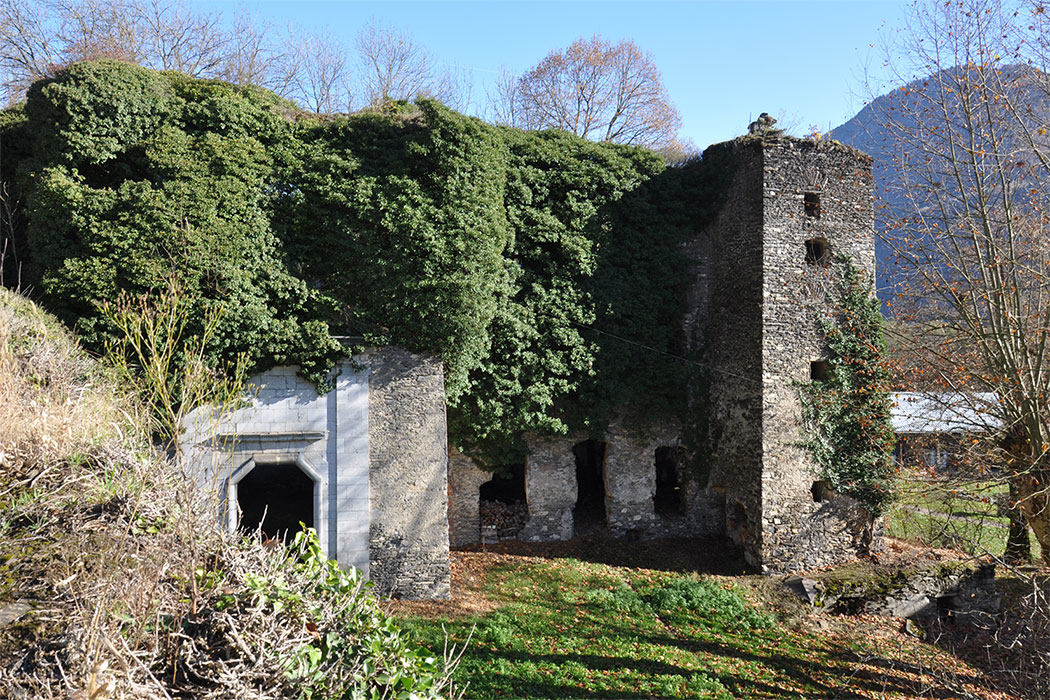
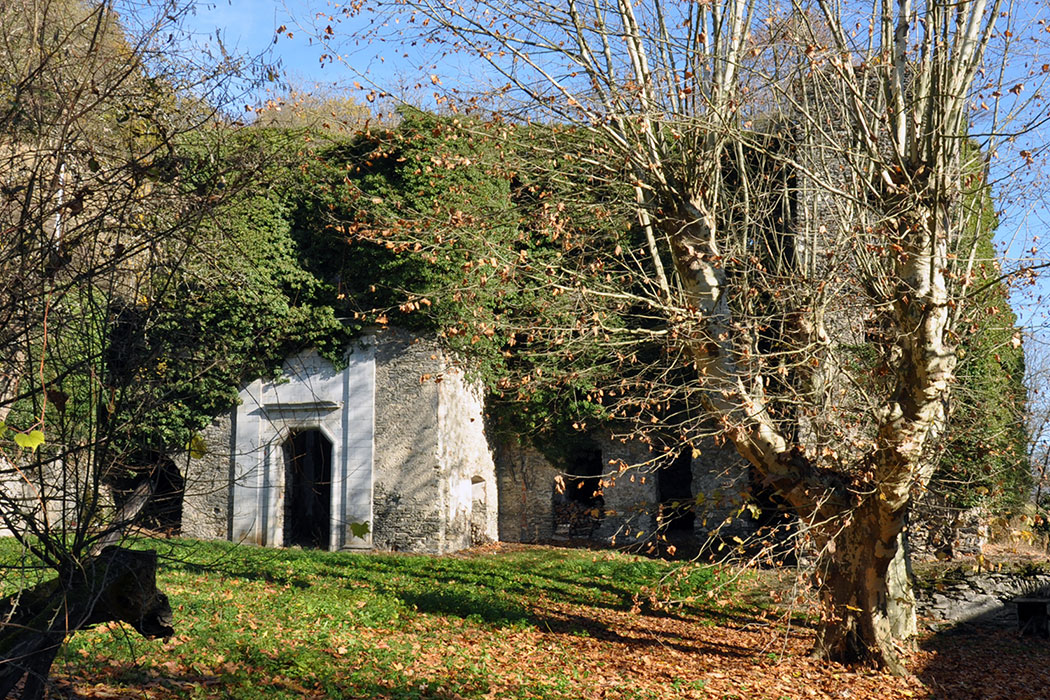
In 1793 the site passed into private ownership and, between 1827 and 1858, it became a charitable institution. In 1872 a silk-spinning mill was installed there. After its closure, in 1901, the complex was used for agricultural purposes and adapted as a residence. Some ruined structures of the former abbey and of the factory later established there are still preserved.
- AUBERT, R. (1990). Dictionnaire d'histoire et de géographie ecclésiastiques. Vol. 23. París: Letouzey et Ané
- BAUDRILLART, Alfred (1935). Dictionnaire d'histoire et de géographie ecclésiastiques. Vol. 8. París: Letouzey et Ané
- BEBIN-LANGROGNET, Odile (2011). De Savoie en Comté. Saint Pierre de Tarentaise. Torí: L’Harmattan
- BESSE, J.-M.; i altres (1939). Abbayes et prieurés de l'ancienne France. Vol. 9: Province ecclésiastique de Vienne. Abbaye de Ligugé
- GLOVER, Melville (1858). L'abbaye du Beton en Maurienne. Chambéry: Puthod
- REGAT, Christian (1998). Tamié et les Cisterciens en Savoie : l'abbatiat d'Arsène de Jougla, 1707-1727. Annecy: Académie salésienne
- SAINT-MAUR, Congregació de (1865). Gallia Christiana in provincias ecclesiasticas distributa. Vol. 16. París: Firmin Didot
- SCHRAMBACH, A.; i altres (2005). Abbaye des Ayes, moulins vieux et neuf des Ayes
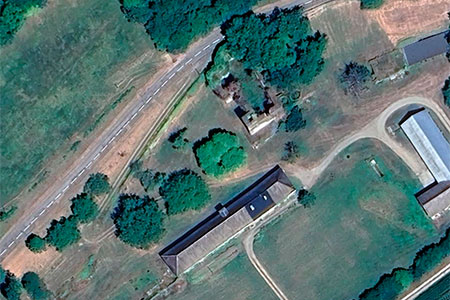
The notable ruins of Le Betton are located in the commune of Betton-Bettonet, in the Isère valley, east of Chambéry