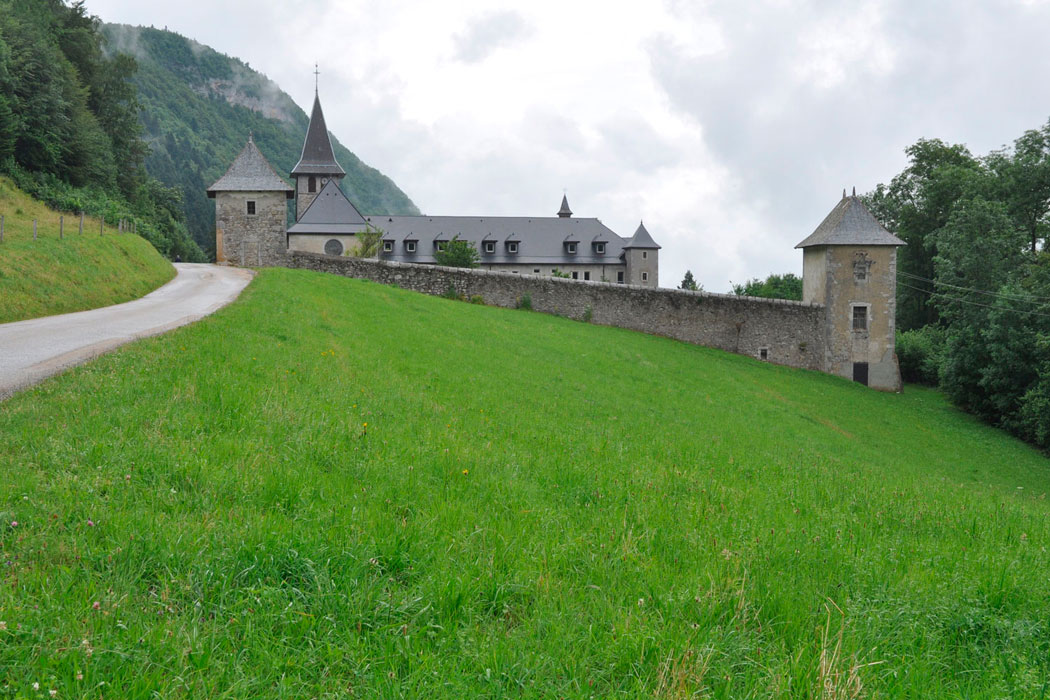

Although two historical figures later regarded as saints, Peter I and Peter II of Tarentaise, took part in its foundation, the Abbey of Notre-Dame de Tamié subsequently experienced a history marked by adversity. In addition to the Revolution, it endured periods of decline and attempts at suppression. It remains today an active Trappist monastery.
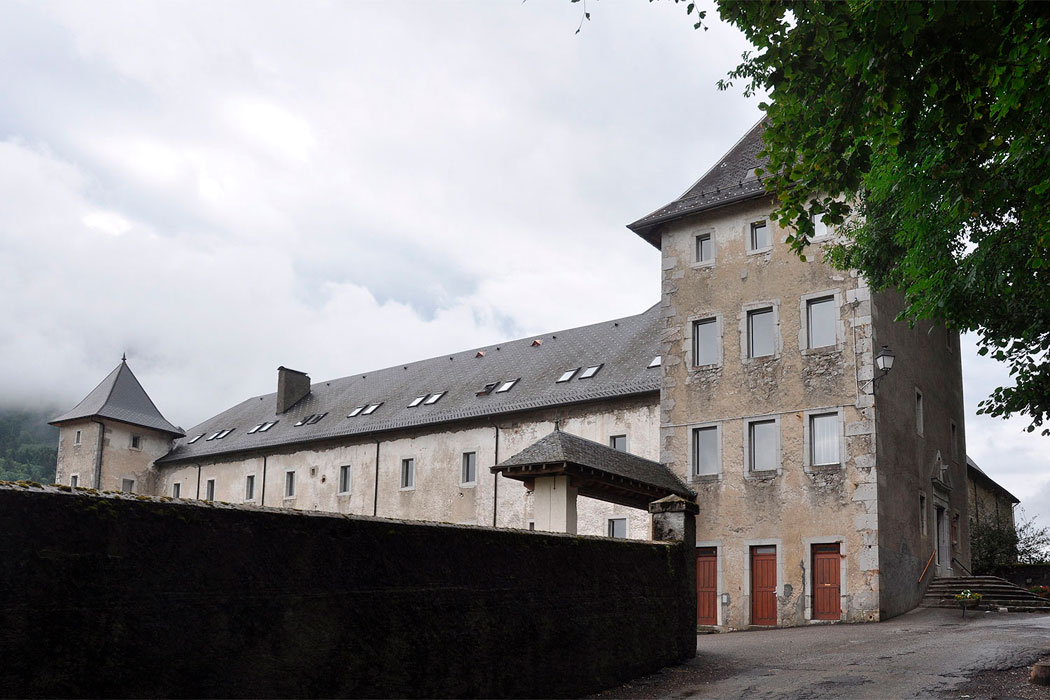
The Cistercian monastery of Notre-Dame de Tamié was founded at the initiative of Peter I, Archbishop of Tarentaise from 1124 to 1140. In 1113 this prelate had already taken part in the foundation of the abbey of La Ferté (Saône-et-Loire); he later became abbot of that house and, in 1124, was appointed Archbishop of Tarentaise. In 1132 Peter I signed the donation of the lands of Tamié made by their owners, Pierre, Guillaume and Aynard de Chevron. Utbold, prior of Cléry (Savoie), and Peter II of Tarentaise (1102–1174) also took part in this act.
The first monks arrived in 1133 from the abbey of Bonnevaux (Isère). Peter II of Tarentaise was appointed the first abbot of Tamié. He left this office when he became Archbishop of Tarentaise (1141–1174). The foundation received support — though limited — from the County of Savoy, then ruled by Amadeus III (1095–1148), as well as from Count Amadeus I of Geneva (1098–1178). Thereafter donations in favour of the monastery multiplied, especially from local noble families, notably the Chevron. During the fourteenth and fifteenth centuries several members of this lineage were buried in the monastery in return for financial contributions.
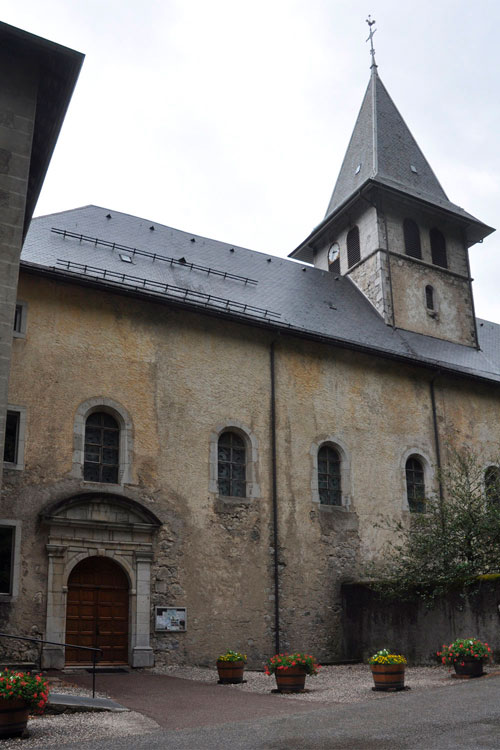
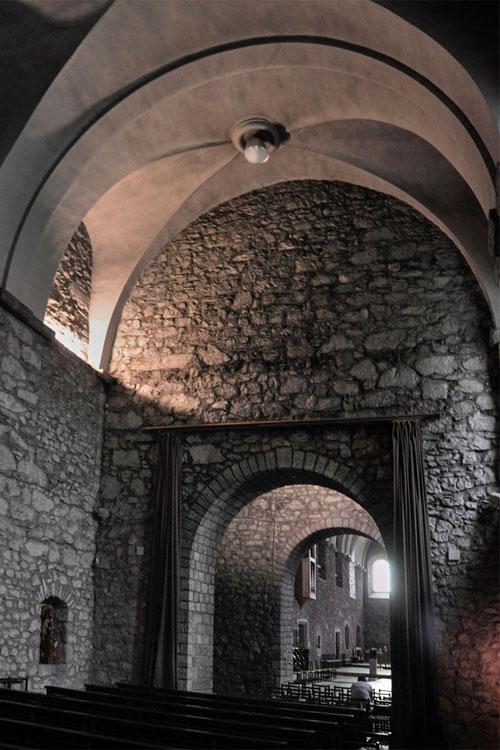
The early years of the monastery were rather modest, with periods of marked decline. The protection exercised by the House of Savoy also led to its intervention in abbatial elections and internal affairs. Its limited development led the General Chapter, in 1262, to authorise its suppression, a measure that was never implemented. Around that time a fire forced its reconstruction. In the fifteenth century the house also came under the regime of commendatory abbots.
Affiliation of Tamié
According to Originum Cisterciensium (L. Janauschek, 1877)
After a period of relative prosperity and influence in the fifteenth century, a new phase of decline began at the end of the following century, mainly due to external interference. This situation lasted for some time, though interspersed with periods of relative stability. A particularly negative period was the abbacy of Pierre de Beaufort (1535–1584), appointed abbot at the age of seventeen while already holding other benefices. From his residence at Plancherine he used the monastery’s goods for his own benefit, neglecting the community.
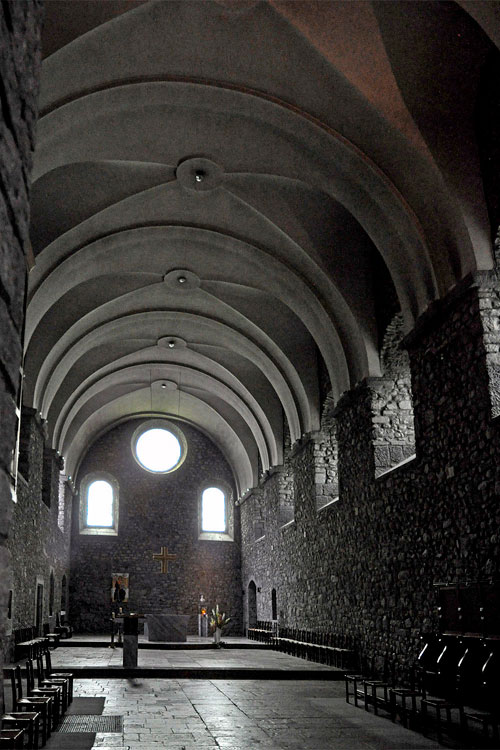
In the seventeenth century the monks of Tamié opposed the reform of observance that was unsuccessfully being promoted, while the buildings were gradually falling into ruin. After lengthy efforts and negotiations, in 1677 Tamié accepted the reform and entered the Trappe, which introduced strict observance of the Rule, improved monastic formation, and the material restoration of the monastery. A period of spiritual renewal thus began. The Trappists remained until the suppression of 1793 during the Revolution.
The monastery was abandoned following the monks’ flight to Italian territories. It was auctioned in 1800 but was not occupied and remained without specific use, losing the furnishings that still remained. In 1830 what was left of the monastery passed into the hands of the Church, which maintained various institutions and activities there. In 1861 a small Trappist community from the abbey of La Grâce-Dieu (Doubs) arrived and restored monastic life as a farm dependent on that abbey.

Illustration from Histoire de l’Abbaye de Tamié (1927)

Illustration from Histoire de l'abbaye de Tamié en Savoie (1865)
The establishment was again close to suppression, and its precarious situation continued until 1911, when it recovered the title of abbey thanks to the arrival of the community of La Grâce-Dieu, which had been forced to leave its monastery. After various changes and circumstances, this community still occupies Tamié today. Most of the existing structures date from the buildings erected in the late seventeenth and early eighteenth centuries with the arrival of the Trappists.
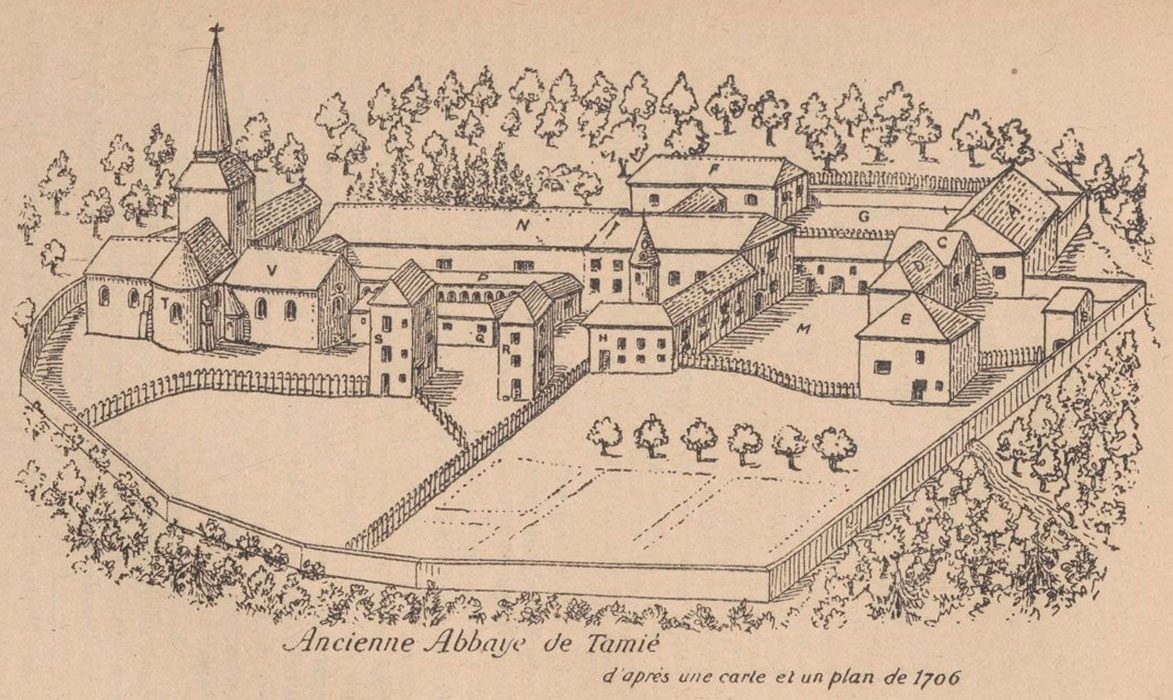
Illustration from Histoire de l’Abbaye de Tamié (1927)
Bibliothèque nationale de France
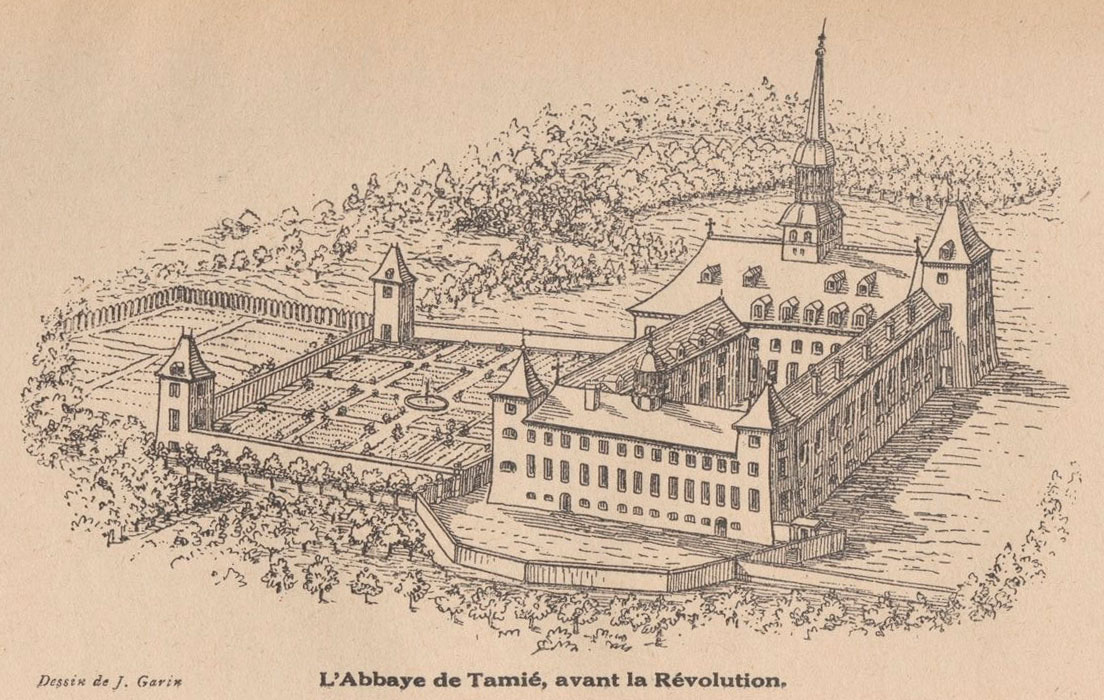
Illustration from Histoire de l’Abbaye de Tamié (1927)
Bibliothèque nationale de France
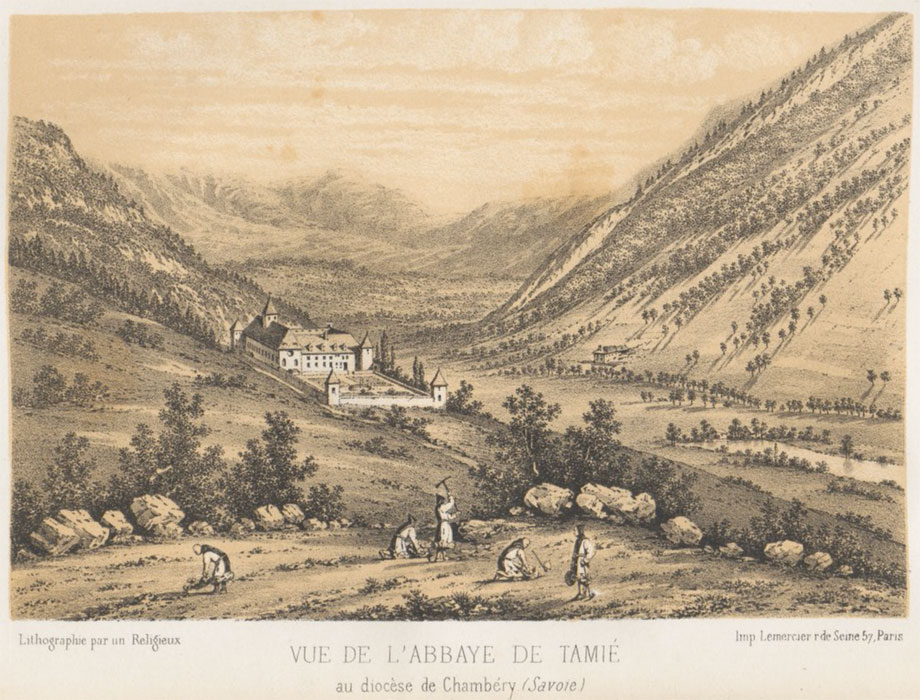
Illustration from Histoire de l'abbaye de Tamié en Savoie (1865)
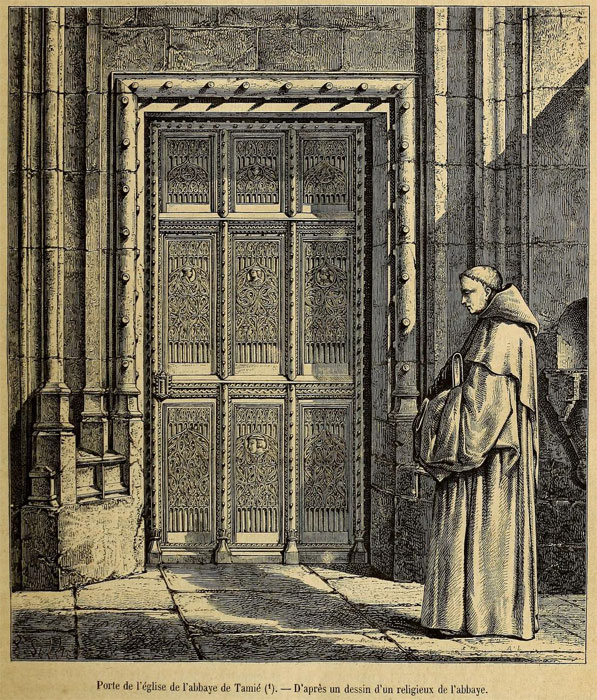
Illustration from Le Magasin Pittoresque (1875)
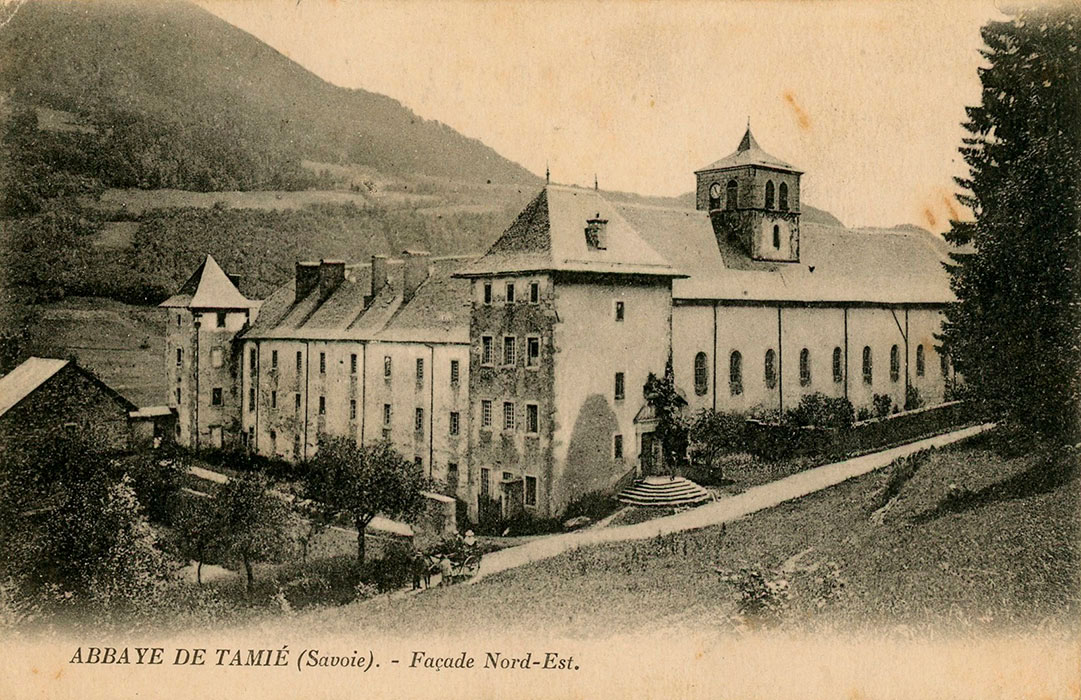
Old postcard, private collection
- BEBIN-LANGROGNET, Odile (2011). De Savoie en Comté. Saint Pierre de Tarentaise. Torí: L’Harmattan
- BESSE, J.-M.; i altres (1939). Abbayes et prieurés de l'ancienne France. Vol. 9: Province ecclésiastique de Vienne. Abbaye de Ligugé
- BURNIER. Eugène (1865). Histoire de l'abbaye de Tamié en Savoie. Chambéry: Pouchet
- CHEVRAY, Jacques-Marie (1841). La vie de saint Pierre II, archevêque de Tarentaise. Baume: Simon
- COTTINEAU, Laurent-Henri (1939). Répertoire topo-bibliographique des abbayes et prieurés. Vol. 2. Mâcon: Protat
- GARIN, Joseph (1927). Histoire de l’Abbaye de Tamié. París / Chambéry: Gabalda / Dardel
- JANAUSCHEK, Leopoldus (1877). Originum Cisterciensium. Vol. 1. Viena
- REGAT, Christian (2015). Tamié : l’histoire d’une abbaye. Les Rendez-vous de l’Académie salésienne, 25
- REGAT, Christian (2025). La Révolution à Tamié. Les Rendez-vous de l’Académie salésienne
- SAINT-MAUR, Congregació de (1770). Gallia Christiana in provincias ecclesiasticas distributa. Vol. 12. París: Typographia Regia
Tamié is situated at the pass of the same name, within the municipality of Plancherine, west of Albertville