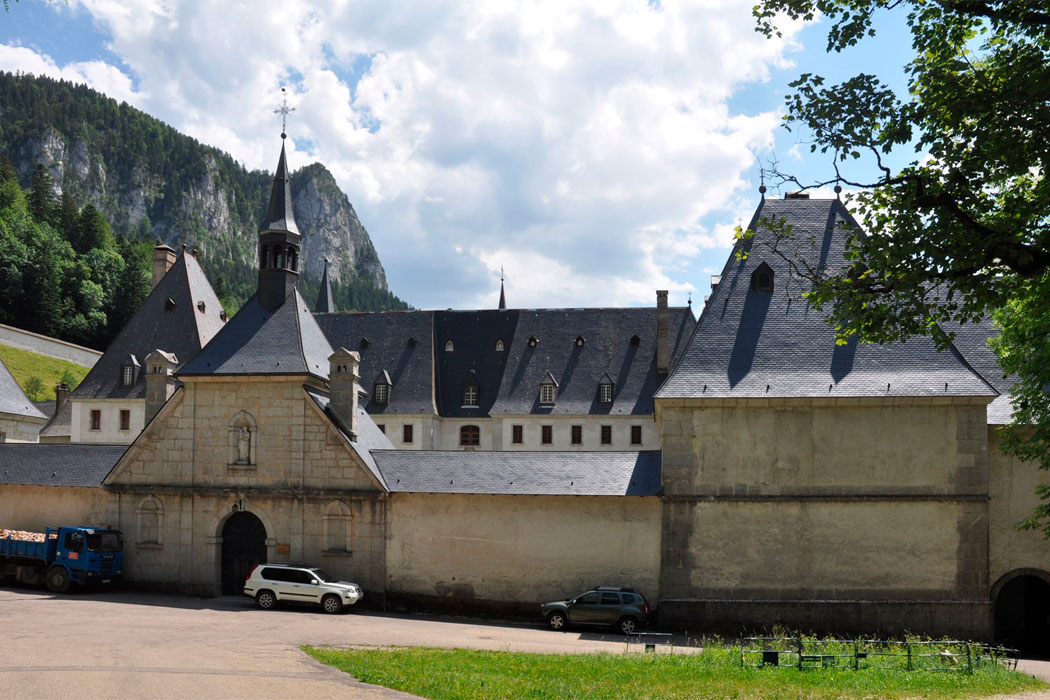
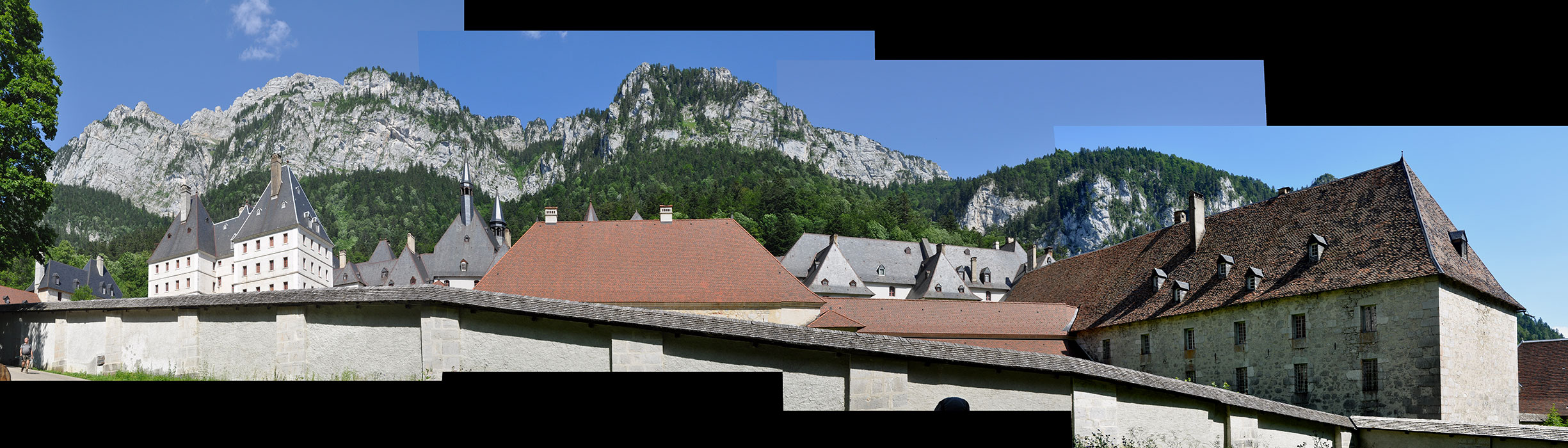
North facade, with the entrance

La Grande Chartreuse is the place where, in the 11th century, the Carthusian Order was created and developed. It stands in a valley at an altitude of 1,190 metres, in the Chartreuse massif. Apart from a few temporary interruptions caused by events unrelated to monastic life, La Grande Chartreuse has remained the inseparable mother house of the Carthusian Order.
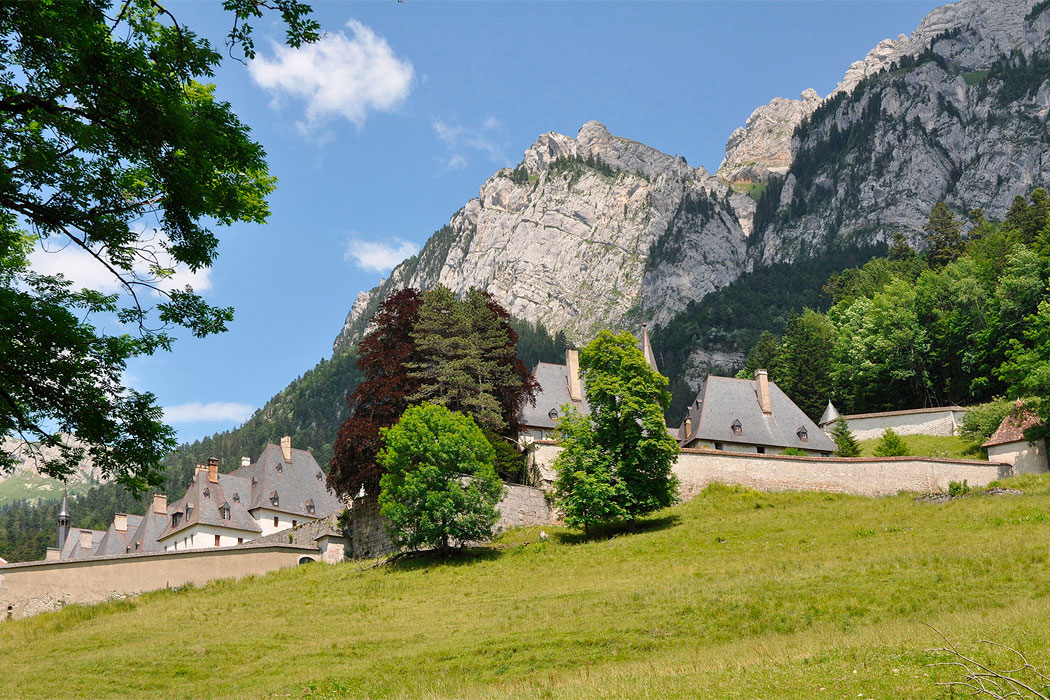
The Carthusian monastery from the south
From 1080 onwards, the episcopal see of Grenoble was held by Bishop Hugh (c. 1053-1132), whom Bruno of Cologne (c. 1030-1101) approached to ask for a remote place where he could withdraw and live as a hermit. In 1084, the bishop granted Bruno and his six companions a secluded and uninhabited site, slightly higher than the location of the present-day Grande Chartreuse. The new foundation retained a strong eremitic character. Little by little, the Carthusian Order would emerge from this initiative.
While the cells and communal areas were being prepared, Bruno and his companions stayed briefly in the small village of Saint-Pierre and then moved to the site. The first settlement consisted of simple wooden buildings, except for the church, which was built in stone and consecrated by Bishop Hugh. Before long, the lords of the region and the inhabitants of nearby villages began to offer protection.
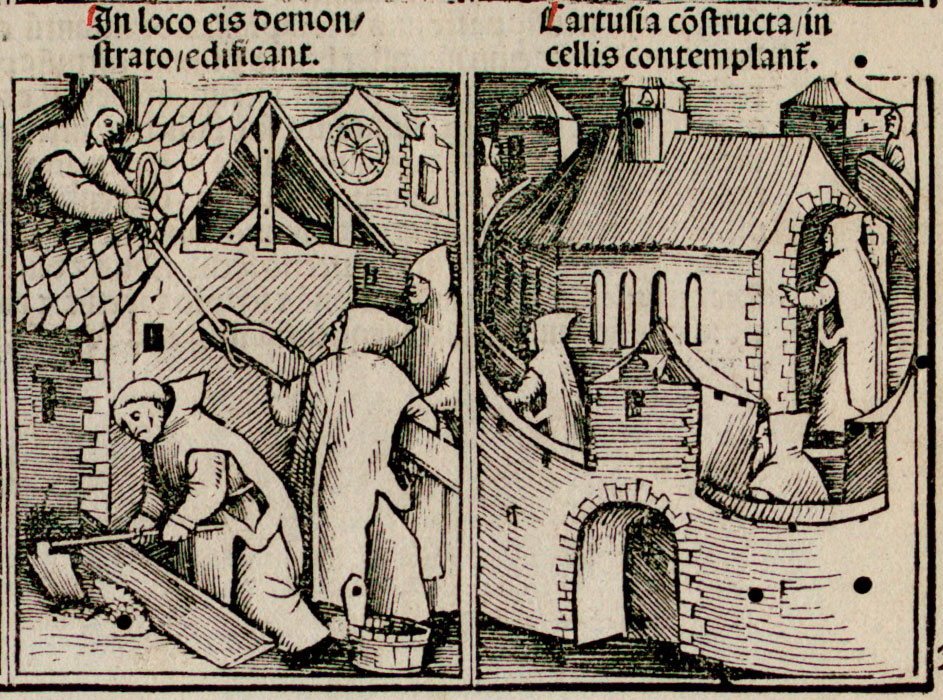
Saint Bruno building the charterhouse
Detail of an illustration from Statuta ordinis cartusiensis
Universitätsbibliothek Basel
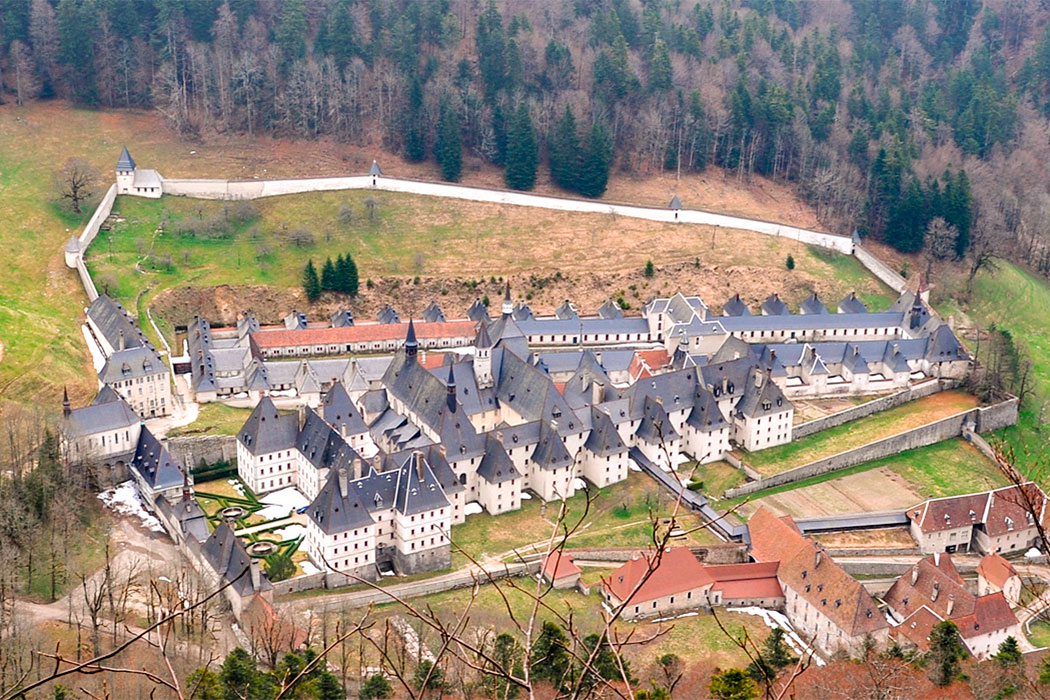
Photo by Chriusha, on Wikimedia
In 1090, Pope Urban II summoned Bruno to Rome, and he left the Chartreuse. His departure endangered the survival of the foundation, and the site was even handed over to the Benedictines of La Chaise-Dieu (Auvergne). However, the decision was reversed that same year, and the house continued under the leadership of its prior, Landuin. Bruno did not remain in Rome and founded a new charterhouse at Santo Stefano del Bosco (Calabria), following the model of the Alpine house. Although he maintained contact with the community, he never returned to the valley of the Chartreuse.
Despite the impetus Bruno gave to the Order, he did not leave a written rule. It was only when Guigo (or Guigues, c. 1083-1136) became prior of the Chartreuse that this way of life, half eremitic and half cenobitic, was organised in a stable form and became a recognised monastic order. To ensure a common observance among the various houses that were being founded, Guigo drew up the Consuetudines (customary), around 1127.
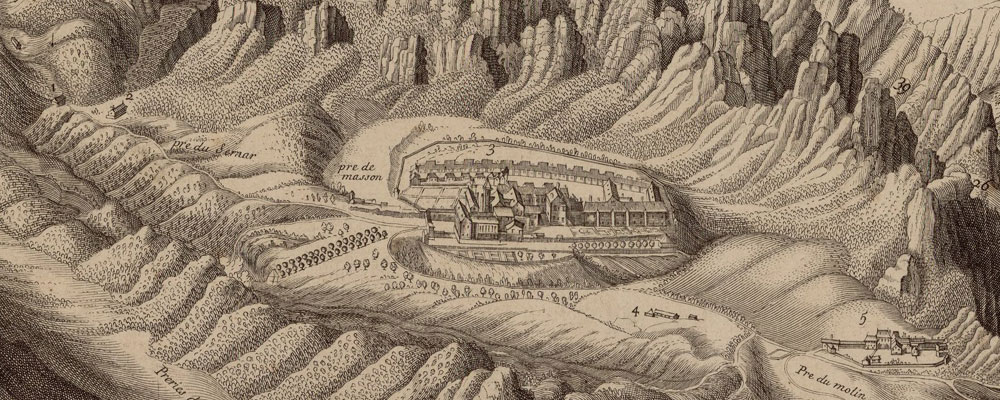
Detail of Description de la grande Chartreuse et les montaignes et bastiments en dependans
Herman Weyen (17th century)
Bibliothèque nationale de France
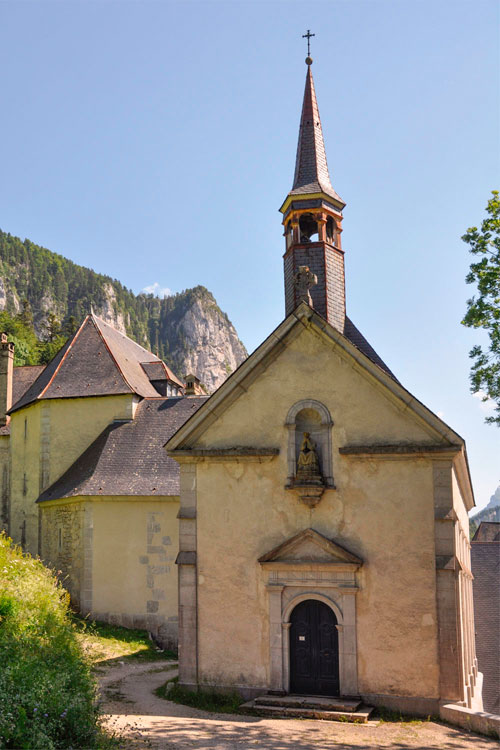
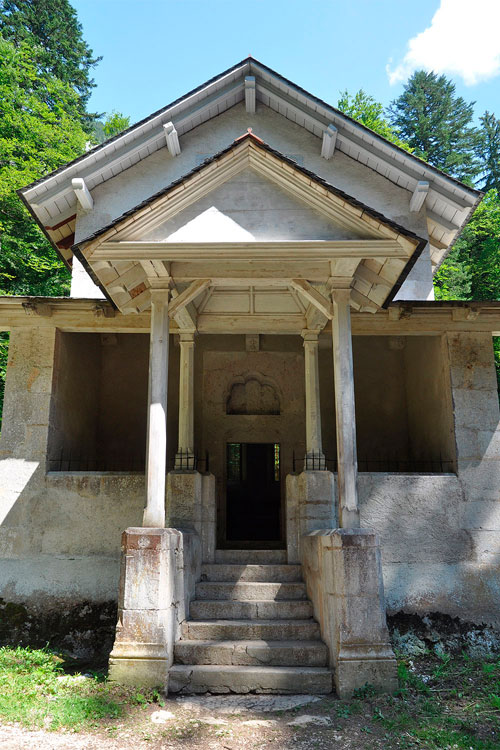
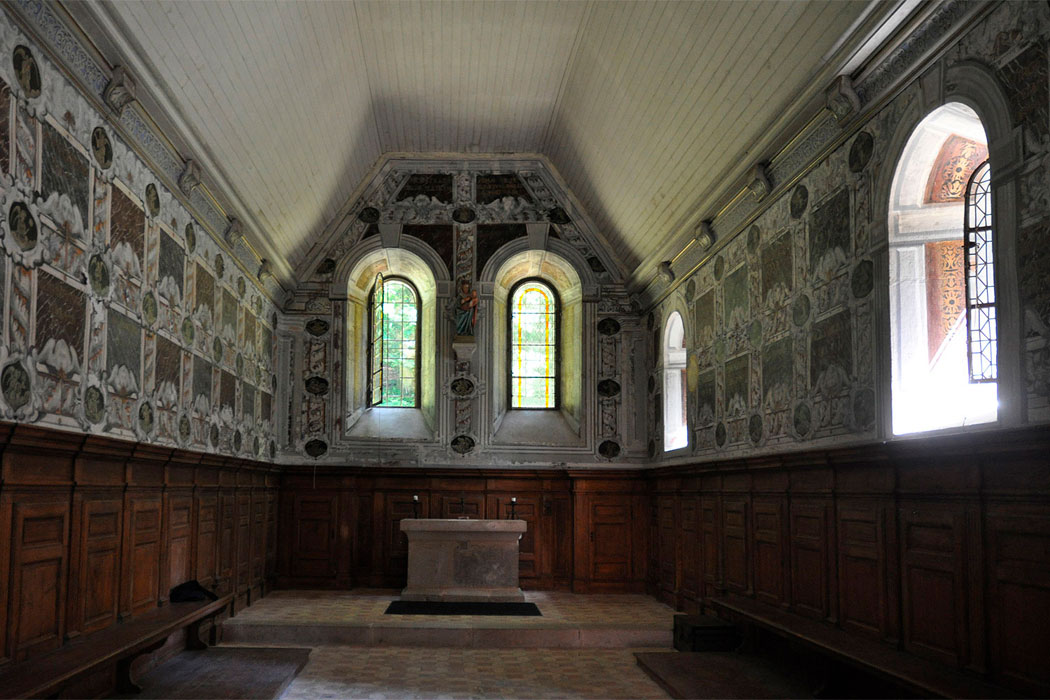
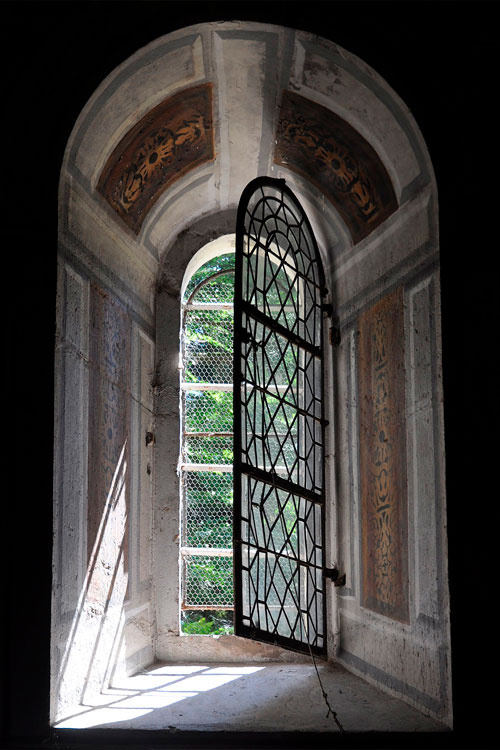
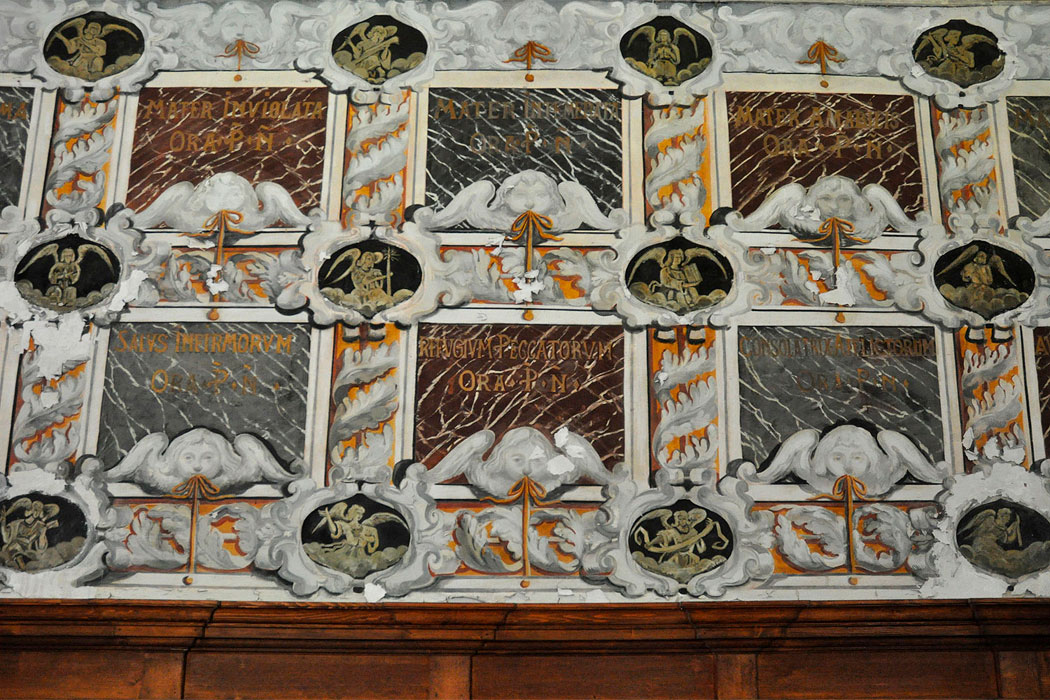
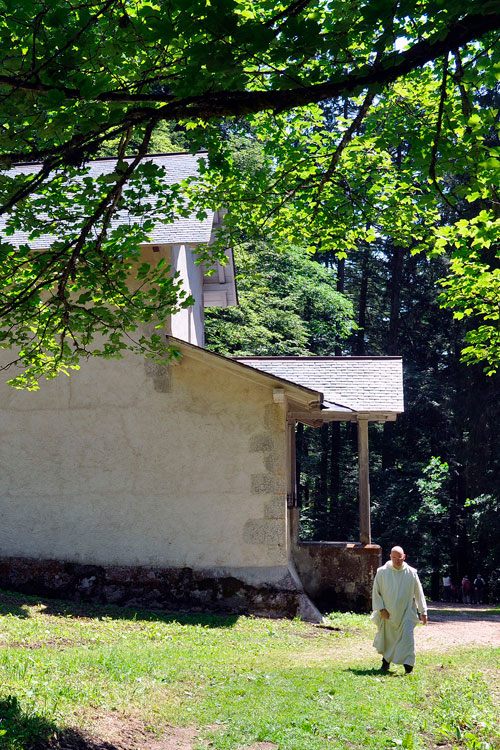
Chapel of Notre-Dame de la Salette
Guigo also had to rebuild the Chartreuse. In the winter of 1132, an avalanche swept away the first house and seven Carthusians lost their lives, probably half of the community, whose numbers were limited to thirteen members by the rule. Since rebuilding on the same spot was considered too dangerous, the monastery was reconstructed on a more suitable site, slightly lower down and more spacious, where it still stands today. In 1133, the new church was consecrated. The monastery followed the earlier model, with wooden hermitages and a stone-built church.
Because of its way of life and isolation, relatively little is known about its history, and what survives often concerns negative events, especially fires. Around 1140, the first Carthusian General Chapter was held, confirming the authority of the prior of the Chartreuse over all the houses that had been founded. In this context, it is worth mentioning the foundation, around 1145, of the first female charterhouse, at Prébayon (Vaucluse), making use of a monastery with a long earlier history.
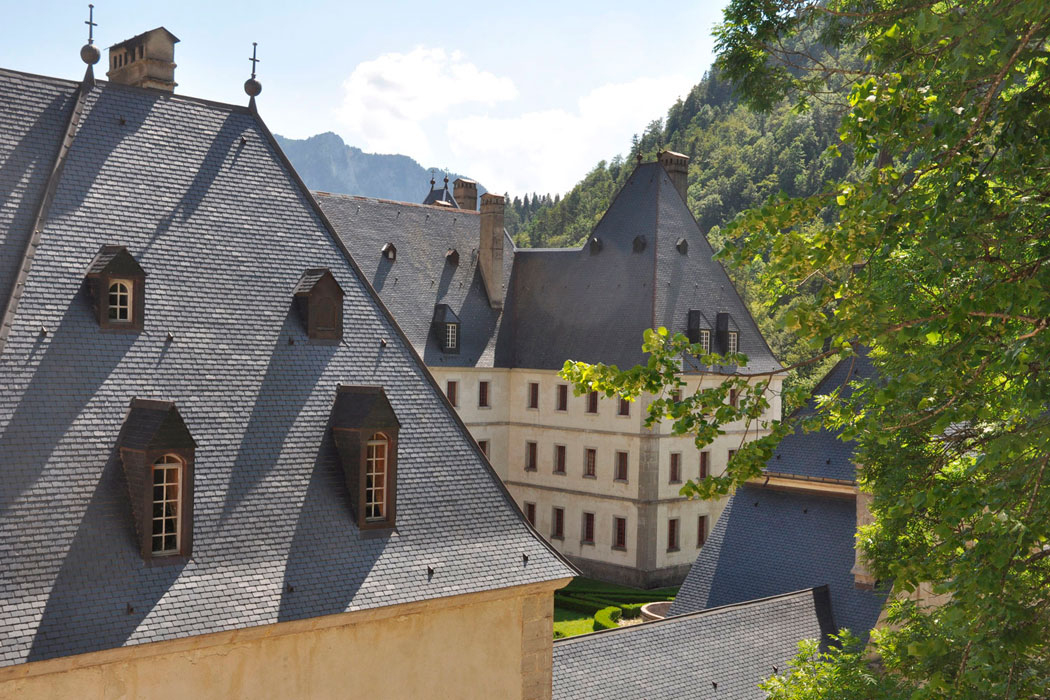
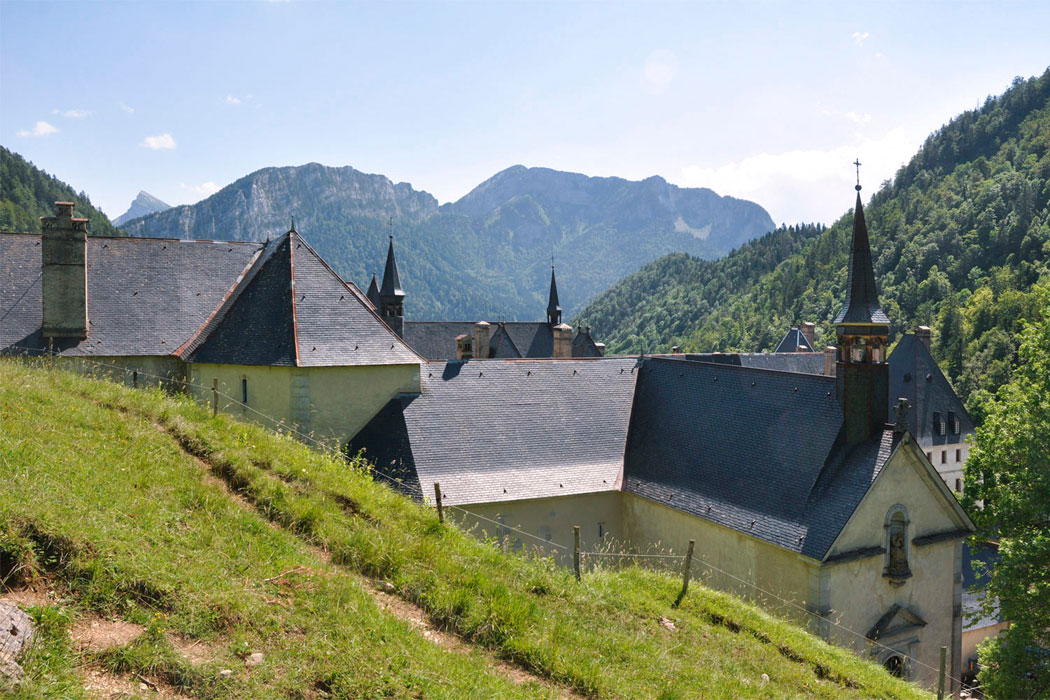
In 1300, the Chartreuse suffered the first recorded fire, an event repeated in 1320 and 1371. These disasters were compounded by occasional warfare and outbreaks of plague. In the 16th century, the house was affected by the Wars of Religion, which also struck, to varying degrees, many other houses of the Order. In 1592, another fire devastated the monastery buildings and forced the community to take refuge at Notre-Dame de Casalibus and at the Correrie. Despite financial hardship, reconstruction was undertaken.
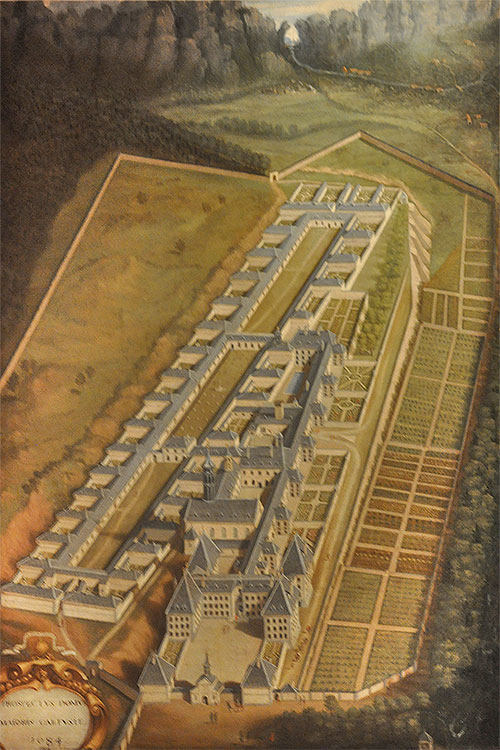
In 1676, a major fire again destroyed the monastery, which had to be rebuilt entirely. This time, the works were used to alter the layout and to replace traditional wooden roofing with slate, in order to reduce the risk of another large-scale fire. It should be noted that, in addition to the buildings typical of a charterhouse (cells, church, cloisters and other common areas), the Chartreuse had to accommodate the monks who arrived for the annual chapters. In times of prosperity, a large number of Carthusians gathered here, since the Order eventually comprised nearly one hundred and seventy houses.
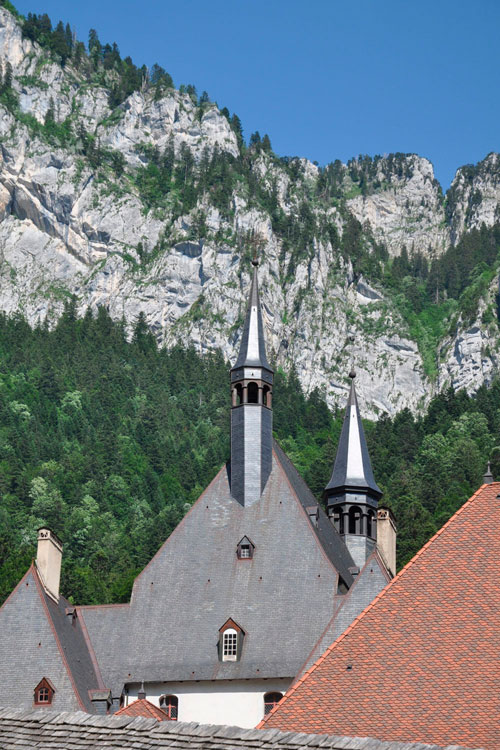
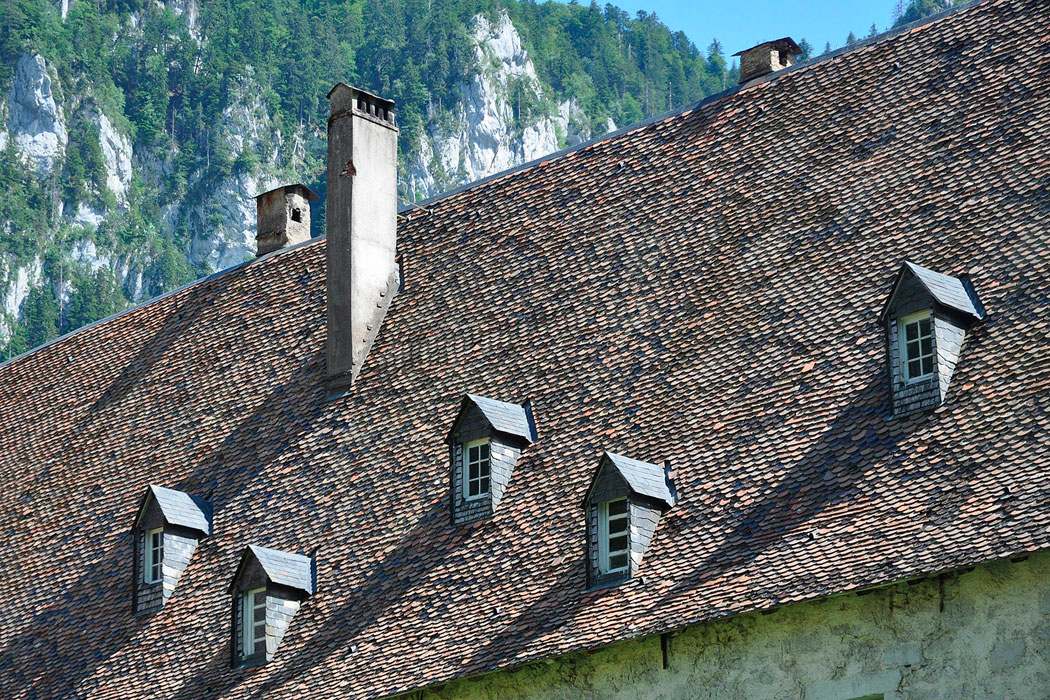
Monastic life was interrupted by the Revolution, and the suppression of the Order was decreed in 1792. The house was occupied and the community forced to disperse; the complex was later plundered. Outside the enclosure, the Carthusians managed to maintain a minimum organisation, which made it possible, from 1814 onwards, to work towards their restoration. In 1816, some monks returned and resumed monastic life in the valley.
At the beginning of the 20th century, the Chartreuse once again suffered from political instability. In 1901, the novitiate was transferred outside France, to the charterhouse of Montalegre (Catalonia, Spain), and the production of the well-known liqueur was moved to Tarragona. In 1903, the community was expelled once more. In 1940, the dispersed Carthusians began to suffer the effects of the Second World War, and it was only after the end of the conflict that activity gradually resumed. Today the site is protected in order to preserve the isolation required by the Carthusian Order.
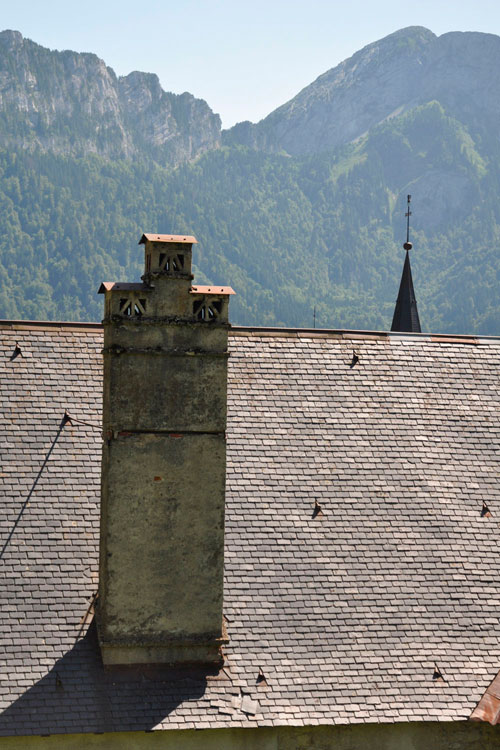
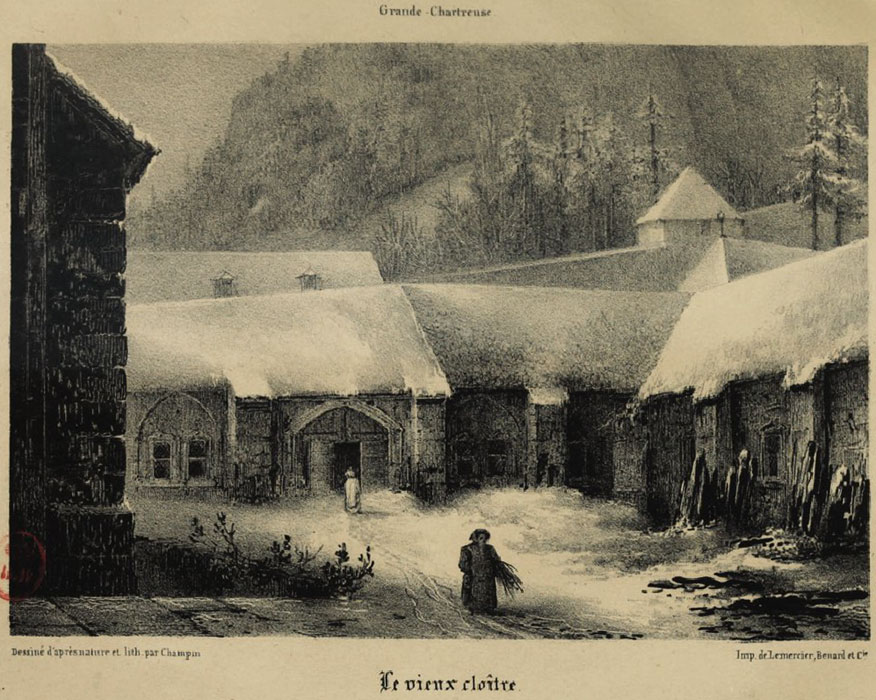
Illustration from Notice historique sur la Grande-Chartreuse (1839)
Bibliothèque nationale de France
About two kilometres above the monastery walls lies the place where Saint Bruno established the first Carthusian settlement, now occupied by the chapel of Notre-Dame de Casalibus, built in the 15th century and restored in 1656. Higher up stands the chapel of Saint-Bruno, on the spot where the first cells are thought to have stood, before they were destroyed by the avalanche of 1132. This building, probably erected in the 14th century, was built in memory of the original church and has been altered over time.
Photos published in La Grande Chartreuse (7th ed. 1930)
(Bibliothèque nationale de France)
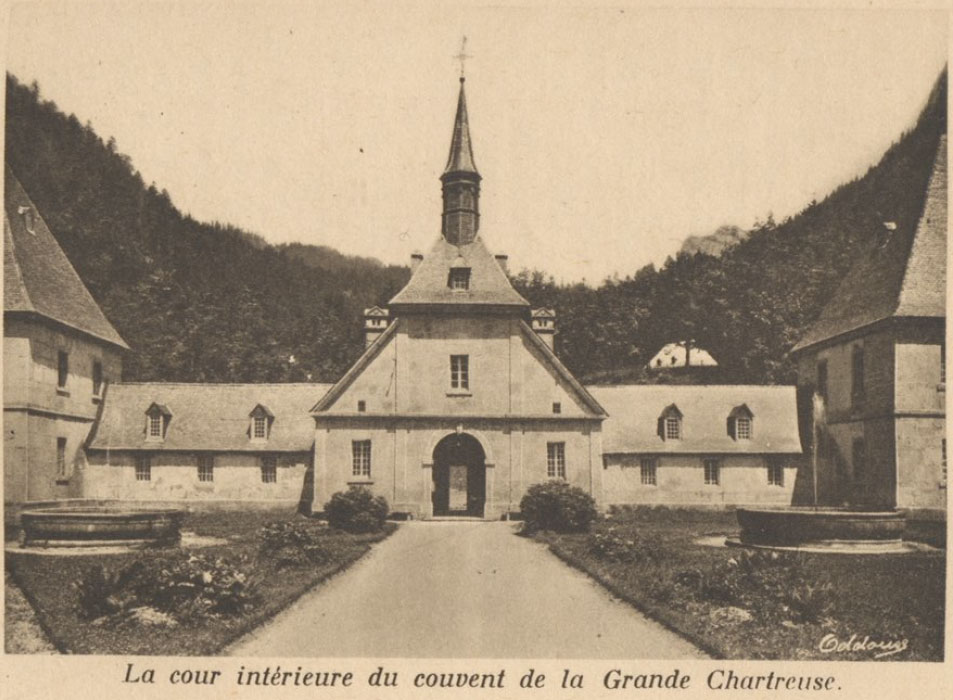
Entrance courtyard
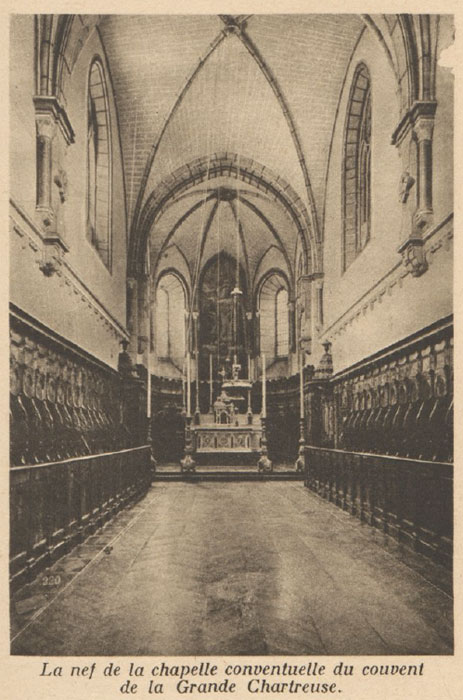
Church
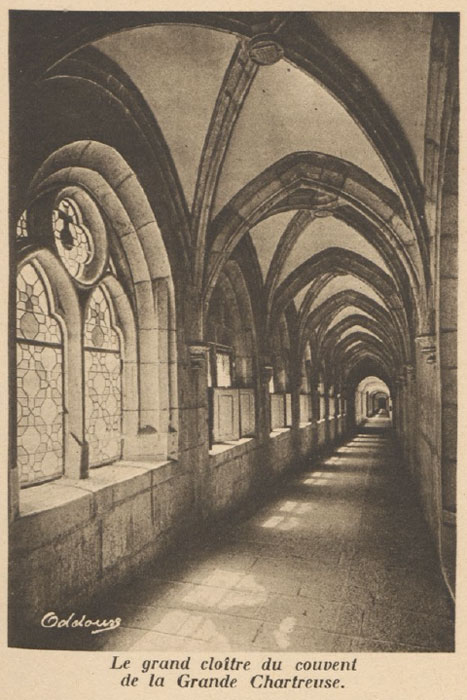
Cloister

Refectory
Exclaustration of the Grande-Chartreuse, in 1903
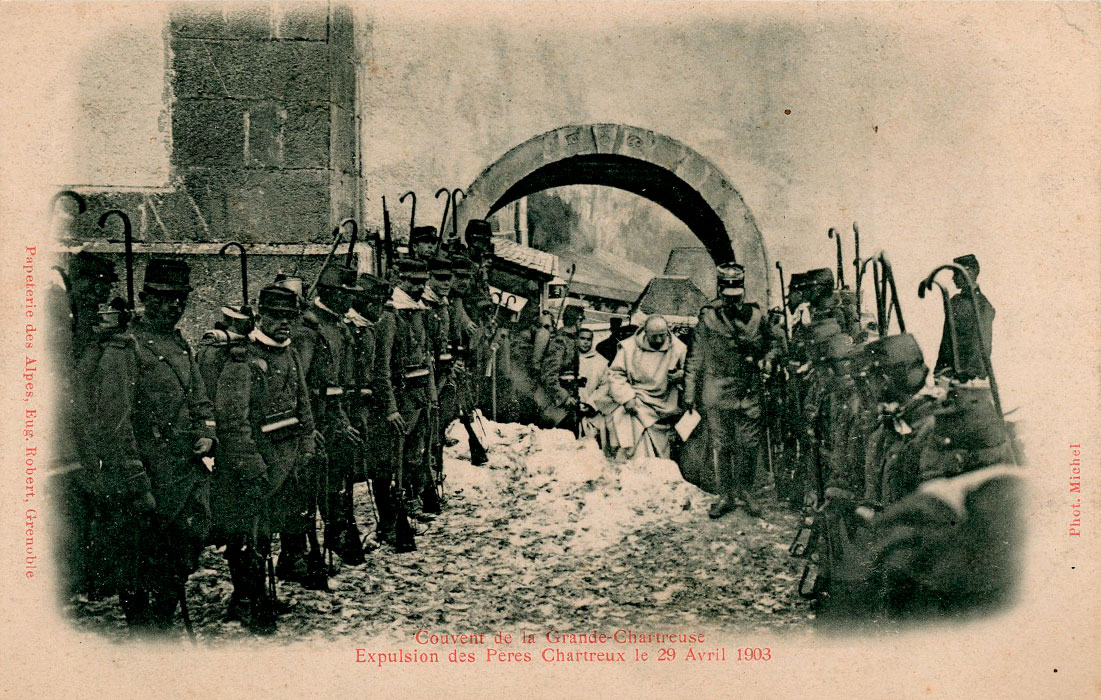
Expulsion of the Carthusians
Old postcard, private collection
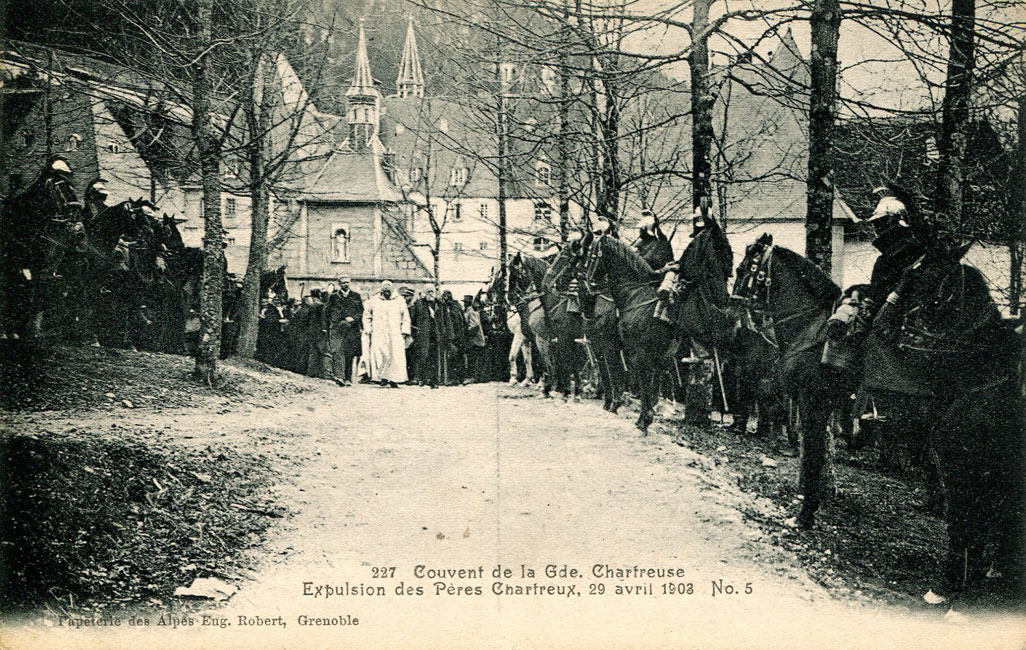
Expulsion of the Carthusians
Old postcard, private collection
The Correrie and Museum of the Grande Chartreuse
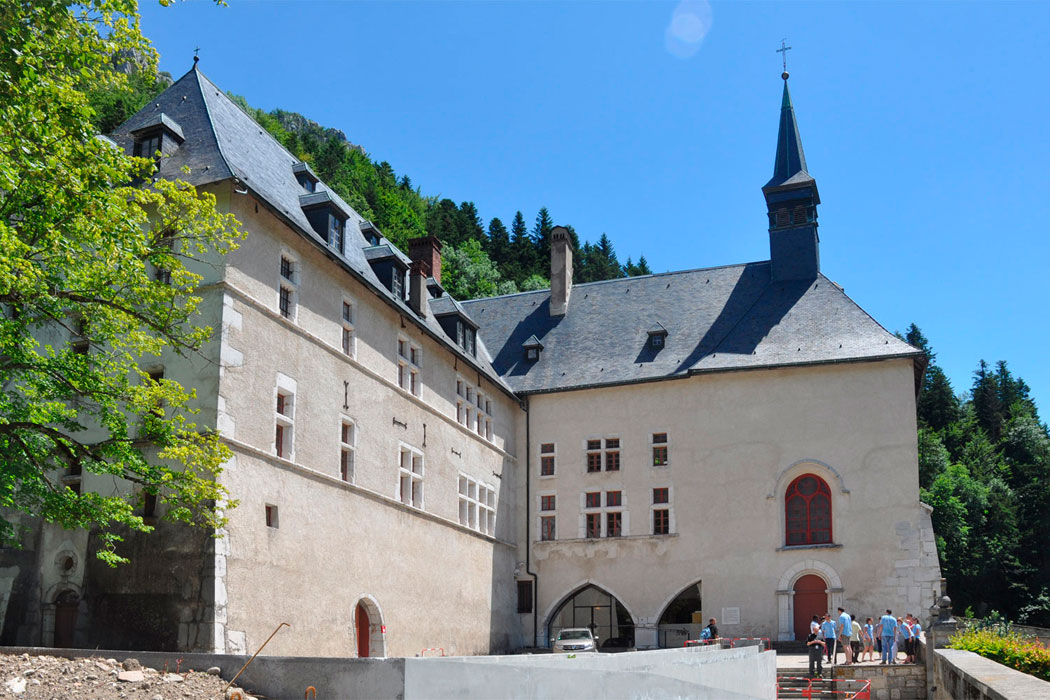
Correrie
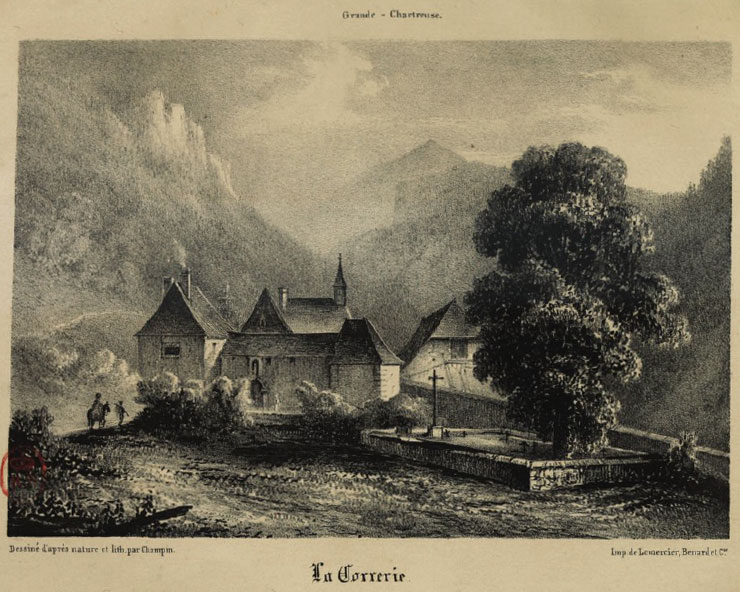
Illustration from Notice historique sur la Grande-Chartreuse (1839)
Bibliothèque nationale de France
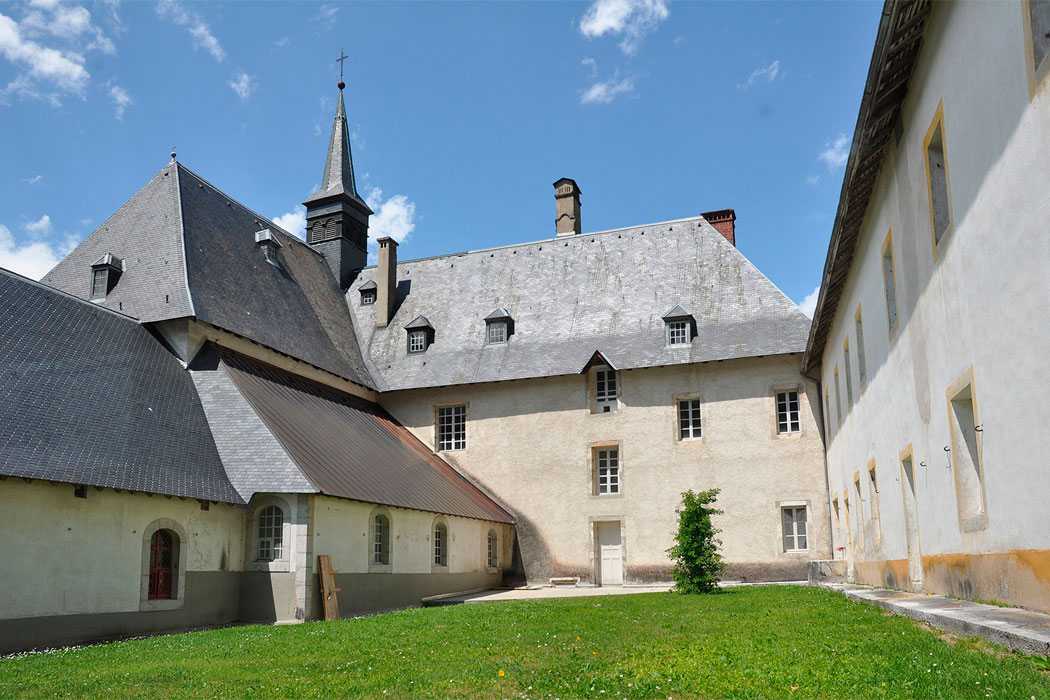
Correrie
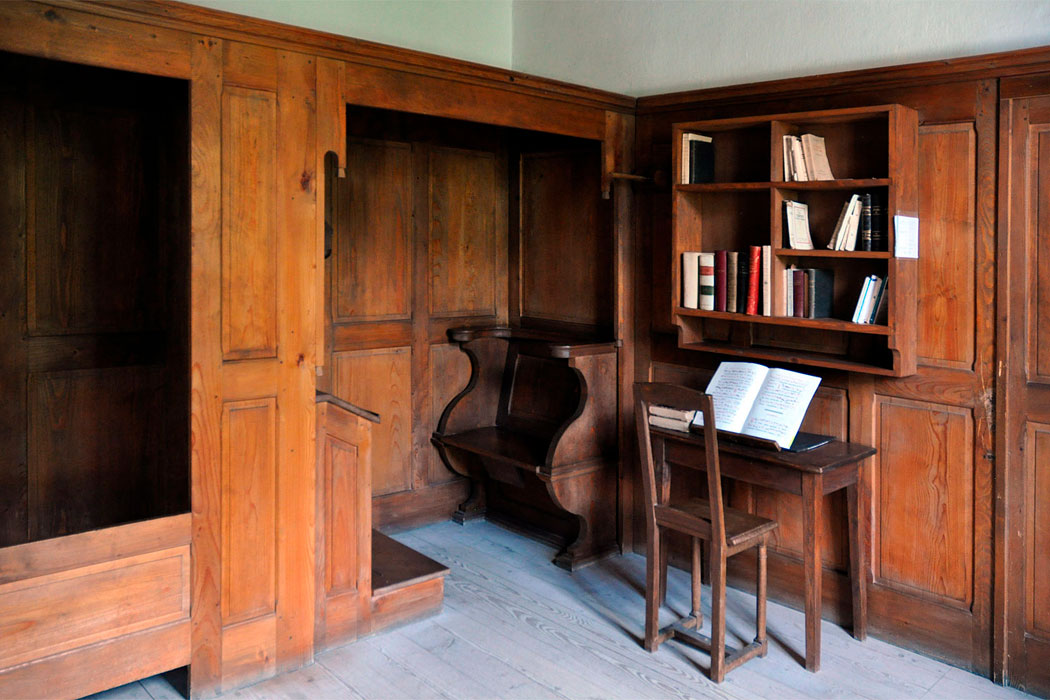
Cell
Musée de la Grande Chartreuse
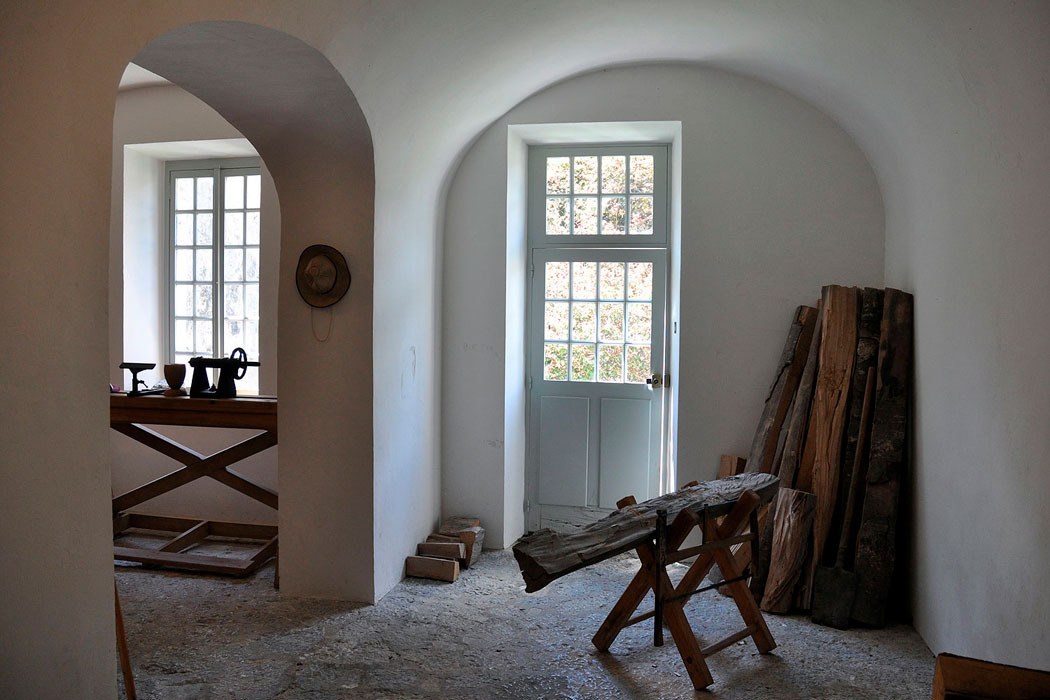
Cell
Musée de la Grande Chartreuse

Cell sign
Musée de la Grande Chartreuse
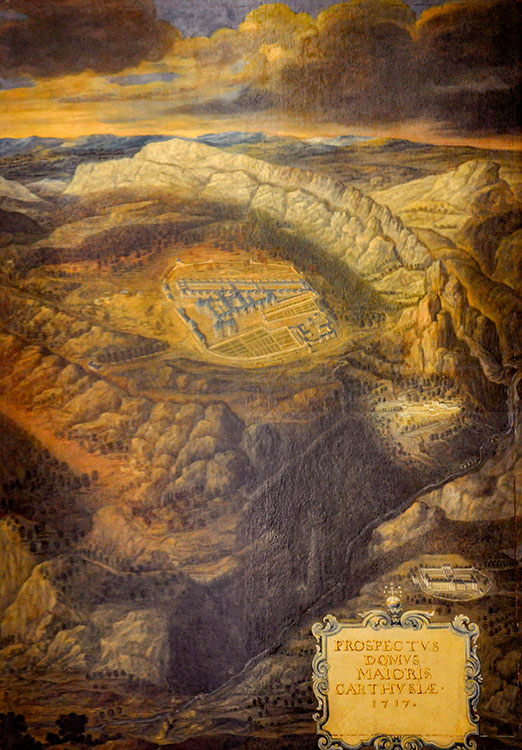
The Chartreuse Desert (1717)
Musée de la Grande Chartreuse
The Chartreuse Desert (18th century)
Musée de la Grande Chartreuse
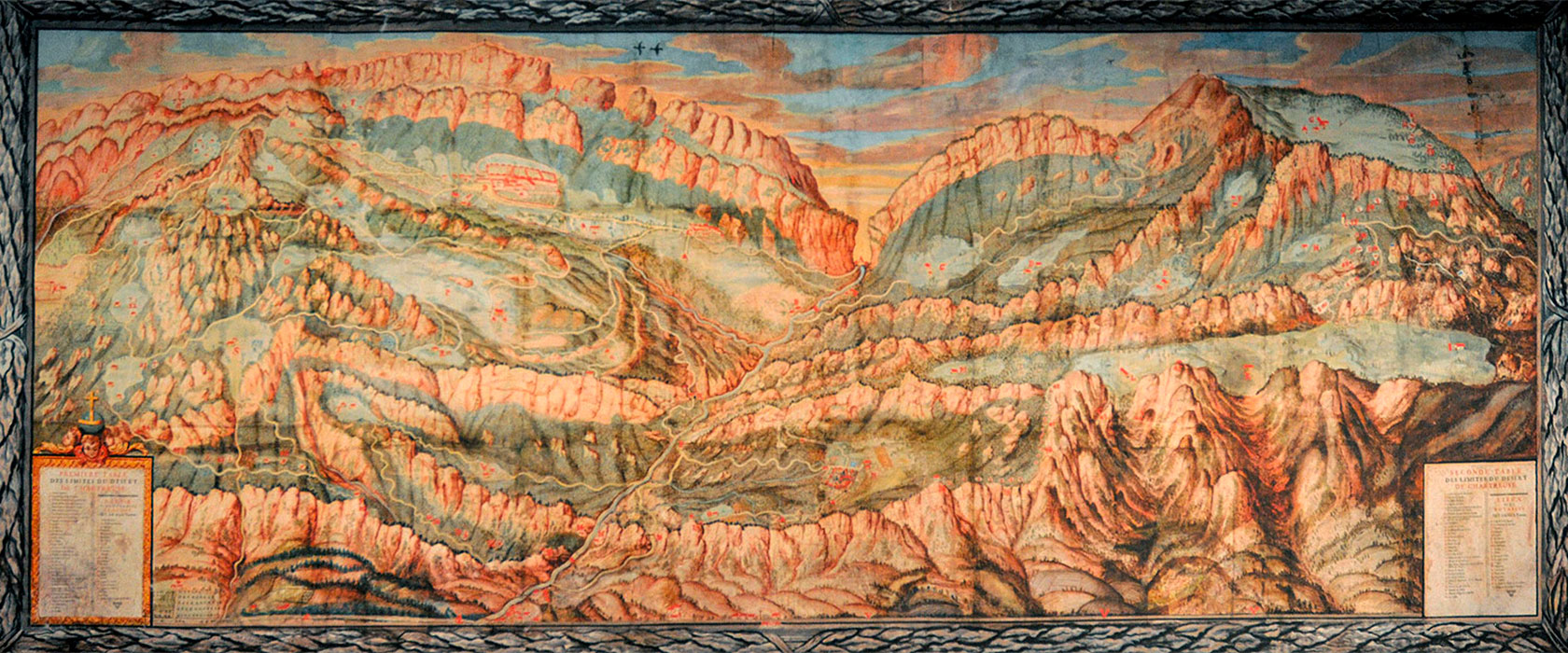
The Chartreuse Desert
View of the massif, before the fire of 1676
Musée de la Grande Chartreuse
The Saint-Bruno chapel, on the site of the first Carthusian settlement
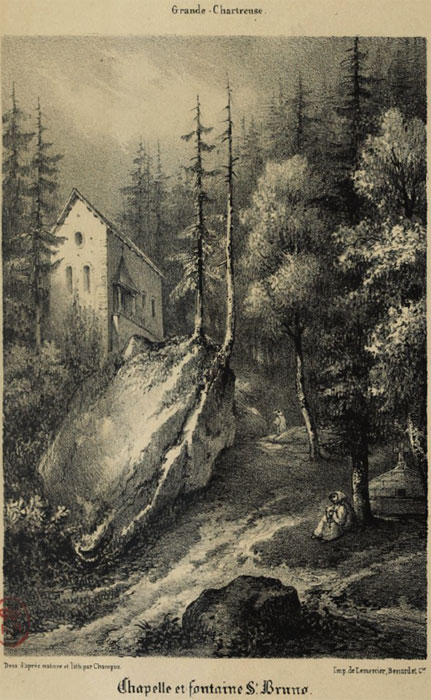
Illustration from Notice historique sur la Grande-Chartreuse (1839)
Bibliothèque nationale de France
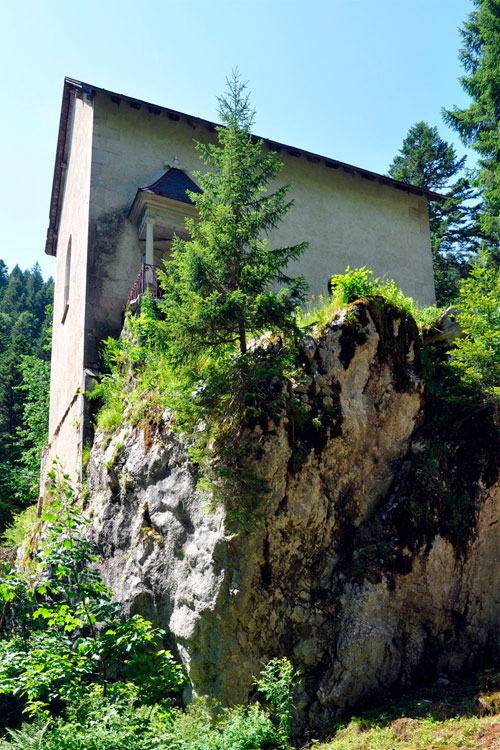
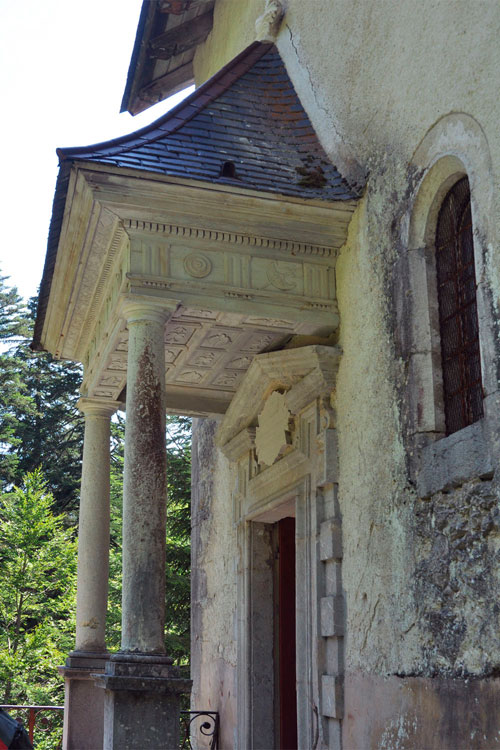
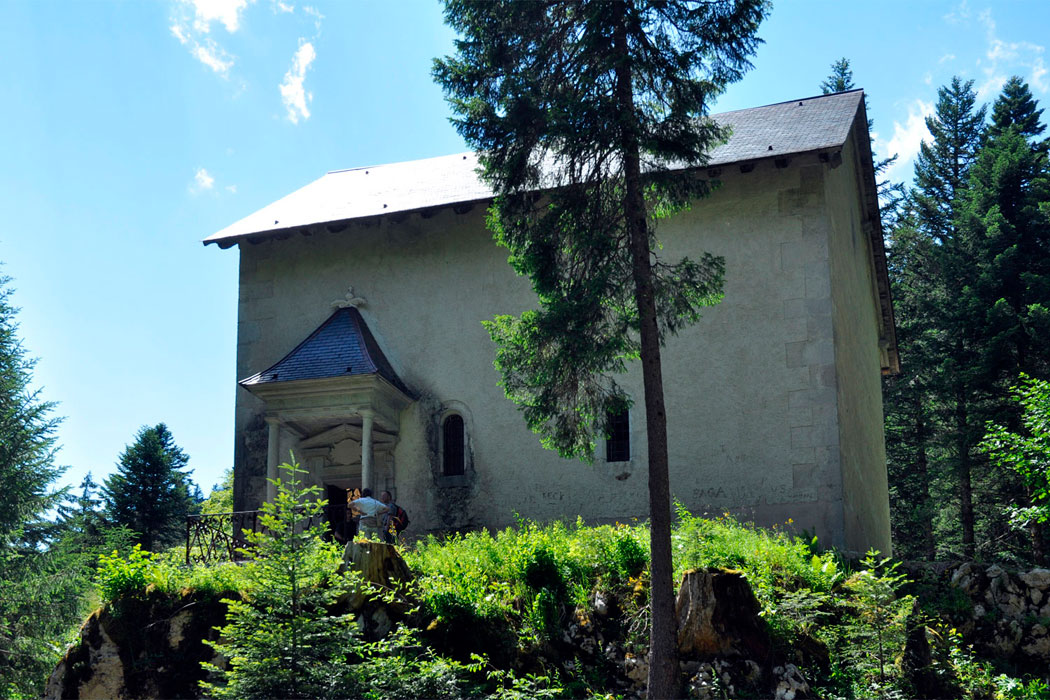
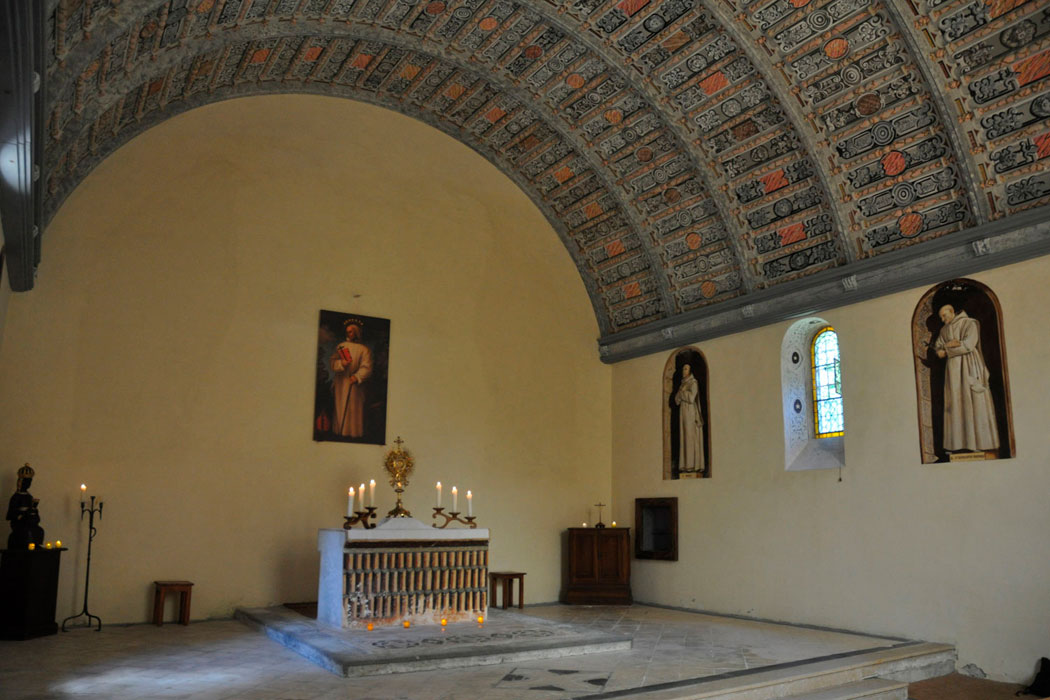
The chapel of Notre-Dame de Casalibus
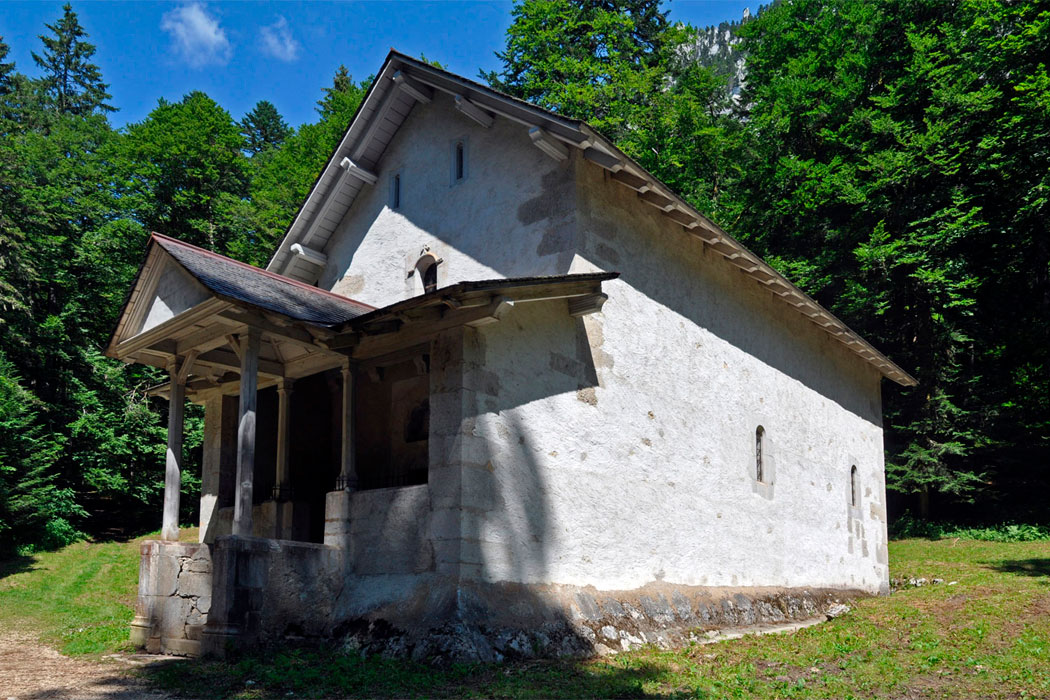
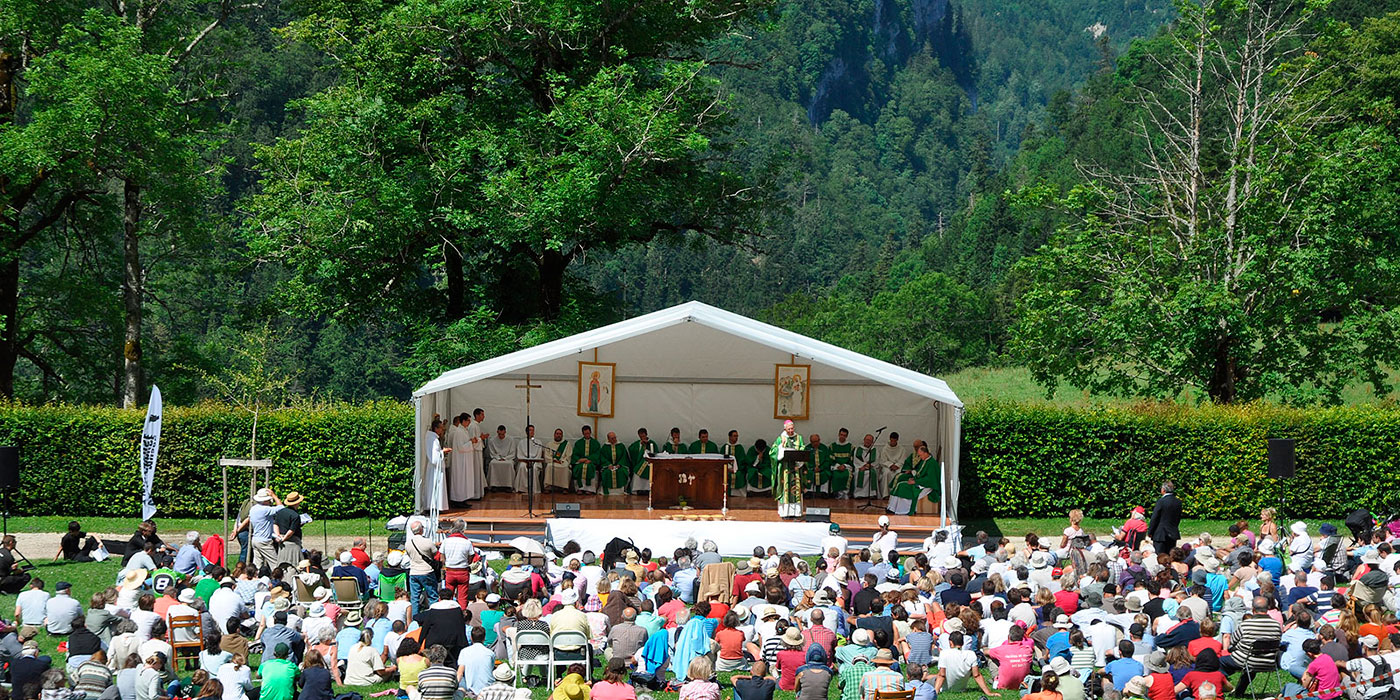
Celebration of the 500th anniversary of the canonization of Saint Bru
Correrie of the Grande Chartreuse, July 6, 2014
- AUBERT, R. (1986). Dictionnaire d'histoire et de géographie ecclésiastiques. Vol. 21. París: Letouzey et Ané
- BESSE, J.-M.; i altres (1939). Abbayes et prieurés de l'ancienne France. Vol. 9: Province ecclésiastique de Vienne. Abbaye de Ligugé
- CARTOIXÀ [BOUTRAIS, Cyprien-Marie] (2007). La Grande Chartreuse. 18ena reedició de la primera, del 1881. Ed. Lettre de France
- CARTOIXA DE NOTRE-DAME DES PRÉS (1913). Maisons de l'ordre des Chartreux. Vol. I. Chartreuse de Notre-Dame des Prés (Tournai)
- COTTINEAU, Laurent-Henri (1936). Répertoire topo-bibliographique des abbayes et prieurés. Vol. 1. Mâcon: Protat
- CROZET, Félix (1839). Notice historique sur la Grande-Chartreuse. París: Rittner et Goupil
- DU BOYS, Albert (1845). La Grande Chartreuse ou tableau historique et descriptif. Grenoble: Baratier / Vellot
- GUIGO (edició 1510). Statuta ordinis cartusiensis a domno Guigone priore cartusie edita. Universitätsbibliothek Basel. 10.3931/e-rara-2879
- LEFEBVRE, François (1883). Saint Bruno et L'Ordre des Chartreux, vols. 1/2. París: L. Catholique
- NIGOUL, Toussaint (1913). La Grande-Chartreuse, autrefois, hier, aujourd'hui. París: Tolra
- PARAVY, Pierrette (2010). Les cartes de Chartreuse, désert et architecture. Grenoble: Glénat
- PELLICCIA, Guerrino; dir. i altres (1975). Dizionario degli istituti di perfezione. Vol. 2. Roma: Ed. Paoline
- PÉPY, Émilie-Anne (2013). La Grande Chartreuse au XVIIe siècle. Académie salésienne
- SAINT-MAUR, Congregació de (1865). Gallia Christiana in provincias ecclesiasticas distributa. Vol. 16. París: Firmin Didot
- TARDY, Denis; dir. (2014). Saint Bruno, père des Chartreux (1514-2014). EMCE
- TAYLOR, J.; i altres (1854). Voyages pittoresques et romantiques dans l'ancienne France. Dauphiné. París: Firmin Didot

La Grande Chartreuse, Notre-Dame de Casalibus and the site of the Correrie, where a museum is located, stand in the Chartreuse massif, north of Grenoble