Perrecy Priory
Patricium / Patriciacus / Saint-Pierre-et-Saint-Benoît de Perrecy-les-Forges
(Perrecy-les-Forges, Saône-et-Loire)
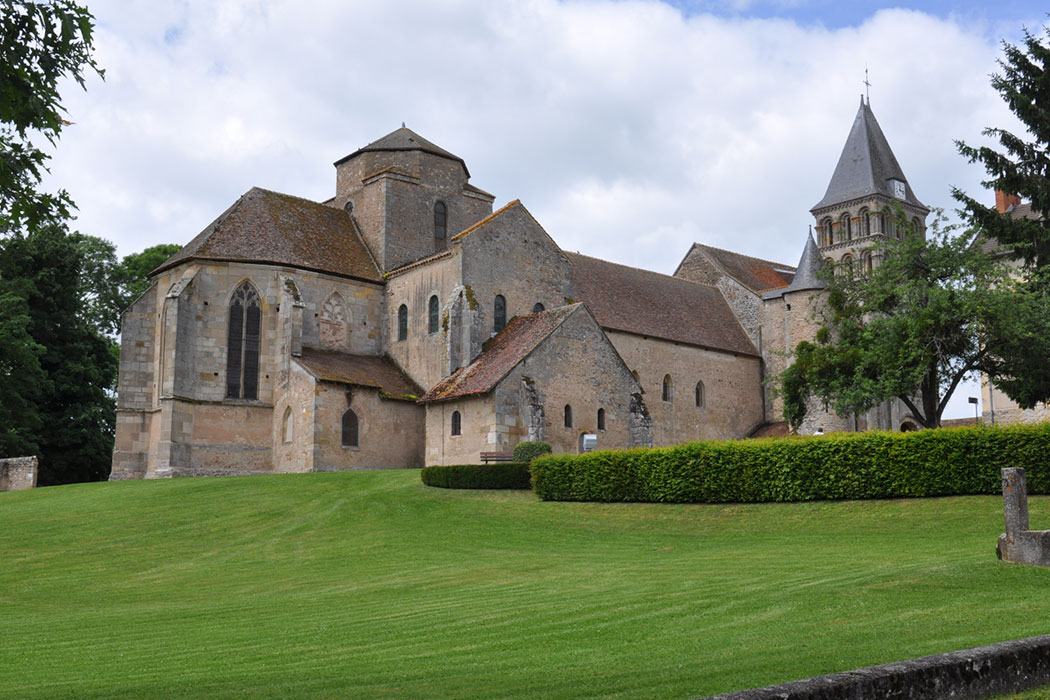
Church of Saint-Pierre-et-Saint-Benoît

The site of Perrecy is known from the Gallo-Roman period and, in the 7th century, was owned by the bishopric of Bourges. After the conflicts against the Saracens, Charles Martel (c. 688–741) gave Perrecy to his brother Childebrand I (c. 695–c. 768). In 836, Pepin I of Aquitaine (c. 797–838) confirmed the possession of Perrecy to Count Eccard († c. 877), who was probably related by family to Childebrand. In 876, Eccard, having no descendants, transferred the property of Perrecy, including a church dedicated to Saint-Pierre, to the Abbey of Saint-Benoît-sur-Loire (Loiret).
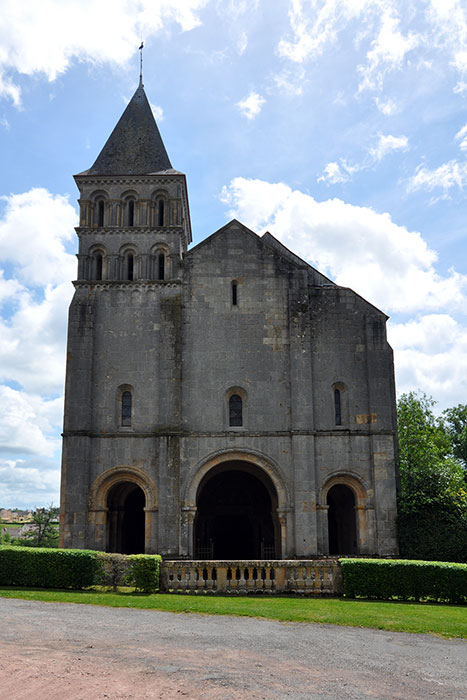
The Abbey of Saint-Benoît established a priory there, which received a community of monks from 880 onwards. Thanks to the donations received and the prosperity of the house, a new church and the conventual buildings were constructed. During the first half of the 11th century, Gauzlin, abbot of Saint-Benoît-sur-Loire from 1004 to 1030, undertook the construction of a new Romanesque church, whose transept was modified in the following years. Between 1120 and 1130, an additional bay was added to the nave, together with the porch preceding the church. It became one of the most important priories of Saint-Benoît-sur-Loire.
In 1476 the house was placed under the commendatory system and, before the end of the century, the church’s chevet was rebuilt in the Gothic style. In 1500, a fire broke out, affecting much of the priory and several of its buildings, and the house archives were lost. The priory then went through a period of decline, both materially, with the loss of the north aisle during the 16th century, and in terms of observance. This situation was remedied during the priorship of Louis Berrier (1674–1734), who introduced the reform there. The house continued to suffer a period of hardship until the suppression process began in 1776; it was formalized in 1782, and its possessions were transferred to the seminary of Autun.

Narthex
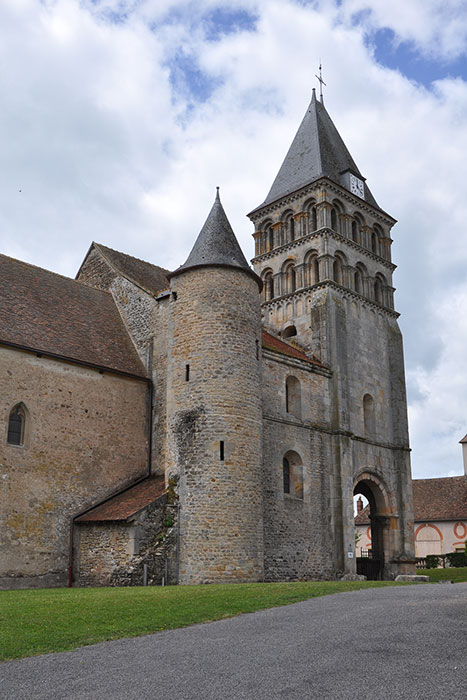
The church became a parish church under the patronage of Saint-Pierre and Saint-Benoît, replacing the former parish church of Saint-Pierre, which was in danger of falling into ruin. During the Revolution, much of the priory’s buildings was demolished. The medieval church survives, although with numerous modifications: the chevet had been restructured, the north aisle had been lost and, at the end of the 18th century, the bell tower over the crossing was removed. The monument was protected in 1862 and subsequently underwent several restorations. It preserves a notable example of Romanesque sculptural decoration, particularly in the narthex and doorway. A medieval bell tower rises at the north-west corner of the porch.
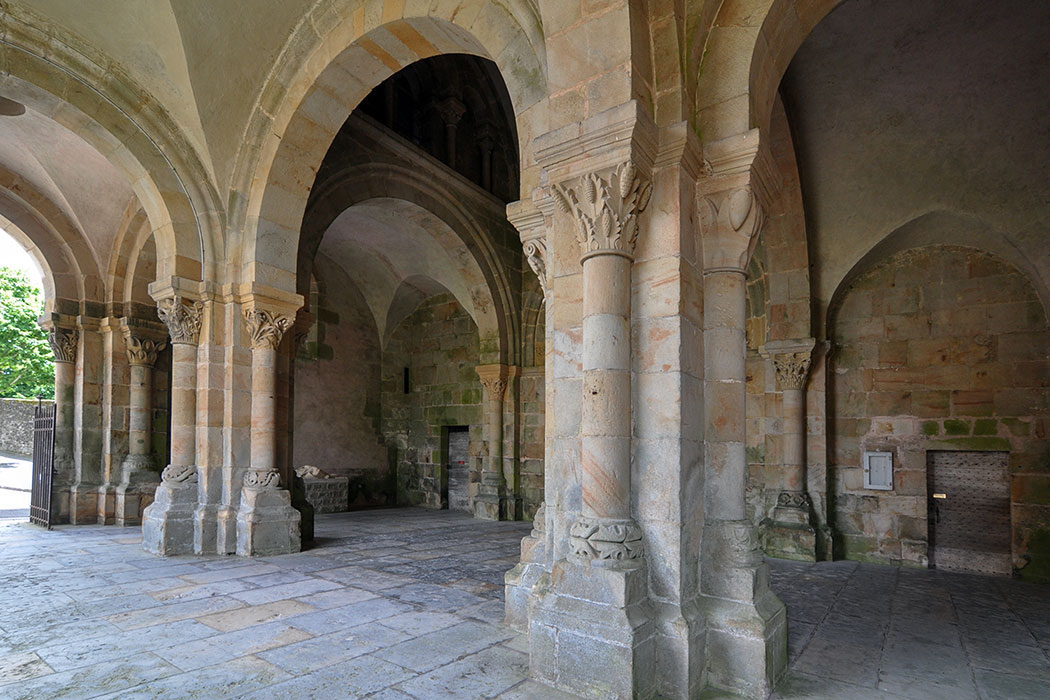
Narthex

Narthex
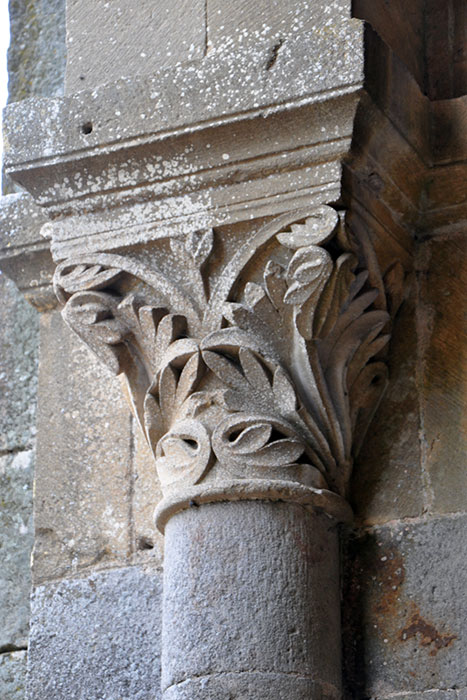
Narthex capital
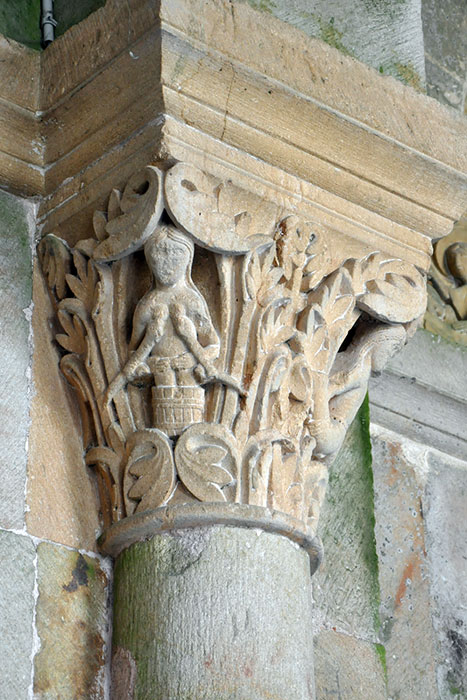
Narthex capital
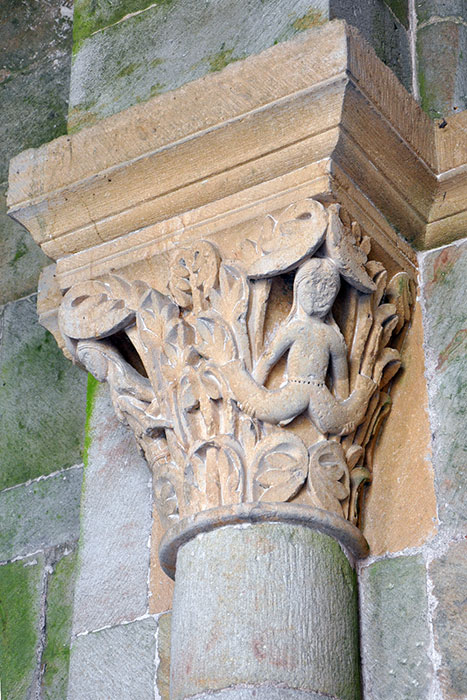
Narthex capital
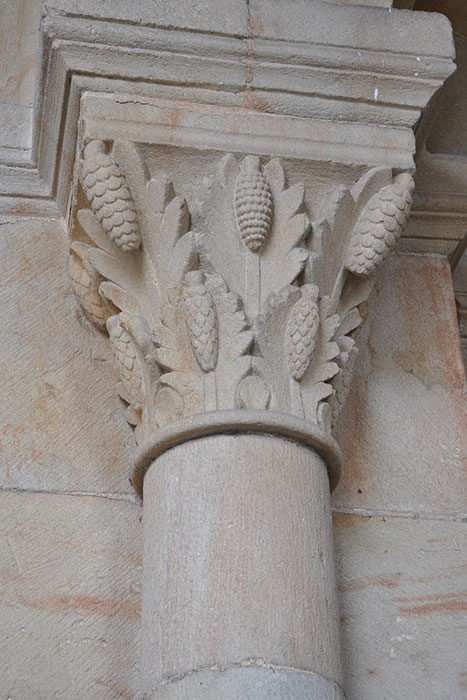
Narthex capital
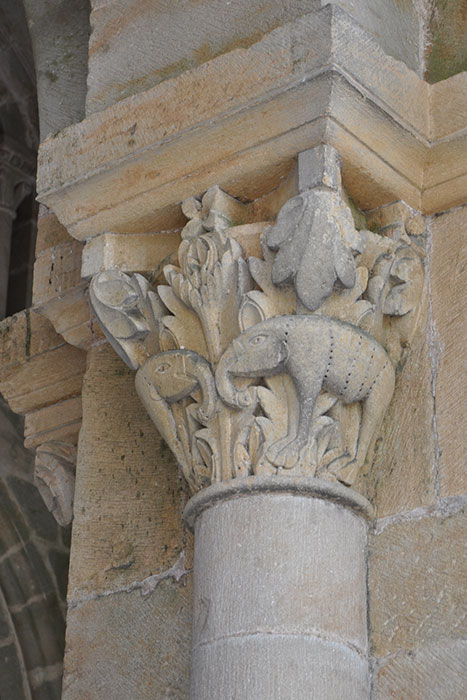
Narthex capital

Narthex and portal of the church
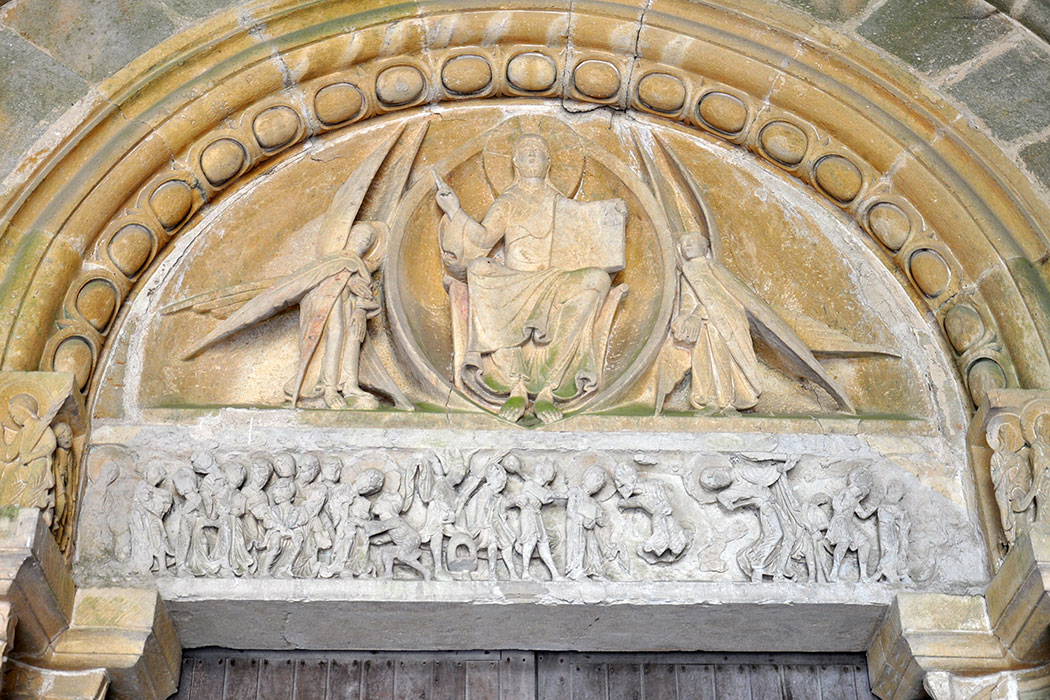
Western portal

Western portal, Saint Michael
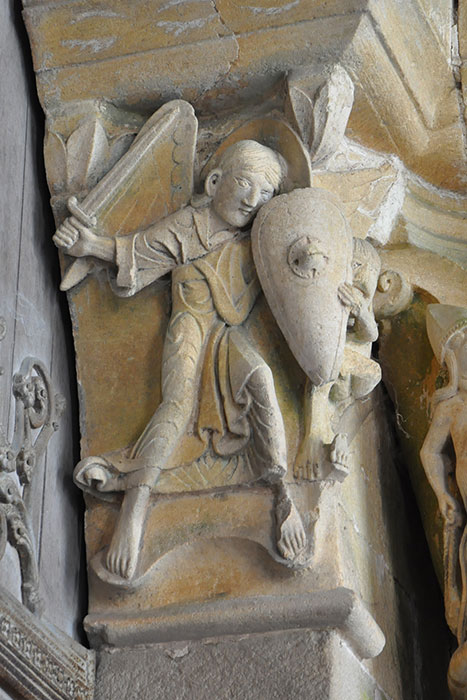
Western portal, fighting angel
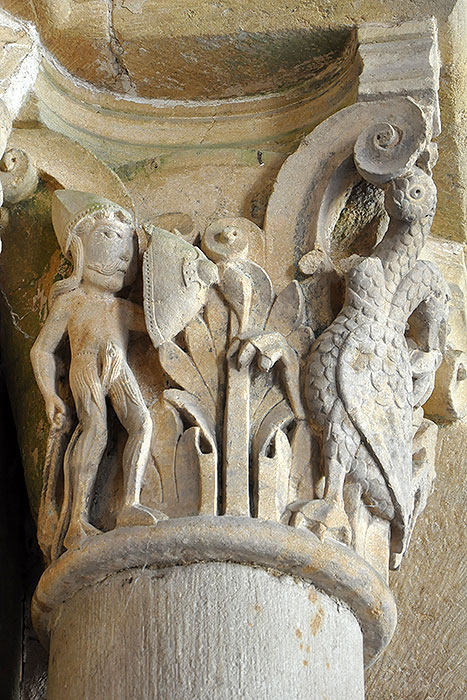
Western portal, warrior and bird
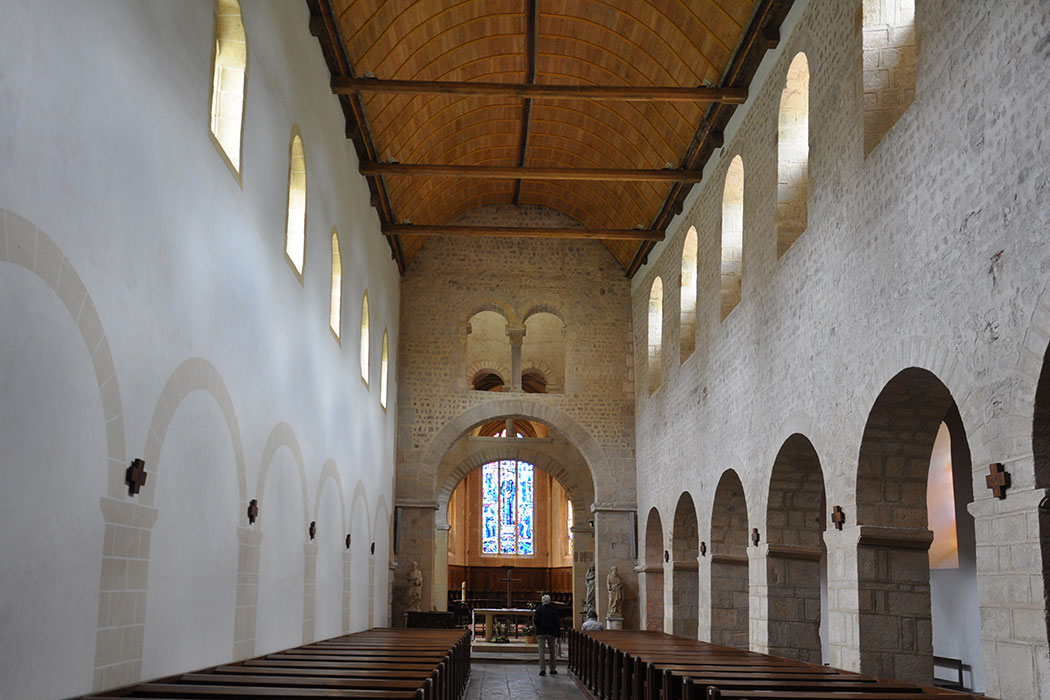
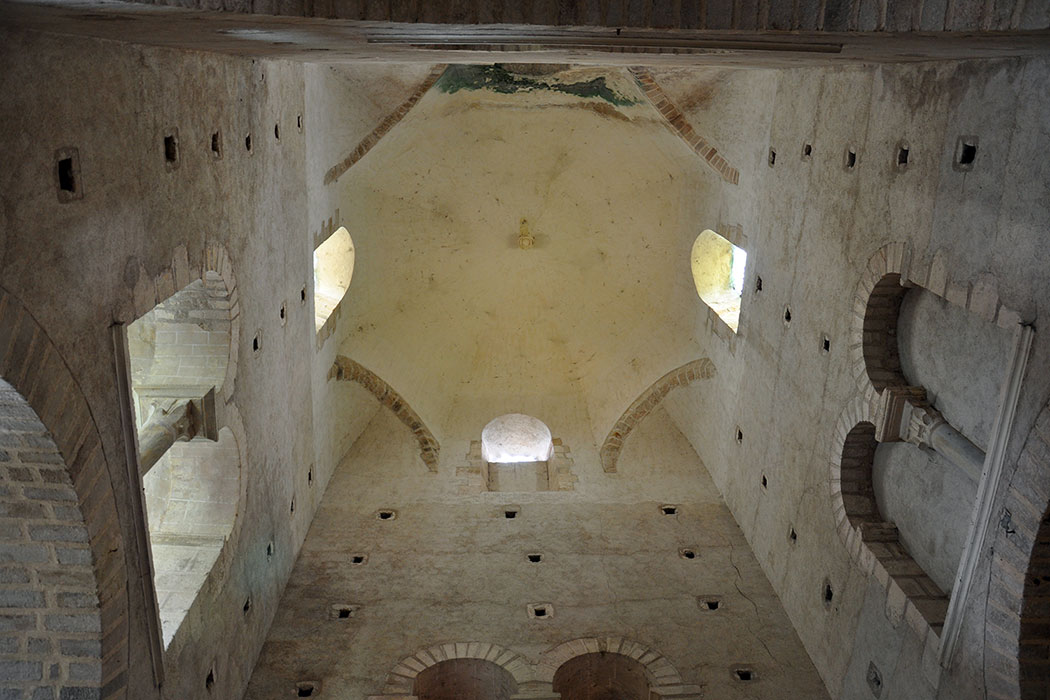
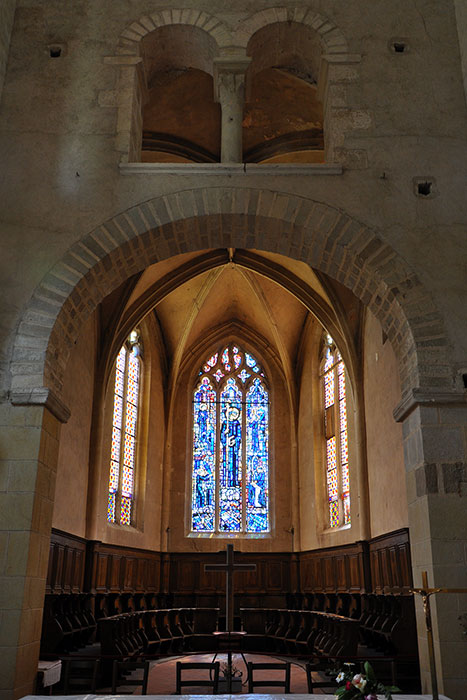
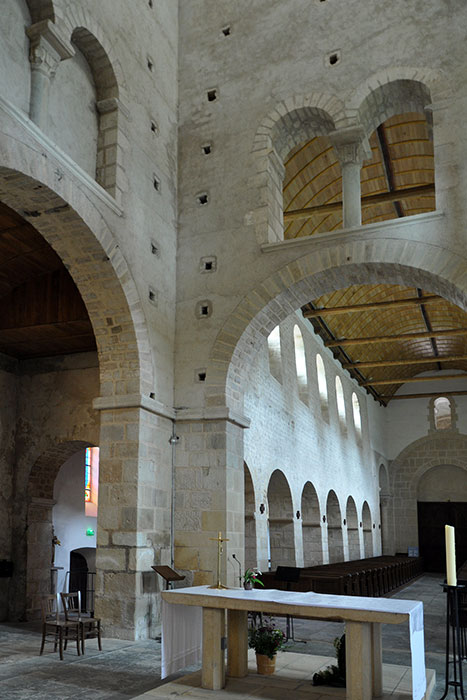
Chancel
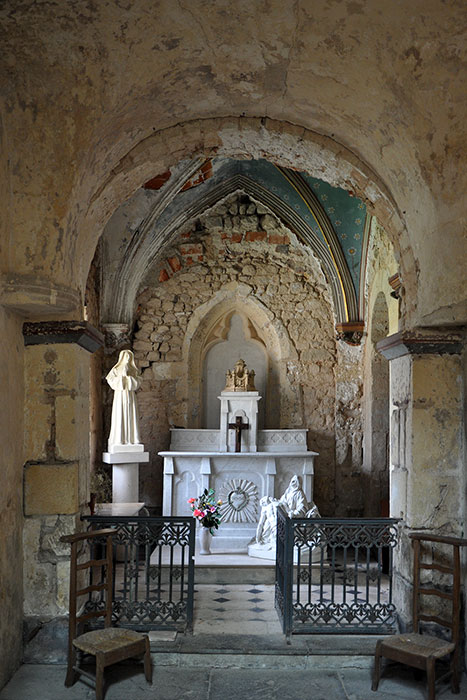
Side chapel
- COTTINEAU, Laurent-Henri (1939). Répertoire topo-bibliographique des abbayes et prieurés. Vol. 2. Mâcon: Protat
- LOISY, R.; i altres (2002). Perrecy-les-Forges, son église romane. Commune et paroisse de Perrecy-les-Forges
- OURSEL, Raymond (1956). Les églises romanes de l’Autunois et du Brionnais. Mâcon: Protat
- OURSEL, Raymond (1974). Bourgogne romane. La nuit des temps, 1. Zodiaque
- PHILIPON, E. (1899). Note sur la famille du roi Raoul. Bibliothèque de l'École des chartes, vol. 60
- VAIVRE, Jean-Bernard de (1983). Constructions adventices du XVe siècle aux prieurés de Charlieu et de Perrecy. Bulletin Monumental. Vol. 141-4
- VAIVRE, Jean-Bernard de (2017). Le cloître disparu de Perrecy (Saône-et-Loire). Bulletin Monumental, vol 175/2
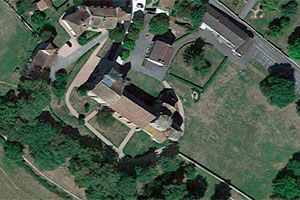
Perrecy Priory belongs to the commune of Perrecy-les-Forges, situated south-west of Chalon-sur-Saône, towards Moulins