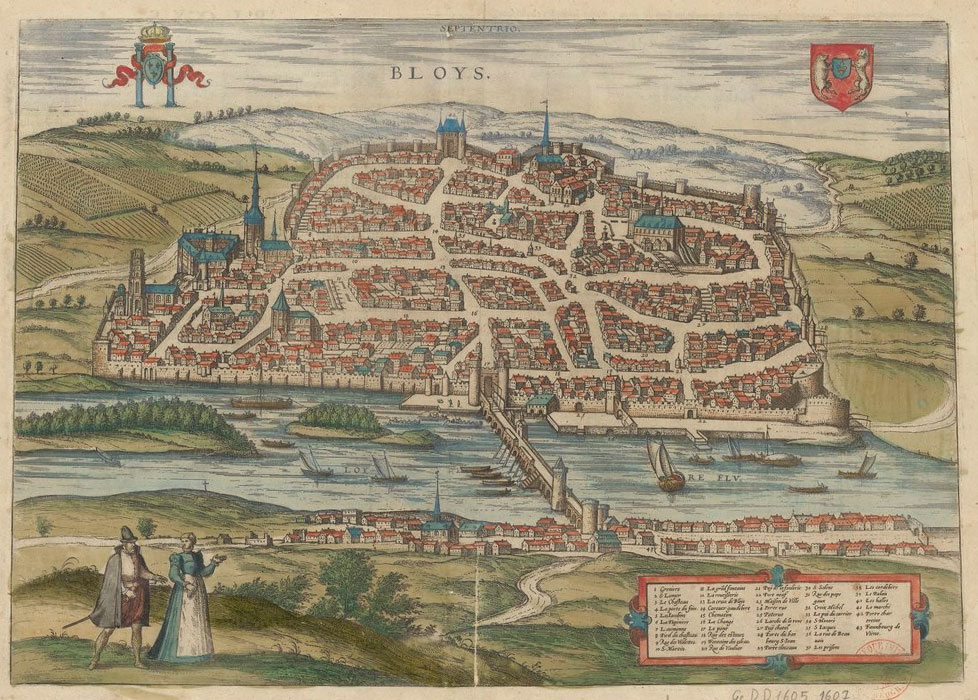
Bibliothèque nationale de France
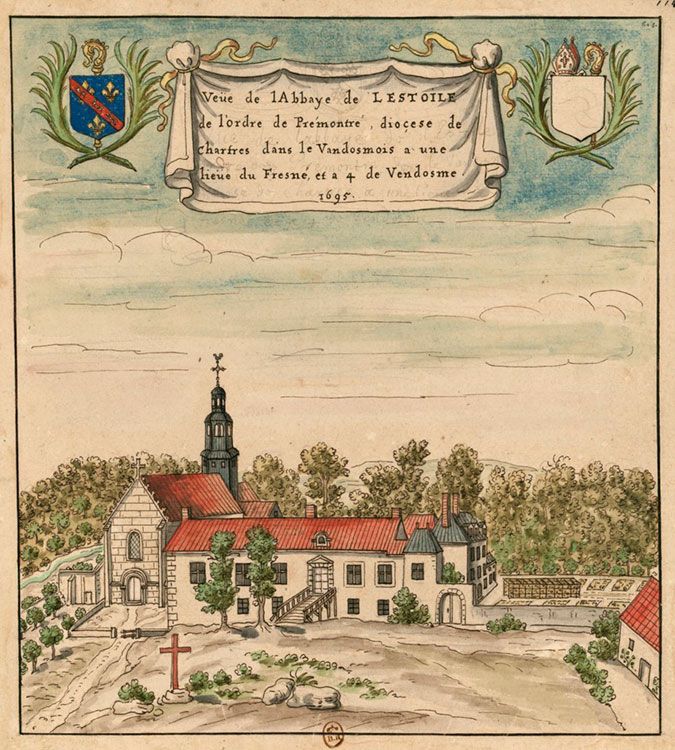
Veue de l'abbaye de Lestoile, de l'Ordre de Prémontré
Louis Boudan (1695)
Bibliothèque nationale de France


The Premonstratensian Abbey of l’Étoile was founded in 1130 through the intervention of Thibaud of Champagne, a figure associated with Norbert of Xanten, founder of that order, with the collaboration of Geoffroy de Grisegonelle, Count of Vendôme († 1145). The site had previously been occupied by a Benedictine house, documented at least until 1114, which was later occupied by a community of Augustinian canons and finally succeeded by the Premonstratensians. The loss of documentary evidence prevents a detailed reconstruction of its history.
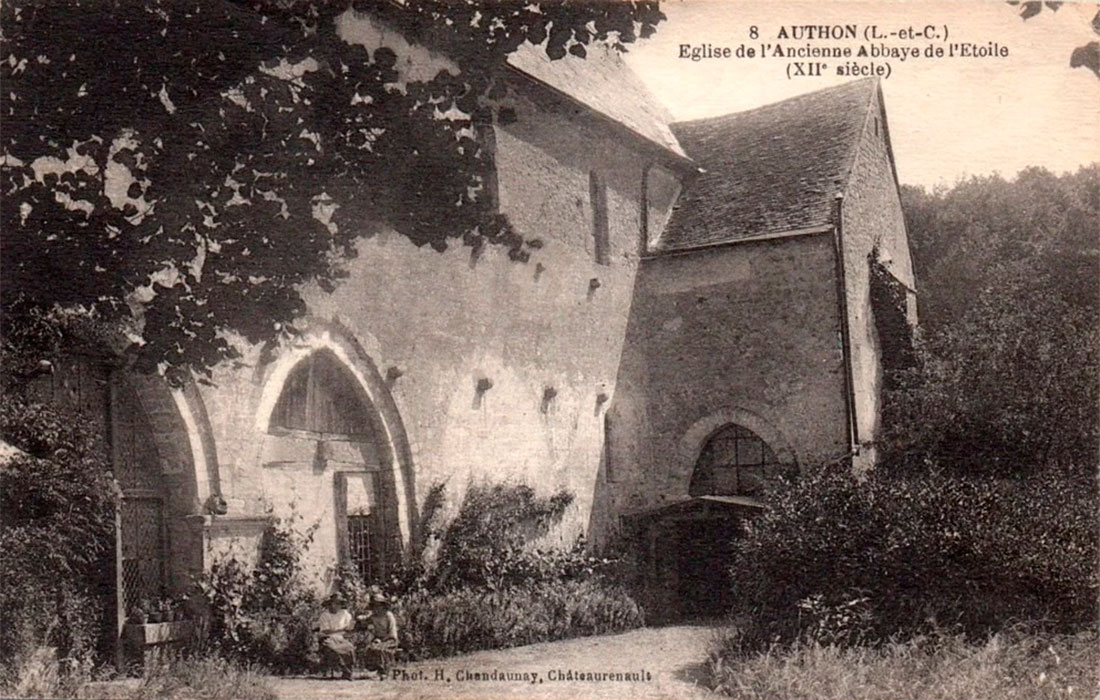
Old postcard, private collection
The abbey was the subject of several papal confirmations, the earliest dating from 1147. It was a modest house that suffered from the military conflicts affecting the region in 1362, 1519 and 1570; besides the material damage, its archive was also lost. The introduction of the commendatory regime in 1559 did not favour its recovery. Nevertheless, in 1725 it took part in establishing the Premonstratensian Order at the Augustinian Abbey of Saint-Georges-du-Bois. It was suppressed in 1790 during the French Revolution. Afterwards it became a manor house, built using materials taken from the former monastery, although the medieval church was preserved. In the late nineteenth and early twentieth centuries it briefly regained monastic life with a community from Saint-Michel de Frigolet (Bouches-du-Rhône). It is now privately owned.
- ARDURA, Bernard (1993). Abbayes, prieurés et monastères de l'ordre de Prémontré. Nancy: Presses U. De Nancy
- AUBERT, R. (1963). Dictionnaire d'histoire et de géographie ecclésiastiques. Vol. 15. París: Letouzey et Ané
- BACKMUND, Norbert (1956). Monasticon Praemonstratense Vol. 3. Straubing
- BEAUNIER, Dom (1905). Recueil historique des Archêvechés, Évêchés, Abbayes et Prieurés de France. Vol. 1. Province ecclésiastique de Paris. París: Poussielgue
- ROCHAMBEAU, Achille de (1894). Le Vendômois: épigraphie et iconographie. París: Champion
- SAINT-MAUR, Congregació de (1744). Gallia Christiana in provincias ecclesiasticas distributa. Vol. 8. París: Typographia Regia
- SAINT-VENANT, R. de (1896). Une excursion a Authon, St. Arnoult, Montoire & St-Georges-des-Bois. Bulletin de la Société Archéologique Scientifique et Littéraire du Vendomois. Vol. XXXV. Vendôme
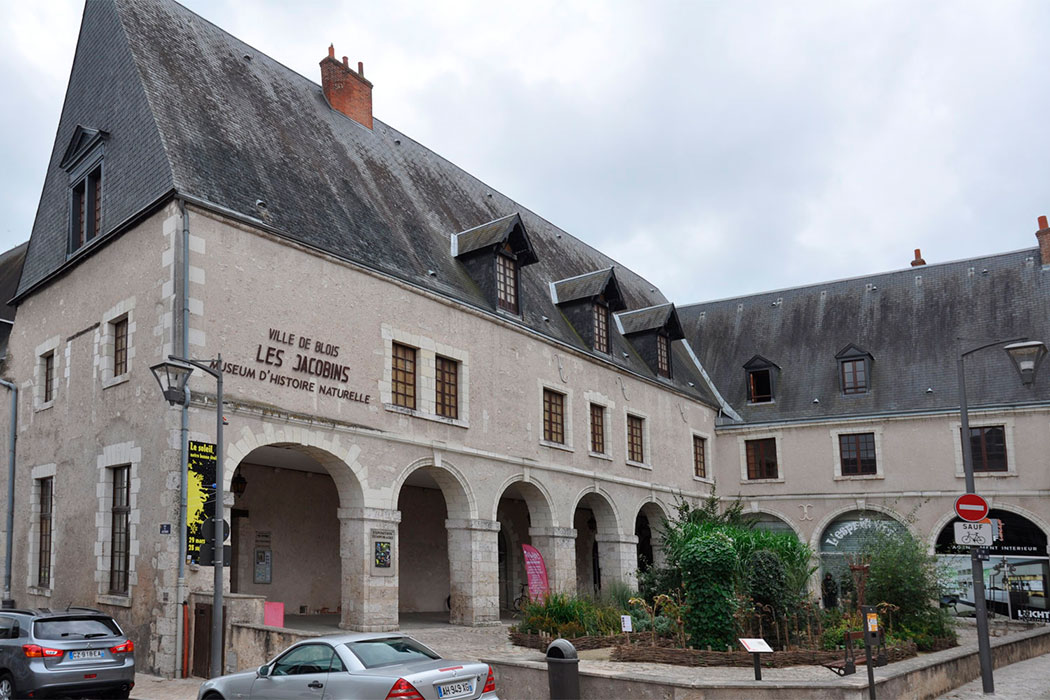

Dominican friary founded in the town of Blois in 1273 by Jean I de Châtillon (Count of Blois, 1256–1279), who granted the friars the former parish church of Saint-Gervais. The complex was later enlarged through the acquisition of nearby land, where the conventual buildings were erected, including a single-nave church. After the French Revolution, the church disappeared, while other conventual buildings were converted into barracks. Today, the surviving buildings house a library and a museum.
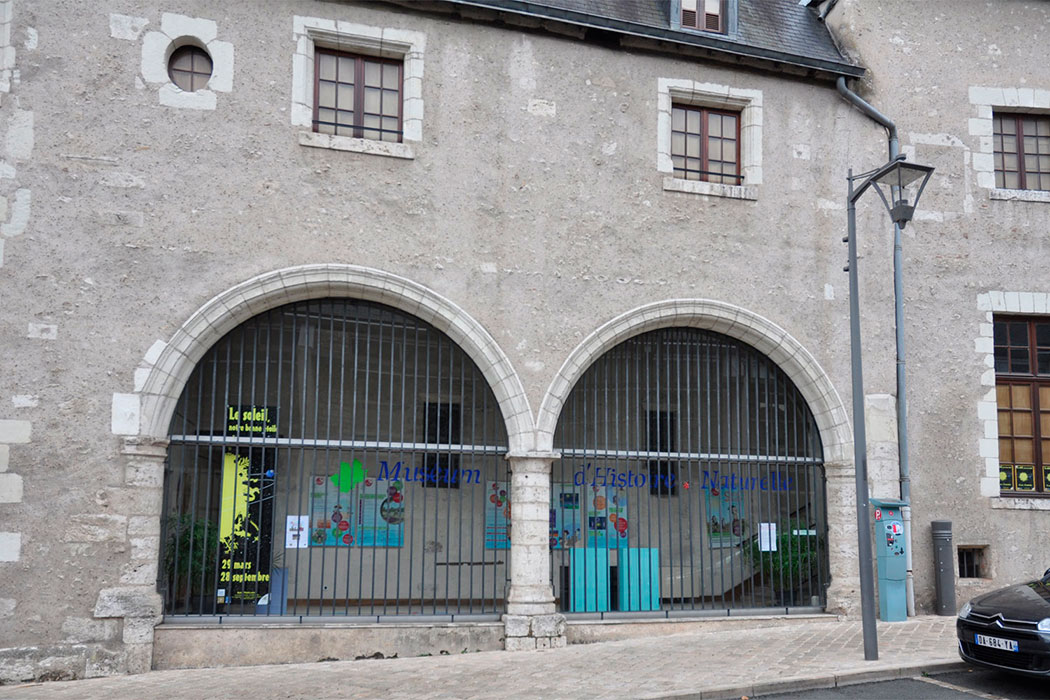
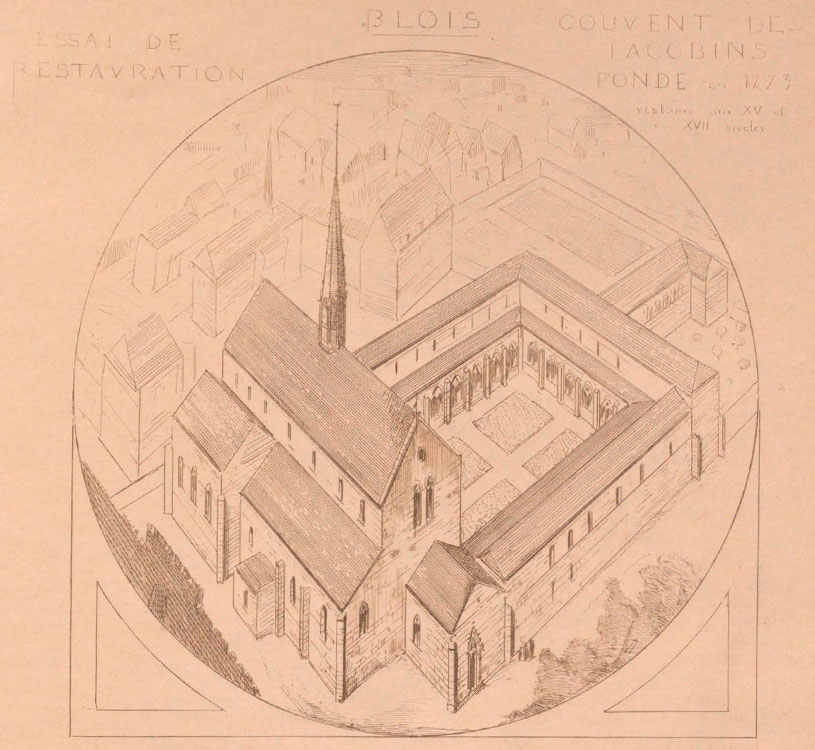
Illustration from Gallia Dominicana (1903)
- BERGEVIN, Louis Catherine (1846). Histoire de Blois, vol. 1. Blois: Dézairs
- LA SAUSSAYE, Louis de (1846). Histoire de la ville de Blois. Blois
- ROHAULT DE FLEURY, Georges (1903). Gallia Dominicana. Les couvents de St. Dominique au Moyen Âge. Vol. 1. París
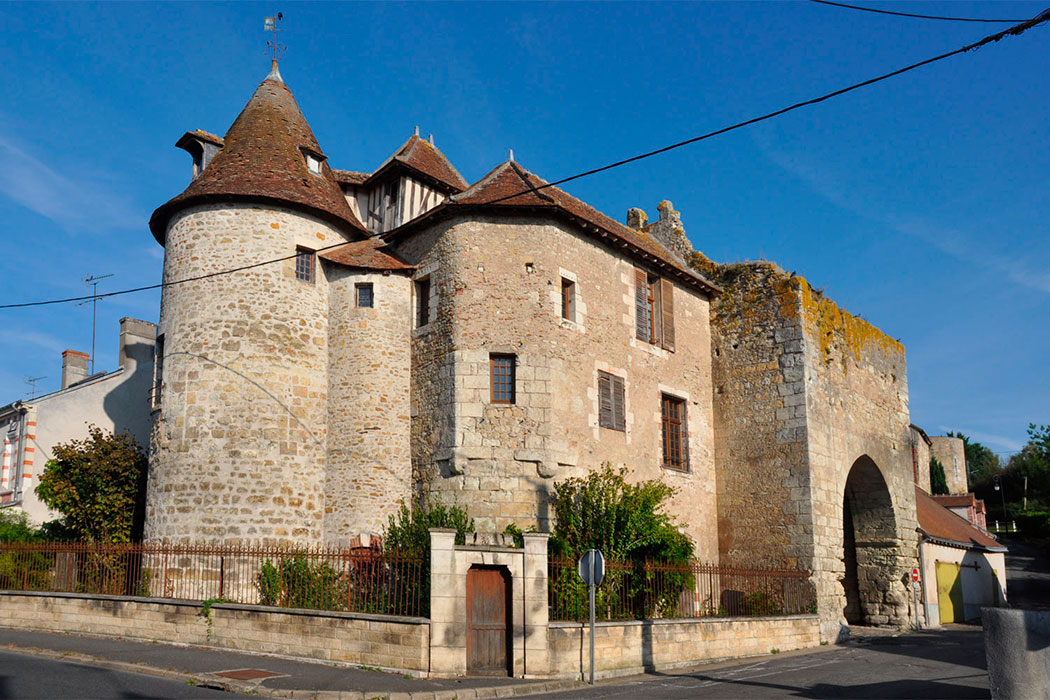
Bonne-Nouvelle Portal

Benedictine nunnery established at Mennetou-sur-Cher (Loir-et-Cher), dependent on Beaumont Abbey (Tours, Indre-et-Loire). Toulgoët attributes a very early origin to the priory, placing its foundation in the time of Charlemagne and even suggesting that it already existed in the seventh century. In 1213, Hervé II, Lord of Vierzon, restored it, promoting the revival of the priory and the establishment of a renewed community.
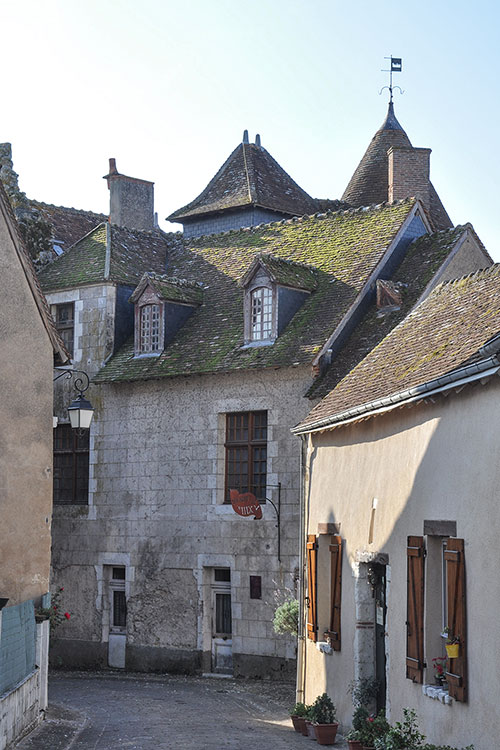
In 1564, Mennetou joined the Congregation of Chezal-Benoît. From the seventeenth century onwards, the community also occupied the former seigniorial castle. The priory survived until the French Revolution, although it was already in decline. Some buildings have survived, adjoining the medieval walls, the church and the Bonne-Nouvelle Gate . The Grange aux Dîmes, where tithes were collected, is also preserved.
- AUBERT, Marcel (1912). L'enceinte de Mennetou-sur-Cher. Bulletin monumental, vol. 76. Société française d'archéologie
- AUBERT, Marcel (1926). Mennetou. Congrès archéologique de France, 88 ss. Blois. Société française d'archéologie
- BEAUNIER, Dom (1912). Abbayes et prieurés de l'ancienne France. Vol. 5. Bourges. Abbaye de Ligugé
- TOULGOËT, Émile de (1884). Histoire de Vierzon et de l'abbaye de Saint-Pierre. París: Picard
- TOULGOËT, Émile de (1888). Mennetou-sur-Cher, le prieuré, la châtellenie. Revue du Centre, núm. 4. Châteauroux
Guichia / la Guiche en Blaisois / Garde Notre-Dame
(Valloire-sur-Cisse, Loir-et-Cher)
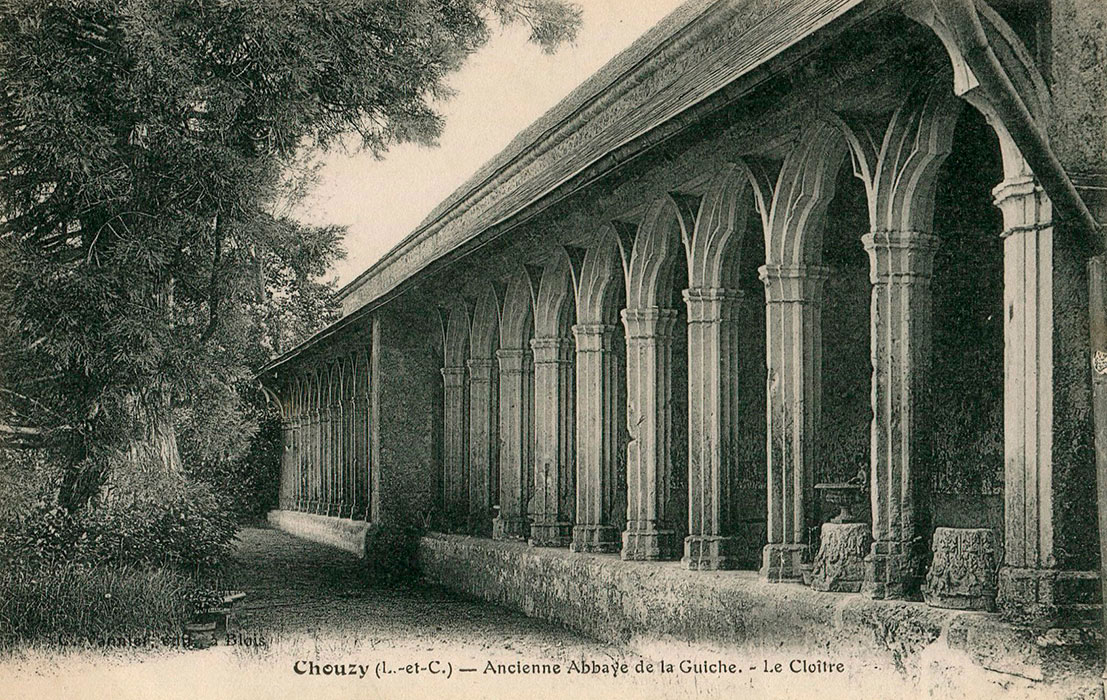
Old postcard, private collection

The Poor Clares monastery of Notre-Dame de la Guiche was founded in 1273 by Jean I of Châtillon, Count of Blois (1256–1279), following an event regarded as miraculous, during which an image of the Virgin Mary was discovered. The community was established by nuns from Longchamp Abbey (Paris), which had been founded only a few years earlier. The church was consecrated in 1277. During the pontificate of Martin IV (1281–1285), the monastery obtained the privilege of exemption and came under the direct authority of the Holy See; the first abbess, Julienne of Troyes (1285–1301), was also appointed at that time. After the founder's death, he was buried in the church, which became the burial place of the comital house.
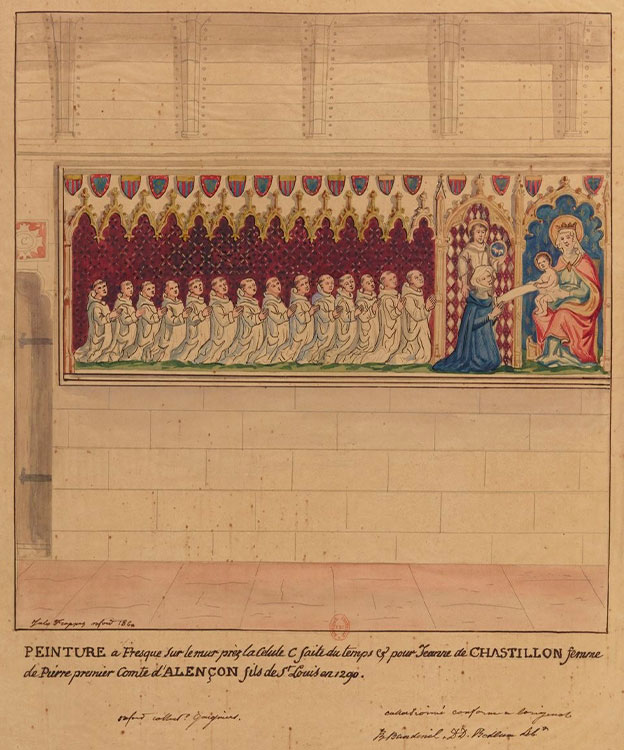
Peinture à fresque, à l'abbaye de la Guiche en Blaisois
Gaignières Collection
Bibliothèque nationale de France
In 1345, the community temporarily took refuge in Blois because of the instability caused by the Hundred Years' War. During the second half of that century, restoration work was carried out on the monastery. In 1561, it was plundered by the Huguenots and thereafter entered a decline from which it never recovered. In 1774, the admission of new nuns was prohibited, and the following year the Bishop of Blois annexed its revenues to the diocesan seminary. The monastery was canonically suppressed in 1787, although the community contested the decision. During the French Revolution, in 1792, the property was sold into private ownership, where it remains today. The surviving remains include the cellar, adjoining a gallery of the cloister, together with several sculptural fragments, notably the founder's tomb.
- AUBERT, R. (1988). Dictionnaire d'histoire et de géographie ecclésiastiques. Vol. 22. París: Letouzey et Ané
- BEAUNIER, Dom (1905). Recueil historique des Archêvechés, Évêchés, Abbayes et Prieurés de France. Vol. 1. Province ecclésiastique de Paris. París: Poussielgue
- SAINT-MAUR, Congregació de (1744). Gallia Christiana in provincias ecclesiasticas distributa. Vol. 8. París: Typographia Regia