
At an undetermined date, Humbert I of Beaujeu († c. 1000) donated this site to the abbey of Cluny (Saône-et-Loire), then under the abbacy of Maiolus (954–994). It is considered that his successor, Odilo (994–1048), was responsible for promoting the creation of the Priory of Saint-Martin de Salles.
On the other hand, in 1110, Guichard III, a member of the same Beaujeu family, founded the Cluniac female priory of Grelonges, located to the east of Salles (now within the territory of Fareins, Ain). This establishment stood on an island in the River Saône, now disappeared, on unstable ground due to the river’s waters. For this reason, by the end of the thirteenth century the community found itself in a precarious situation, as the monastery had suffered serious damage and had to be abandoned. With the authorization of Cluny, in 1301 the nuns moved to Salles, which from then on became a female monastery, while the monks of this place returned to the mother house.
At Salles, the female community gradually became established and entered a new period of prosperity. Developments were favourable and led to a progressive mitigation of the strictness of Cluniac observance. By the mid-seventeenth century, the nuns, who came from well-to-do families, were able to enjoy private living spaces and personal property. In 1777 they broke away from Cluny and came under the authority of the Archdiocese of Lyon, which was far more flexible and tolerant, and they were constituted as canonesses. A programme of remodelling of the monastery was then begun, but it was ultimately brought to an end by the Revolution; the plan, which even envisaged the demolition of the church, was never carried out and, in 1790, the chapter of canonesses was suppressed.
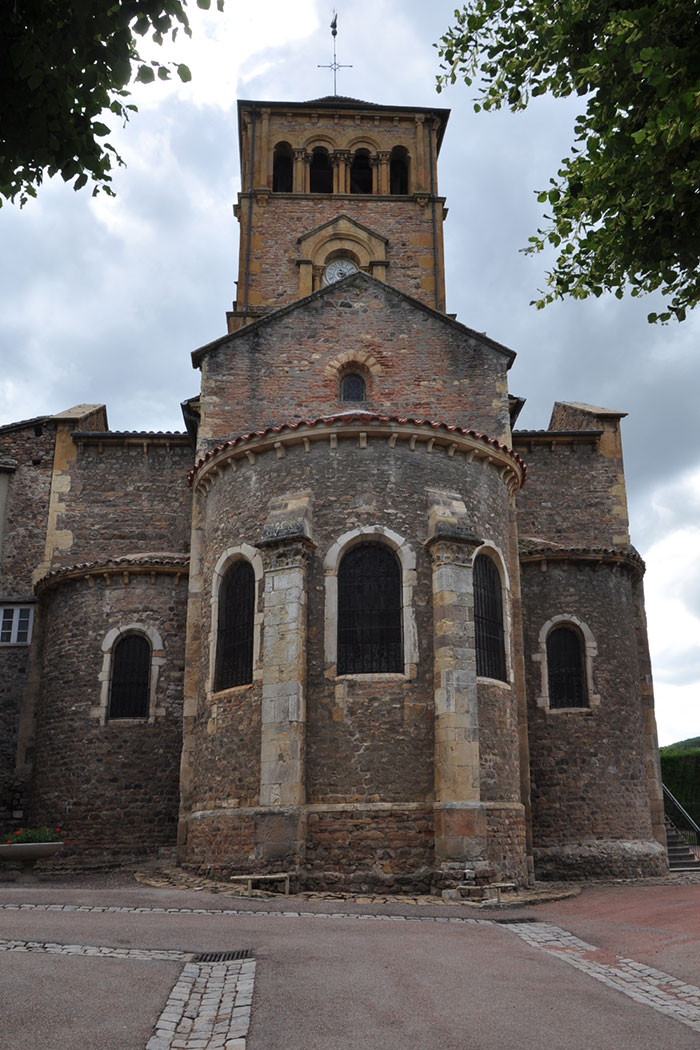
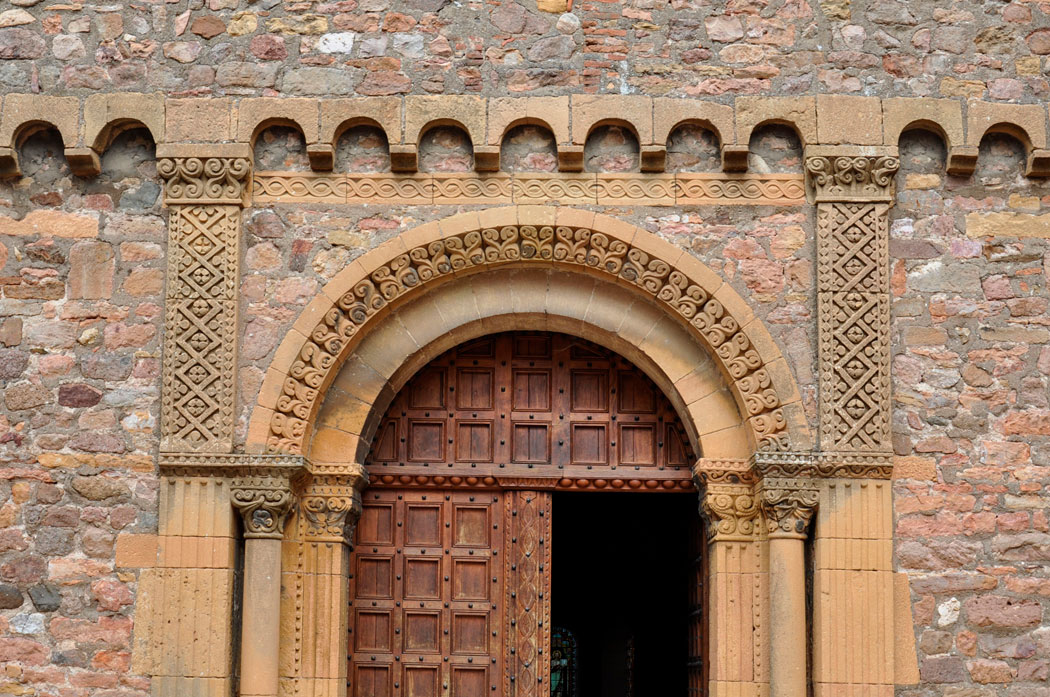
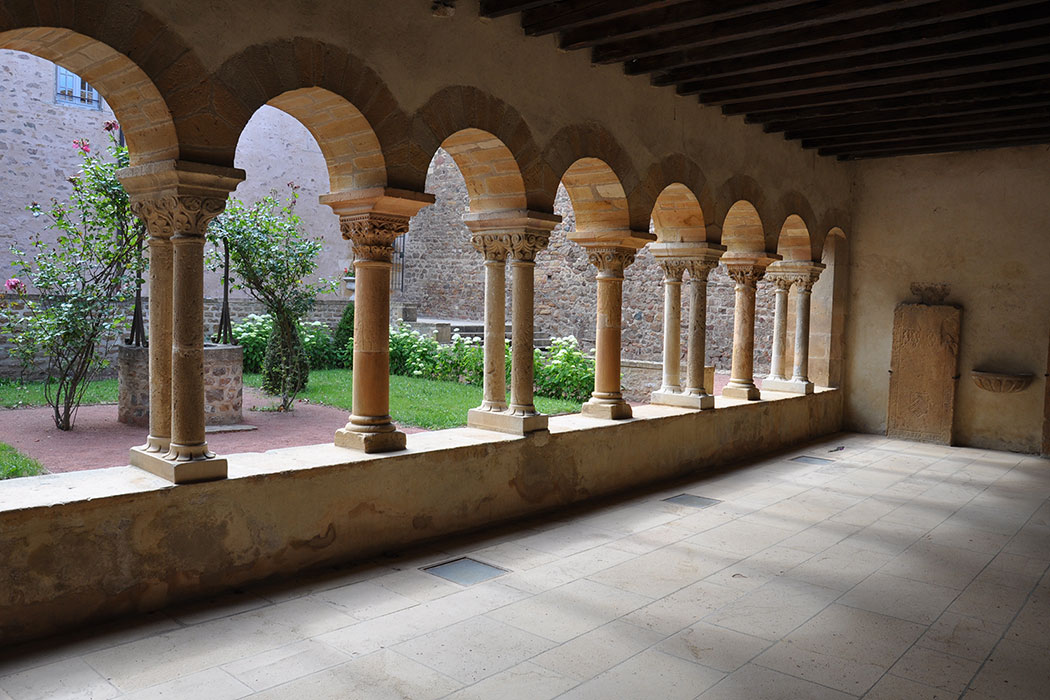
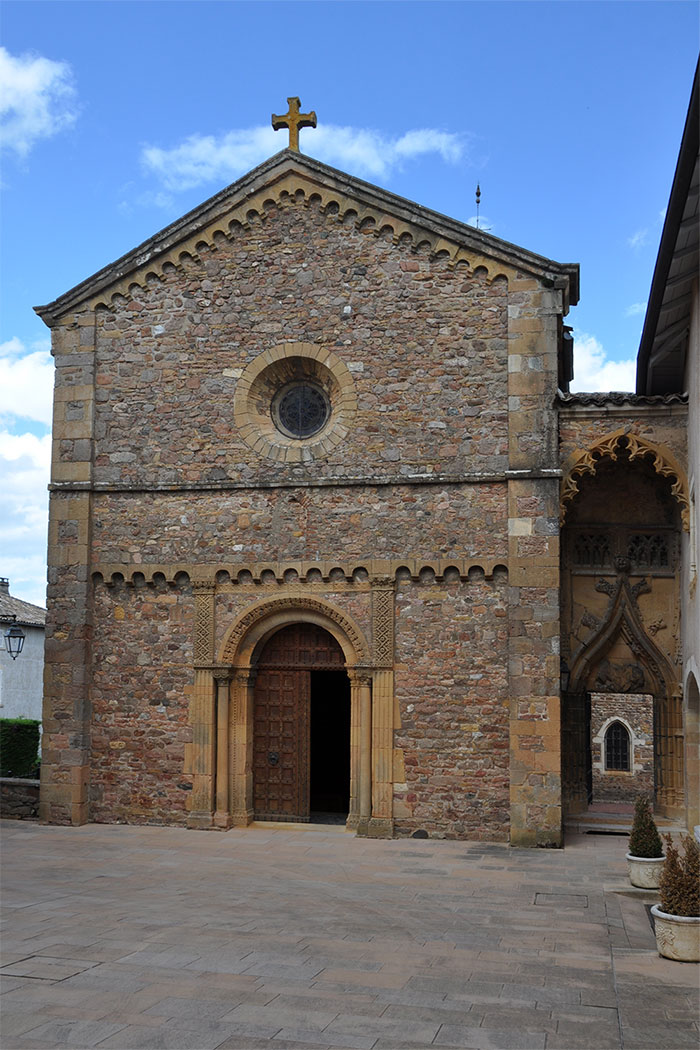
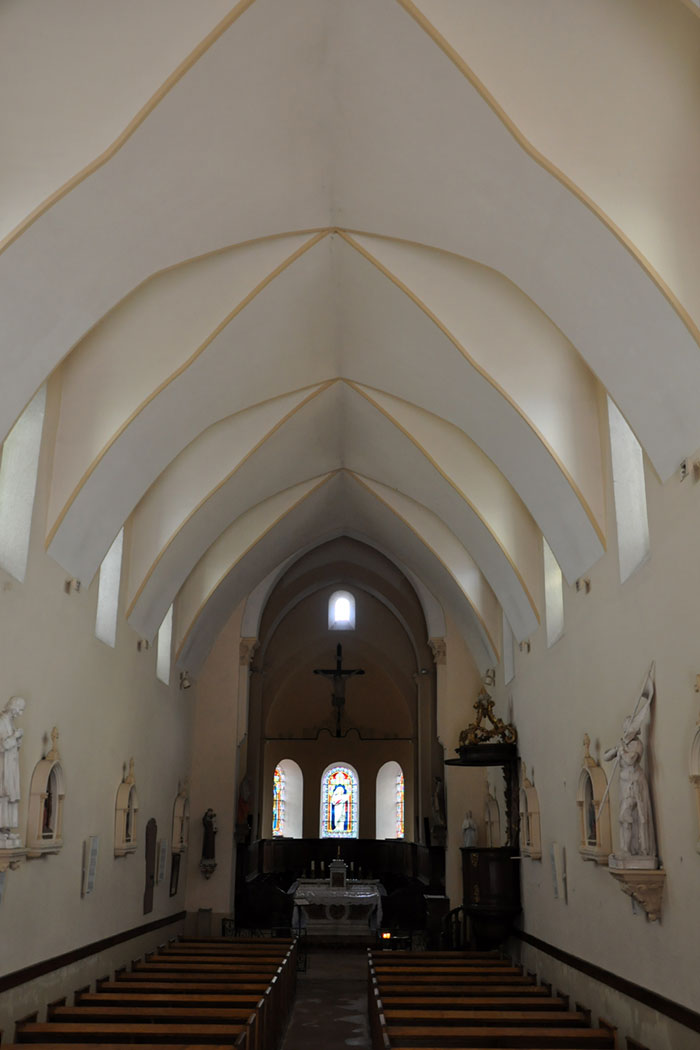
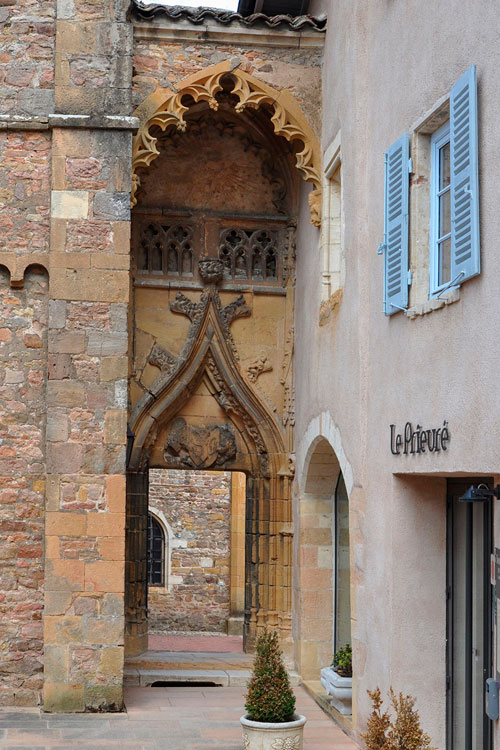
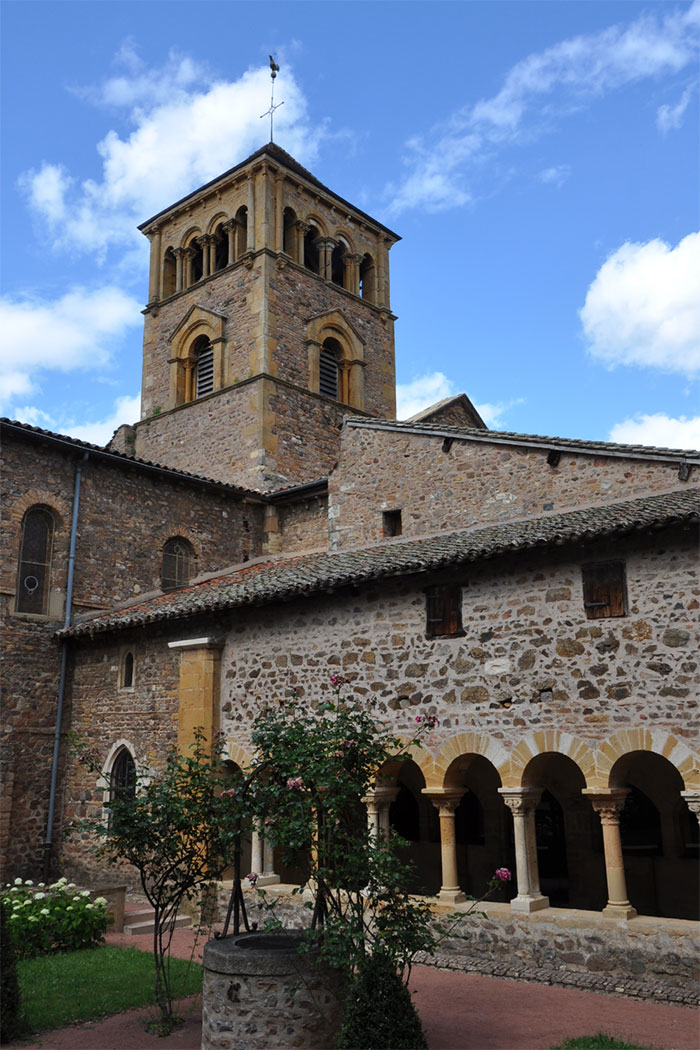
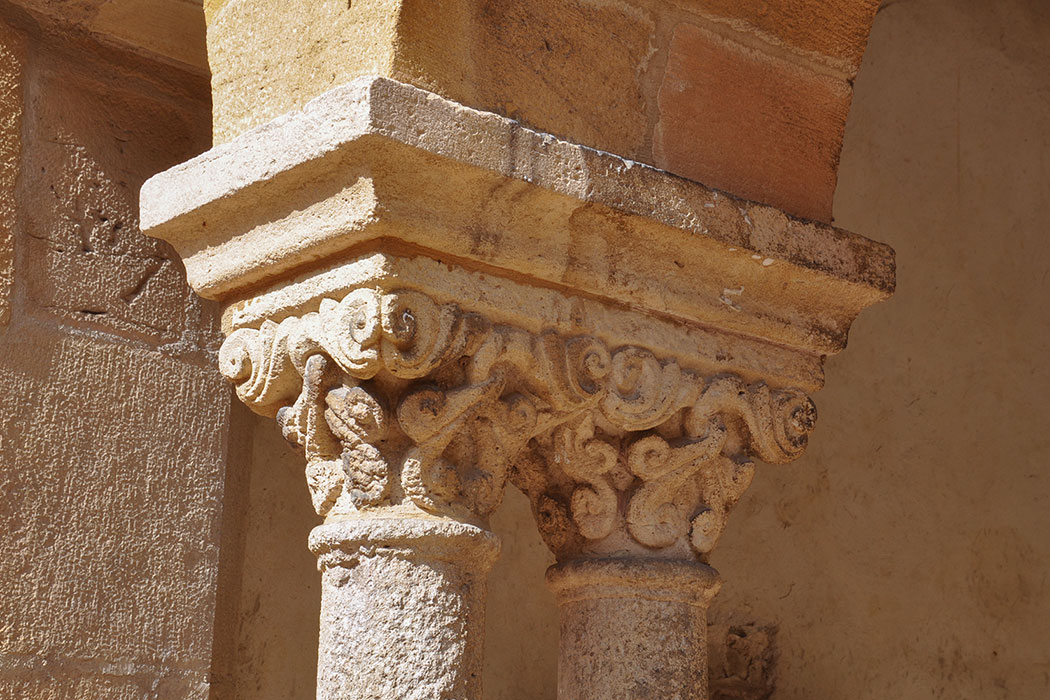
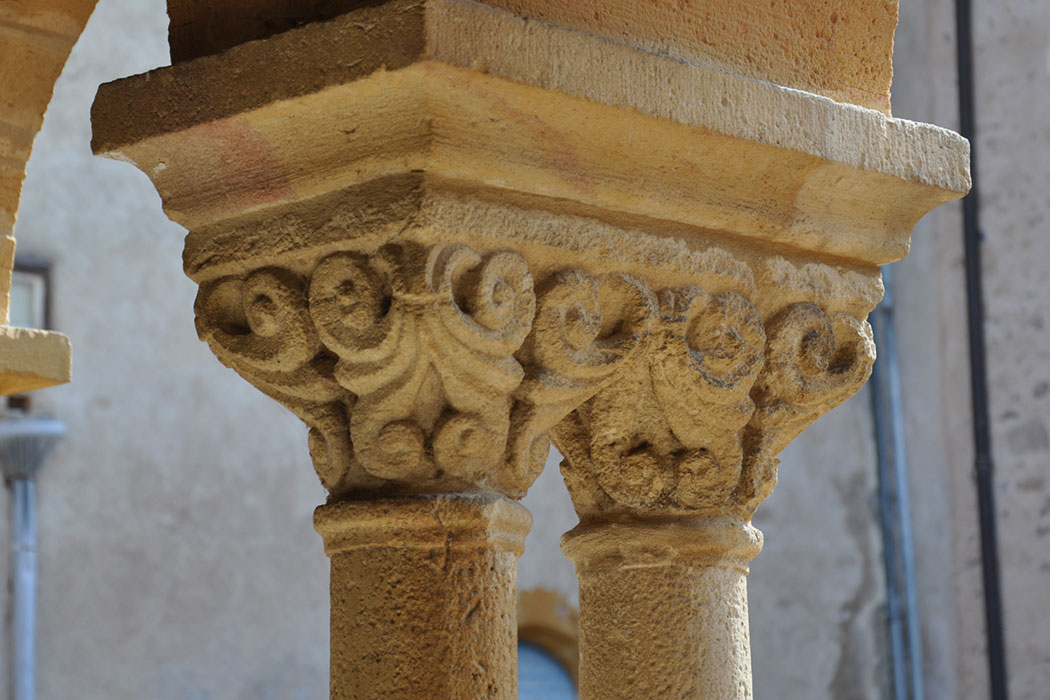
The church has been preserved; it is Romanesque in structure, although it has been extensively altered over time. It consists of a single, narrow nave, with a crossing from which open three semicircular apses. At the west end there is a decorated medieval portal. A Gothic portal of the fifteenth century gives access to the cloister, of which one gallery survives, with alternating single and paired columns. The Gothic chapter house is also preserved, vaulted and supported by a central pillar.



Chapter house

Chapter house
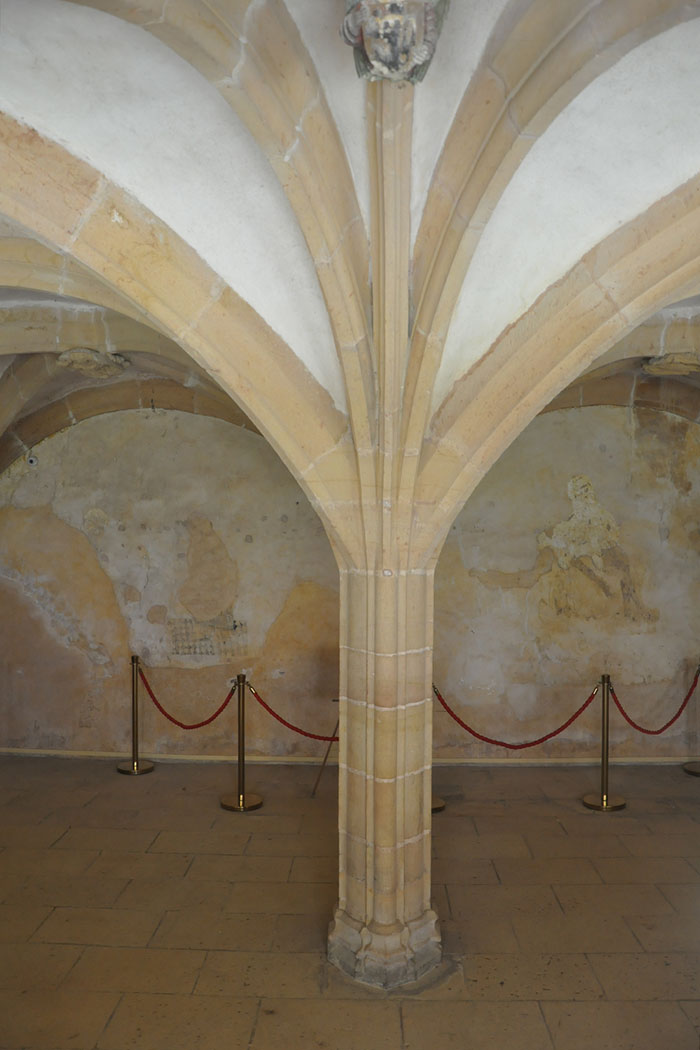
Chapter house
- AUDIN, Marius (1936). Sous le signe du Râteau. Histoire de Beaujeu. Villefranche: Guillermet
- BEUF, P. (1844). L’église de Salles. Album du Lyonnais. Lió. Boitel
- BOUVARD, Emma; i altres (2006). Reconstitution paléo-environnementale d’un site archéologique insulaire. Le prieuré clunisien de Grelonges en bord de Saône. Revue archéologique de l’Est
- COTTINEAU, Laurent-Henri (1939). Répertoire topo-bibliographique des abbayes et prieurés. Vol. 2. Mâcon: Protat
- DESTHIEUX, Georges (1980). Salles en Beaujolais : son église, son cloître, son chapitre. Association des Amis de Salles-en-Beaujolais
- MÉHU, Eugène (1910). Salles en Beaujolais, le prieuré des Bénédictins de Cluny, le Chapitre noble des chanoinesses-comtesses. Villefranche-sur-Saône: Société des sciences et arts du Beaujolais
- OURSEL, Raymond (1990). Lyonnais, Dombes, Bugey et Savoie romans. La nuit des temps, 73. Zodiaque
- PÉTOURAUD, Charles (1970). Le prieuré de Salles-en-Beaujolais. Annales de l'Académie de Mâcon, vol. 50. Macon: Protat
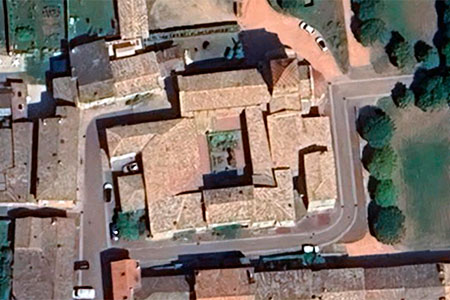
Salles and the priory of the same name are located in the commune of Salles-Arbuissonnas en Beaujolais (Rhône), to the north-west of Villefranche-sur-Saône.