Abbey of Saint-Pierre-les-Nonnains de Lyon
Palais Saint-Pierre / S. Petri Puellarum / S. Petrus Lugdunensis
(Lyon, Metropolis of Lyon)
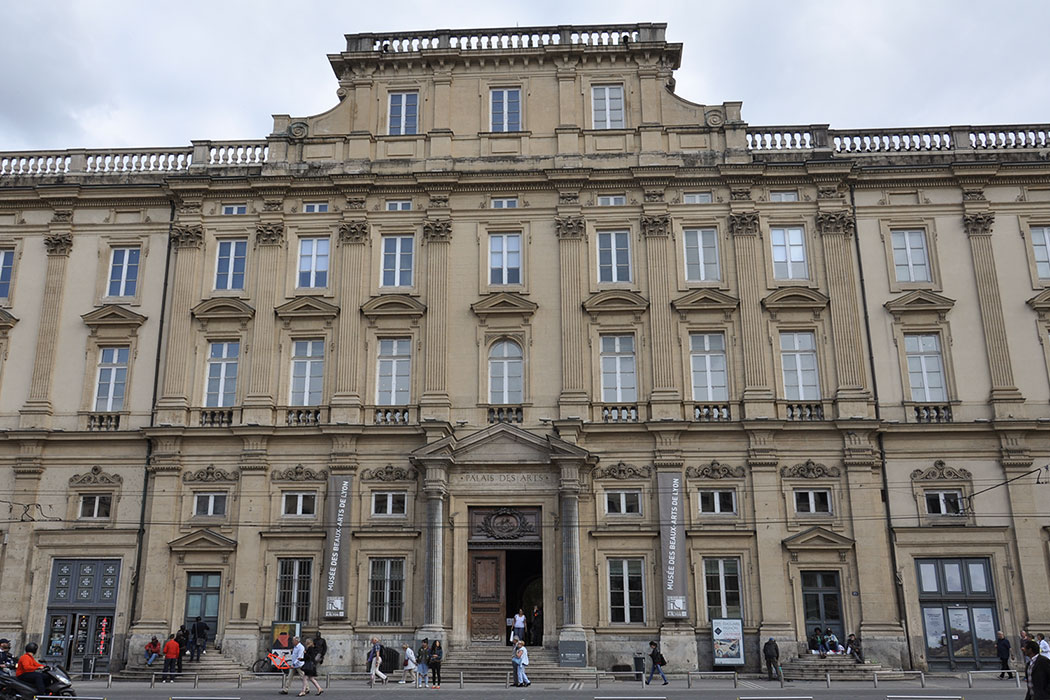
The Baroque monastery, now a museum

The origins of the female monastery of Saint-Pierre-les-Nonnains de Lyon are surrounded by legendary or poorly documented accounts, some of which are placed in the earliest period of Christianity. Later sources provide additional information, although these accounts have likewise not been firmly corroborated. Even so, it is clearly a very early monastic foundation.
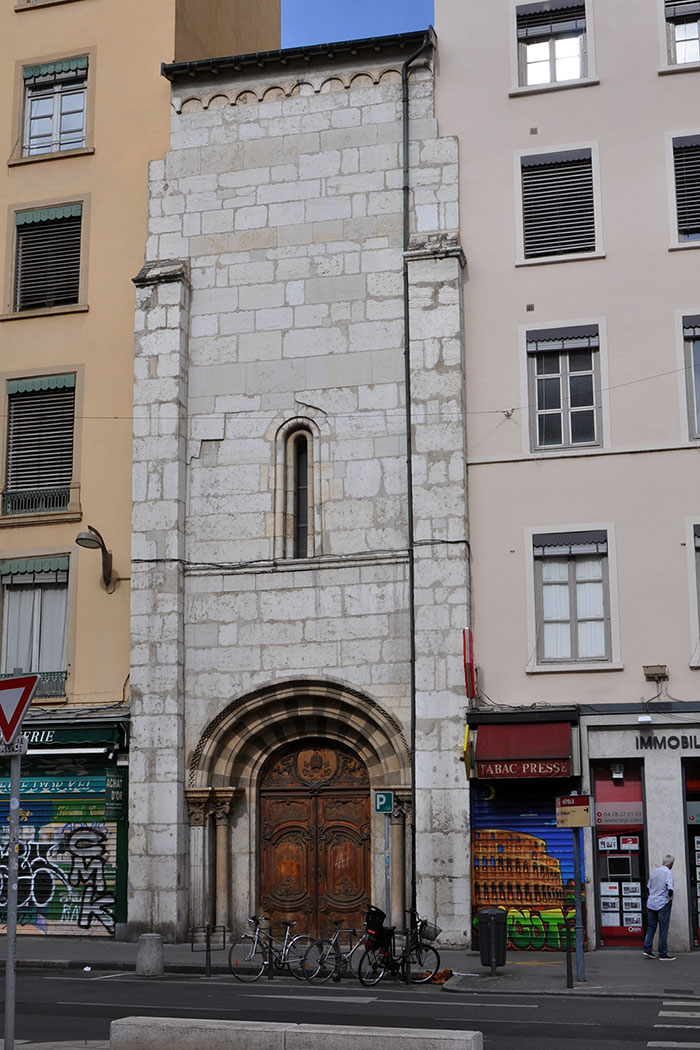
Remains of Saint-Pierre church
Traditionally, the restoration of the monastery has been attributed to Anemond (or Ennemond, † 657), bishop of Lyon, who has therefore been regarded as its founder. This tradition, however, is a later construction. The foundation most probably took place during the first half of the 8th century. After a destruction caused by a Saracen incursion, the monastery was restored again at the beginning of the 9th century by Bishop Leidrad (798–814), and it was possibly at this time that it adopted the Rule of Saint Benedict.
It soon became a centre of power, with professed nuns drawn from the ranks of the nobility. The abbey enjoyed considerable prestige, and its influence surpassed that of other Benedictine houses in the region, such as l'Île-Barbe (also in Lyon) or Saint-Rambert (Ain), both male communities. In 865, King Charles of Provence († 863) was buried in the monastery. During the 12th century it was still experiencing a period of prosperity, which enabled the construction of a new church for the community, of which some structures are preserved, as well as the church of Saint-Saturnin and other chapels distributed throughout the medieval urban fabric of Lyon. The community also benefited from the seigneurial rights it exercised.

Portal of the church of Saint-Pierre
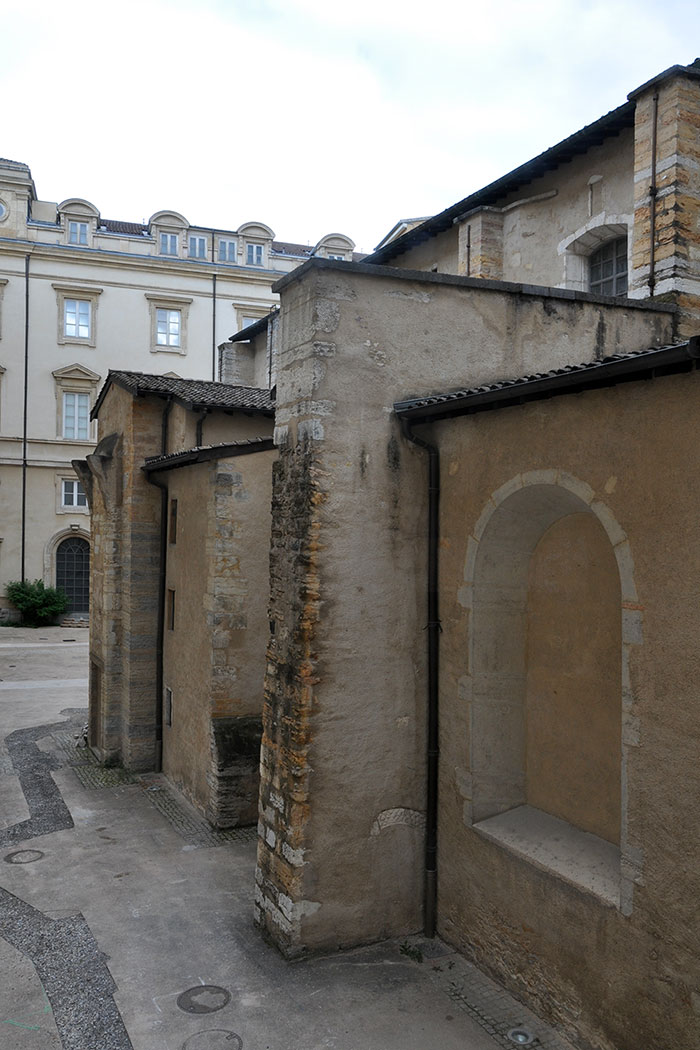
Church of Saint-Pierre
Over time, however, a general relaxation of discipline set in, and the way of life gradually departed from the Benedictine ideal. At the beginning of the 16th century, the abbey was required to undergo a reform of observance, despite the opposition of the community, which saw its privileges threatened. In 1562, in the context of the Wars of Religion, the monastery was occupied, leading to the flight of the nuns and a significant loss of property. In 1637, the abbey was placed under the direct authority of the archbishopric of Lyon.
In the mid-17th century, following the demolition of the city walls, the new Place des Terreaux was laid out, and the Hôtel de Ville was built there. At the same time, the abbey of Saint-Pierre-les-Nonnains restructured its buildings with the construction of the Saint-Pierre palace, which closes the square on its southern side. Although the abbey had lost much of its former influence, it still retained considerable economic power. The community survived until 1792, when the abbey was definitively suppressed during the Revolution.
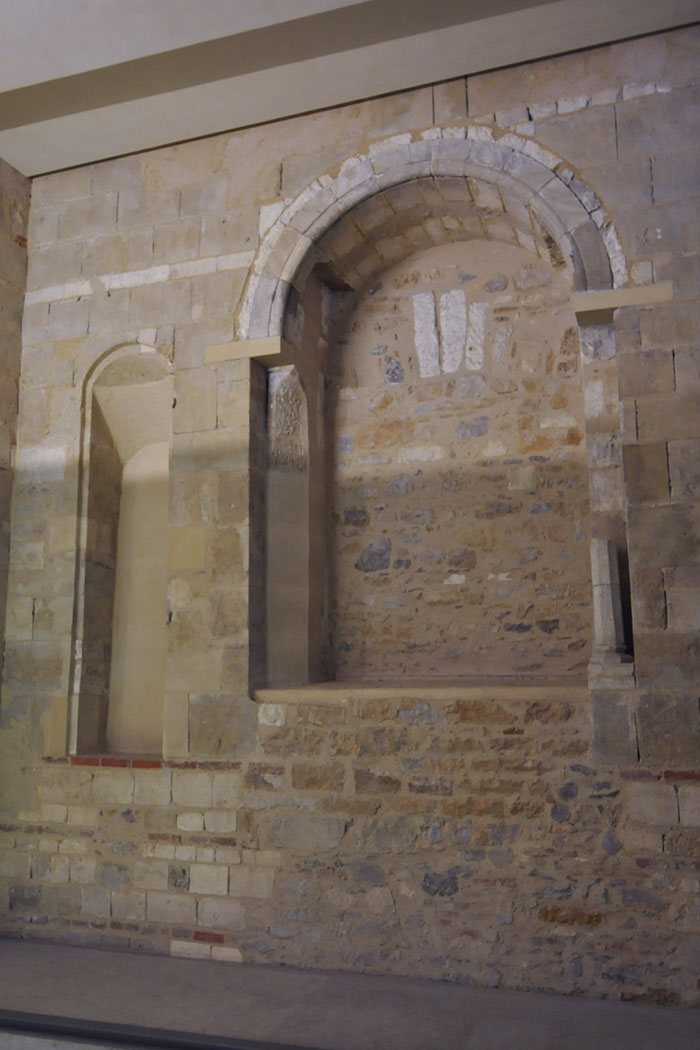
Church of Saint-Pierre

Interior of the church, now a museum
The nuns had two churches on this site: one dedicated to Saint Peter, serving the monastic community, and a second one, Saint-Saturnin (or Saint-Sorlin), which functioned as a parish church and from which the nuns received the revenues. This second church was demolished during the Revolution. Today, the Baroque monastery built in the 17th century survives, incorporating some elements of the former church of Saint Peter. This building, originally Romanesque, underwent several alterations in the 18th and 19th centuries, remained in use for worship until 1907, and was then deconsecrated and incorporated into the group of public buildings that now house the Museum of Fine Arts of Lyon.
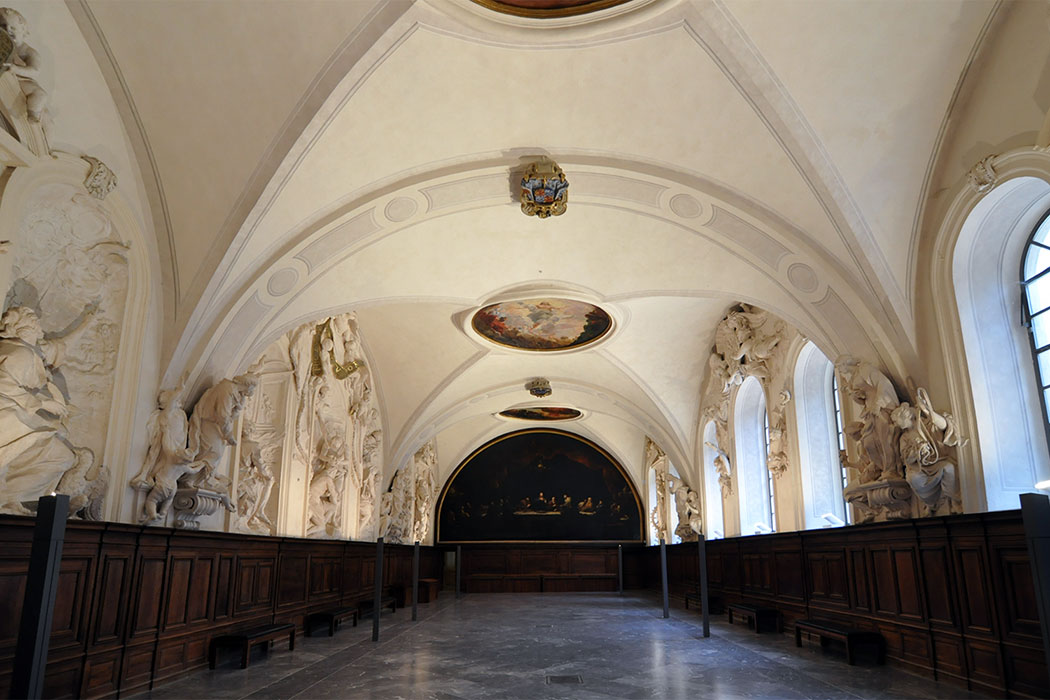
Baroque refectory

Refectory, the Assumption
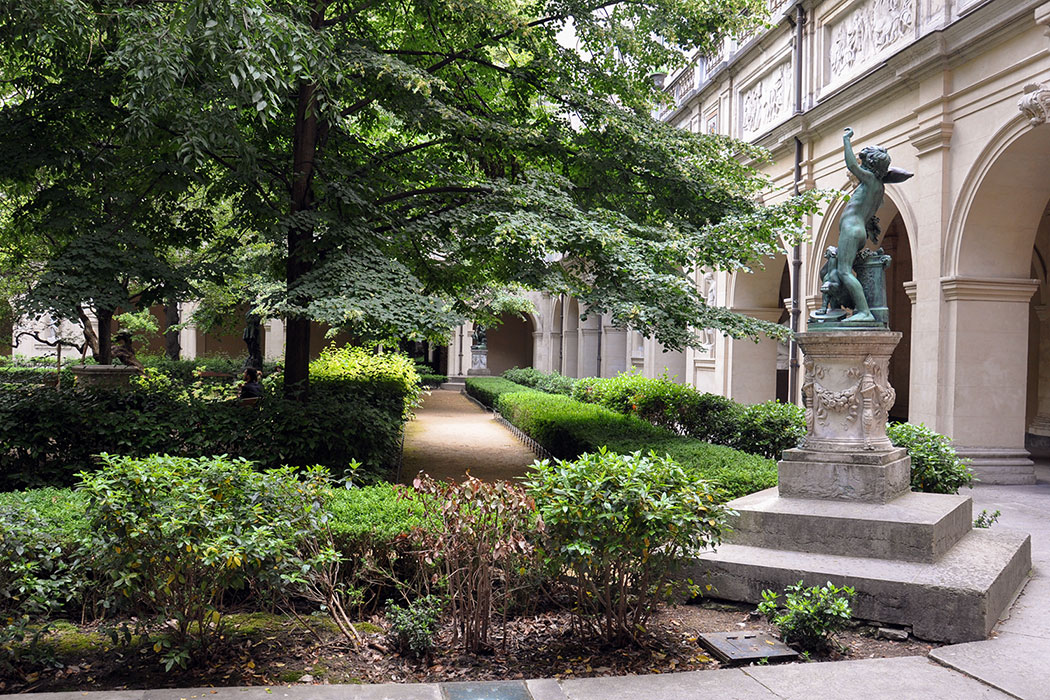
Cloister
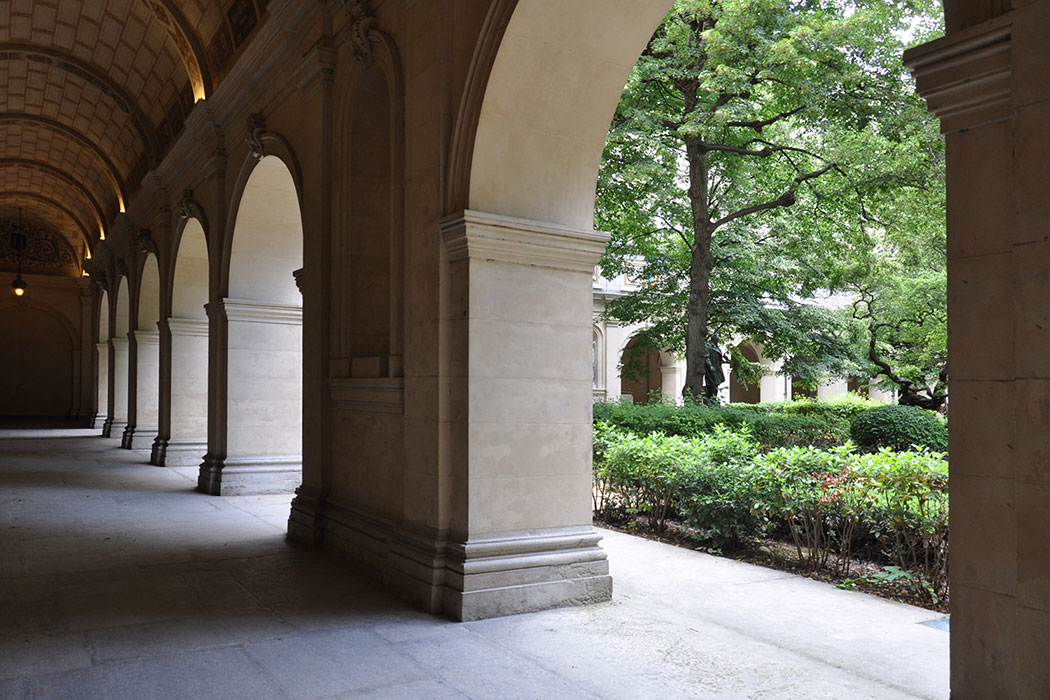
Cloister
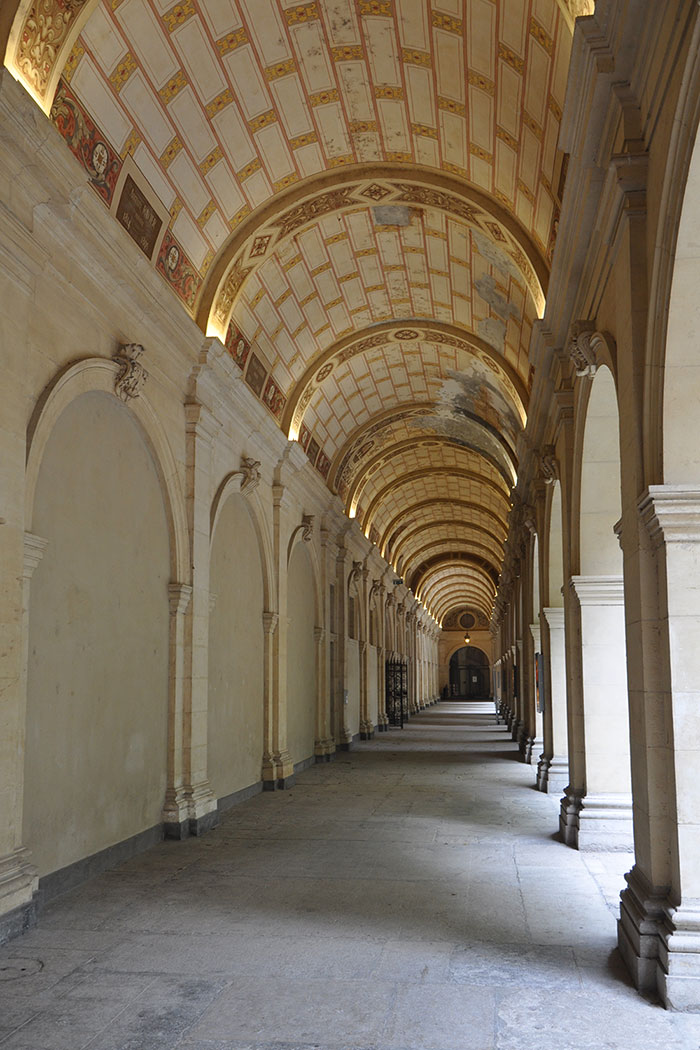
Cloister
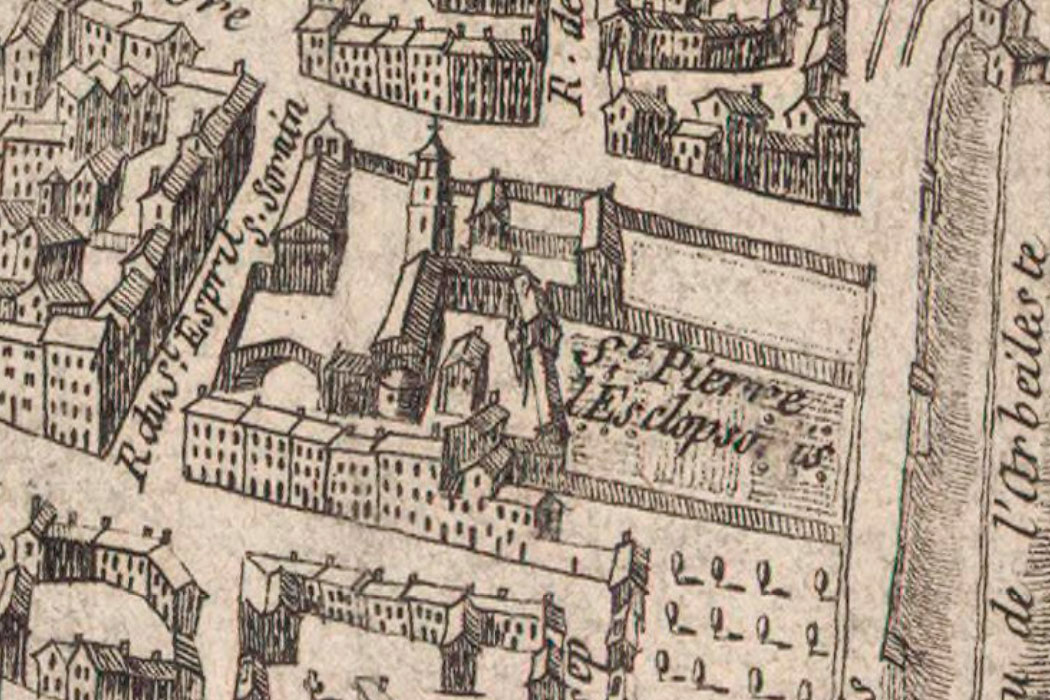
Detail of Plan scénographique de la ville de Lyon (18th century)
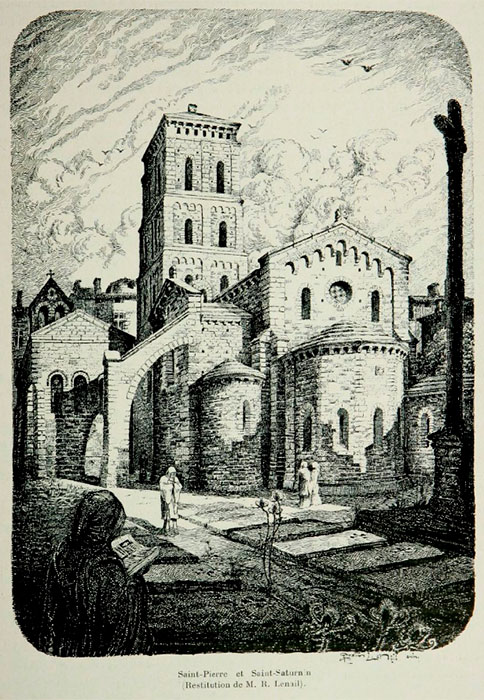
Recreation of ancient medieval churches
Illustration from Histoire des églises et chapelles de Lyon (1909)
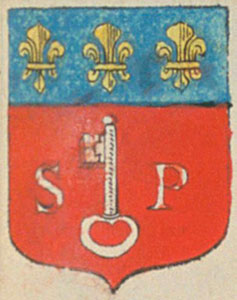
Armorial général de France (18th century)
Bibliothèque nationale de France
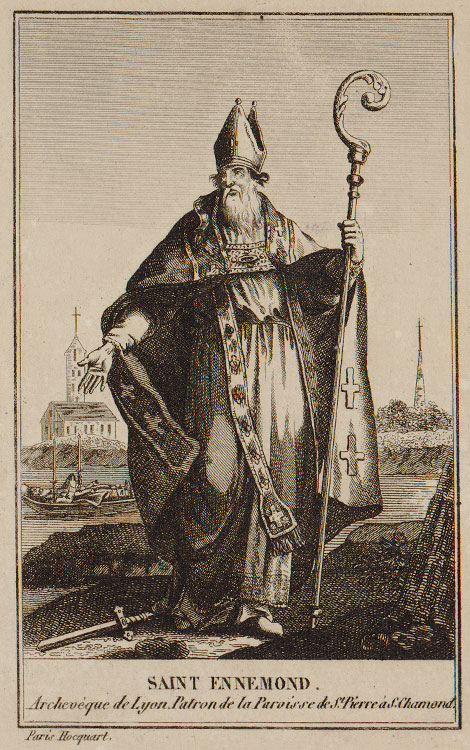
Saint Anemond (n.d.)
Bibliothèque municipale de Lyon
- CONDAMIN, James (1876). Saint Ennemond, évêque de Lyon. Sa vie et son culte. Lió: Brun
- COTTINEAU, Laurent-Henri (1936). Répertoire topo-bibliographique des abbayes et prieurés. Vol. 1. Mâcon: Protat
- COVILLE, Alfred (1902). L'évêque Aunemundus et son testament. Revue d’Histoire de Lyon. Tome I. Lió: A. Rey
- DUVAL, Sylvie (2024). Les très puissantes dames de Saint-Pierre. Premiers jalons pour une histoire de l'abbaye Saint-Pierre de Lyon (VIe-XVIe s.). In and Out of the City. Female Environments, Relations and Dynamics of Space (400-1500). Paderborn
- MARTIN, Jean-Baptiste i altres (1909). Histoire des églises et chapelles de Lyon. Vol. 2. Lió: Lardanchet
- SAINT-MAUR, Congregació de (1725). Gallia Christiana in provincias ecclesiasticas distributa. Vol. 4. París: Typographia Regia
- VACHET, Abbé (1895). Les anciens couvents de Lyon. Lió: Vitte
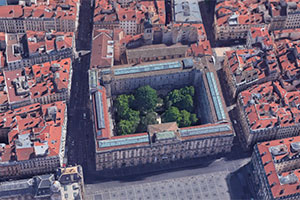
The former monastery, now the Museum of Fine Arts, is located on the Place des Terreaux, in the centre of the city of Lyon